







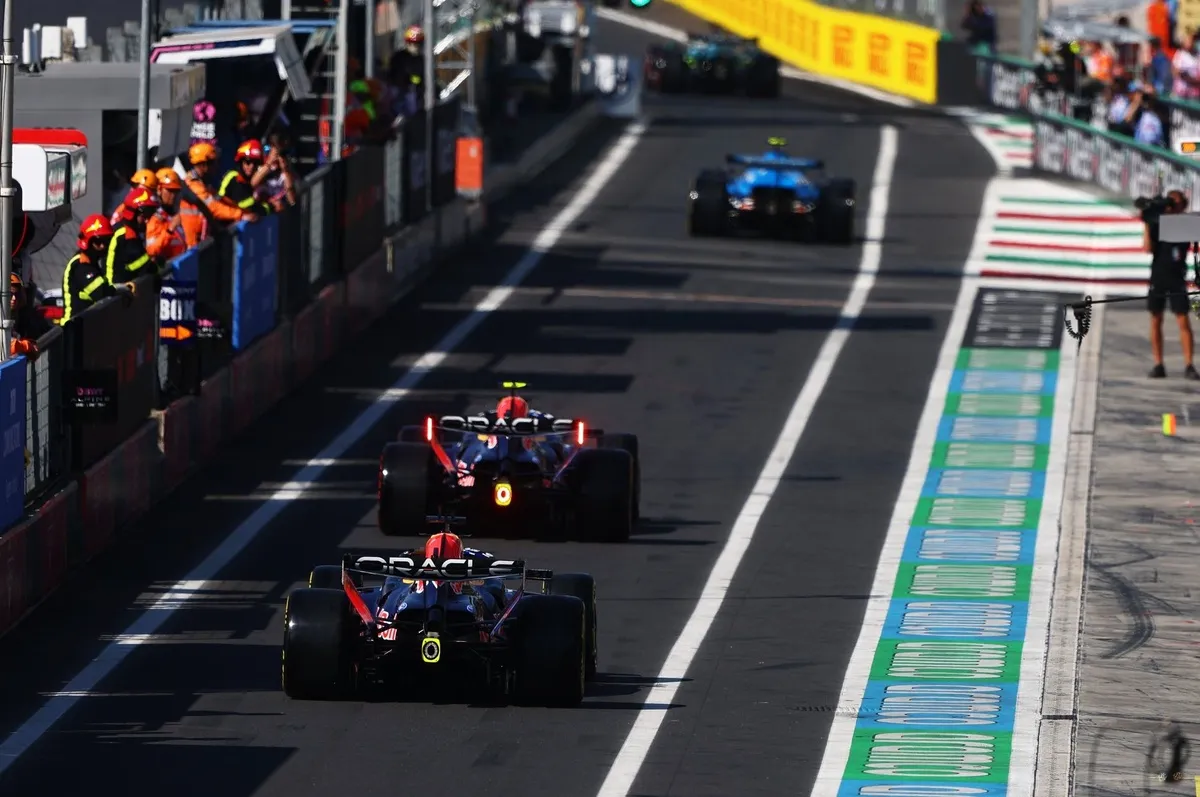

Max Verstappen has reignited his criticism of Formula 1's new-generation cars, claiming that the 2026 power units have stripped away the driving challenge to such an extent that performing at the highest level has become almost effortless. The Red Bull driver pointed directly to the recent performances of Liam Lawson and Yuki Tsunoda as evidence.
Verstappen has been one of the most vocal critics of the new machinery since its introduction, once describing it as "Formula E on steroids" due to the heavy emphasis on energy management. "In the history of the sport, normally the driver that is the most committed, the latest on the brakes, earlier on throttle, committing in the high-speed corners, they get rewarded because you just gain that time in the corner," he told the BBC. "But now you're constantly thinking about, 'In this corner I might have to hold in a bit. Go later on throttle. Or brake earlier. Or lift off. And then I have more top speed.' Stuff like that. It's so unnatural. It's so not how it should be."
Verstappen believes his point was proven by Lawson and Tsunoda, who have been standing in at Red Bull and Racing Bulls respectively following Isack Hadjar's wrist injury over the summer break. Lawson took a fine seventh place at Zandvoort, though he endured a trickier Italian Grand Prix, while Tsunoda scored a point at Monza after narrowly missing out on the top 10 in the Netherlands.
"No disrespect. And I hope no one picks up on this," he continued. "But look at Yuki. He jumps in the car. Never driven the car before. Immediately competitive. Liam jumps from the Racing Bulls to the Red Bull – immediately competitive. It's because these cars are numb to your driver inputs. Of course, yes, you still have to do a good lap. And you still have to commit. The fastest drivers will always come out on top. But it's really, really limited, like a choke hold or something. You're held back."
However, it should be noted that both Lawson and Tsunoda were outqualified by their respective team-mates in all three qualifying sessions at Zandvoort and Monza. Across all eras of F1, there have always been instances of stand-in drivers scoring impressive results. Nico Hulkenberg qualified a remarkable third with Racing Point in the 2020 70th Anniversary Grand Prix, in a year when George Russell very nearly won the second Sakhir round for his first race in a Silver Arrow. Going back to the pre-hybrid era, Sebastian Vettel scored a point on his F1 debut with BMW in 2007, while it took rookie Robert Kubica just three races to reach the podium when he replaced Jacques Villeneuve at the same team halfway through the 2006 season. The previous year, Alexander Wurz finished third at Imola – the only race he competed in in 2005.
Of course, Verstappen himself won his very first race in a Red Bull car at just 18 years of age. He also became the youngest driver to lead a grand prix and set a fastest lap. Such achievements demonstrate that exceptionally talented drivers can shine immediately, regardless of regulations. However, Verstappen's criticism highlights a shift in racing philosophy: from relying on bravery and pure instinct to a game of energy strategy that blurs the line between great and average drivers.
The 2026 cars rely on simpler power units but with a much larger proportion of electrical power. Drivers must cleverly manage energy throughout a lap, often lifting off earlier or braking later to recharge the battery. This creates an unnatural driving style and diminishes the sprint racing sensation that has long been a major attraction of F1.
Verstappen's criticism is not unfounded. If substitute drivers like Lawson and Tsunoda can be immediately competitive without prior experience in the car, then the main differentiator – skill and bravery – is indeed reduced. On the other hand, qualifying results still dominated by regular drivers show that adaptation still takes time. Regardless, this debate will continue as the season progresses, and Verstappen seems unlikely to stop voicing his discontent until a regulatory change restores the pure challenge of racing.
Read Also
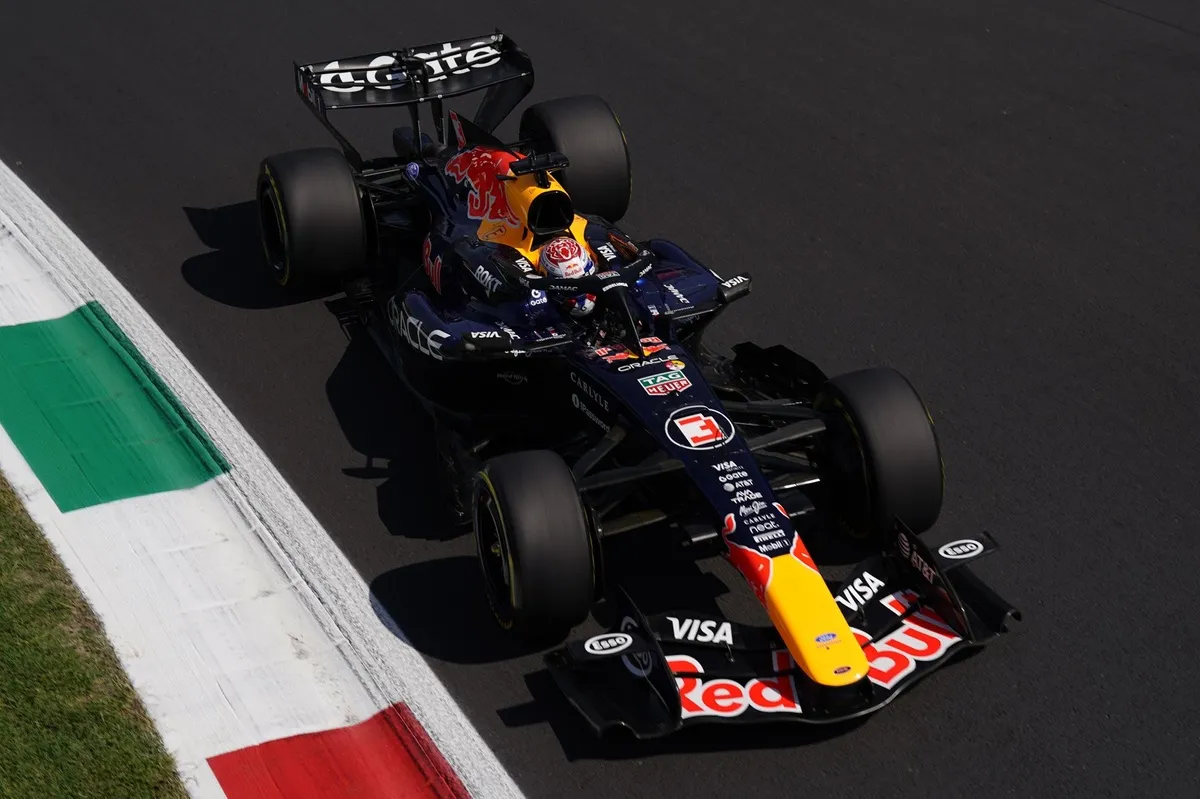
Max Verstappen criticizes F1 2026 cars as too easy to drive, citing Lawson and Tsunoda's immediate competitiveness. Read the full analysis and implications.
Gasly's Monaco 2026 podium drama continues: ICA upholds McLaren and Red Bull appeal, sparking bias allegations. Read the full analysis.
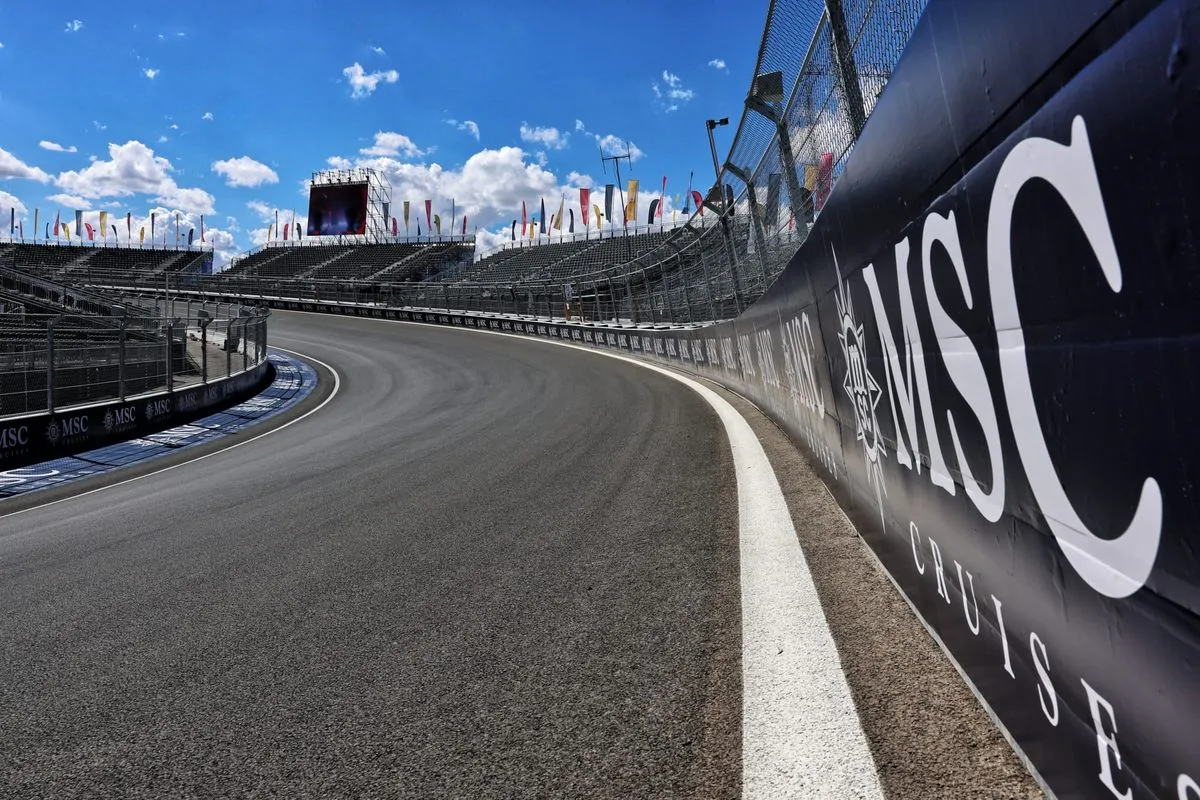
First impressions of Madring circuit ahead of F1 Spanish GP 2026: banked La Monumental corner, Turn 5/6 chicane, and smooth asphalt set to test drivers.
 Continue with Google
Discussion (0)
Join the Discussion!
Sign in easily to start commenting, replying, and interacting with other readers.
Latest Comments
No comments yet. Be the first!