







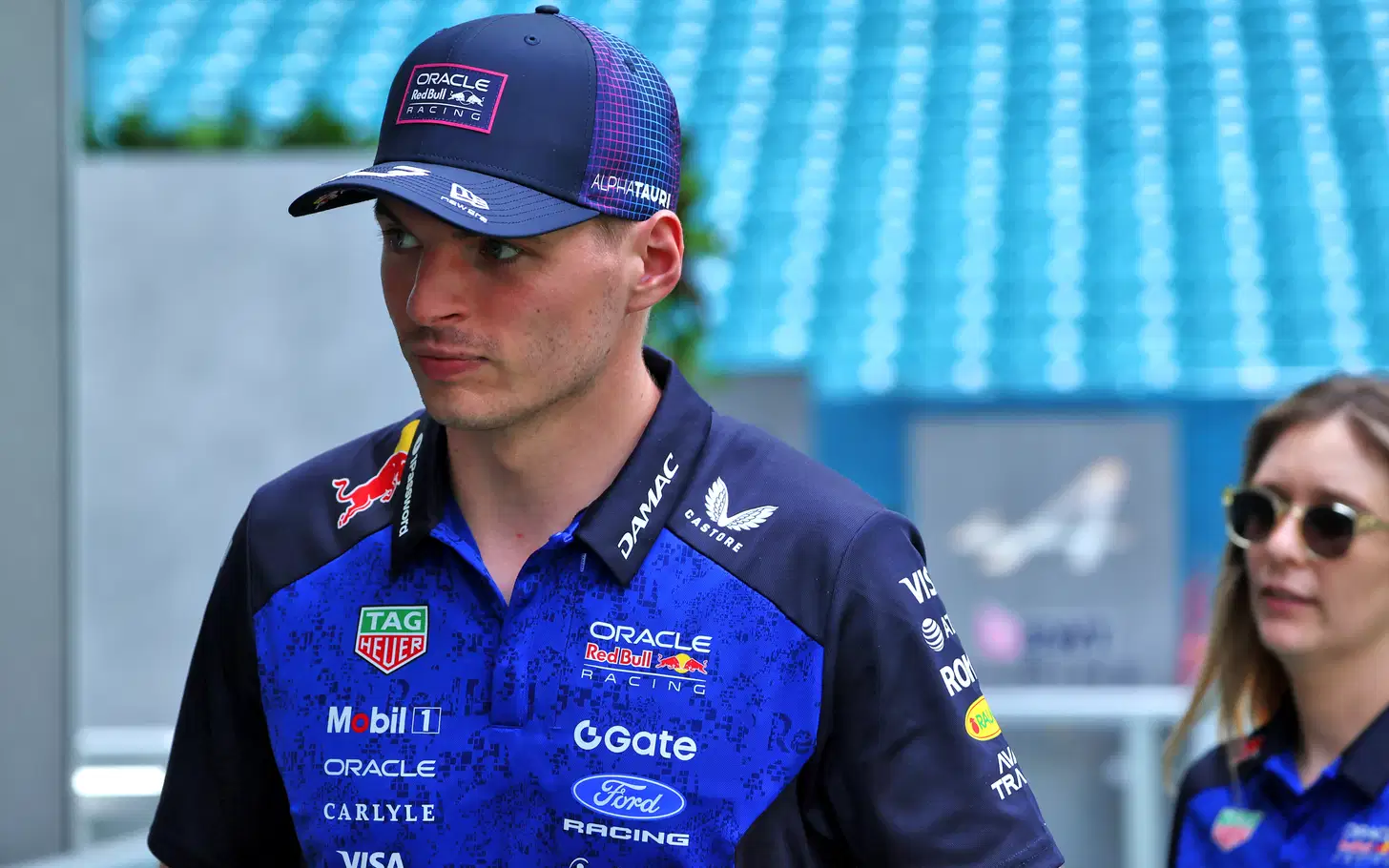

Max Verstappen has delivered a measured but critical assessment of the revised Formula 1 2026 technical regulations set to debut at the Miami Grand Prix, describing the changes as only a limited step toward resolving deeper structural issues. The Red Bull Racing driver acknowledged the effort from the FIA and Formula 1, but suggested the adjustments fall short of what is required.
The regulatory revisions follow a series of concerns raised after the opening rounds in Australia, China, and Japan, where teams and drivers identified inconsistencies in energy deployment and overall car behaviour. Central to the update is the increase in super-clipping allowance to 350kW, enabling full battery recharge, alongside a reduction in harvested energy from 8MJ to 7MJ.
From a technical perspective, these changes are intended to mitigate power loss at the end of long straights and stabilise performance during qualifying and overtaking phases. However, Verstappen believes the hybrid system’s complexity continues to present unresolved challenges, particularly in maintaining consistent drivability across varying race scenarios.
He emphasised that Formula 1 operates within a highly complex technical and political framework, making consensus-driven regulation inherently gradual. While acknowledging improved communication between drivers and governing bodies, Verstappen indicated that the current measures represent only an initial step rather than a comprehensive solution.
The Dutch driver also underlined the importance of driver input in shaping future regulations, arguing that those behind the wheel possess critical insight into what is required to deliver a competitive and engaging racing product. He expressed hope that this collaborative approach would continue to evolve in the coming seasons.
Despite welcoming the direction of change, Verstappen maintained that the revisions do not yet restore the “flat-out” performance characteristic traditionally associated with Formula 1. In his view, more substantial adjustments will be necessary to fully optimise the balance between energy deployment, power delivery, and on-track racing quality.
The implementation of these updates in Miami will provide the first real-world assessment of their effectiveness, offering teams and regulators valuable data on whether the intended improvements translate into measurable gains in both performance and safety.
Further evaluation is expected throughout the season, with additional refinements likely under consideration as Formula 1 continues to adapt its 2026 regulations to meet both technical and sporting objectives.
Read Also
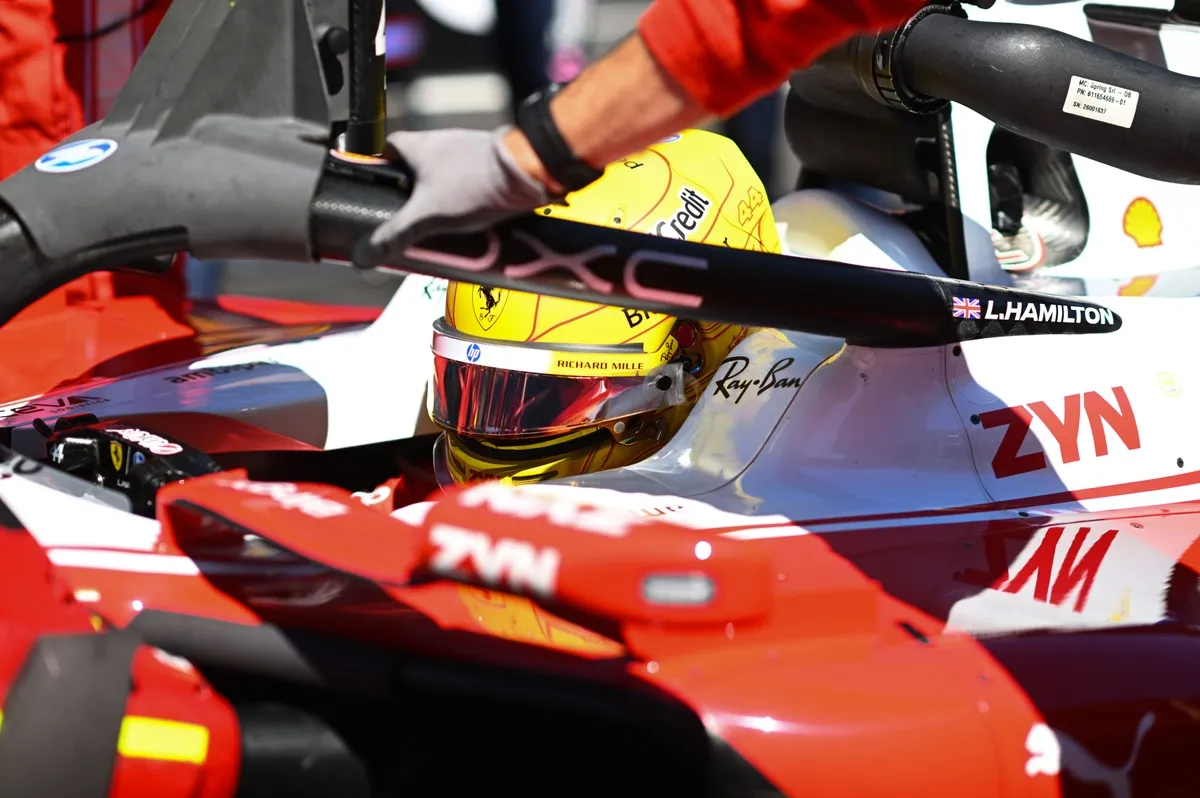
Lewis Hamilton suffered a brake failure at the Spanish GP, forcing Ferrari to retire him. Read the details and Vasseur's comments.
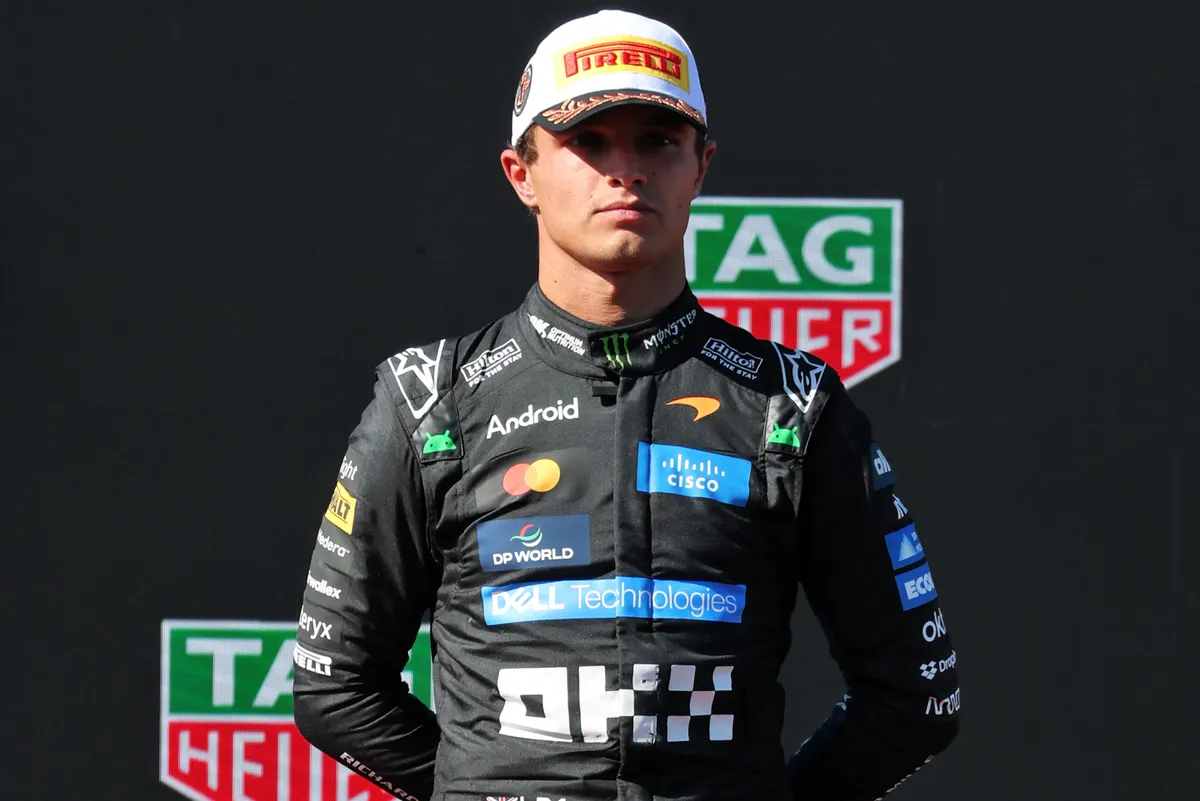
Lando Norris left frustrated after losing Spanish GP victory due to controversial VSC timing. Read the full analysis and reactions from McLaren.

Lando Norris will test McLaren's MCL-HY hypercar at Portimao before the Azerbaijan GP. Read about McLaren's WEC 2027 and Le Mans preparations.
 Continue with Google
Discussion (0)
Join the Discussion!
Sign in easily to start commenting, replying, and interacting with other readers.
Latest Comments
No comments yet. Be the first!