






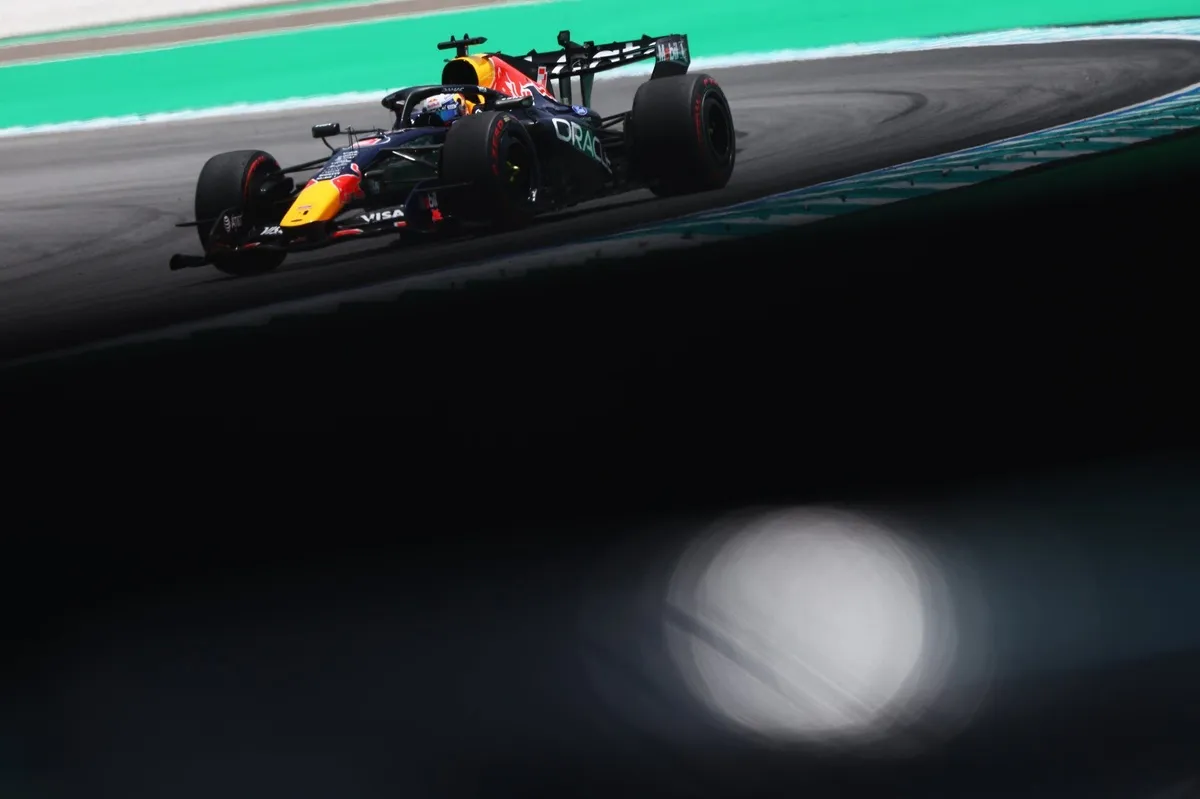

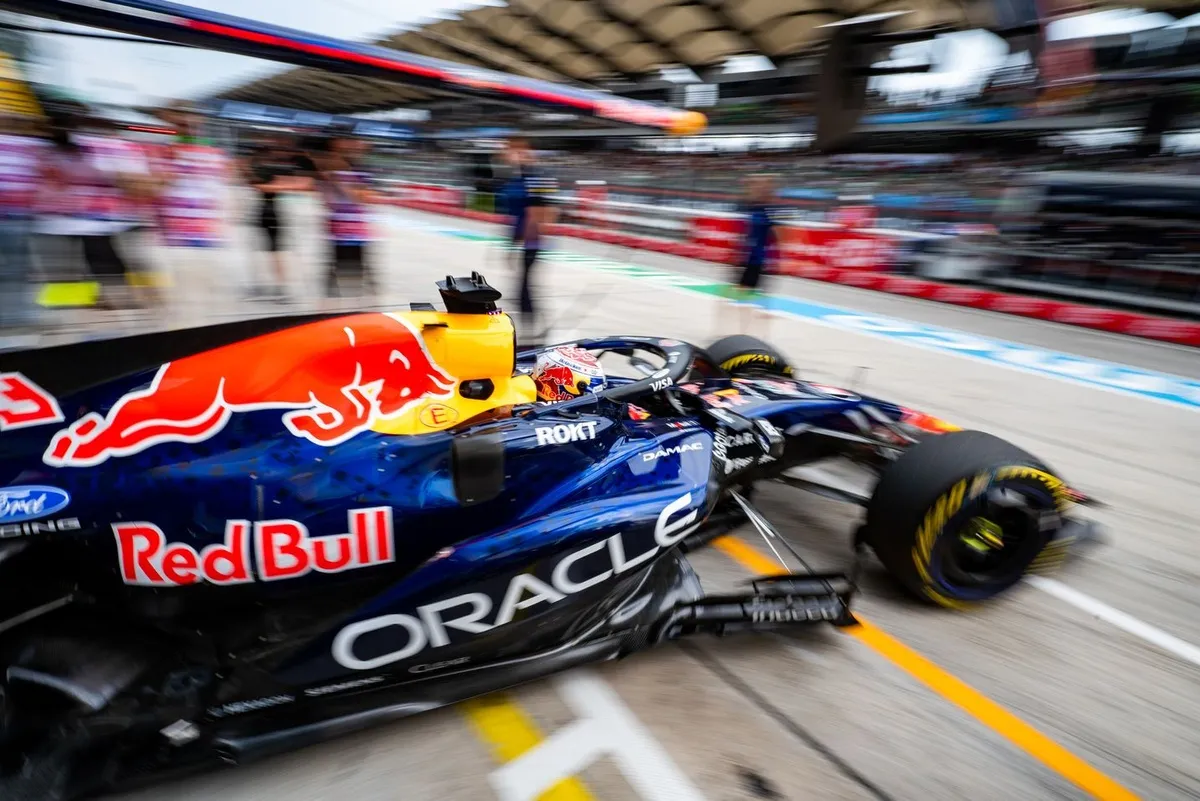
Max Verstappen took a different approach in FP2 for the Malaysian Grand Prix at Sepang. Instead of completing a qualifying simulation, the Red Bull Racing driver went straight for a long run. The decision was influenced by a 90 percent chance of rain, but also by a more critical technical factor: tyre degradation.
“I wanted to do a long run in case there was some rain coming in,” Verstappen said briefly. His words underline that the focus was not on lap time, but on gathering as much data as possible about tyre behaviour on Sepang's abrasive asphalt.
Red Bull technical director Pierre Wache explained that the team deliberately sacrificed qualifying simulation for the long run. “We didn't want to compromise the long run, which I think is the most important thing this weekend, in terms of degradation and see how the tyres behave, especially the medium. We didn't have data of the medium, so we prioritised that and afterwards it was too late to run the soft,” Wache said.
This approach highlights two things. First, looking at individual lap times after Friday in Kuala Lumpur is pointless. Only long runs provide a meaningful picture, meaning even less significance should be attached to Friday's classification than usual. Second, it underlines that the biggest challenge in Malaysia is not one-lap pace, but keeping tyres alive during the race.
Pirelli recorded around two to three tenths of tyre degradation per lap on both the medium and soft compounds. “We have seen today that the degradation was quite significant, quite high. I remember just one weekend where we had this kind of degradation and that was Barcelona,” said Pirelli's chief engineer Simone Berra. “The level of decay is quite important here. Teams need to manage especially the rear temperatures, but also the front tyres in the high-speed corners.”
This can become a vicious circle. The poor track surface offers low grip, causing tyres to spin and overheat. When the rear tyres overheat, traction is lost, drivers have to reduce throttle, and lap times drop. Teams that fail to manage tyre temperatures will struggle to stay at the front.
For Verstappen and Red Bull, the long run in FP2 is valuable data for race strategy. They need to understand how long the medium and soft tyres can last, and when the ideal pit stop window is. Meanwhile, other teams like Mercedes and Ferrari face a similar dilemma: chase qualifying performance or prepare for a long, gruelling race.
Sepang is known as one of the most challenging circuits for tyres. The combination of high temperatures, fast corners, and a rough surface makes tyre management an art. If Verstappen and Red Bull can crack this code, they could have a significant advantage on Sunday. But if they get it wrong, degradation could become a boomerang that destroys their podium chances.

Read Also
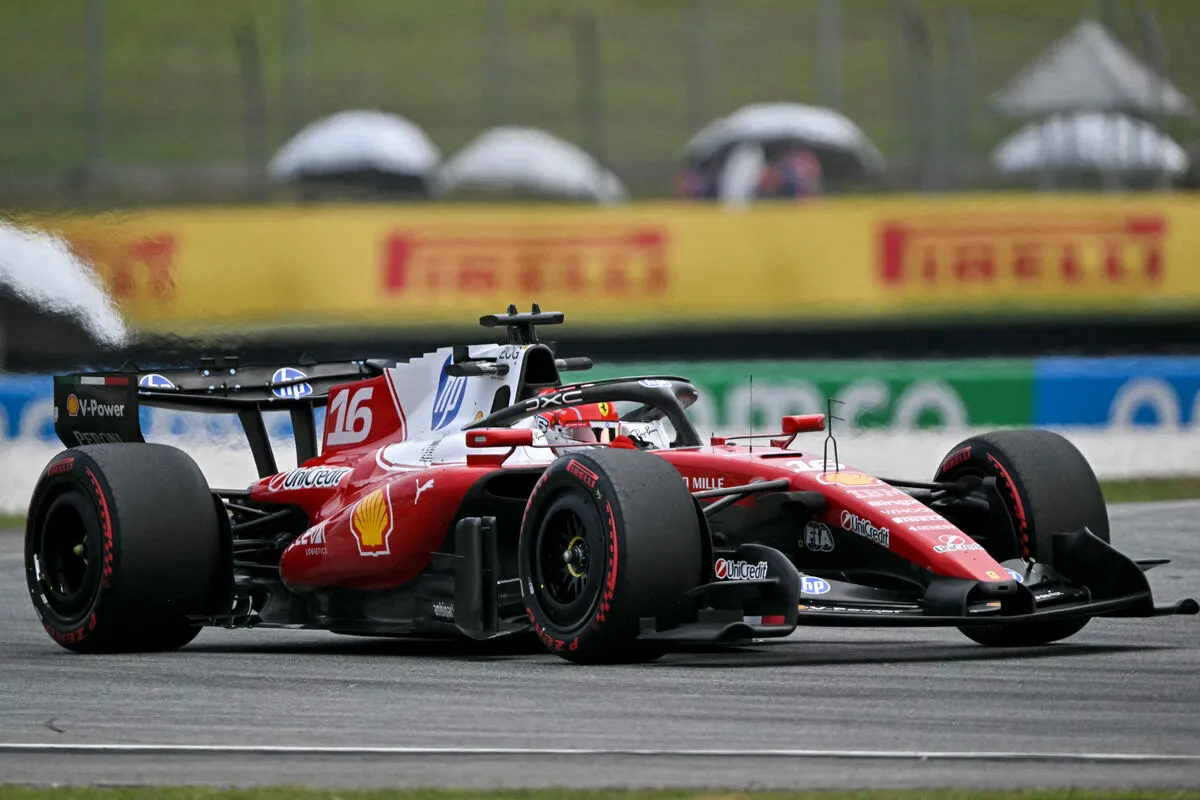
F1 Malaysia: Ferrari, Red Bull, dan McLaren bawa upgrade spesifik untuk hadapi cuaca panas Sepang. Simak detail teknis dan strategi masing-masing tim.
Fred Vasseur menegaskan Ferrari harus bersatu di tengah rumor masa depannya. Baca pernyataan lengkapnya jelang GP Bahrain.
Andrea Kimi Antonelli sebut Red Bull tercepat di FP1 dan FP2 MotoGP Malaysia 2026. Mercedes masih cari setup ideal di Sepang.
 Continue with Google
Discussion (0)
Join the Discussion!
Sign in easily to start commenting, replying, and interacting with other readers.
Latest Comments
No comments yet. Be the first!