







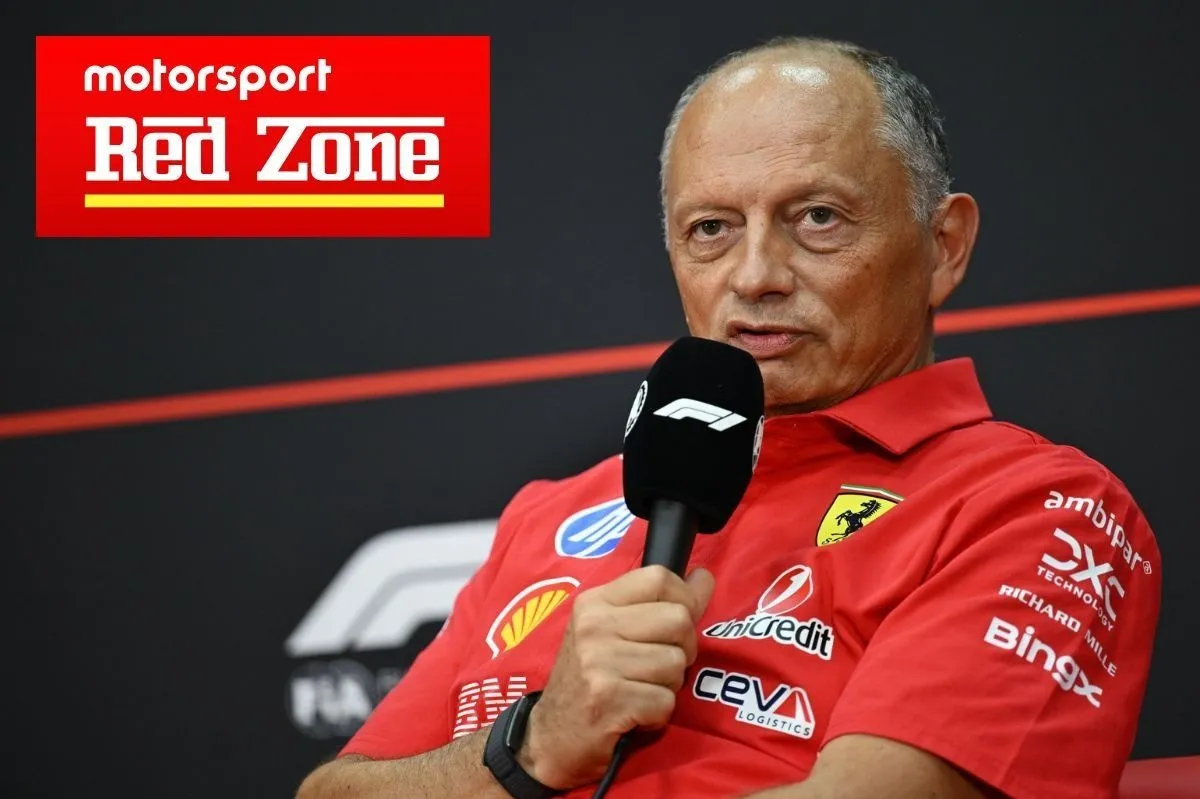

The United States Grand Prix weekend at the Circuit of the Americas showcased formidable pace from Ferrari, underlined by newly upgraded machinery and flawless tyre degradation management throughout the main race. Charles Leclerc delivered a stellar performance to capture second place behind Mercedes driver Kimi Antonelli, yet the Scuderia garage was left reflecting on missed opportunities.
Behind the scenes, team boss Fred Vasseur firmly believes that the Maranello squad possessed the underlying race pace to challenge for the outright victory if a couple of crucial moments had unfolded differently. Vasseur pointed directly to Saturday's qualifying struggles as the primary catalyst that compromised their Sunday strategy and track position from the outset.
Because track position remains an absolute premium in modern Formula 1, failing to maximize the final moments of Q3 forced Ferrari into a defensive and reactive recovery mode through traffic while the leaders controlled the pace in clean air. Discussing the team's aggressive tactical approach, Vasseur explained, "Probably yes, I think that today it went well, everything went well, the pace was OK, we were aggressive with the strategy, because we had to overtake."
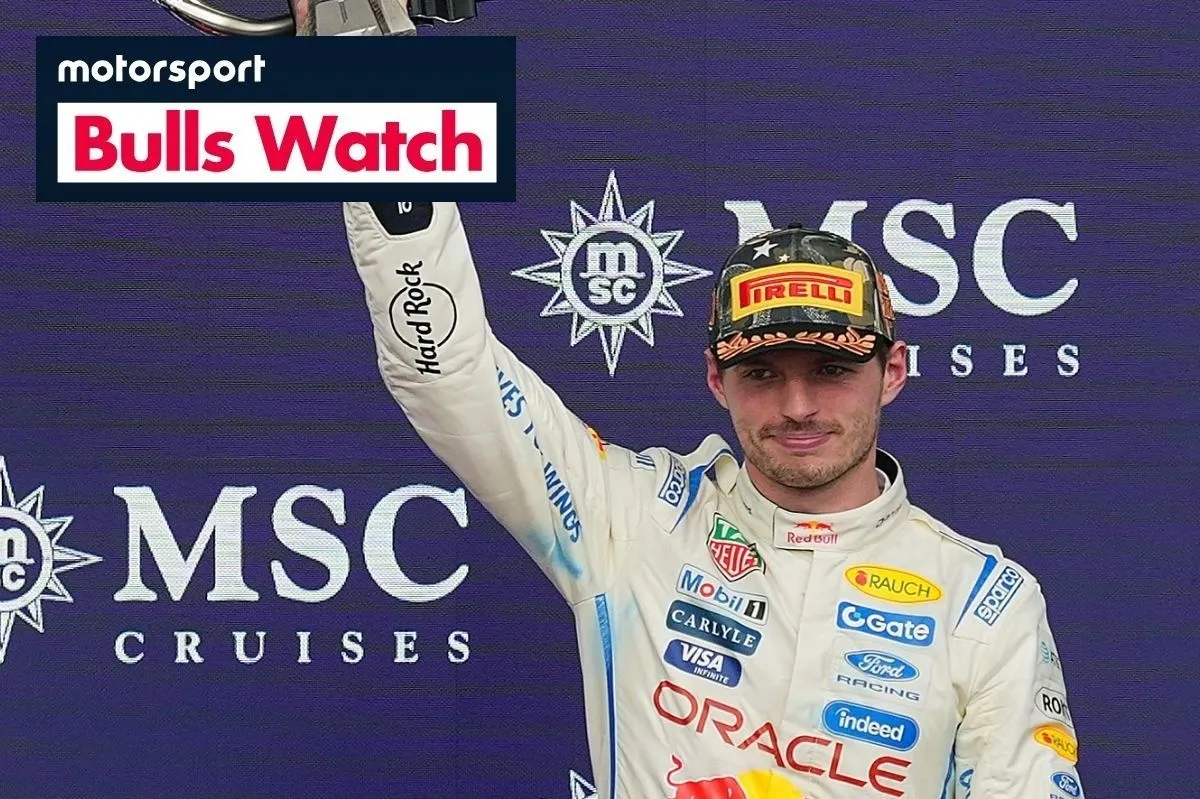
As the race entered its closing stages, Lewis Hamilton launched a charging pursuit toward Max Verstappen, rapidly hunting down the struggling rival in a fierce battle for the final step of the podium. However, late-race drama struck when Valtteri Bottas pulled his Cadillac off the circuit due to a mechanical failure, triggering a Virtual Safety Car that neutralized the field.
The untimely neutralization effectively froze the battle and killed Hamilton's momentum just laps away from completing a remarkable team podium sweep. Acknowledging the decisive impact of the neutralisation, Vasseur admitted, "Without the VSC, probably it would have been a double podium." As reported by Motorsport.com, questions surrounding the reliability of the customer power unit were quickly dismissed after confirming the issue stemmed from an external hydraulic failure.

Read Also
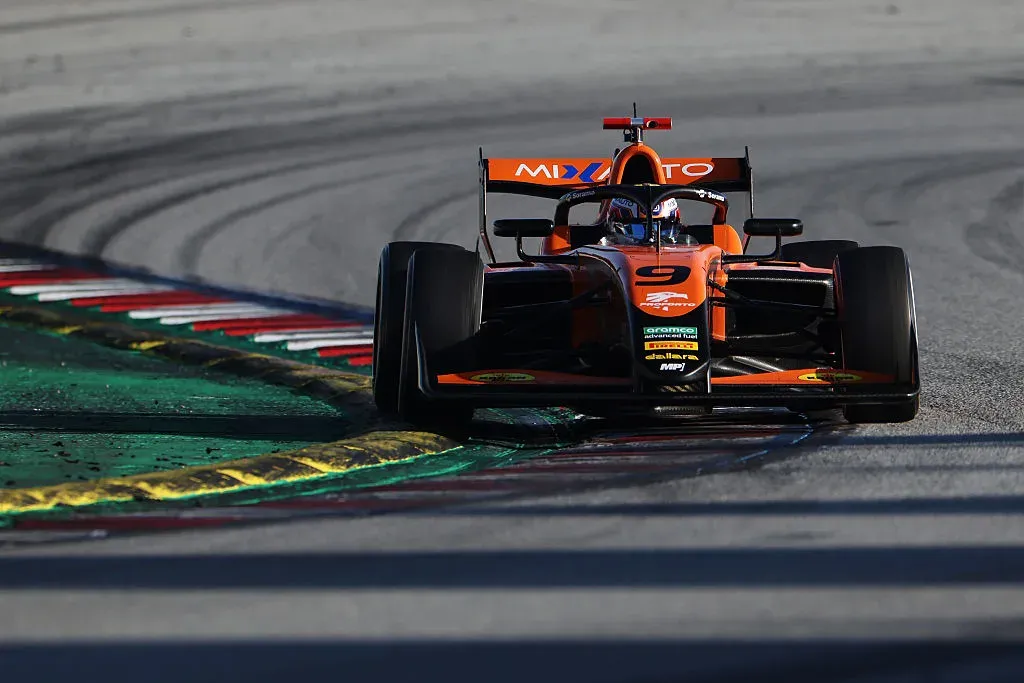
Simak analisis lengkap hasil tes F3 Barcelona 2026 di mana Matteo De Palo tampil sebagai yang tercepat. Baca ulasan mendalam jalannya sesi di sini!
Simak analisis performa pembalap F1 GP Amerika Serikat 2026, dominasi Antonelli, dan strategi brilian di COTA. Baca ulasan selengkapnya di sini!
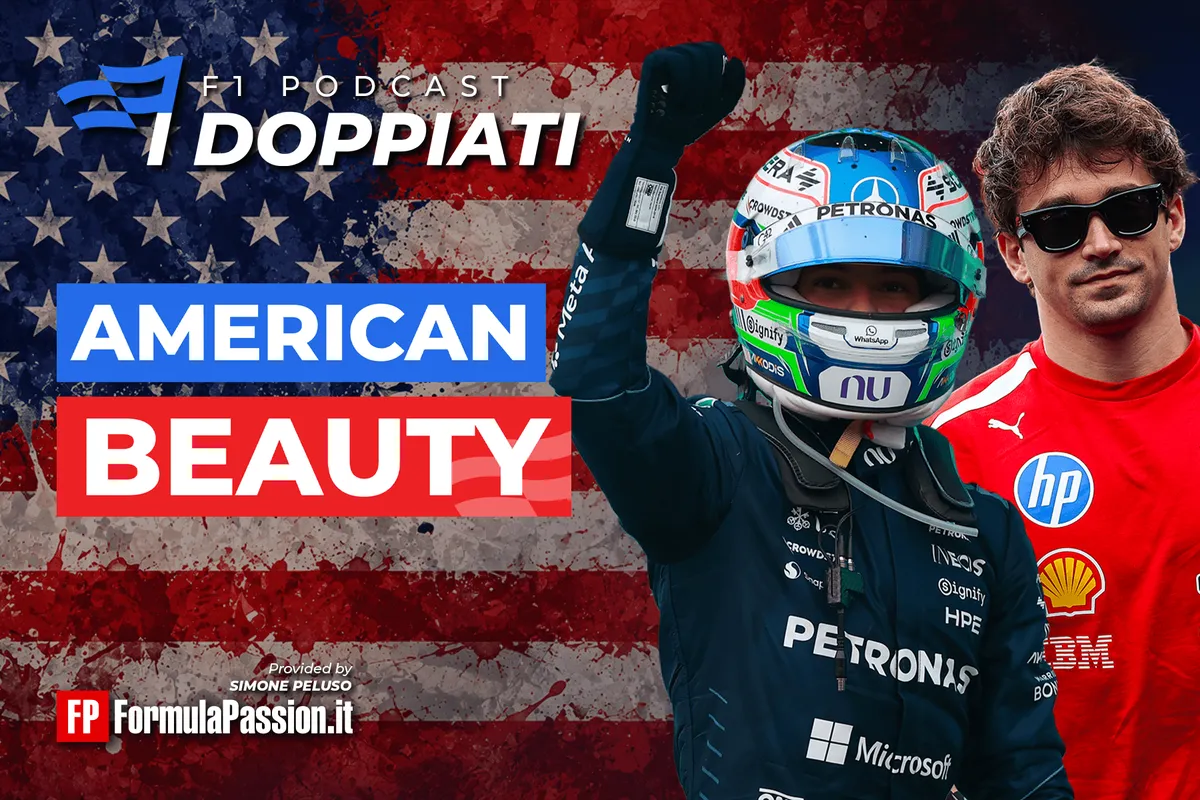
Simak analisis lengkap F1 GP Austin 2026, performa gemilang Kimi Antonelli, dan kebangkitan Ferrari bersama siniar I Doppiati. Baca selengkapnya di sini!
 Continue with Google
Discussion (0)
Join the Discussion!
Sign in easily to start commenting, replying, and interacting with other readers.
Latest Comments
No comments yet. Be the first!