








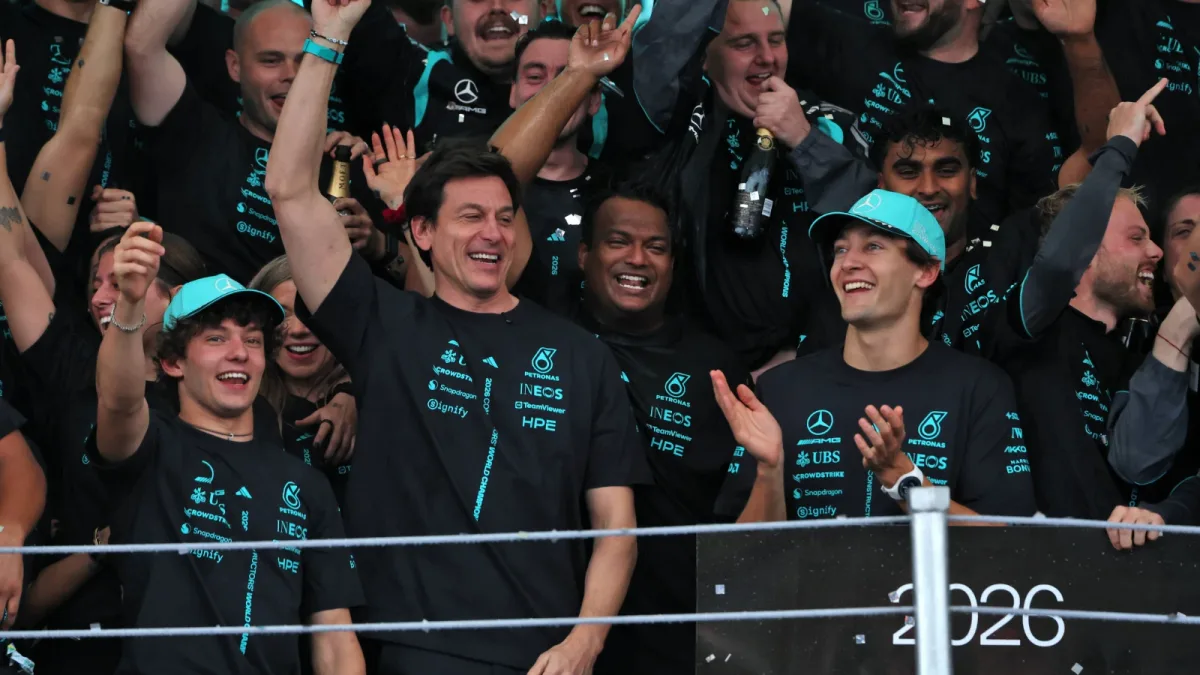
Formula 1 paddock discussions have been dominated by a candid reflection shared by Toto Wolff regarding the challenging period his team endured during the recent ground effect regulatory era. Amidst a quieter phase in the racing calendar, the team principal firmly dismissed harsh labels branding his squad as losers following a lean spell that tested the resilience of the Brackley outfit.
The Silver Arrows entered the major technical overhaul aiming to maintain their historical frontrunner status, yet Mercedes found themselves grappling with unexpected aerodynamic and mechanical limitations. This difficult phase saw the team slip behind fierce rivals like Red Bull and McLaren, compounded by the emotional departure of seven-time world champion Lewis Hamilton as he embarked on a historic chapter with Ferrari.
Despite those bleak years, the relentless development behind closed doors ultimately paid off as a new hybrid era emerged. Capitalizing on stellar early-season performances and a resilient car design, the team secured both the constructors' crown and the drivers' championship with rising star Kimi Antonelli, cementing an inspiring comeback story within the motorsport world.
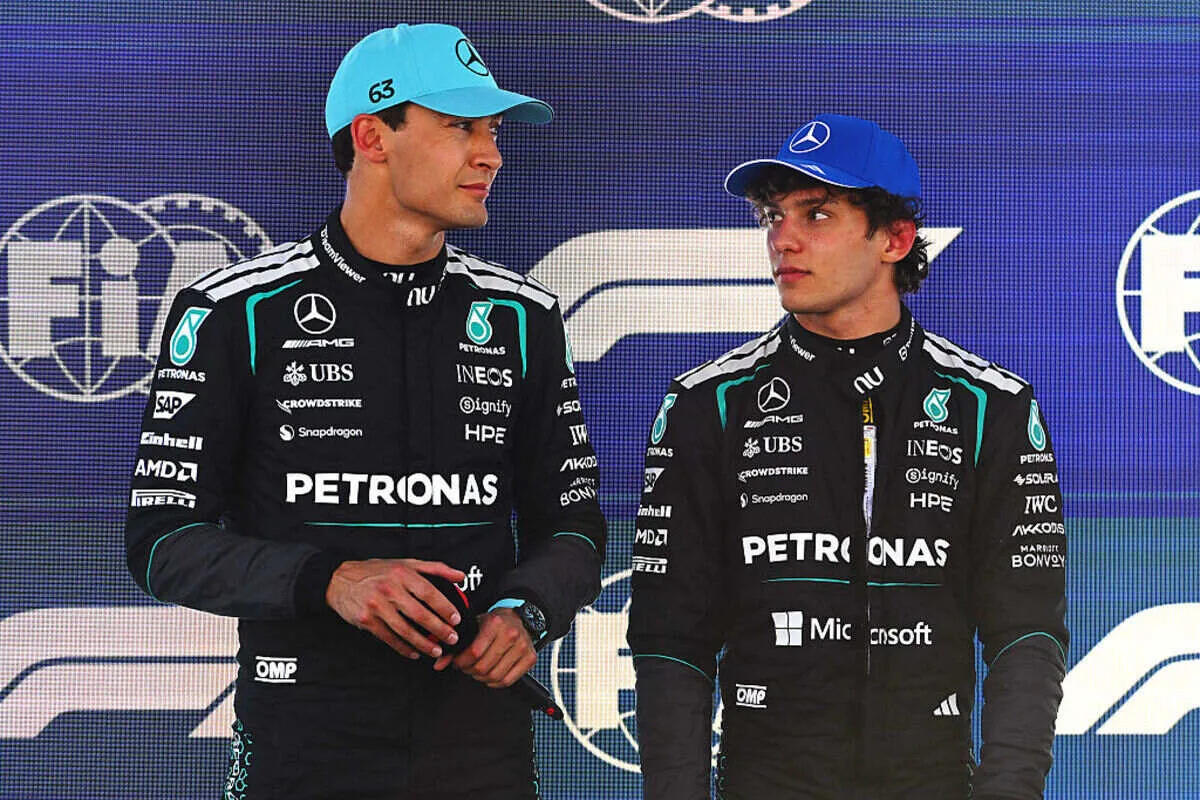
Reflecting on the psychological toll of fighting through an uncompetitive car concept, Wolff admitted that maintaining morale through years of trial and error was an immense challenge for everyone inside the factory. The grueling process of misinterpreting data, correcting paths, and realizing the true scale of their engineering hurdles created a heavy atmosphere in the pit lane.
"When you're in these difficult moments, like we all are sometimes in our lives, it's not that easy to keep going," Wolff explained while detailing the emotional weight of those seasons. "Because looking back in retrospect, you're saying, 'Well, yeah, we needed these tough moments in order to grow as people or to grow as an organisation.' But when you're down, that is quite difficult to feel."
Wolff highlighted the frustrating feedback loop the technical department experienced while trying to diagnose their performance deficit. "So looking back, I think those four years were very difficult. Between getting it wrong and then understanding why it was wrong, and then realising, 'No, we didn't understand', and that was a big back and forth."
Despite falling short of the total dominance they enjoyed in previous years, Wolff was quick to point out that raw statistics tell a story of a team that remained competitive at the sharp end of the grid. Across those four difficult campaigns, the squad managed to secure six race victories and an impressive tally of 45 podium finishes.
Securing third, second, fourth, and second place finishes in the constructors' standings proved that the team was far from a complete failure. For Wolff, the greatest victory of that era was the unwavering unity and fighting spirit shown by every staff member in Brackley when times were at their toughest.
"But we will be looking back in 10 or 20 years, and when you look at the statistics, it wasn't that we were complete losers over those four years. Because we finished third, second, fourth and second in the constructors' standings," Wolff concluded, emphasizing the deep-rooted resilience that ultimately guided them back to the summit of Formula 1.
Read Also
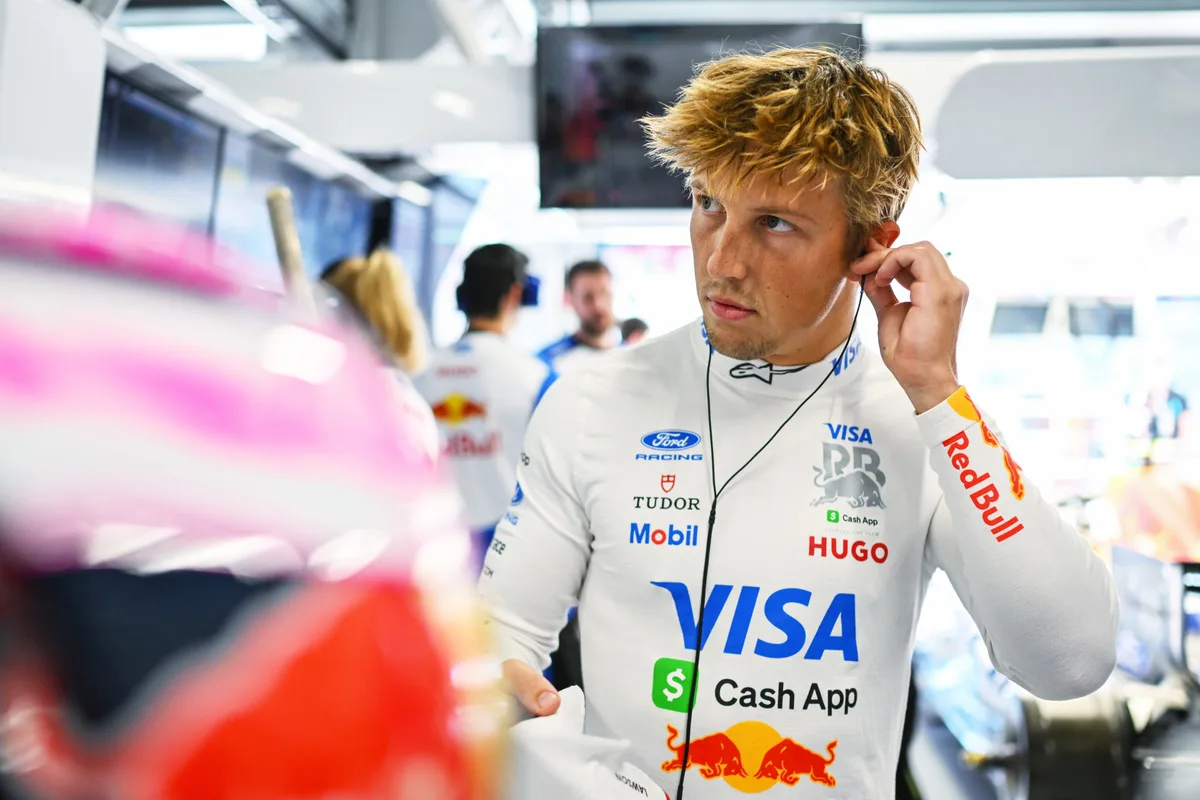
Racing Bulls resmi mempertahankan Liam Lawson dan Arvid Lindblad untuk F1 2027. Simak analisis lengkap dan pernyataan tim di sini.
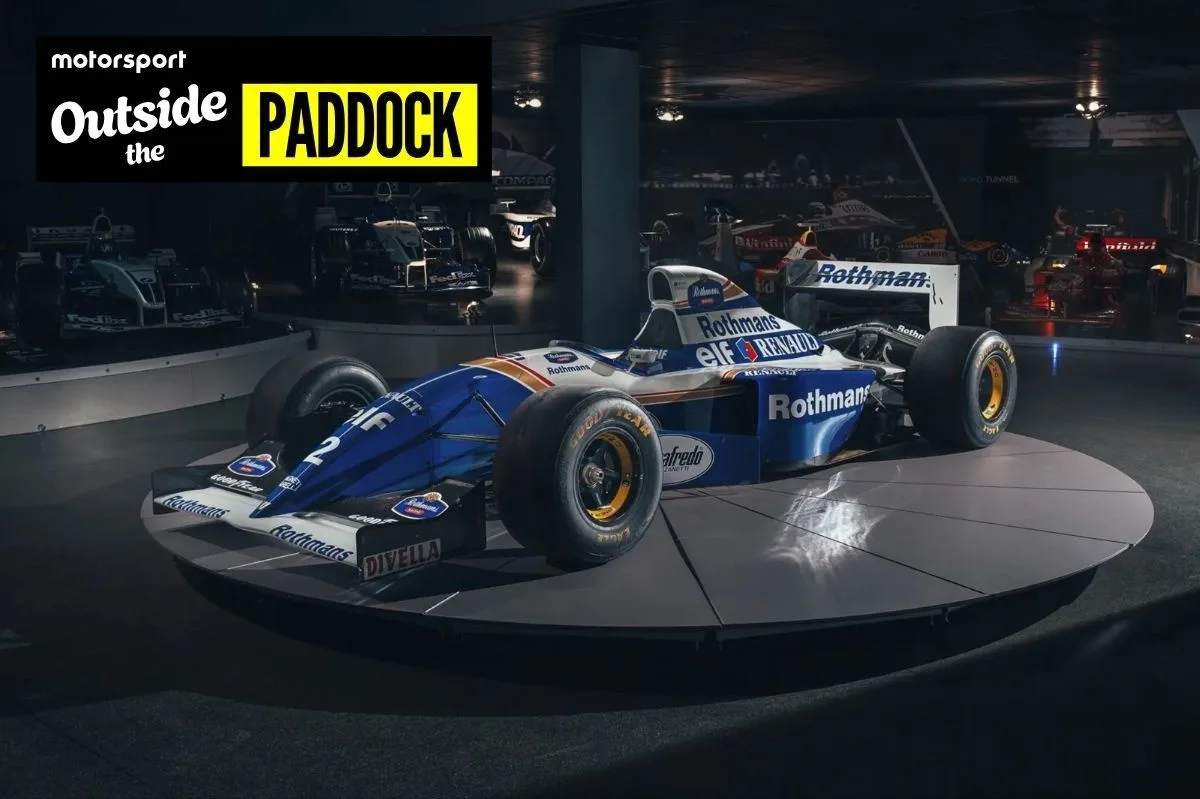
Mobil Williams FW16 peninggalan Ayrton Senna dilelang dengan estimasi 6 juta dolar. Simak sejarah dan kondisi unik mobil legendaris ini di sini.
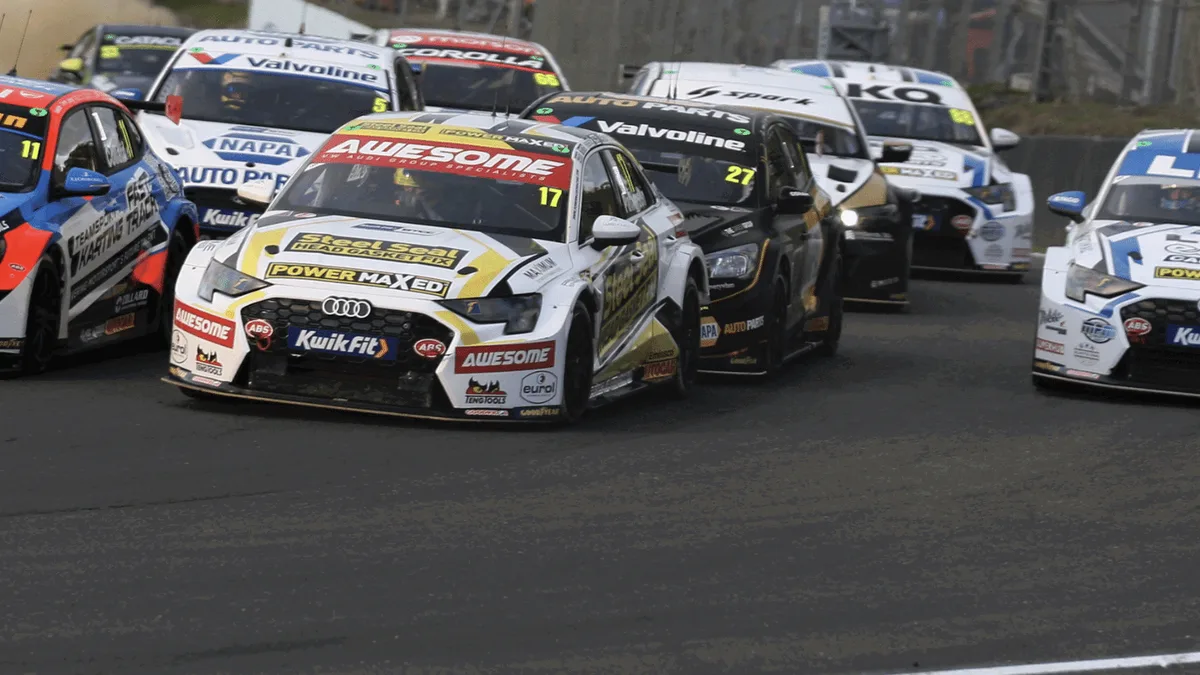
Mobil balap BTCC milik Power Maxed Racing dicuri di London. Simak kronologi lengkap dan tawaran imbalan £25.000 untuk pengembalian kendaraan di sini.
 Continue with Google
Discussion (0)
Join the Discussion!
Sign in easily to start commenting, replying, and interacting with other readers.
Latest Comments
No comments yet. Be the first!