







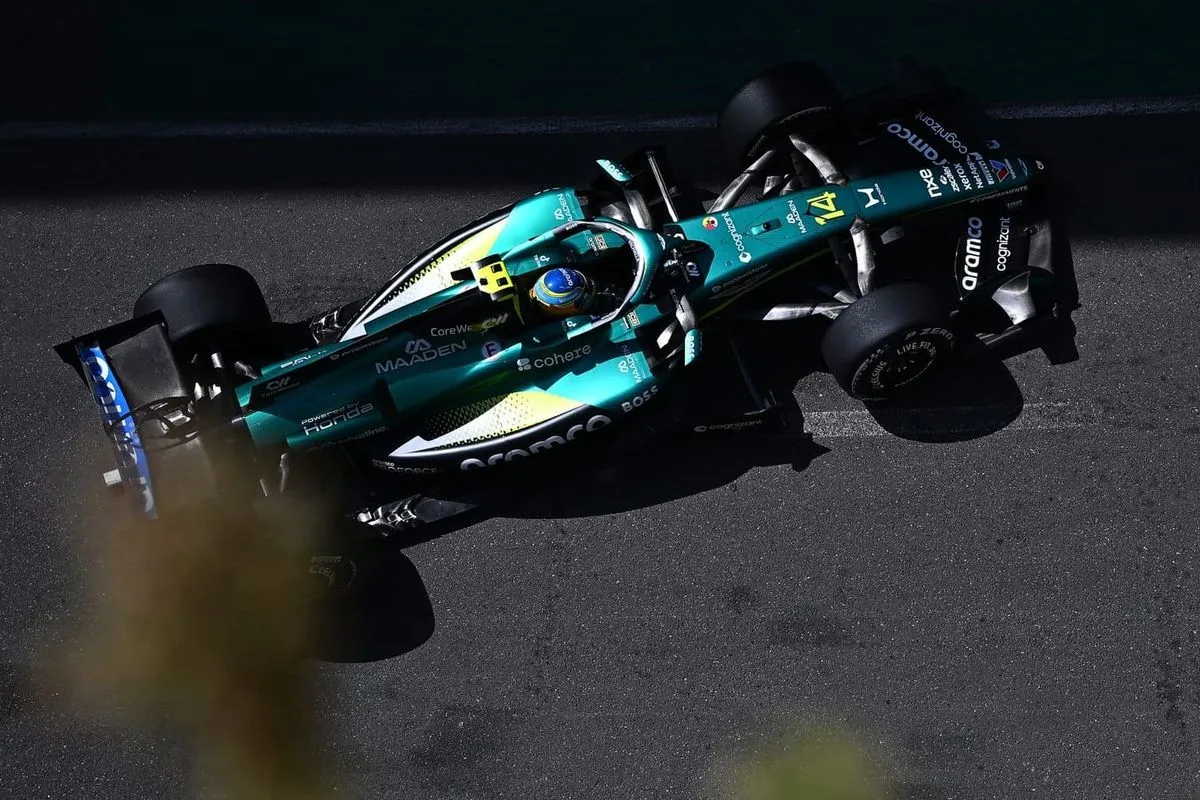

While the fluctuating form of Aston Martin and Honda has mirrored the unpredictable racing style of the 2026 Formula 1 season, an even stranger narrative has unfolded around their star driver, Fernando Alonso. Beyond his recently concluded contract talks, the double world champion has faced a baffling series of technical glitches and retirements aboard arguably the most troublesome car on the current grid.
The focus centers heavily on power unit updates rather than off-track negotiations. In Baku, the Spaniard finally got his hands on the secretive ADUO 2 turbocharger upgrade from Honda, a specification that had previously been fitted to Lance Stroll's car in Madrid to combat driveability issues and persistent turbo lag.
Honda's relentless pursuit to refine throttle response began when they introduced the mid-season ADUO 1 engine upgrade at Zandvoort. Baku's unique layout, featuring numerous slow, tight corners paired with crucial traction zones, served as a stern evaluation ground for these specific engine characteristics.
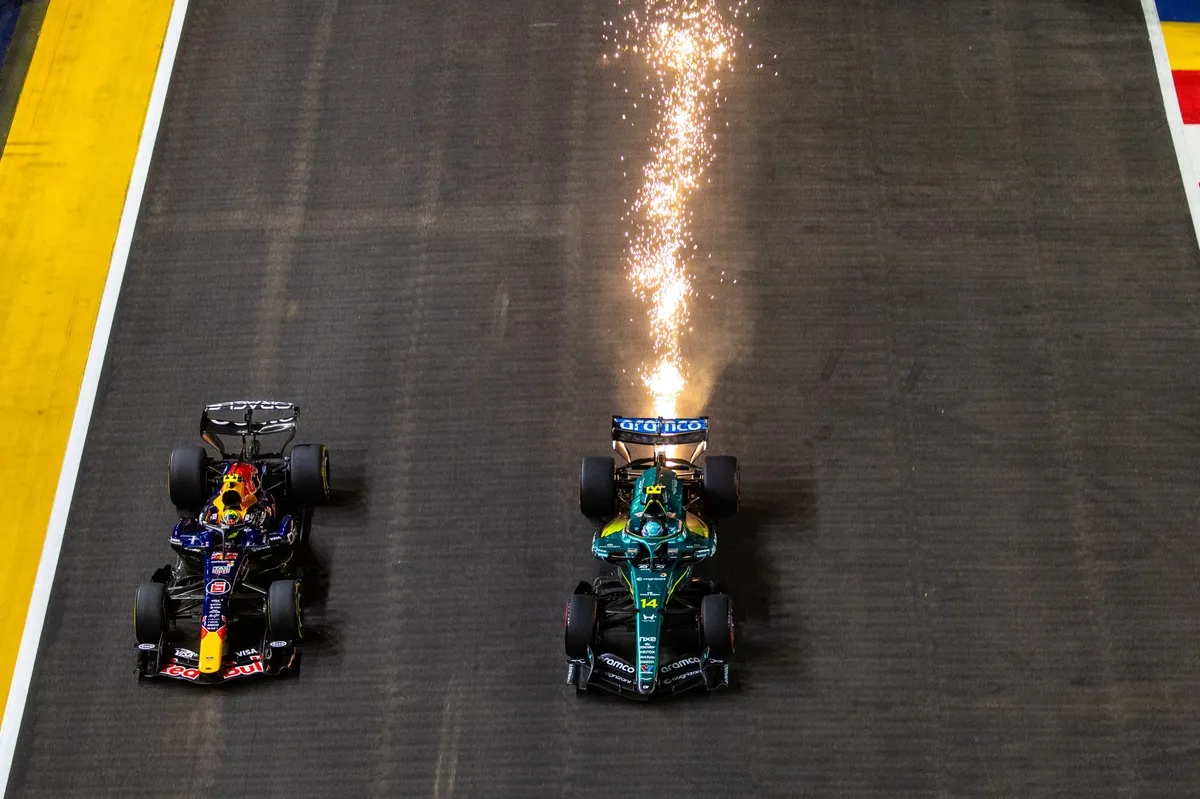
Up until the castle section in Azerbaijan, the revised challenger was performing admirably, aided by weight-saving measures at the rear and the updated power unit. However, the car systematically haemorrhaged lap time through the third sector, pointing directly to energy deployment complications later in the lap.
This peculiar degradation pattern during a single flying lap has shadowed the team's qualifying performances ever since the B-spec car debuted in Hungary last July. A noticeable drop-off in pace towards the end of a lap has stubbornly persisted across various circuit layouts.
The weekend in Baku ultimately culminated in a premature retirement after just 20 laps due to an apparent power unit failure. "I didn't see any alarm, but I started losing a lot on the straight, you know, like 1.5 seconds, so something wrong," he stated after stepping out of the cockpit.
Curiously, subsequent post-race examinations by Honda technicians failed to reveal any physical defects within the hardware. Shintaro Orihara, Honda's chief trackside engineer, noted that initial telemetry readings appeared normal. "At the moment the engine is OK, we don't find any issue on the data, so we need to check carefully on the engine power and also energy management and also maybe GPS trace," he confirmed.
Read Also

Max Verstappen semprot eks pembalap F1 yang kritik aturan 2026 tanpa paham mesin. Baca analisis lengkap dan berita terbaru di sini!

Simak kisah Christian Horner yang dibantu Geri Halliwell menghadapi kebencian fans F1. Baca analisis mendalam selengkapnya di Sportrik!
Simak analisis lengkap penolakan Toto Wolff atas usulan perubahan cost cap F1 dari Williams. Baca detail argumen dan peta kekuatan tim di sini.
 Continue with Google
Discussion (0)
Join the Discussion!
Sign in easily to start commenting, replying, and interacting with other readers.
Latest Comments
No comments yet. Be the first!