








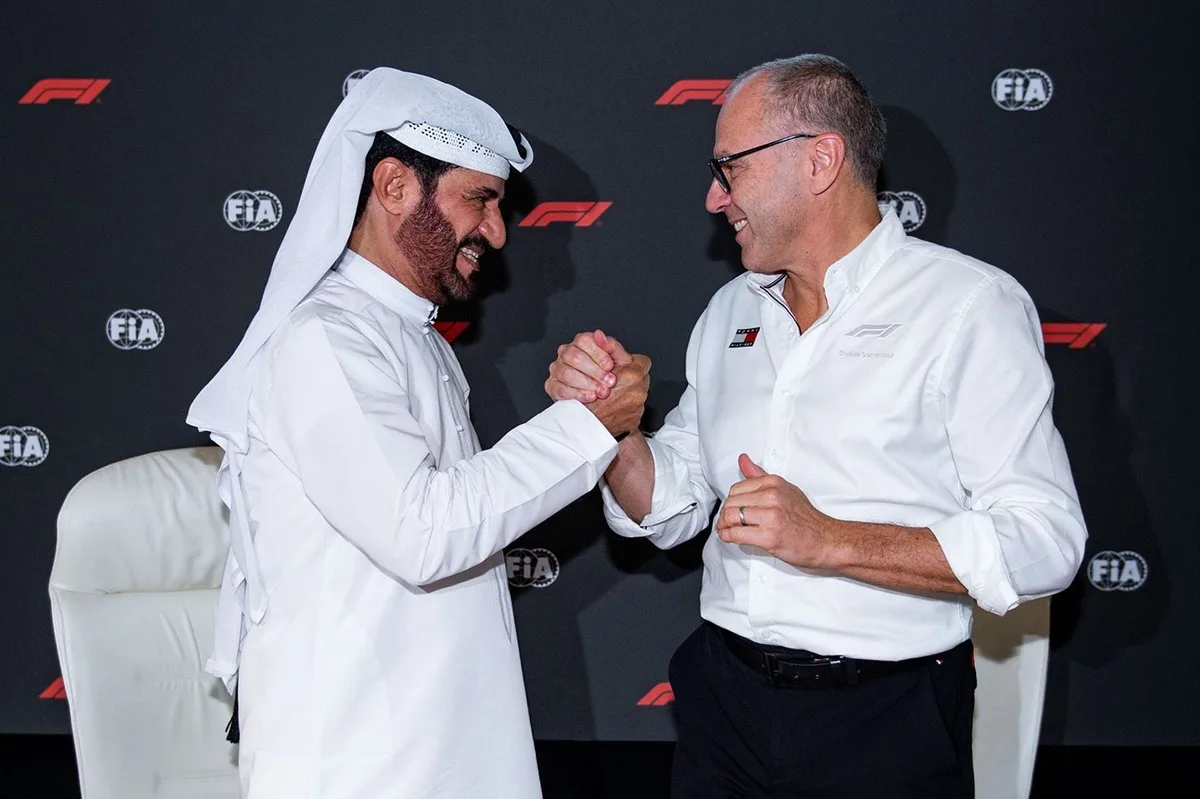
The Formula 1 community was recently caught off guard by a digital incident that ignited widespread speculation among fans and stakeholders. A social media post, which appeared briefly before being swiftly deleted by the FIA, hinted at an agreement regarding the next generation of Formula 1 power units. This incident drew parallels to the papal conclave, where white smoke signaling a successful vote is replaced by black smoke when consensus remains elusive, highlighting the volatility surrounding these technical discussions.
Mohammed Ben Sulayem, the FIA president, has been a vocal proponent of transitioning to a 'purer' V8 engine configuration, moving away from the current turbocharged hybrid V6 units. In the now-deleted post, he explicitly mentioned that the public's desire for high-revving engines had been heard. However, the immediate removal of the content underscores the significant friction persisting among the sport's key decision-makers.
The push to accelerate the engine regulation cycle to 2030 is an ambitious goal that requires collective approval. Stefano Domenicali, overseeing the sport's commercial rights, faces the difficult task of balancing the FIA's technical vision with the commercial realities enshrined in the Concorde Agreement. Aligning competing manufacturers, who have invested heavily in current hybrid technologies, remains a notoriously difficult process that is both tormented and tormenting.
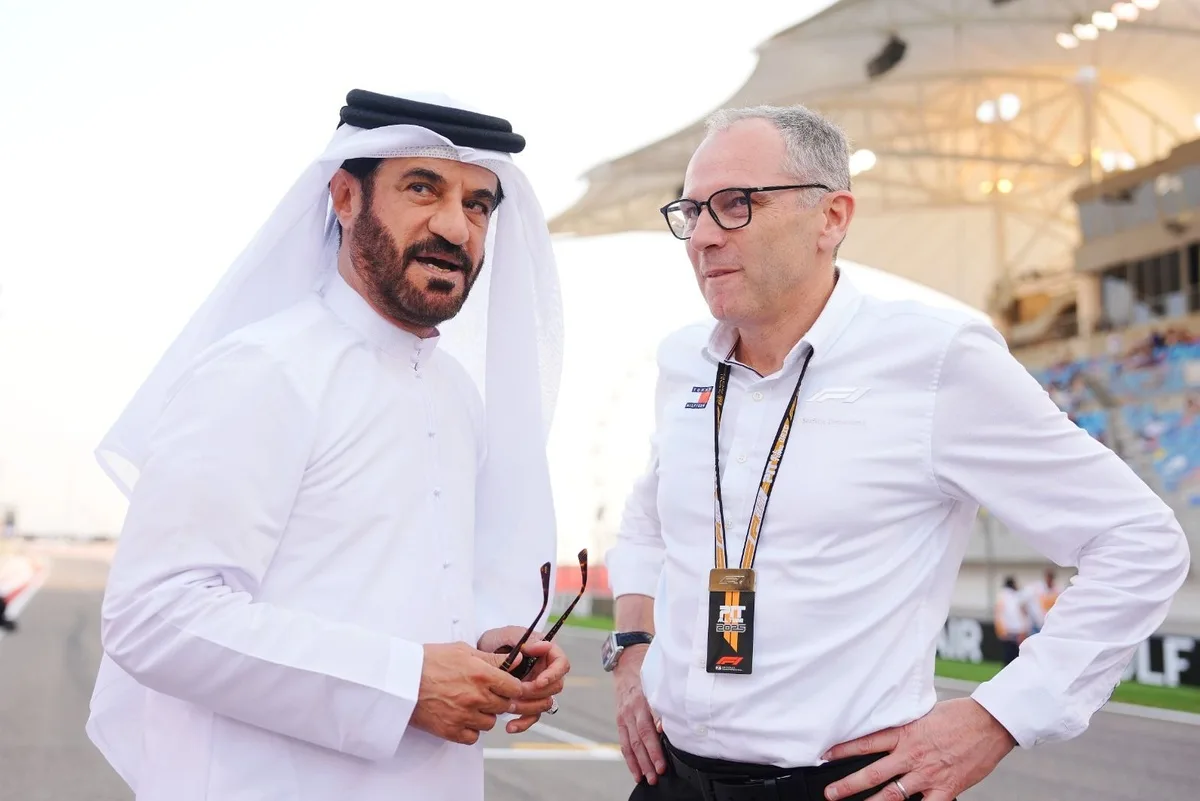
Technically, discussions have revolved around a proposed 2.1-litre turbocharged V8 engine with a reduced electrical element. While reaching this stage has required extensive compromise, the debate between naturally aspirated engines and forced induction continues to divide opinion. Maintaining technological relevance for automotive manufacturers while meeting global efficiency standards remains the primary hurdle for the sport's future roadmap.
This uncertainty emphasizes the inherent complexity of decision-making at the highest level of motorsport. Without a unified consensus between the FIA, teams, and commercial rights holders, any major regulatory shift is prone to communication failures. Fans and industry observers must now wait for further clarity on the direction of power unit development, which will ultimately shape the competitive landscape for years to come.
Read Also
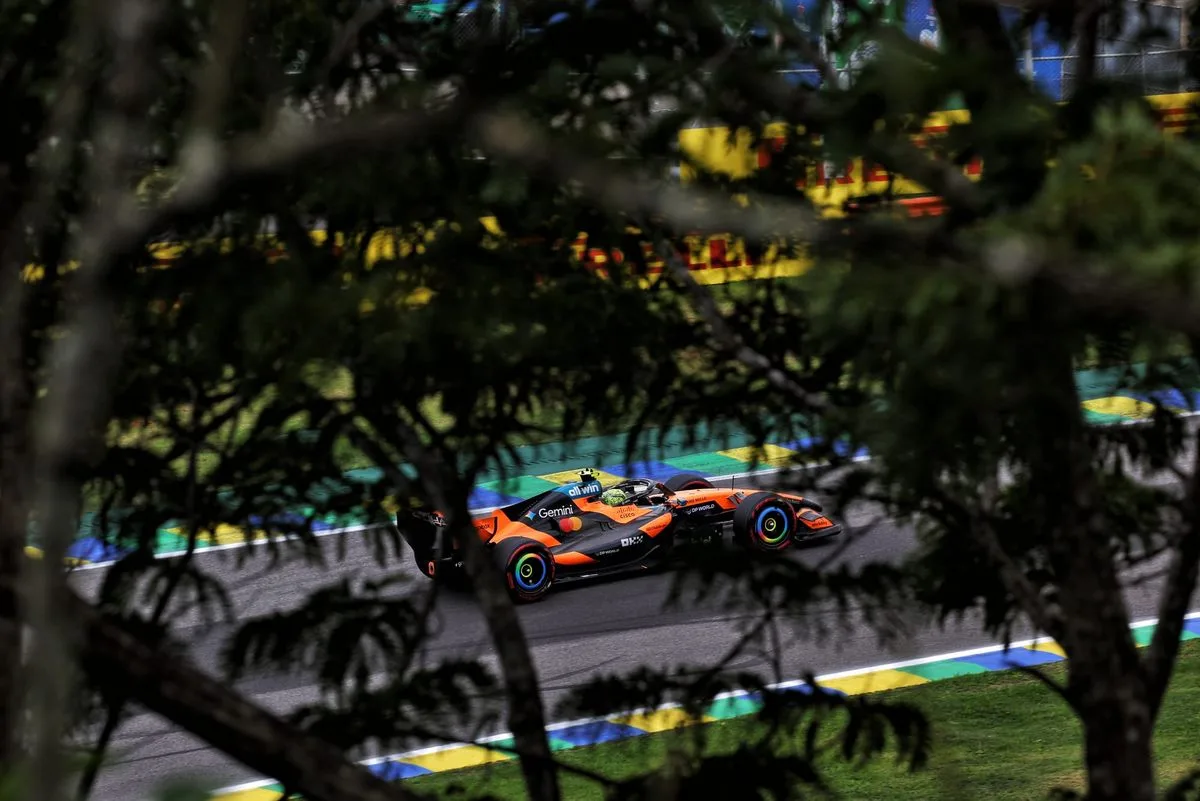
McLaren akan melelang mobil F1 MCL41 sebelum balapan dimulai. Simak analisis lengkap dan detail penawaran eksklusifnya di sini.
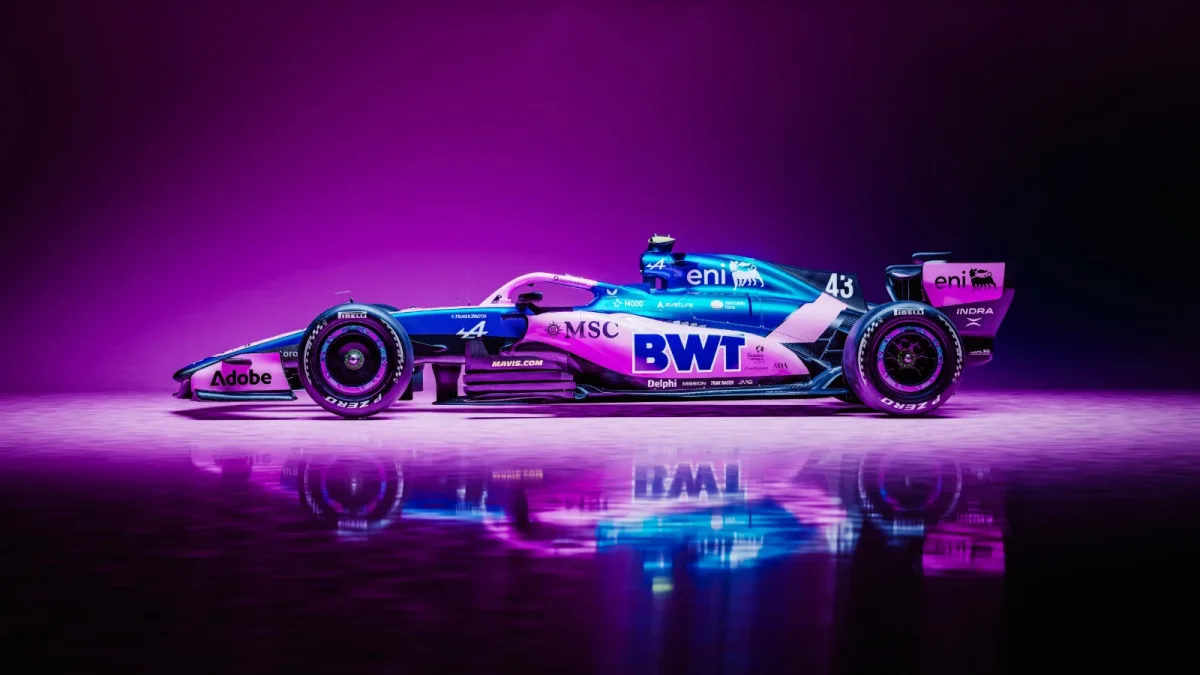
Alpine perkenalkan livery pink baru untuk tiga seri terakhir F1. Simak perjuangan Franco Colapinto dan Pierre Gasly mengejar poin di sini.
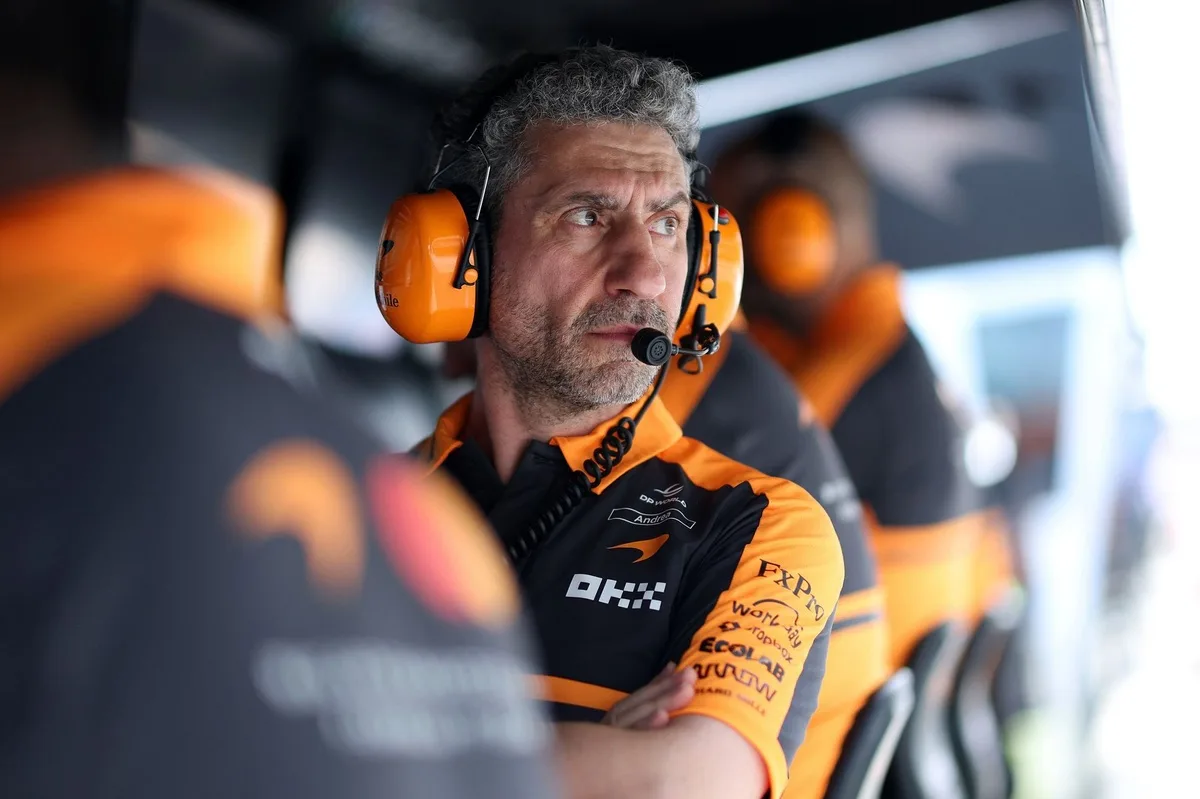
Andrea Stella ungkap penyebab inkonsistensi McLaren di musim 2026. Simak analisis mendalam mengenai kendala pengembangan dan strategi tim di sini.
 Continue with Google
Discussion (0)
Join the Discussion!
Sign in easily to start commenting, replying, and interacting with other readers.
Latest Comments
No comments yet. Be the first!