








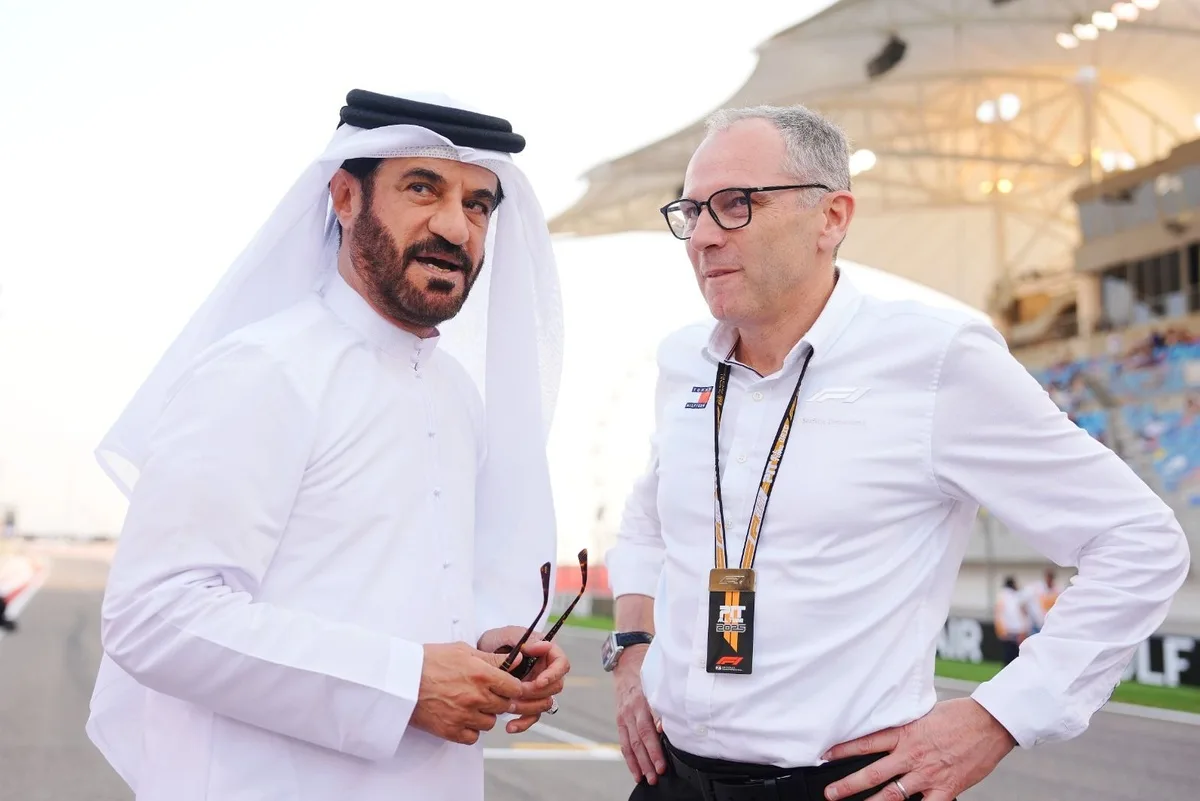
The motorsport world was recently sent into a frenzy following a digital incident that ignited widespread speculation among fans. A post on the official FIA social media channels by President Mohammed Ben Sulayem vanished almost as quickly as it appeared. The post featured an official graphic depicting sound waves accompanied by the unmistakable scream of a high-revving V8 engine, with the caption: "You spoke, we listened. V8s coming soon."
This occurrence created immediate Paddock uproar, akin to the white smoke signaling a papal conclave only to turn black moments later. The deletion of the content strongly suggests a fundamental disagreement between the governing body, teams, and commercial rights holders regarding the future engine regulations. Ben Sulayem has been a vocal proponent of returning to "purer" racing engines, but his push to accelerate the introduction of a new generation by 2030 faces significant bureaucratic and commercial hurdles.
Currently, the turbocharged V6 hybrid concept is locked in until 2031 under the existing Concorde Agreement. While the balance between electrical deployment and internal combustion power is shifting in the coming seasons, altering the core technical architecture requires unanimous support from competing manufacturers. Aligning these parties is notoriously complex and often a tormented process.
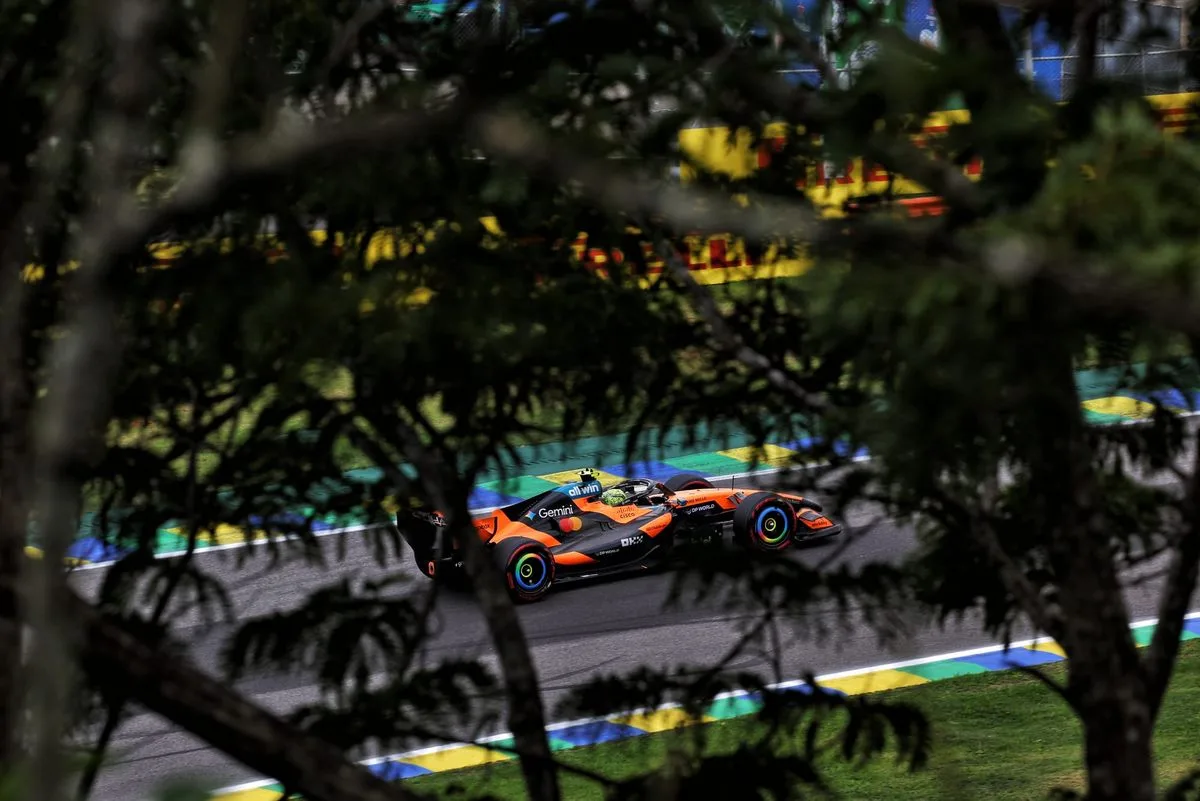
According to various briefings, there was broad agreement on a 2.1-litre turbocharged V8 engine with a smaller electrical element. This technical direction was reached through extensive compromise facilitated by Stefano Domenicali, the CEO of Formula One Group. However, the sudden scrubbing of the announcement from the public record highlights the fragility of these negotiations.
From a technical standpoint, a shift to V8 units would fundamentally alter energy management, tyre degradation, and aerodynamic efficiency calculations. Teams would need to recalibrate their entire approach to downforce and power delivery. As of now, no further official statements have been released regarding the status of these regulations. For now, this uncertainty remains another chapter in the intense political landscape governing world-class motorsport.
Read Also
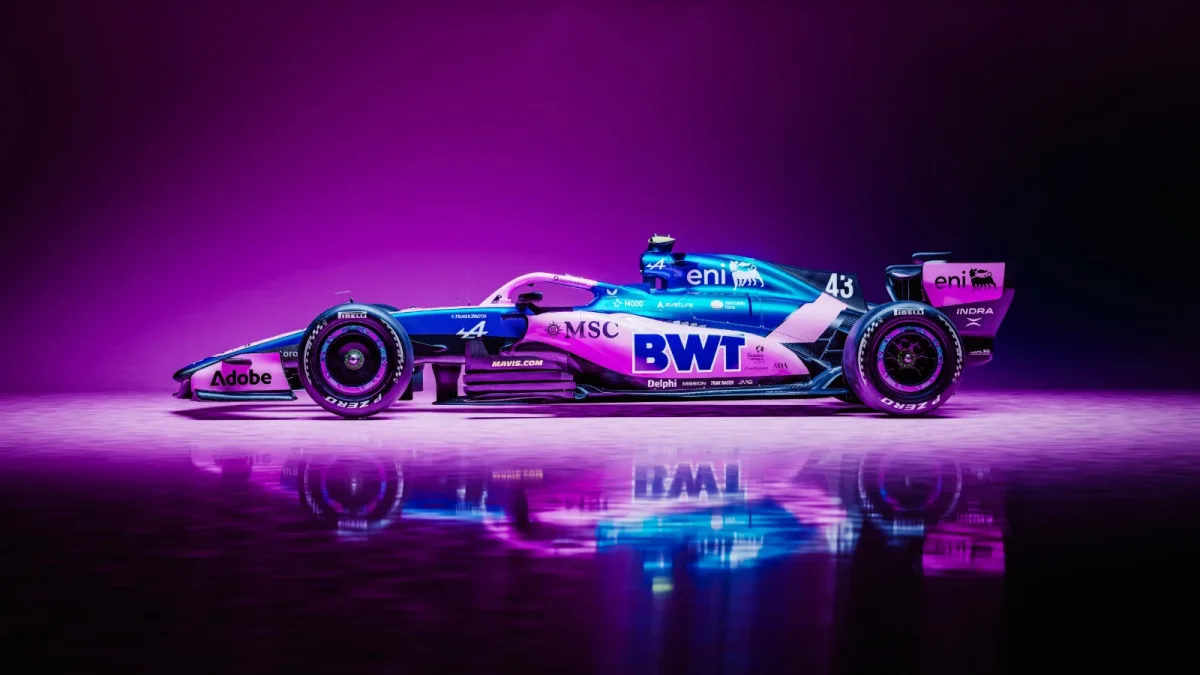
Alpine perkenalkan livery pink baru untuk tiga seri terakhir F1. Simak perjuangan Franco Colapinto dan Pierre Gasly mengejar poin di sini.
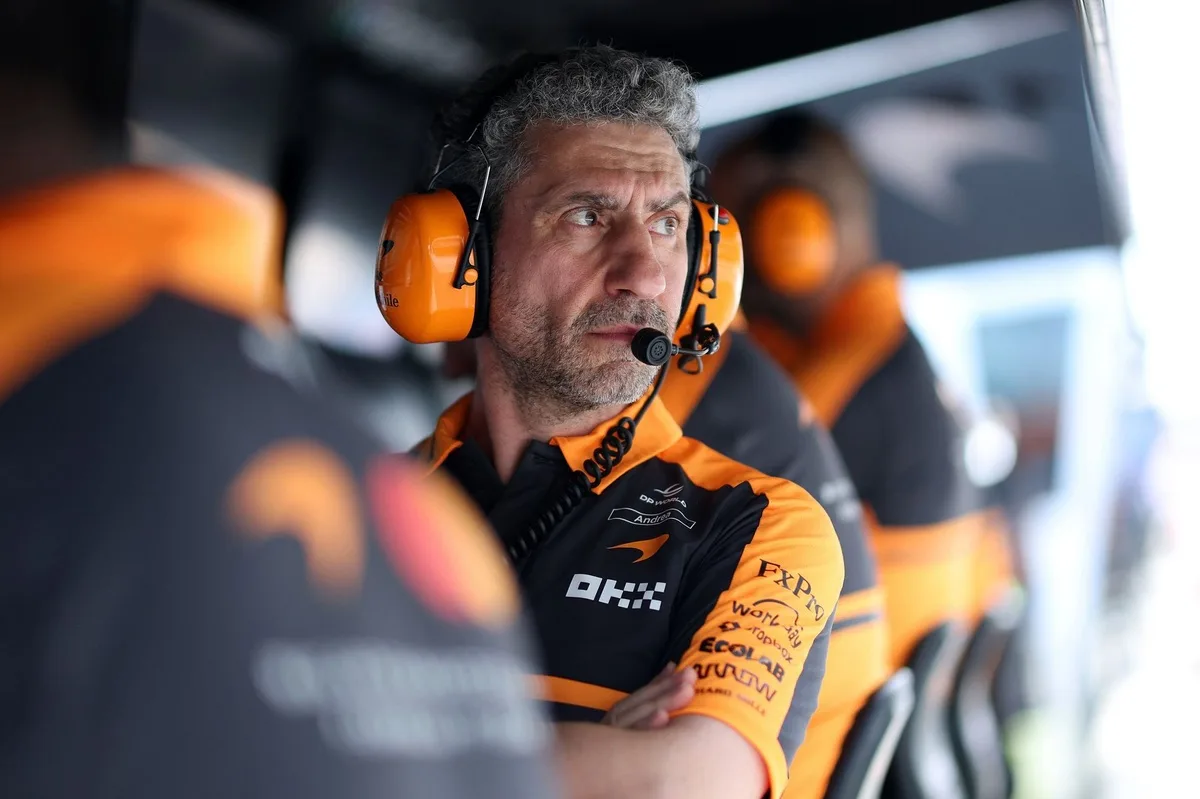
Andrea Stella ungkap penyebab inkonsistensi McLaren di musim 2026. Simak analisis mendalam mengenai kendala pengembangan dan strategi tim di sini.
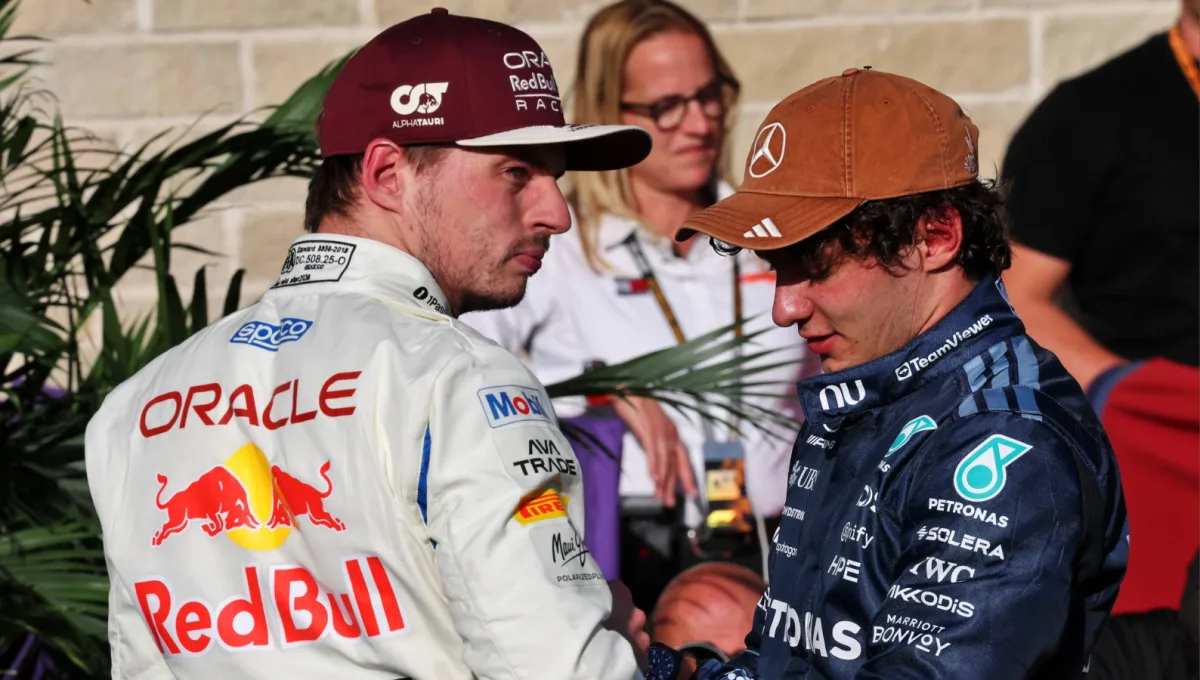
Max Verstappen angkat bicara soal masa depannya di F1 usai Kimi Antonelli raih gelar juara dunia. Simak analisis lengkap mengenai motivasi sang pembalap di sini.
 Continue with Google
Discussion (0)
Join the Discussion!
Sign in easily to start commenting, replying, and interacting with other readers.
Latest Comments
No comments yet. Be the first!