







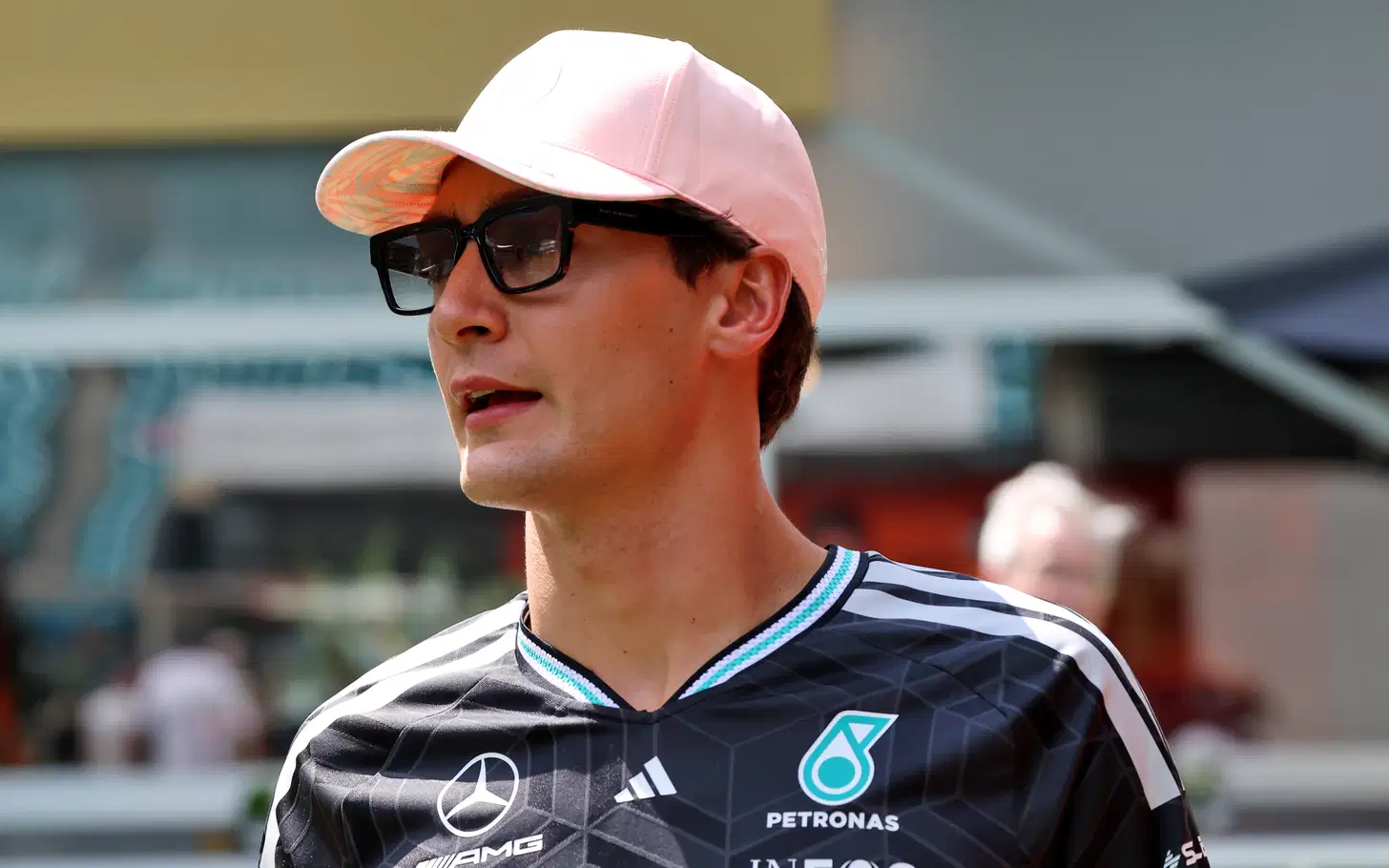

George Russell has voiced firm support for the recently introduced Formula 1 2026 regulation revisions, asserting that the primary concerns raised during the opening rounds have now been effectively addressed by the FIA. The updated measures are set to be implemented at the Miami Grand Prix, following detailed evaluation of the new-generation power unit behaviour.
The transition into the 2026 regulatory era triggered widespread scrutiny over power unit characteristics, particularly regarding energy deployment and closing speed differentials between cars. These concerns materialised during the Japanese Grand Prix when Oliver Bearman suffered a heavy crash after misjudging the rapid closing speed while running behind Franco Colapinto, highlighting the risks associated with the initial configuration.
According to Russell, the revised regulations have eliminated several critical issues, including the need for lift-and-coast during qualifying laps and the sharp loss of speed at the end of straights. The adjustments are also designed to reduce extreme closing speed variations during overtaking, which had been identified as a potential safety hazard.
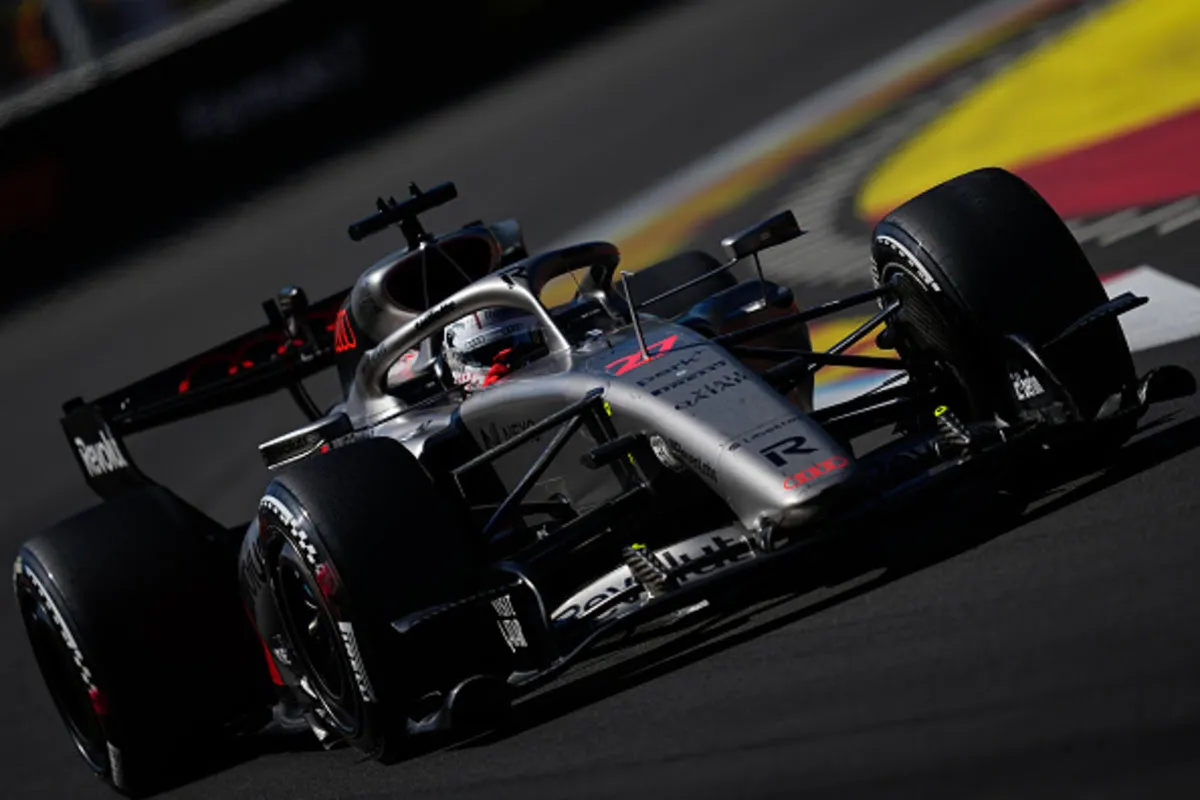
The Mercedes driver emphasised that the objective behind regulatory changes must be clearly defined, whether to maximise single-lap performance, enhance safety, or stabilise car behaviour. In this context, he believes the FIA has successfully aligned its response with the drivers’ feedback through targeted technical refinements.
An earlier proposal to address the concerns involved reducing battery deployment from 350kW to 200kW during races. However, this concept was ultimately dismissed, with Russell openly criticising the idea as it would significantly dilute Formula 1’s performance identity and bring it closer to junior categories such as Formula 2.
The regulatory revisions underline the importance of optimising the integration between the internal combustion engine and hybrid systems without compromising the core technical DNA of Formula 1. By removing key anomalies, teams are now expected to operate within a more consistent and predictable performance framework.
Despite the progress, Russell acknowledged that not all stakeholders will be fully satisfied, particularly those further down the competitive order. Nonetheless, he stressed that the FIA has acted decisively on the main issues raised by drivers and delivered changes that reflect the sport’s immediate technical priorities.
The Miami Grand Prix will serve as the first real-world test of these updated regulations, providing critical insight into whether the balance between performance, safety, and racing quality has been successfully achieved as the 2026 season progresses.
Read Also
Romain Grosjean apologizes to McLaren and Zak Brown after misunderstanding comments about Oscar Piastri and Lando Norris at the Spanish Grand Prix.
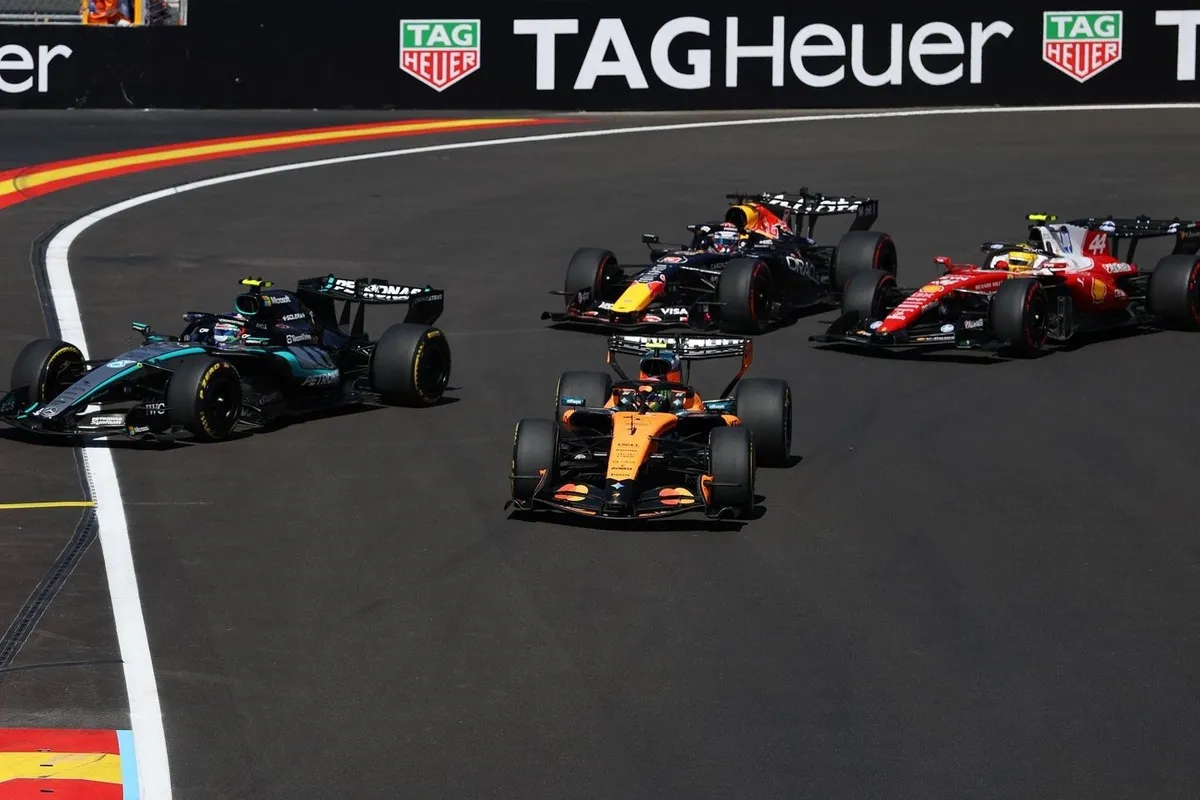
Max Verstappen reveals first-lap incident with Lewis Hamilton nearly ended his Spanish GP. He finished second and highlighted lack of pace to fight for the win.
Arvid Lindblad finished P9 at the Madring GP, scoring two points for Racing Bulls. Yuki Tsunoda missed out after a Turn 1 collision. Read our analysis.
 Continue with Google
Discussion (0)
Join the Discussion!
Sign in easily to start commenting, replying, and interacting with other readers.
Latest Comments
No comments yet. Be the first!