







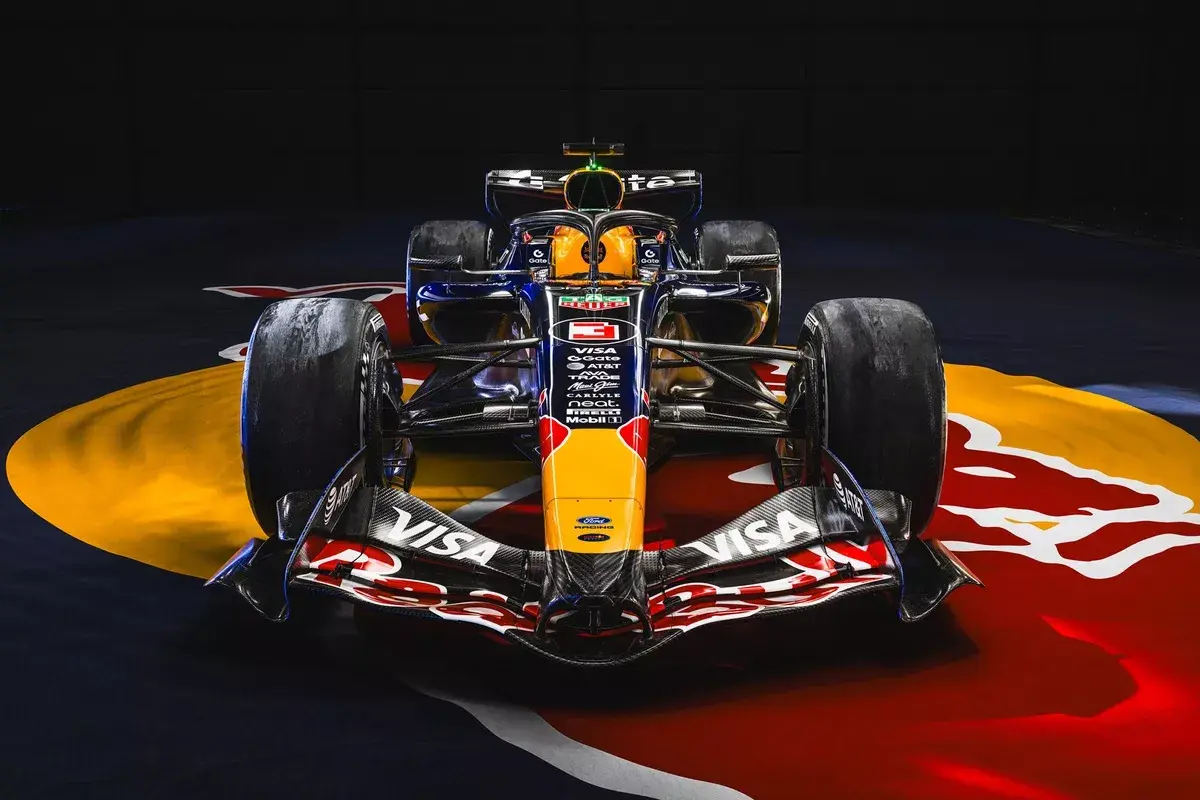

Red Bull Racing is adamant that its 2026 Formula 1 power unit complies fully with FIA regulations, despite acknowledging that the design operates “right on the very limit” of what the rules allow.
The confidence comes from Red Bull Powertrains director Ben Hodgkinson, following growing scrutiny over the compression ratio of the new internal combustion engine developed in partnership with Ford. Hodgkinson dismissed the controversy as overblown noise ahead of the new regulations coming into force.
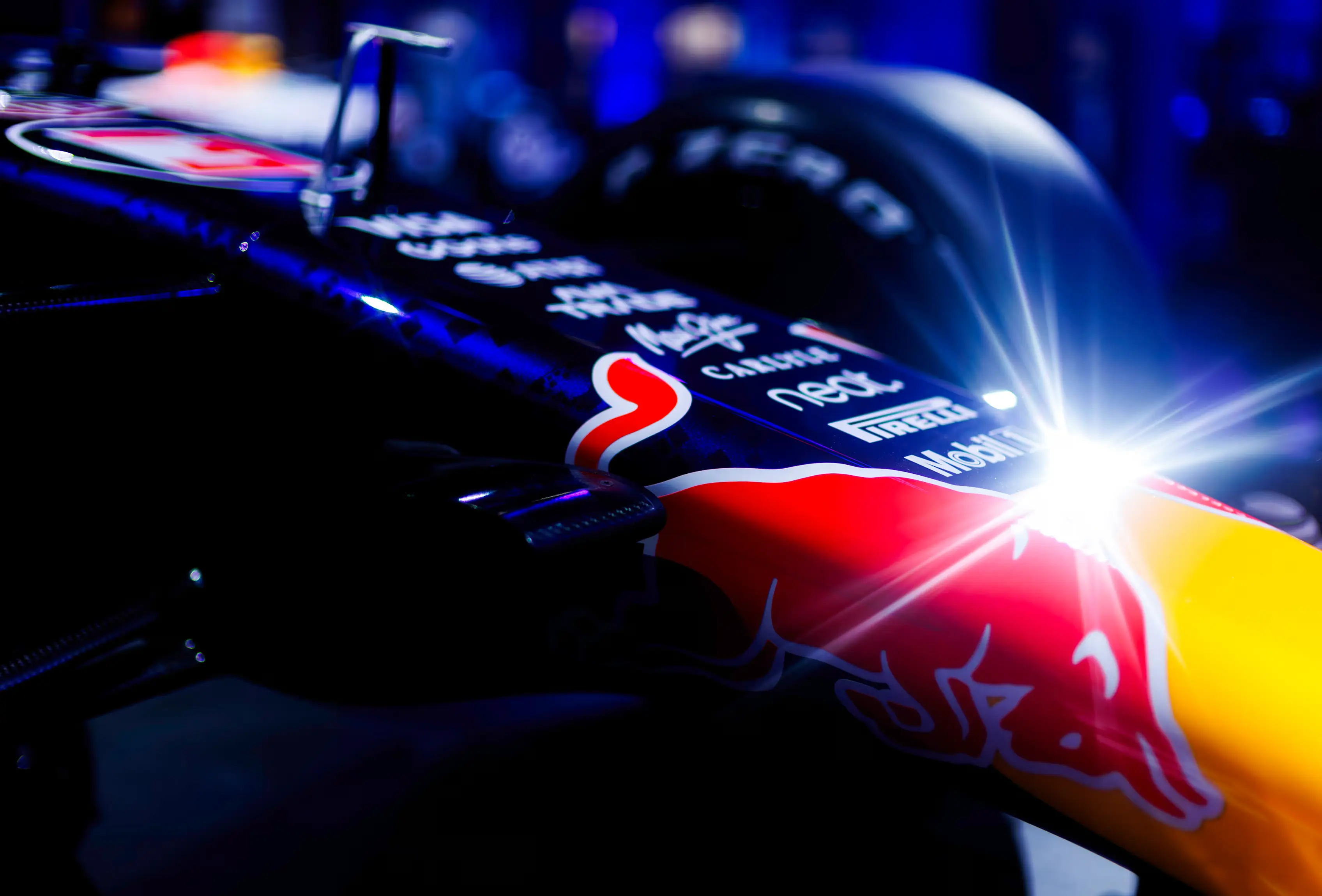
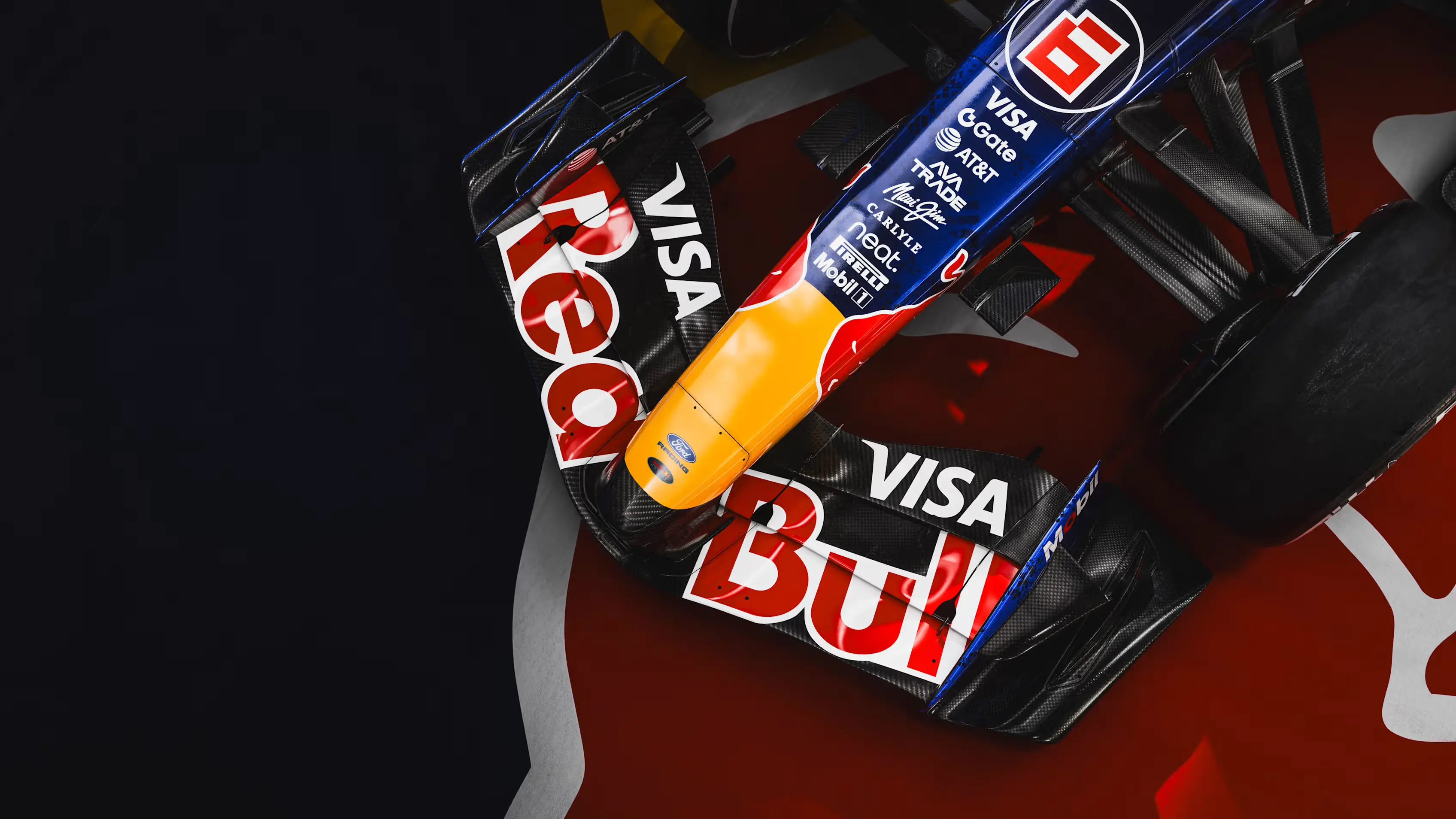
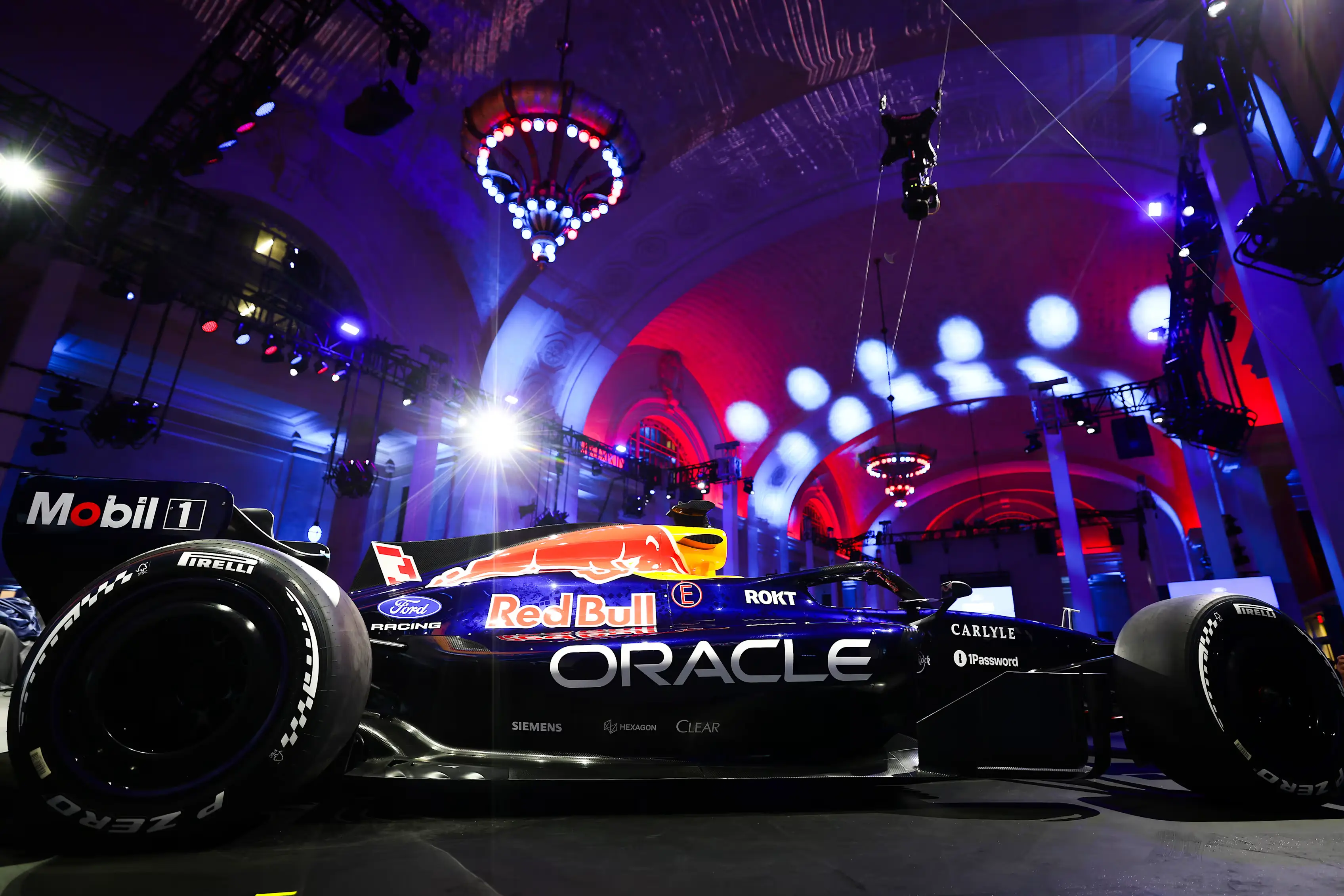
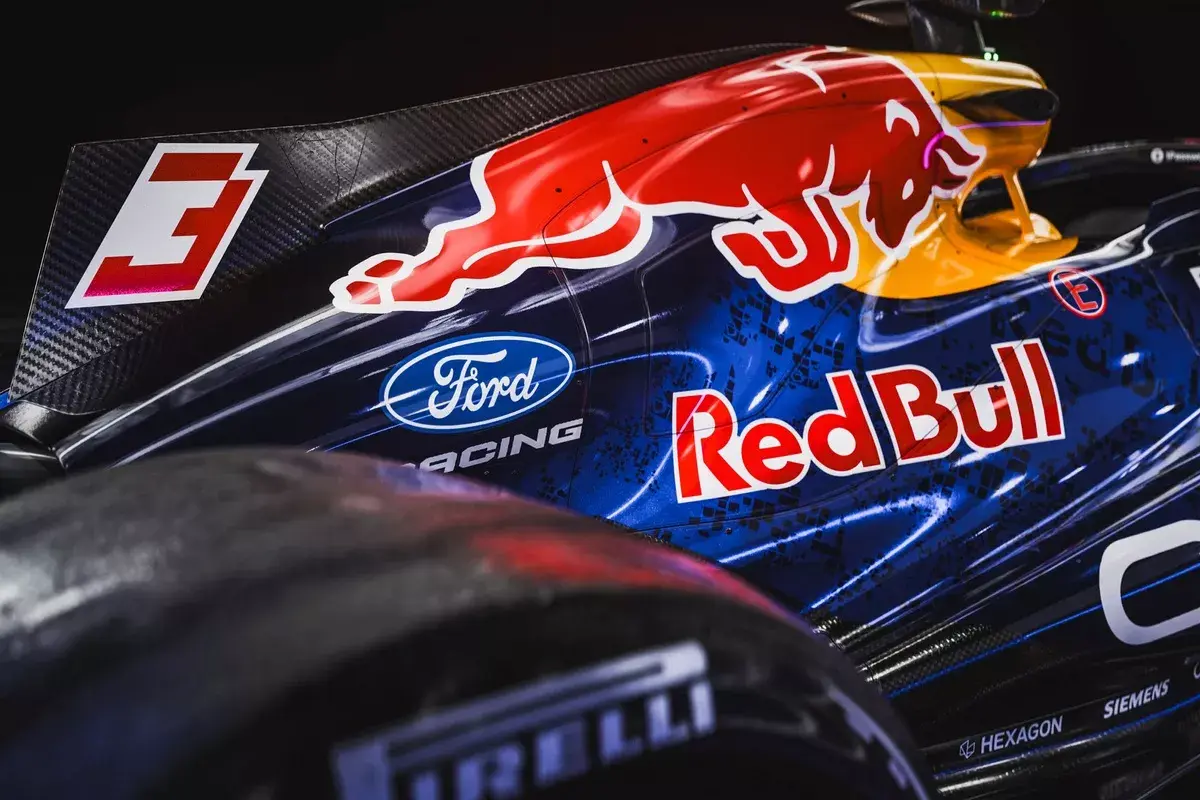
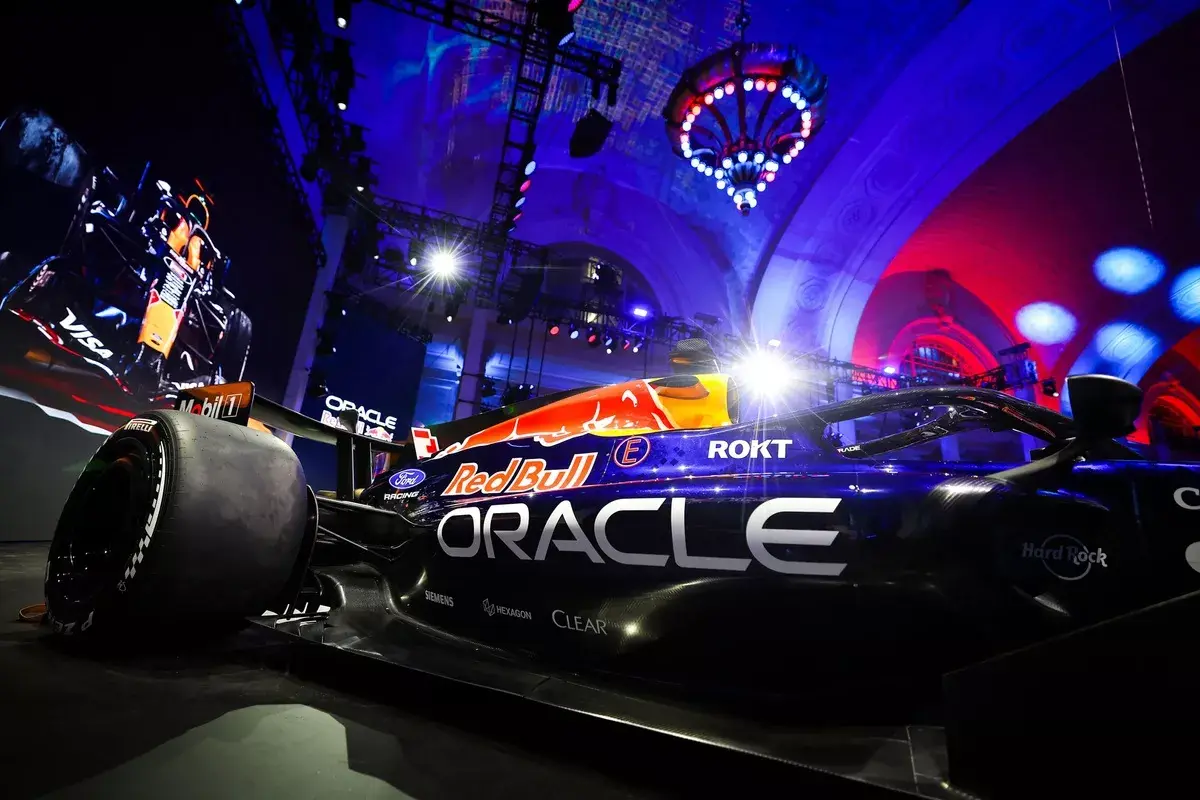
Red Bull’s season launch in Detroit formally marked the public start of the Ford partnership, although development of the power unit has been ongoing for nearly four years at the Red Bull Powertrains campus in Milton Keynes. The scale of the challenge has raised questions across the paddock about how competitive a newcomer can be from the outset, particularly given the significantly increased role of electrical power and the relative lack of Formula 1-specific experience for both Red Bull and Ford in this area.
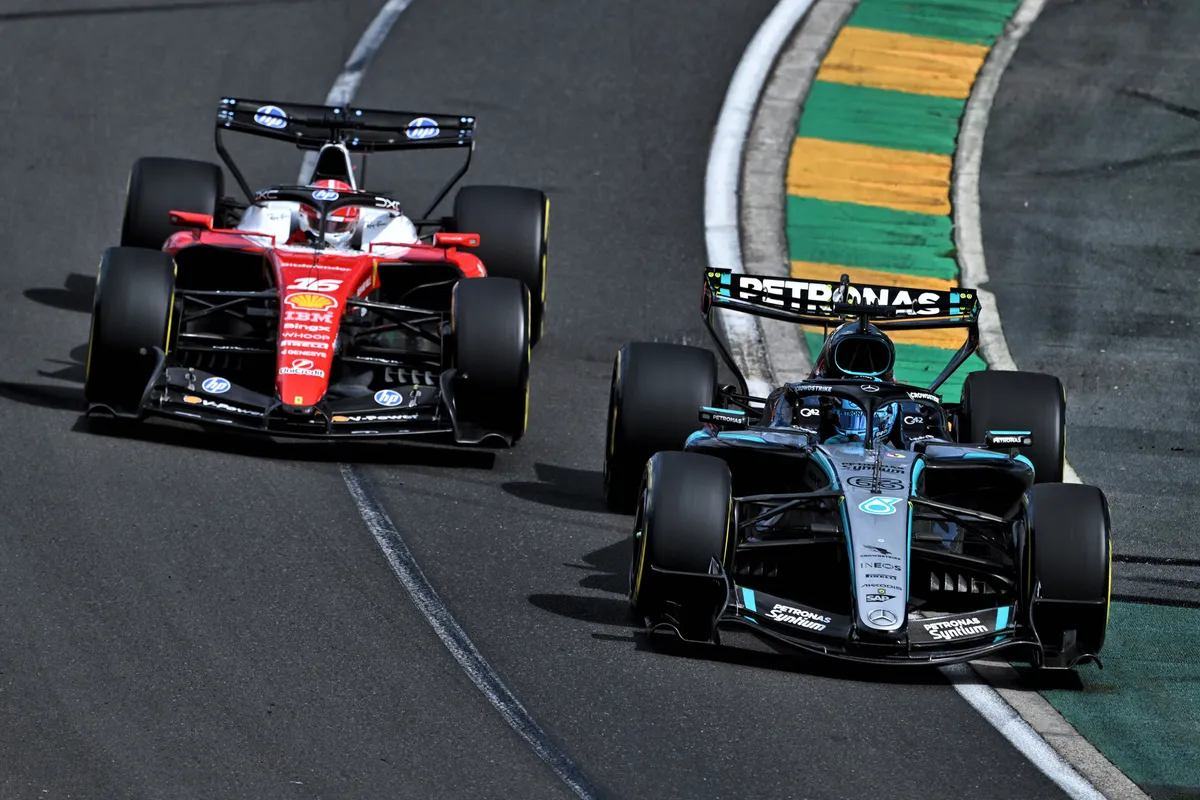
In the build-up to winter testing in Barcelona, attention has focused less on the hybrid systems and more on the internal combustion engine, specifically the compression ratio. Under the previous regulations, the ratio was set at 18:1, but for 2026 it has been reduced to 16:1, partly to make the rules more accessible to new manufacturers.
Concerns have emerged among rival power unit suppliers that while engines from Mercedes and Red Bull Powertrains comply with the 16:1 limit during static checks at ambient temperature — currently the only official FIA verification method — they could potentially operate at higher effective ratios when running at elevated temperatures.
As a result, Audi, Ferrari, and Honda jointly raised the issue with the FIA. The matter is scheduled to be discussed at a technical meeting on 22 January, alongside other topics related to the 2026 aerodynamic and power unit regulations.
Speaking to a select group of media, including Motorsport.com, Hodgkinson made it clear that Red Bull has no concerns about the legality of its approach.
“I think there’s some nervousness from various power unit manufacturers that there might be some clever engineering going on in some teams,” Hodgkinson said.
“I’m not quite sure how much of it to listen to, to be honest. I’ve been doing this a very long time and it’s almost just noise.”
Hodgkinson stressed that Red Bull’s focus remains firmly on its own programme rather than external speculation.
“I know what we’re doing, and I’m confident that what we’re doing is legal,” he continued.
“Of course, we’ve taken it right to the very limit of what the regulations allow. I’d be surprised if everyone hasn’t done that.”
He also downplayed the likelihood of the controversy leading to significant changes in how manufacturers approach the compression ratio.
“My honest feeling is that it’s a lot of noise about nothing,” Hodgkinson said.
“I expect everyone’s going to be sitting at 16. That’s what I really expect.”
At the heart of the dispute is differing interpretation of the technical regulations. Article C5.4.3 states that compression ratio checks are carried out only when the engine is stationary and at ambient temperature, a clause Red Bull and Mercedes reference in support of their position. Rivals, however, point to Article C1.5, which stipulates that Formula 1 cars must comply with the regulations “at all times during a competition,” arguing that the 16:1 limit should also apply under operating conditions.
From a purely technical standpoint, Hodgkinson remains unconvinced that the compression ratio restriction is appropriate at all.
“From a purely technical point of view, the compression ratio limit is too low,” he explained.
“We have the technology to make the combustion fast enough, so the compression ratio is way too low.”
According to Hodgkinson, each incremental increase in compression ratio brings tangible performance gains, making the limit a significant performance lever.
“There’s performance in every tenth of a ratio that you can get,” he said.
“Every manufacturer should really be aiming at 15.999 as far as they dare when it’s measured.”
As Formula 1 edges closer to its most transformative regulatory overhaul in decades, the compression ratio debate highlights the competitive tension already building among manufacturers. For Red Bull, confidence in the legality of its design — and its willingness to operate at the edge of the rulebook — signals clear intent to be immediately competitive as its in-house power unit project enters the championship arena.
Read Also

James Vowles praises Madrid's inaugural F1 event but highlights overtaking issues and Williams' struggles. Read his full analysis.
Australian GP CEO Travis Auld defends 2027 F1 ticket price hikes. GA passes rise over 10% to $425. Find out his reasoning and the new membership perks.

George Russell loses points to Antonelli at F1 Spanish GP. Despite potential title defeat, he can take valuable lessons to rebound.
 Continue with Google
Discussion (0)
Join the Discussion!
Sign in easily to start commenting, replying, and interacting with other readers.
Latest Comments
No comments yet. Be the first!