







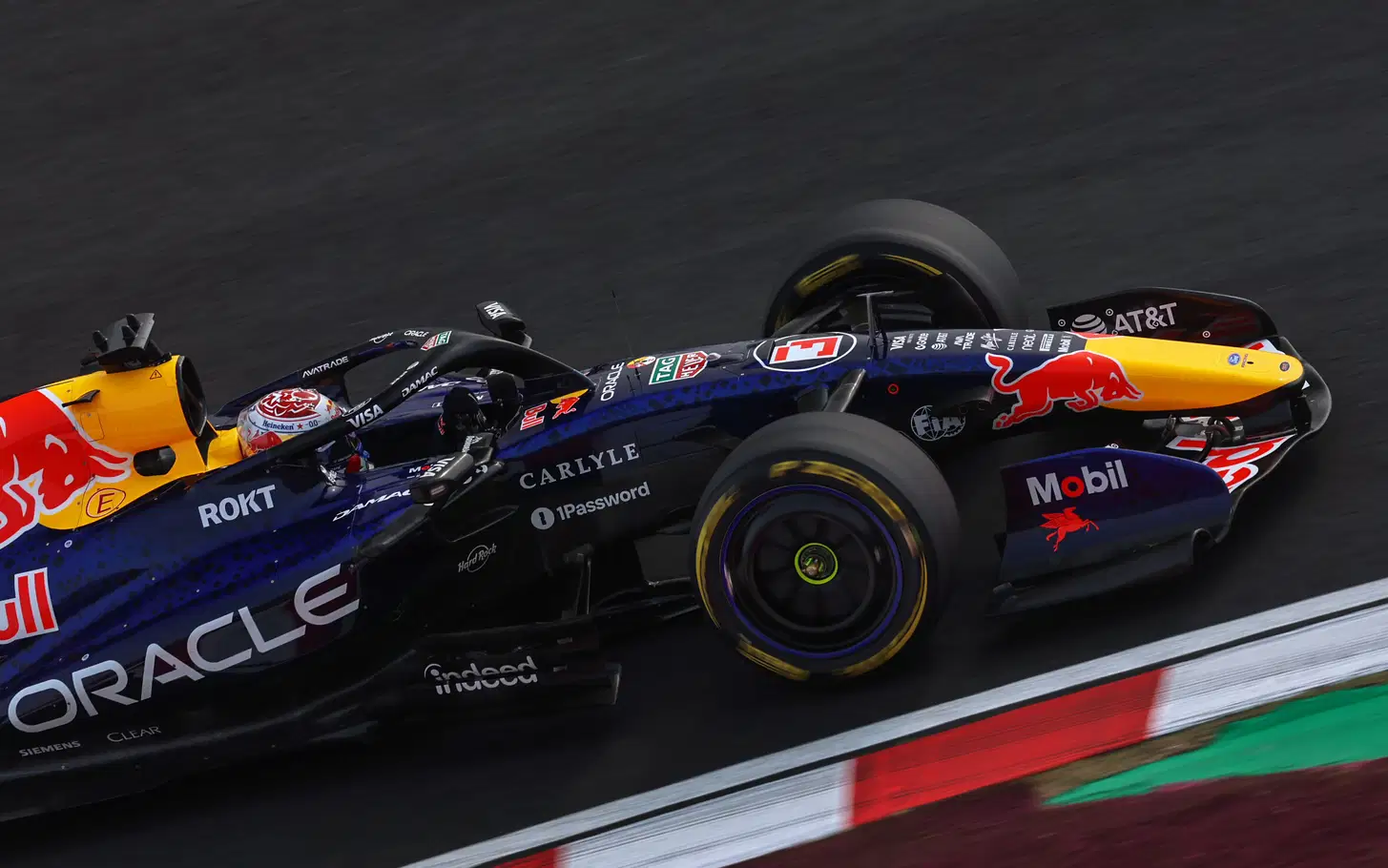

Red Bull Racing arrives at the Formula 1 Miami Grand Prix 2026 under significant pressure after internal feedback revealed the car had, at times, become extremely difficult to drive during the opening phase of the season. The Milton Keynes-based outfit is introducing a substantial upgrade package in an effort to stabilise performance and re-enter the competitive fight.
Early-season analysis indicates that the core issue was not isolated to a single subsystem, but rather a complex interaction between aerodynamic balance, mechanical grip, and overall vehicle dynamics. These deficiencies affected driver confidence, particularly during corner entry and traction phases, where instability translated into inconsistent lap-time performance.
Lead driver Max Verstappen has yet to secure a podium finish in the first three rounds, highlighting the scale of Red Bull’s performance deficit relative to front-running teams such as Mercedes, Ferrari, and McLaren. As a result, the team currently finds itself fourth in the competitive order, a notable shift from its previous dominance.
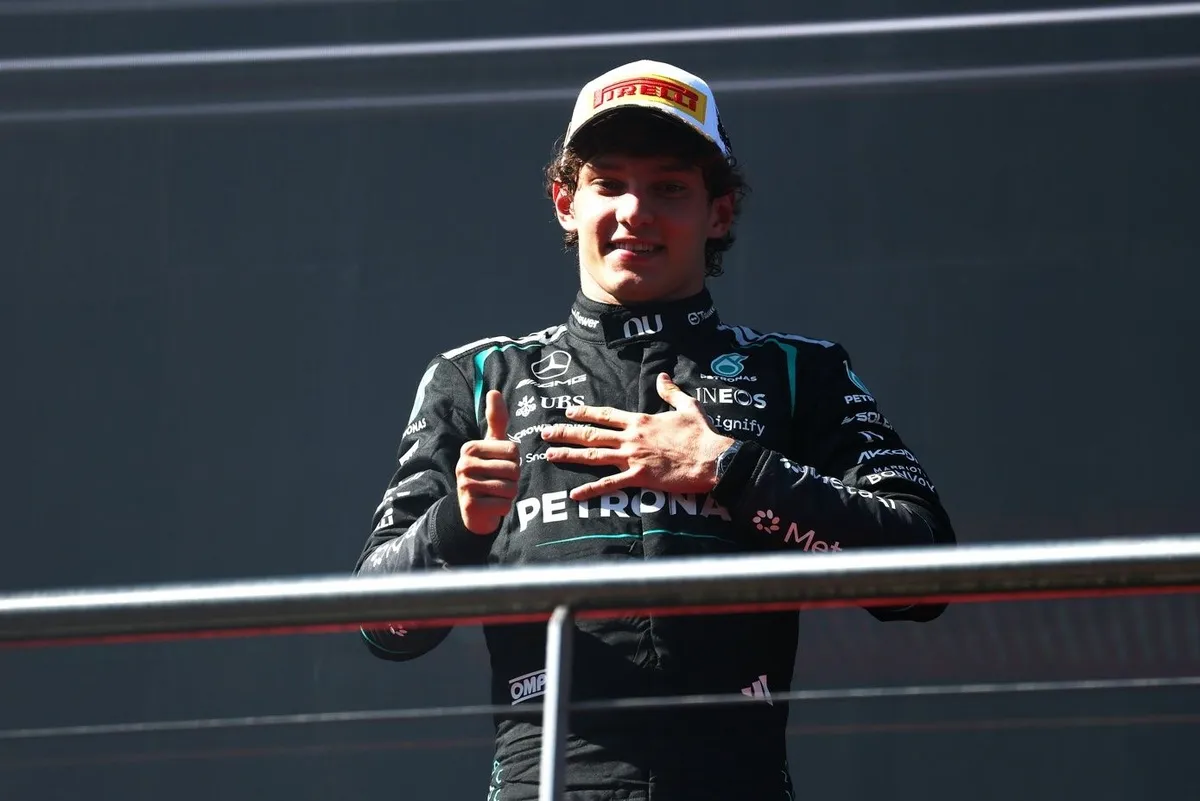
Simulator work has played a central role in preparing the Miami upgrade package, with Sébastien Buemi conducting extensive virtual testing ahead of the race weekend. Initial feedback suggests that the new components deliver a measurable improvement, although their relative effectiveness will only be confirmed once compared against rival developments on track.
From a technical standpoint, the upgrade package is understood to include aerodynamic refinements aimed at improving airflow stability, alongside setup adjustments designed to enhance overall balance. In parallel, Red Bull continues to develop its in-house power unit, marking its first full-scale engine programme in Formula 1, which remains an area requiring further optimisation.
The process of resolving the car’s drivability issues has required a structured approach, beginning with identifying root causes before implementing corrective solutions. This has involved correlating simulator data with real-world performance metrics to ensure that development direction aligns with on-track behaviour.
Given the tightening competitive landscape, the effectiveness of these upgrades in Miami will be critical in determining whether Red Bull can close the gap to its rivals. A marginal gain may not be sufficient if competing teams have made larger performance steps over the same development window.
The Miami Grand Prix therefore represents a key evaluation point for Red Bull, not only to assess the immediate impact of its upgrade package but also to define its technical trajectory for the upcoming rounds in the 2026 Formula 1 season.
Read Also
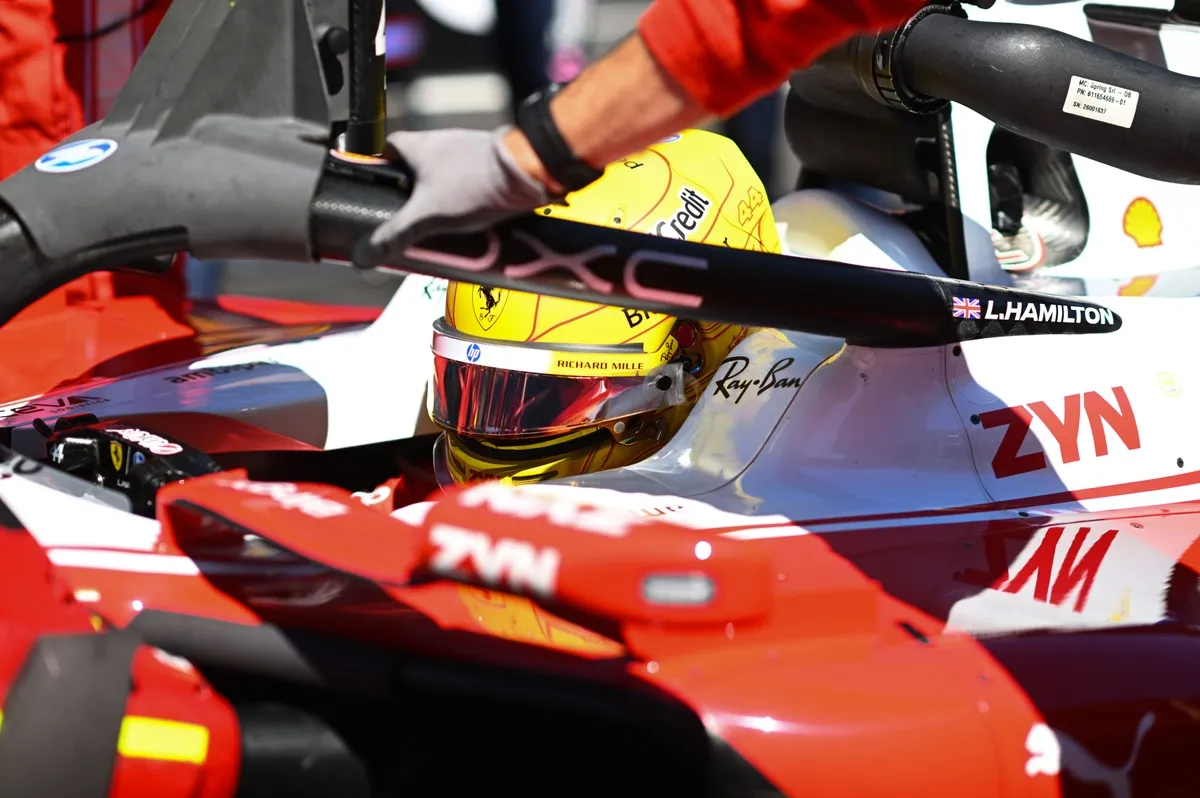
Lewis Hamilton suffered a brake failure at the Spanish GP, forcing Ferrari to retire him. Read the details and Vasseur's comments.
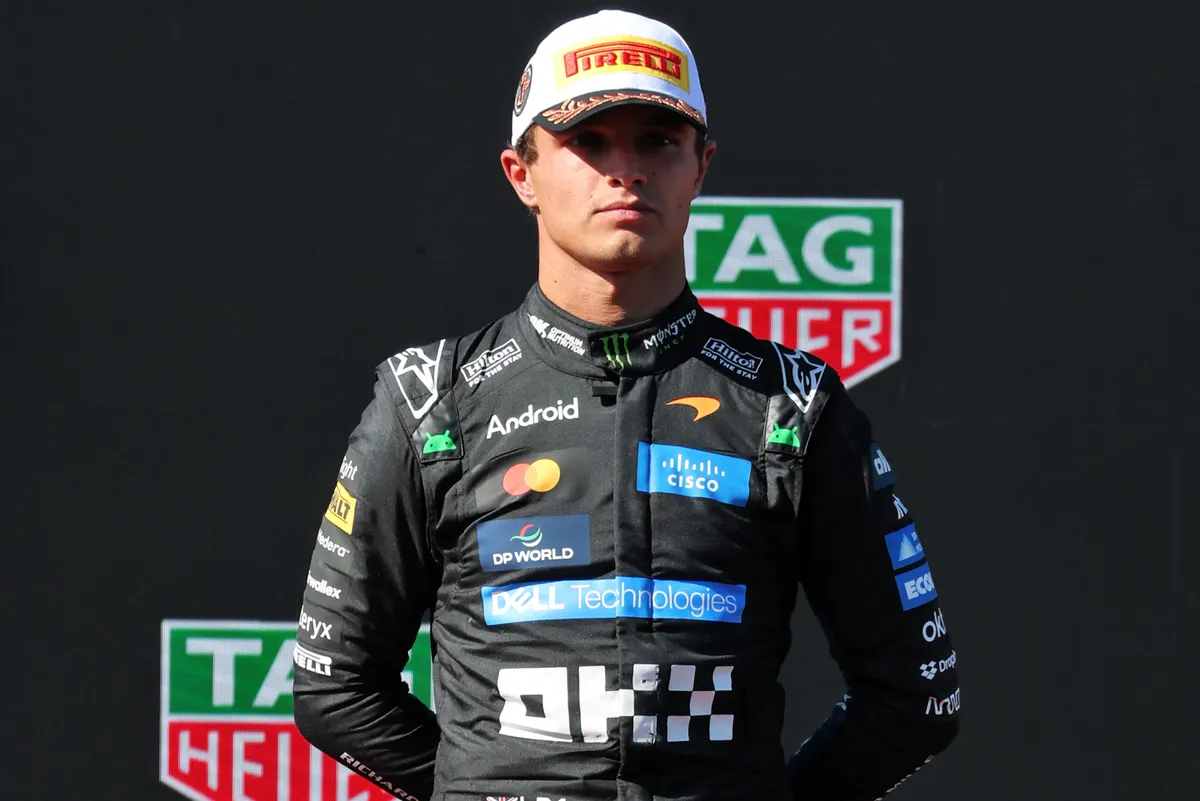
Lando Norris left frustrated after losing Spanish GP victory due to controversial VSC timing. Read the full analysis and reactions from McLaren.

Lando Norris will test McLaren's MCL-HY hypercar at Portimao before the Azerbaijan GP. Read about McLaren's WEC 2027 and Le Mans preparations.
 Continue with Google
Discussion (0)
Join the Discussion!
Sign in easily to start commenting, replying, and interacting with other readers.
Latest Comments
No comments yet. Be the first!