








Formula 1, Sportrik Media - Red Bull has revealed the critical mistake that left both Max Verstappen and Isack Hadjar starting the 2026 Australian Grand Prix with no battery energy available. The issue significantly affected the team’s performance at the start of the race at Albert Park in Melbourne.
Under the new 2026 Formula 1 power unit regulations, the management of electrical energy—both harvesting and deployment—plays a crucial role in extracting performance. Drivers rely on optimal battery charge levels to deliver maximum acceleration, particularly at the race start.
Hadjar began the race as the leading Red Bull driver in third place on the grid. However, he quickly dropped positions during the opening lap, falling behind Arvid Lindblad and Ferrari driver Lewis Hamilton.
Although Verstappen managed to make progress from the back of the grid, both Red Bull drivers were heavily limited by the lack of available battery energy during the opening phase of the race.
Red Bull team principal Laurent Mekies acknowledged that the situation was the result of a miscalculation by the team regarding energy management during the formation lap.
“We thought it would be more fun — we were just not sure if we should tell them or not,” Mekies joked to media, including RacingNews365.
“But unfortunately it’s true, they both started the race with no battery.”
Mekies explained that the problem originated from the way the battery was charged and discharged during the formation lap, where drivers must perform repeated acceleration and braking to prepare the car systems.
“It’s our responsibility to avoid being in that situation,” Mekies said.
“We were caught out by some limitations in the way you can charge and discharge the battery during the formation lap.”
He added that the procedures used to warm the tyres and brakes ultimately consumed more battery energy than expected.
“With the unusual behaviour drivers need on the formation lap — accelerating, braking, accelerating, braking — to warm the tyres and brakes, we ended up in a situation where we could not reach the correct state of charge for the race start.”
As a result, both drivers had to rebuild battery charge during the opening lap, which significantly reduced their performance at the start of the race.
“We had to build up the battery level during the first lap, which obviously was not enjoyable,” Mekies concluded.
The incident highlights the complexity of energy management under the new 2026 Formula 1 regulations, with teams continuing to adapt to the technical demands introduced by the latest generation of power units.
Read Also
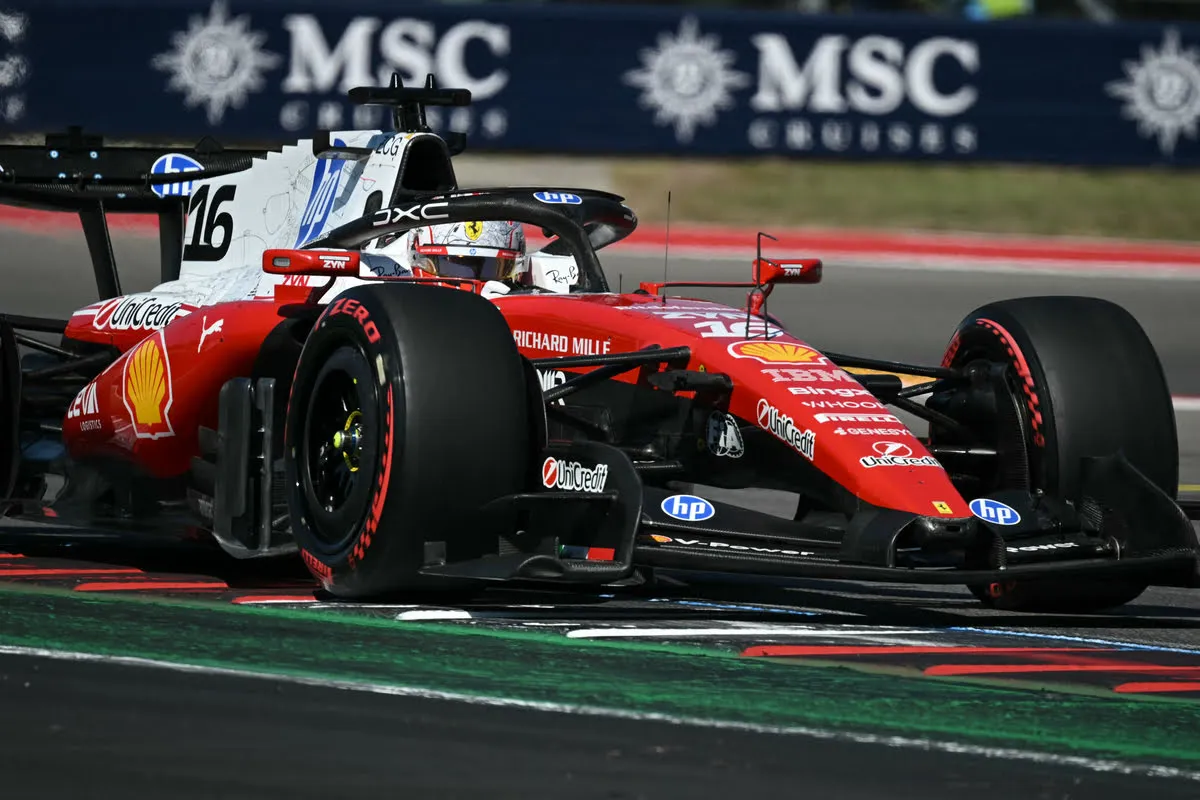
Simak analisis telemetri F1 GP Amerika Serikat 2026, keunggulan aerodinamika Ferrari SF-26, dan dominasi Max Verstappen di Austin. Baca selengkapnya di sini!
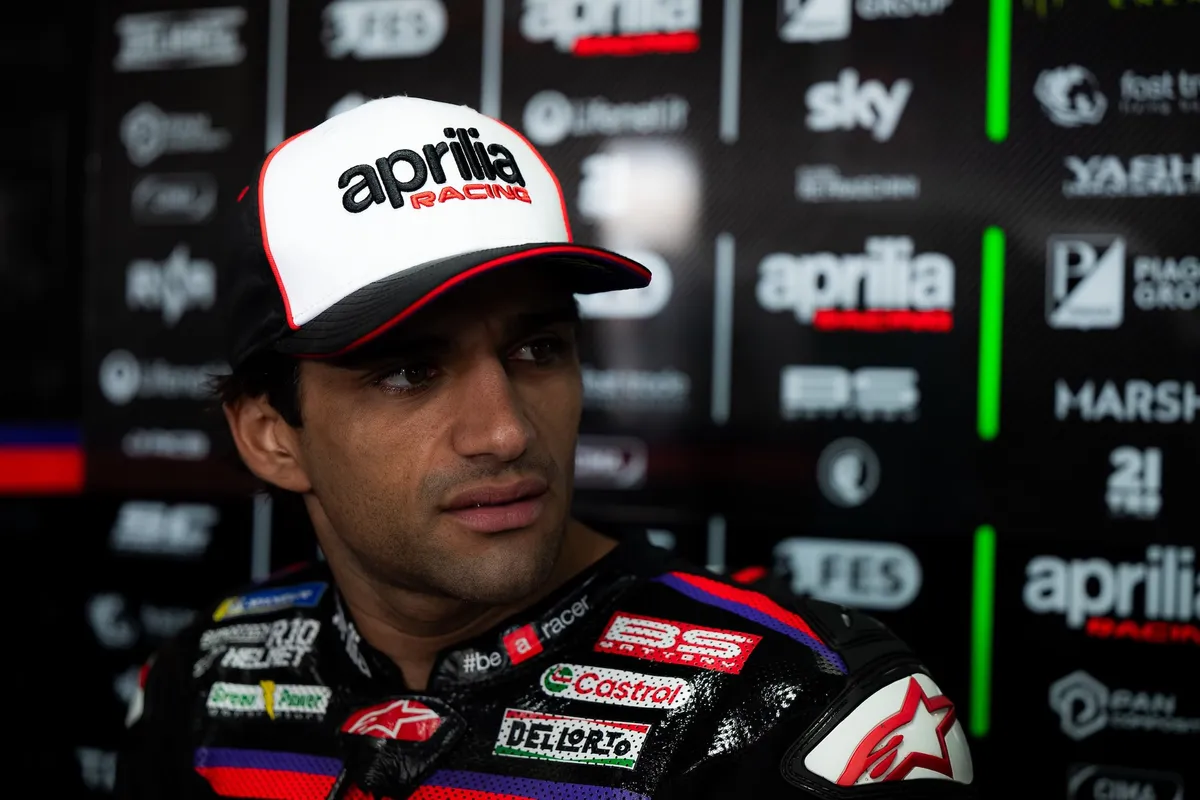
Jorge Martin alami patah tulang usai kecelakaan di Sprint MotoGP Australia 2026. Simak analisis lengkap dampak cederanya terhadap perebutan gelar juara di sini.

Nicolas Hamilton jajal mobil V8 Supercars Cam Waters di Surfers Paradise. Simak laporan lengkap dan ulasan aksi menariknya di sini!
 Continue with Google
Discussion (0)
Join the Discussion!
Sign in easily to start commenting, replying, and interacting with other readers.
Latest Comments
No comments yet. Be the first!