







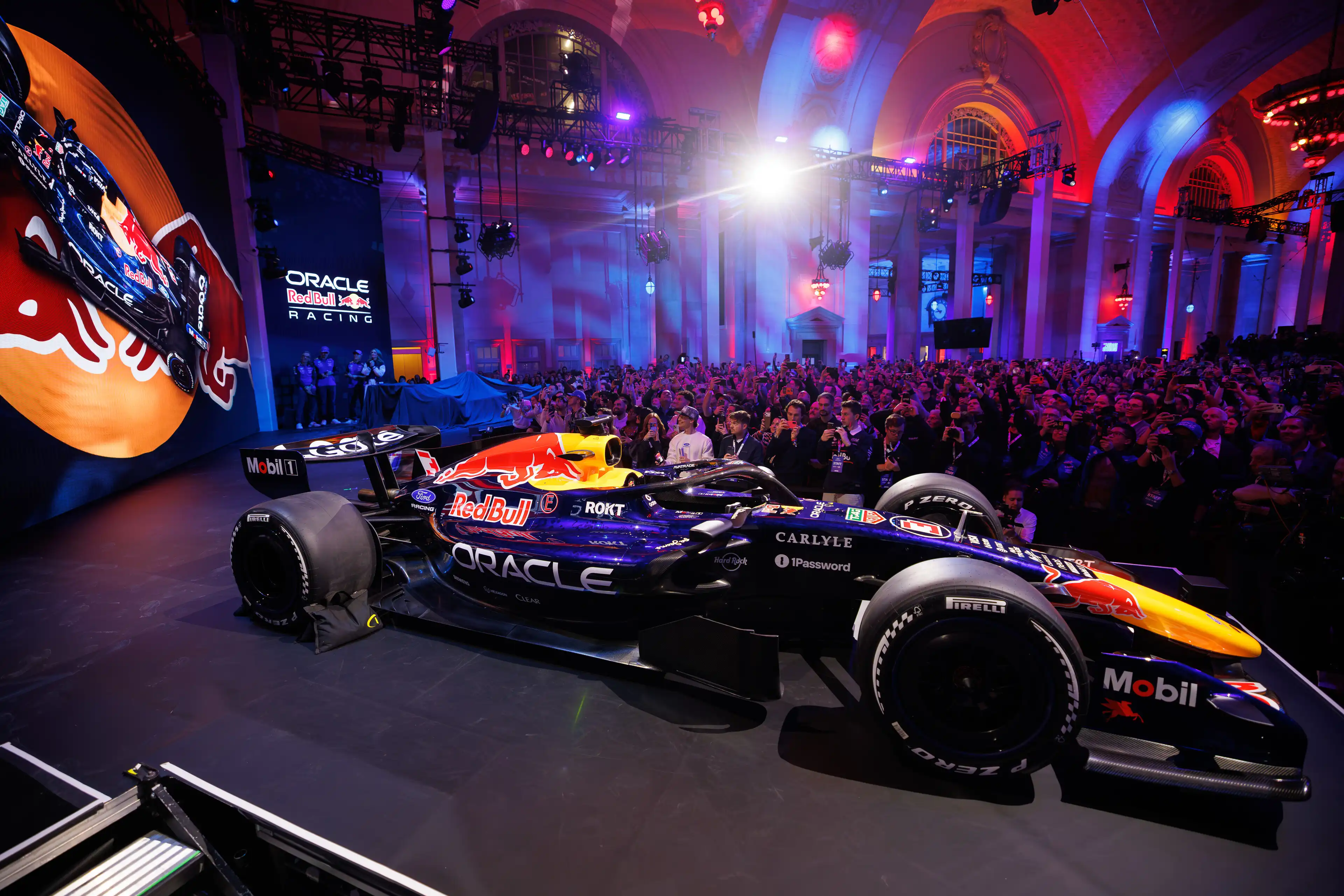

Formula 1, Sportrik Media - Red Bull Racing is preparing for one of the most demanding technical challenges in its Formula 1 history ahead of the 2026 season, as the team readies its first-ever in-house power unit under the new FIA regulations.
The new engine programme is being developed by Red Bull Powertrains and carries the name DM01, in tribute to the late Red Bull founder Dietrich Mateschitz. The project is being delivered in partnership with Ford, which is providing technical support and development expertise, making Red Bull the only non-full manufacturer operation to design and run its own power unit for the 2026 rules cycle.
Red Bull team principal Laurent Mekies has cautioned against unrealistic expectations in the opening phase of the season, acknowledging the scale of the task when competing against manufacturers with decades of engine-building experience.
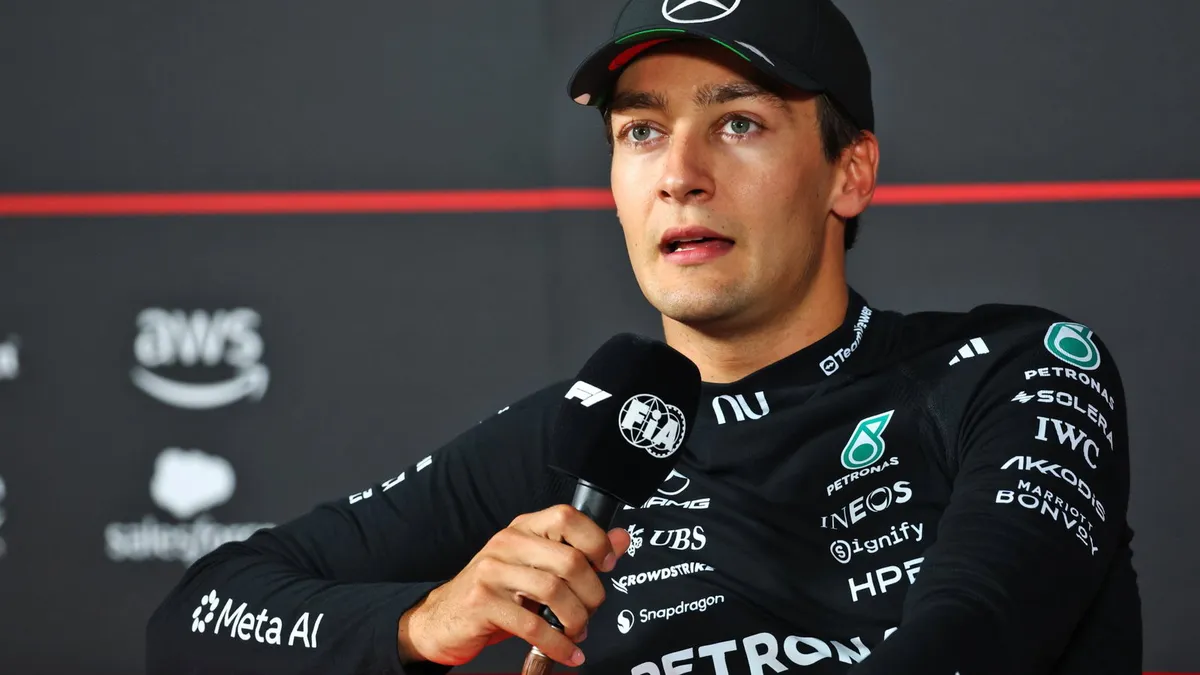
“After everything we have said in describing the size of the challenge in starting from scratch, I think going into the first race and straight away being at the level of competitors who have produced engines for 90 years would be naive,” Mekies explained.
“We are not naive. We know it is going to come with a fair amount of struggle, headaches, and sleepless nights, but that’s what we’re here for.”
Red Bull Powertrains enters the 2026 era facing rivals such as Ferrari and Mercedes, whose long-standing power unit programmes provide a substantial historical and operational advantage. Former Red Bull boss Christian Horner previously acknowledged that RBPT would start on the back foot relative to those manufacturers, a view Mekies has now reinforced with a clear message of patience and long-term intent.
“We have the confidence of putting together an amazing group of people and an amazing group of partners,” Mekies added.
“We will go through this struggle, and eventually, we will come out on top.”
Mekies also underlined that the initial difficulties expected during the early races of 2026 should be viewed as part of a broader development journey rather than a definitive measure of the project’s ultimate competitiveness.
“Bear with us in the next few months,” he said.
“These initial difficulties will be good reminders of how much we went through to eventually get on top.”
From Ford’s perspective, the emphasis is on clarity of responsibility and targeted contribution. Ford CEO Jim Farley stressed that understanding precisely how the American manufacturer can support Red Bull is central to making the partnership effective from the outset.
“For us at Ford, the test is to be clear enough that Ford knows exactly what we need to do to support the Red Bull team,” Farley said.
“That clarity is the most important thing, so we can help make the first race a success and the first part of the season a success.”
Red Bull’s transition to an in-house power unit represents a defining strategic shift as Formula 1 enters a new technical era in 2026. The early competitiveness and reliability of the DM01 will play a critical role in shaping Red Bull’s championship prospects, while also serving as a benchmark for whether an independent engine programme can realistically challenge the established manufacturer giants over the long term.
Read Also
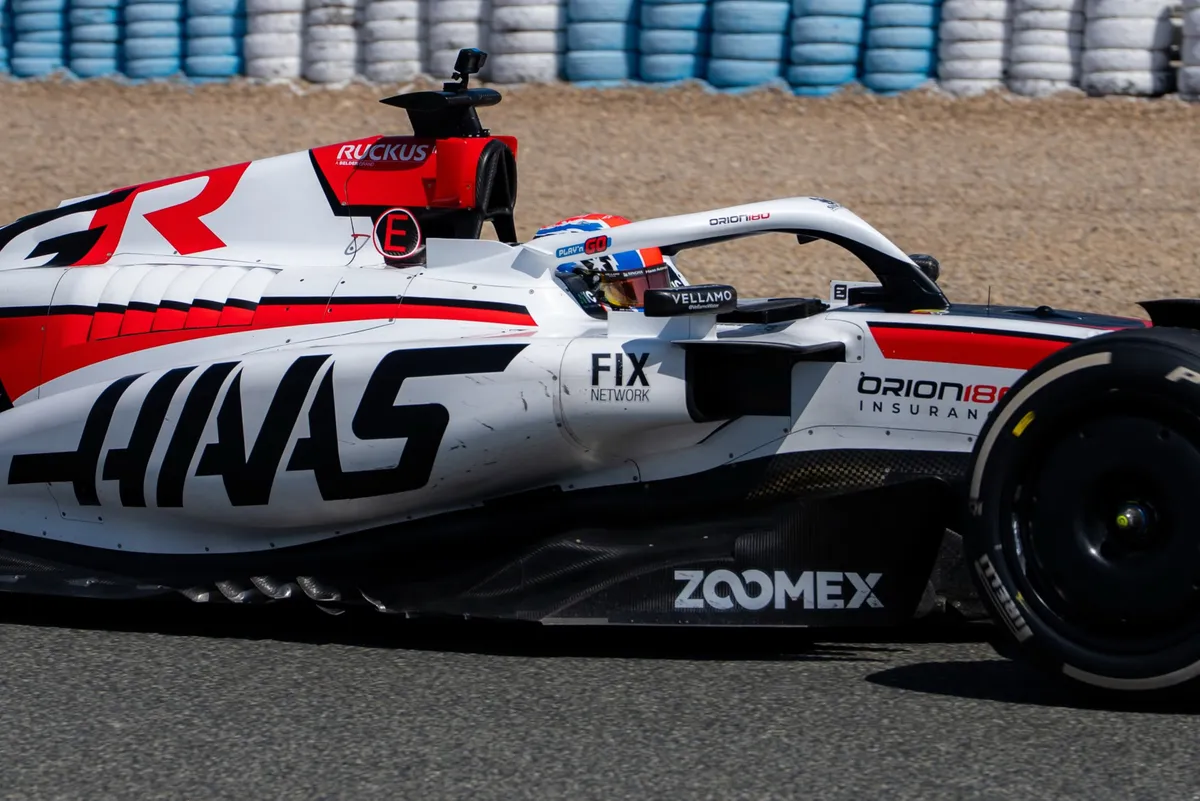
Jack Doohan completes Haas TPC test at Jerez, competing with Hirakawa and Tsuboi. Haas 2027 seat decision nears, performance remains key factor.
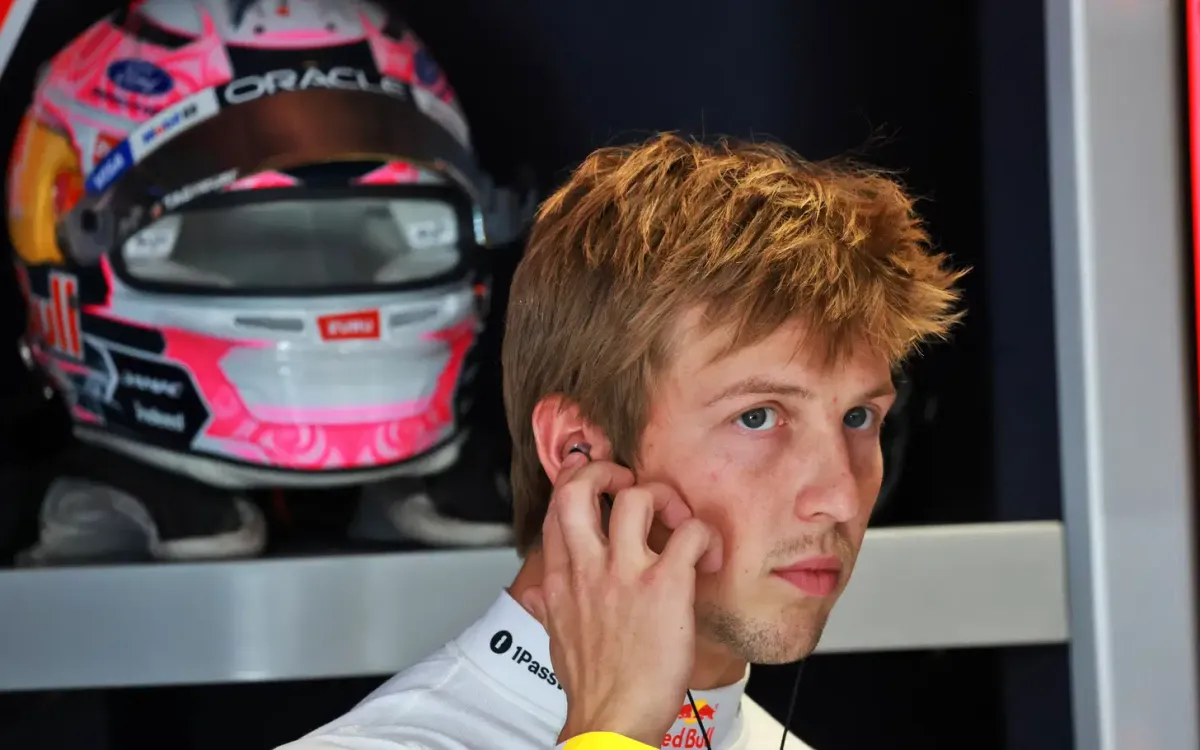
Liam Lawson responds to Max Verstappen's claim that 2026 F1 cars feel 'numb'. He admits adaptation isn't easy, highlighting differences between Racing Bulls and Red Bull.
Pedro de la Rosa reveals honesty is key for Aston Martin to overcome 2026 F1 crisis. Read the exclusive interview and team strategy.
 Continue with Google
Discussion (0)
Join the Discussion!
Sign in easily to start commenting, replying, and interacting with other readers.
Latest Comments
No comments yet. Be the first!