







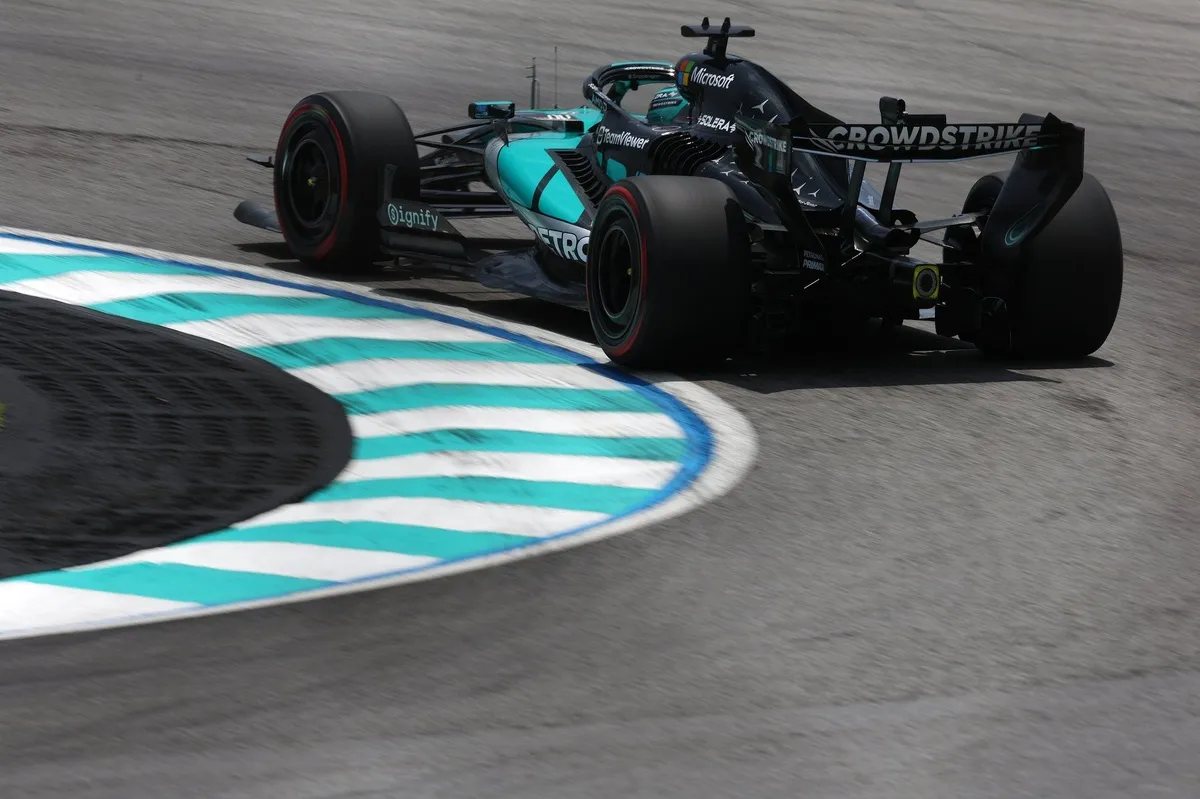

George Russell and his Formula 1 peers were immediately confronted with a harsh reality during free practice at Sepang Circuit, Malaysia. The highly abrasive and breaking-up track surface forced engineers to think on their feet to find the right setup. The 5.35km circuit is known as one of the most challenging, but Friday's conditions were truly unexpected.
Pirelli, F1's sole tyre supplier, revealed that one-lap times in practice were up to 4.5 seconds slower than their qualifying simulations. "The conditions were not really good, the tarmac was breaking up," explained Simone Berra, Pirelli's chief engineer. "We have some stones coming out and the FIA cleaned the track with the sweeper multiple times. The tarmac is degrading quite quickly, even during the session, so it's something that is not really under control at the moment."
However, Berra stressed that this issue does not raise safety concerns for the drivers. "It's not a big issue in terms of safety, in terms of punctures. It's just a matter of generating a low grip level, because you have this high level of roughness," he said. He predicted conditions could worsen during the race due to high temperatures and the number of cars on track.
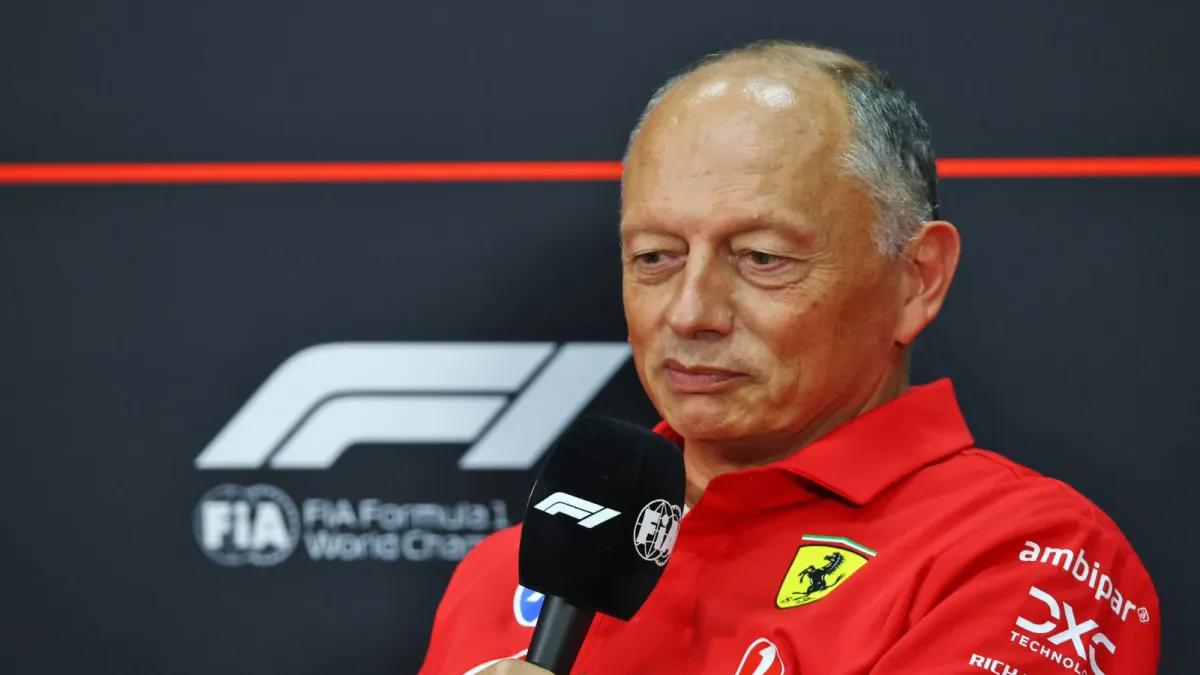
Drivers also felt the impact firsthand. Charles Leclerc, who ended the day fastest, admitted the session was extremely difficult. "It's been a very, very difficult day overall. The track conditions were very, very tricky. Track was quite dirty, actually, and very slippery. So I think things will change and evolve a lot from today," the Ferrari driver said.
Sepang has returned to the F1 calendar after a nine-year hiatus, replacing Sakhir as host of the Bahrain Grand Prix. The rough asphalt and high wear characteristics are similar to the Bahrain circuit, so in theory it's a good match. However, the large discrepancy between simulation and reality has forced teams to work extra hard to find the car's balance.
With high tyre degradation, race strategy will be key. Teams must consider whether to be more aggressive with pit stops or try to go longer on track. The difference between one-lap performance and long-run pace could be the deciding factor in the race outcome.
Nevertheless, teams and drivers remain optimistic they can adapt. They have FP3 and qualifying to fine-tune their setups. Clearly, the Malaysian Grand Prix this weekend will test the resilience of all teams, not just in terms of speed but also in reading the ever-changing track conditions.
Read Also
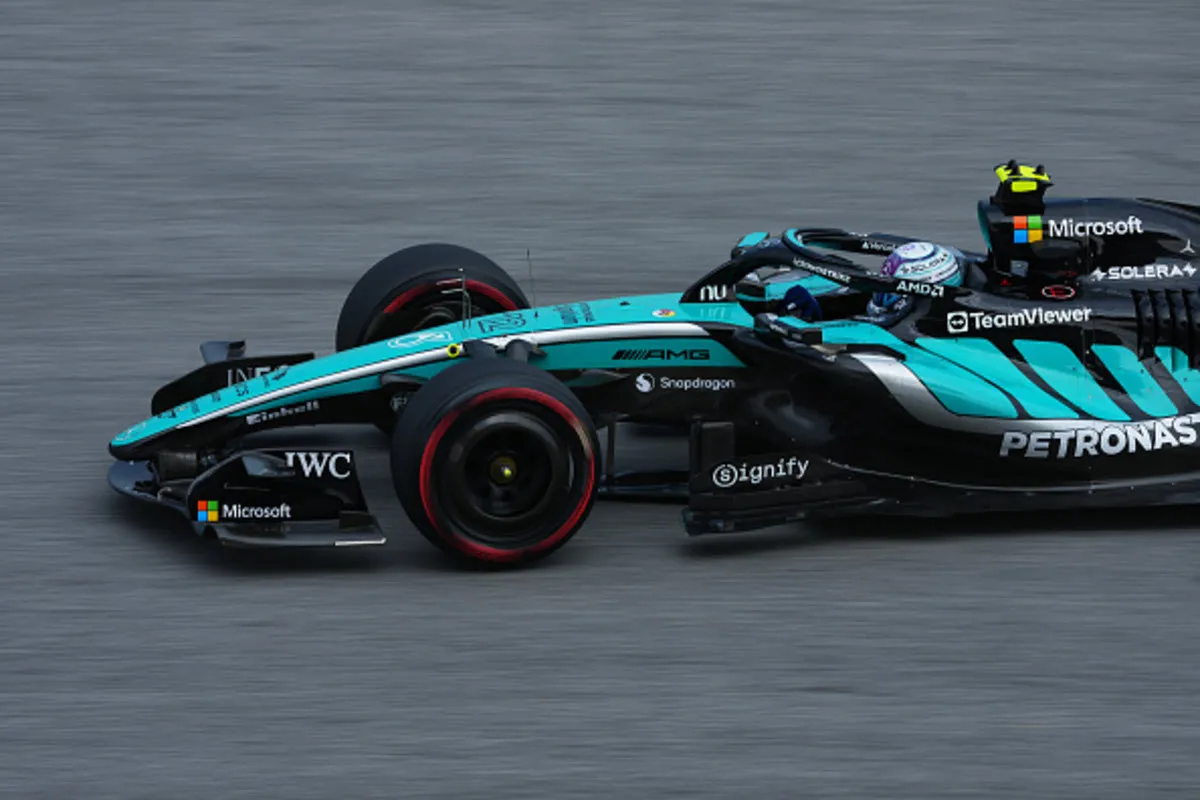
Andrea Kimi Antonelli sebut Red Bull tercepat di FP1 dan FP2 MotoGP Malaysia 2026. Mercedes masih cari setup ideal di Sepang.

Valtteri Bottas klarifikasi pernyataannya soal pajak Italia. Pembalap F1 ini tegaskan tidak masalah bayar pajak asalkan ada kejelasan aturan sejak awal.
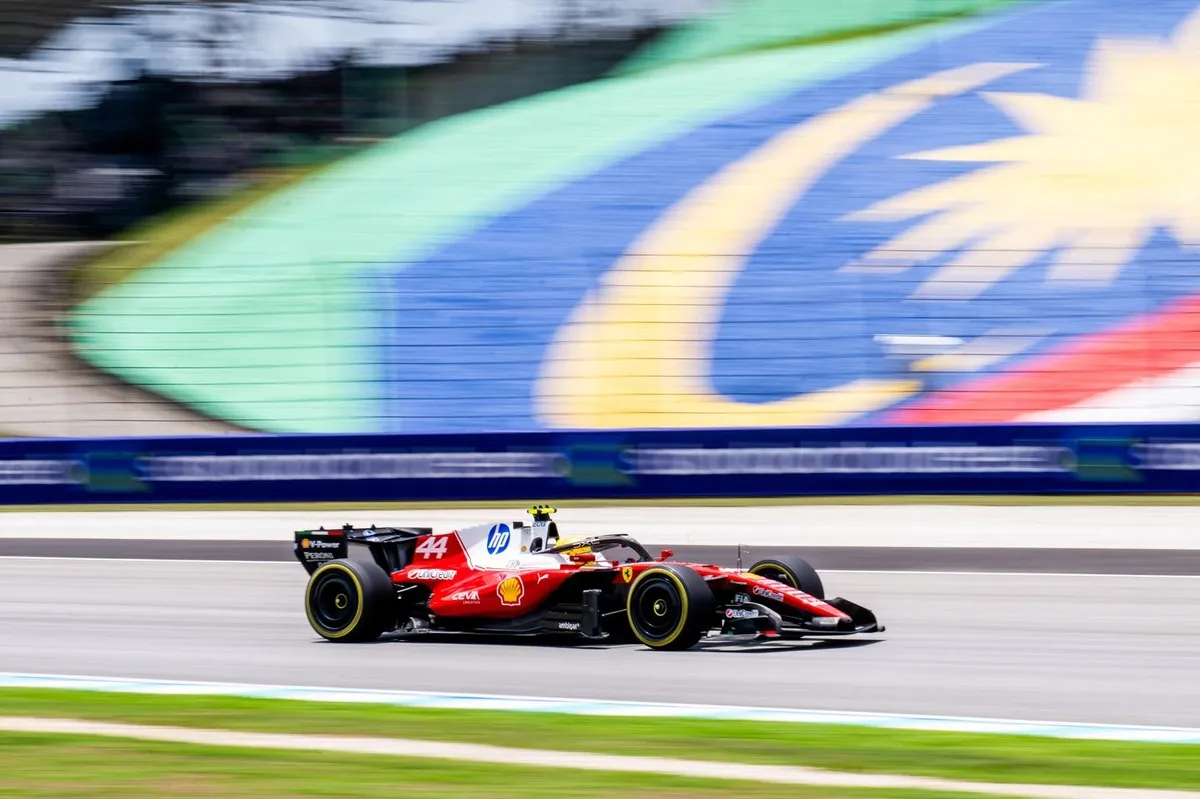
Lewis Hamilton mendapat peringatan dan Ferrari didenda i10.000 setelah insiden impeding dengan Gabriel Bortoleto di latihan bebas GP Bahrain.
 Continue with Google
Discussion (0)
Join the Discussion!
Sign in easily to start commenting, replying, and interacting with other readers.
Latest Comments
No comments yet. Be the first!