






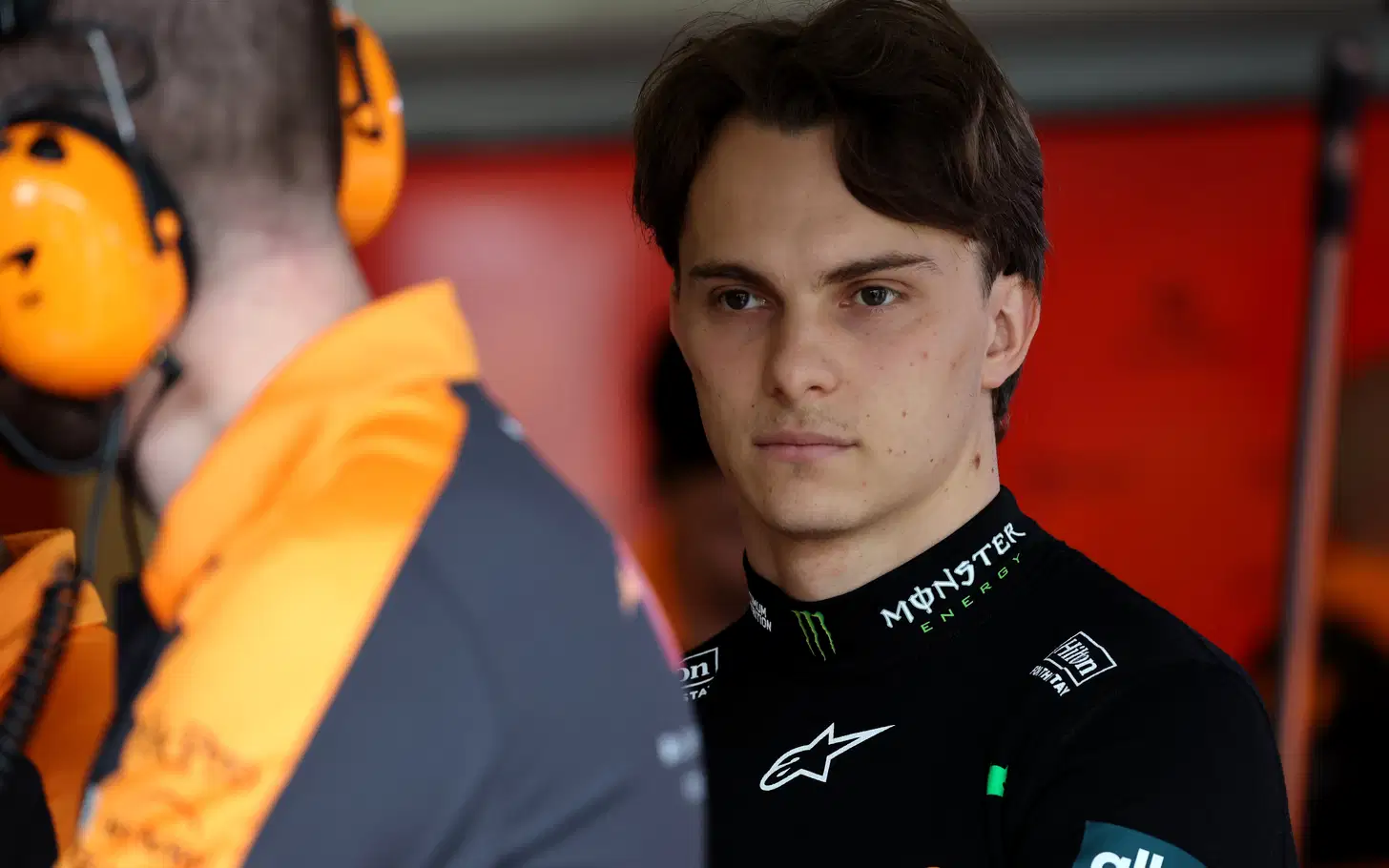

Formula 1, Sportrik Media - Oscar Piastri raised concerns about the growing complexity of energy management in modern Formula 1 after qualifying for the 2026 Australian Grand Prix at Albert Park, Melbourne, where the McLaren driver secured fifth on the grid for his home race.
Qualifying in Melbourne was dominated by Mercedes, with George Russell claiming pole position ahead of team-mate Kimi Antonelli, locking out the front row. Piastri finished 0.862 seconds behind Russell despite McLaren using the same power unit supplied by Mercedes High Performance Powertrains.
The performance gap highlighted the growing influence of energy deployment and harvesting strategies under the current Formula 1 regulations. Throughout the weekend at Albert Park, drivers were forced to sacrifice performance in certain sectors—particularly between Turns 6 and 9—while aggressively harvesting energy to maintain balance across the lap.

“I think yesterday painted an overly optimistic picture for us. I felt like we were in the mix, and then after FP3, we definitely didn't feel like we were in the mix,” Piastri told media including RacingNews365.
“By far, the biggest thing was straight-line speed, and it is something we need to understand.”
Piastri suggested that Formula 1 circuits now effectively fall into two distinct categories based on energy demands. Some tracks allow drivers to recover energy more easily, while others—like Albert Park—leave cars struggling with energy deficits during qualifying laps.
“I think it will be better at different tracks where there are more harvesting opportunities, but there are some fundamental things which won’t be very easy to fix,” Piastri explained.
“At the moment there are two categories of tracks: energy-starved and energy-rich, and both create different challenges.”
The Australian driver also revealed how extreme the compromises can become during a qualifying lap. In McLaren’s case at Melbourne, the team had to manage multiple phases where power output was dramatically reduced to maintain the energy balance.
“We were lifting and coasting three times in the lap, and we had two super clips. That means in some corners we effectively had around 450 horsepower less, so it’s a massive challenge to get your head around,” he said.
The situation underlines how power unit regulations and energy strategies are playing an increasingly decisive role in performance across the grid. With the race still to come in Melbourne, McLaren will aim to convert Piastri’s fifth-place starting position into a strong result while analysing the performance gap to Mercedes before the championship moves on to the next round.
Read Also
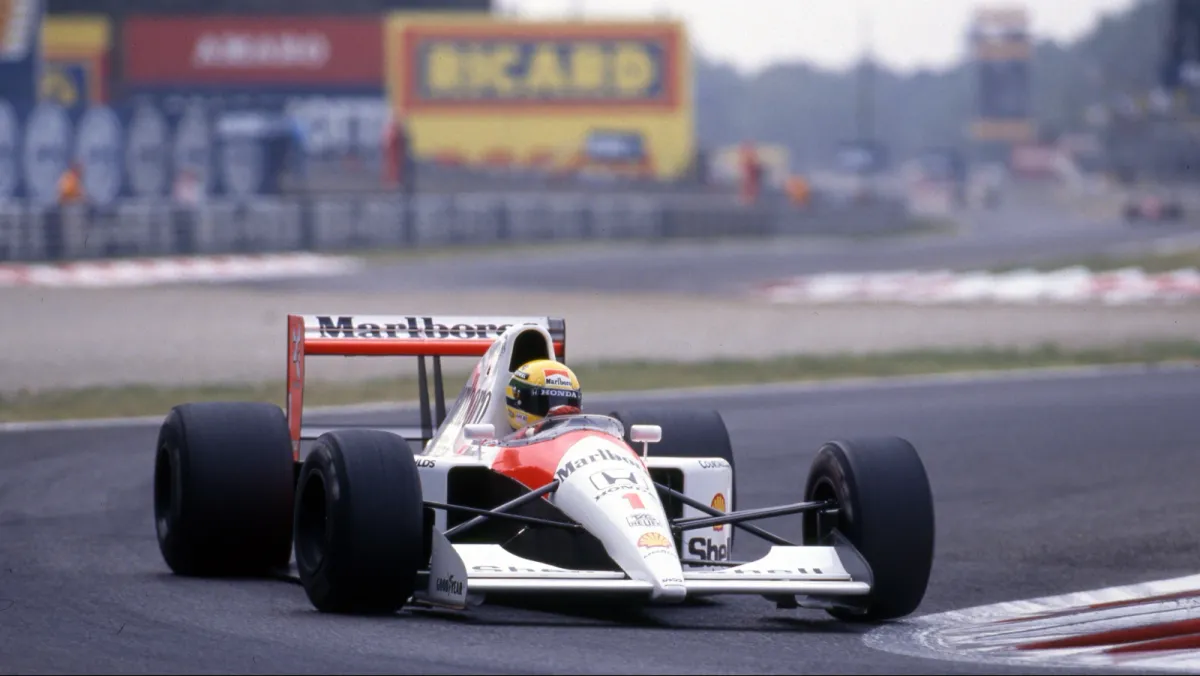
McLaren resmi melepas lima mobil F1 bersejarah termasuk sasis legendaris Ayrton Senna. Simak analisis nilai sejarah dan estimasi harganya di sini.
Sentronics gugat Allengra ke pengadilan Texas terkait pelanggaran paten sensor bahan bakar F1 2026. Baca analisis hukum lengkapnya di sini.
Simak analisis lengkap Christian Horner mengenai dominasi Kimi Antonelli di F1 2026 dan alasan kuat mengapa ia layak menjadi pembalap utama Mercedes.
 Continue with Google
Discussion (0)
Join the Discussion!
Sign in easily to start commenting, replying, and interacting with other readers.
Latest Comments
No comments yet. Be the first!