






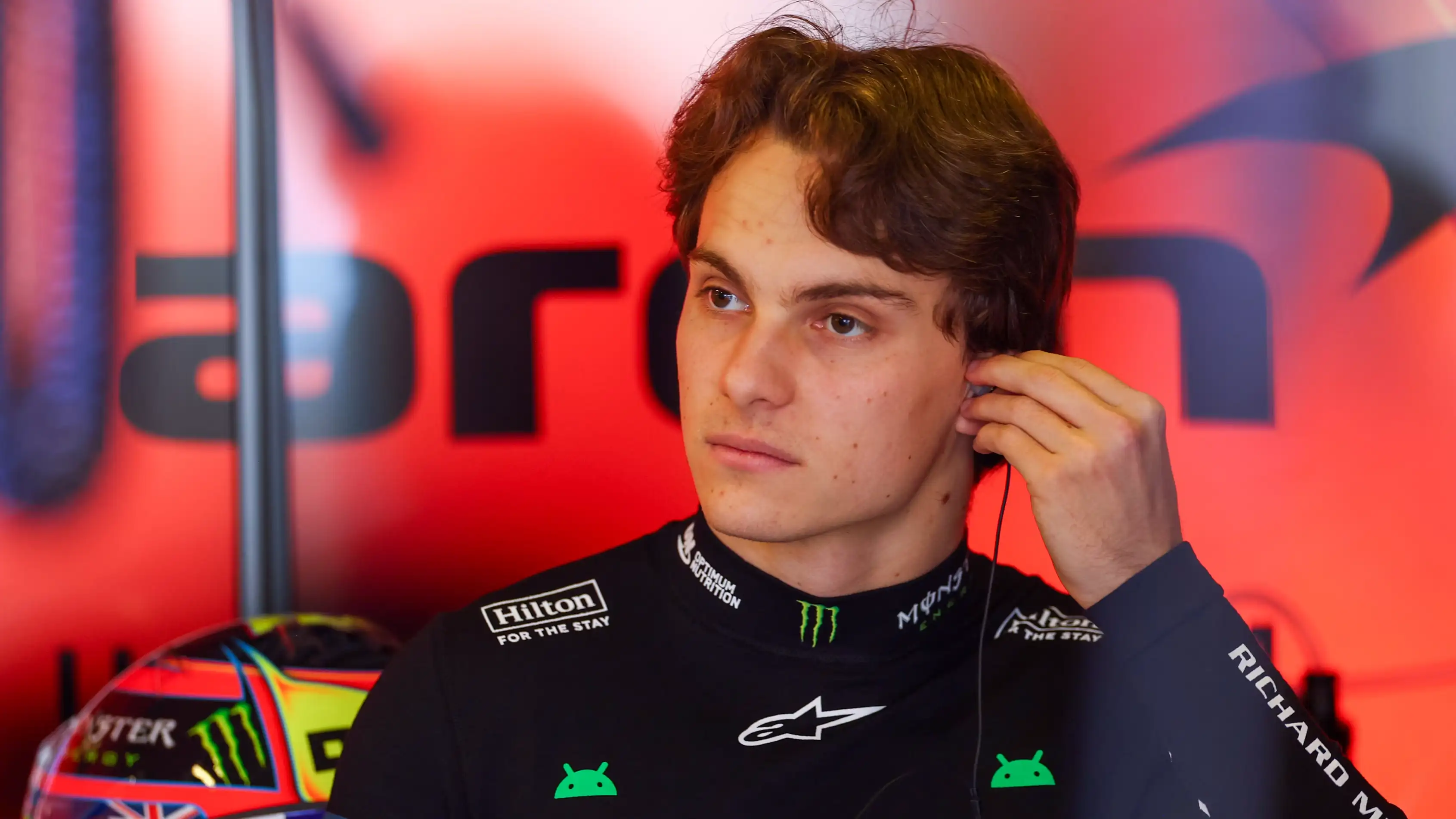

Formula 1, Sportrik Media - Oscar Piastri and McLaren are navigating a complex technical dynamic during the early development phase of the 2026 Formula 1 season, following the team’s adoption of customer power units from Mercedes amid the prospect of direct competition at the front of the grid.
McLaren will enter the new 2026 regulatory era powered by Mercedes High Performance Powertrains, alongside Alpine and Williams. At the same time, Mercedes will continue to operate its own works team, creating a rare scenario in which a customer outfit could directly challenge its engine supplier in the fight for the world championship.
During the Barcelona shakedown, Mercedes, McLaren, and Alpine collectively completed 1,134 laps, while Williams opted not to participate. The early running underlined a shared focus on mileage accumulation and system validation, as both McLaren and Mercedes are expected to position themselves as title contenders from the opening phase of the 2026 cycle.
From a technical standpoint, the 2026-generation Formula 1 cars introduce substantial challenges, particularly in power unit integration and aerodynamic characteristics. A marked reduction in downforce compared to the previous season has forced teams to adjust car setup philosophies and development direction, with immediate implications for on-track performance and short-term consistency.
Piastri stressed that at this early stage, gaining a thorough understanding of the new power unit remains the primary objective for all parties involved, even as each team operates with different development priorities aligned to their competitive objectives.
“There is still definitely a lot to learn, especially on the power unit side of things,” said Oscar Piastri.
“Just how to get the most out of it and how you go the fastest, but we’ve started to understand some of the problems and limitations, and some of the things that are different to last year, both on the power unit and in the car.”
He also highlighted the immediate impact of the aerodynamic changes on McLaren’s adaptation process during the early phase of the new regulations.
“The car has a lot less downforce than we had last year, so getting used to that has been the biggest thing we’ve started to work through,” he added.
Addressing the collaborative element of the relationship, Piastri underlined that Mercedes HPP remains committed to ensuring all customer teams extract maximum performance, despite the inherent competitive tensions.
“The main thing for Mercedes HPP is trying to understand the power unit, and we’re trying to help them,” Piastri explained.
“Any information they can get from Lando and me is very helpful, and even just running the power unit provides important data. Everyone has slightly different priorities, but they’re trying to make us all as quick as possible.”
This situation is set to influence the competitive landscape of the 2026 Formula 1 championship, particularly in the evolving balance between works teams and customer operations. With rivals such as Red Bull Racing, Ferrari, and Aston Martin operating under different engine structures, McLaren’s progress alongside Mercedes is expected to be a decisive factor as the new regulatory era unfolds.
Read Also
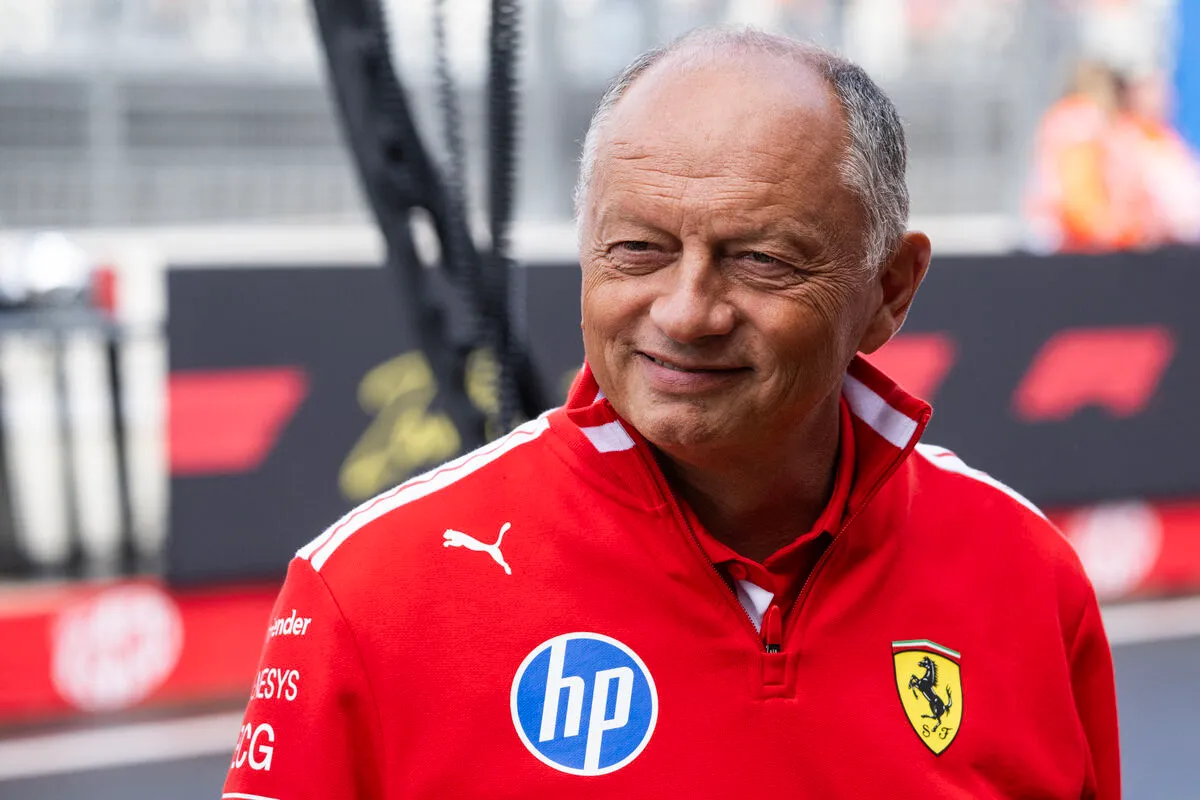
Ferrari secara resmi membantah spekulasi masa depan Frederic Vasseur dan menegaskan fokus penuh pada sisa musim Formula 1 2025.

Mantan bos Ferrari Maurizio Arrivabene memperingatkan bahwa kedatangan Christian Horner bisa jadi bumerang. Simak analisis lengkapnya di sini.
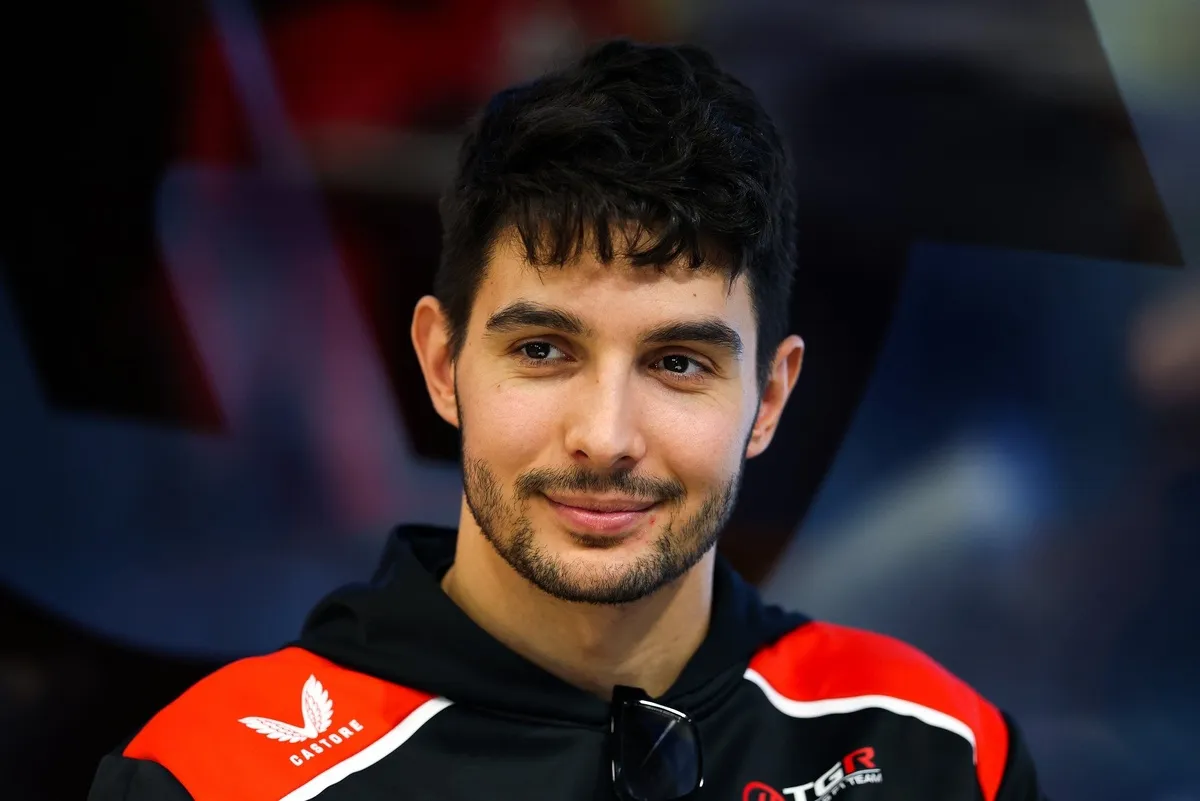
Esteban Ocon sebut dirinya salah satu pembalap terbaik F1 usai finis kedelapan di GP Azerbaijan. Ia tegaskan tak takut mengatakannya meski masa depan di Haas belum pasti.
 Continue with Google
Discussion (0)
Join the Discussion!
Sign in easily to start commenting, replying, and interacting with other readers.
Latest Comments
No comments yet. Be the first!