






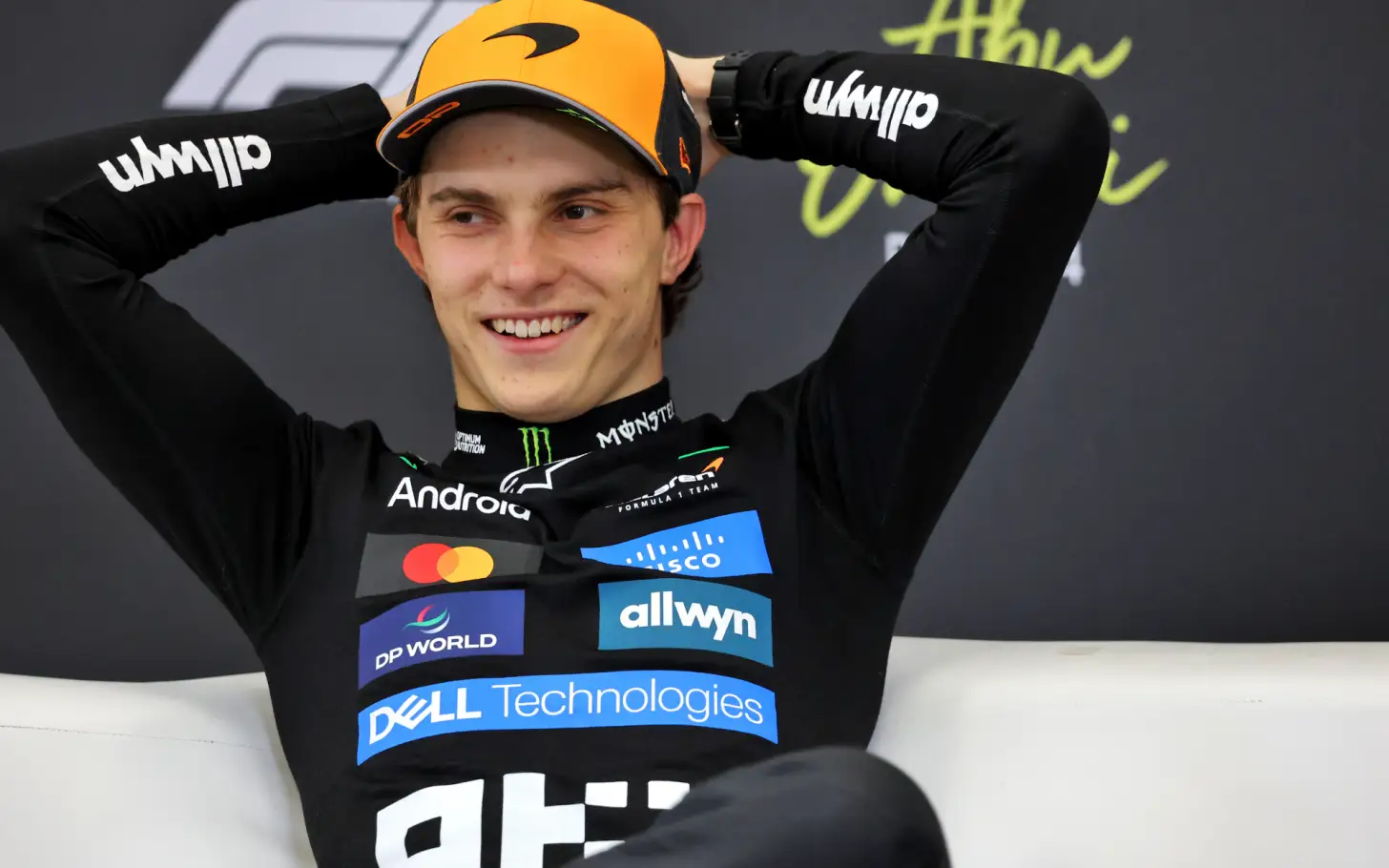

Formula 1, Sportrik Media - Oscar Piastri believes the fundamental aerodynamic shift introduced for the Formula 1 2026 season could open new opportunities for drivers, as the sport moves away from ground-effect cars toward an active aerodynamics philosophy.
For the upcoming season, Formula 1 has overhaauled its aerodynamic concept by replacing ground-effect regulations with active aerodynamics and reintroducing rake. Rake refers to the difference in ride height between the front and rear of the car, a defining characteristic of the 2017–2021 era, before flat floors running extremely close to the track became central to downforce generation.
Under the 2026 rules, downforce is no longer primarily produced by airflow beneath the car. Instead, a greater proportion is generated by air flowing over the bodywork and wings. This shift has altered the way the cars behave, particularly on corner entry, with Lewis Hamilton among those describing the new-generation machines as feeling more oversteery.
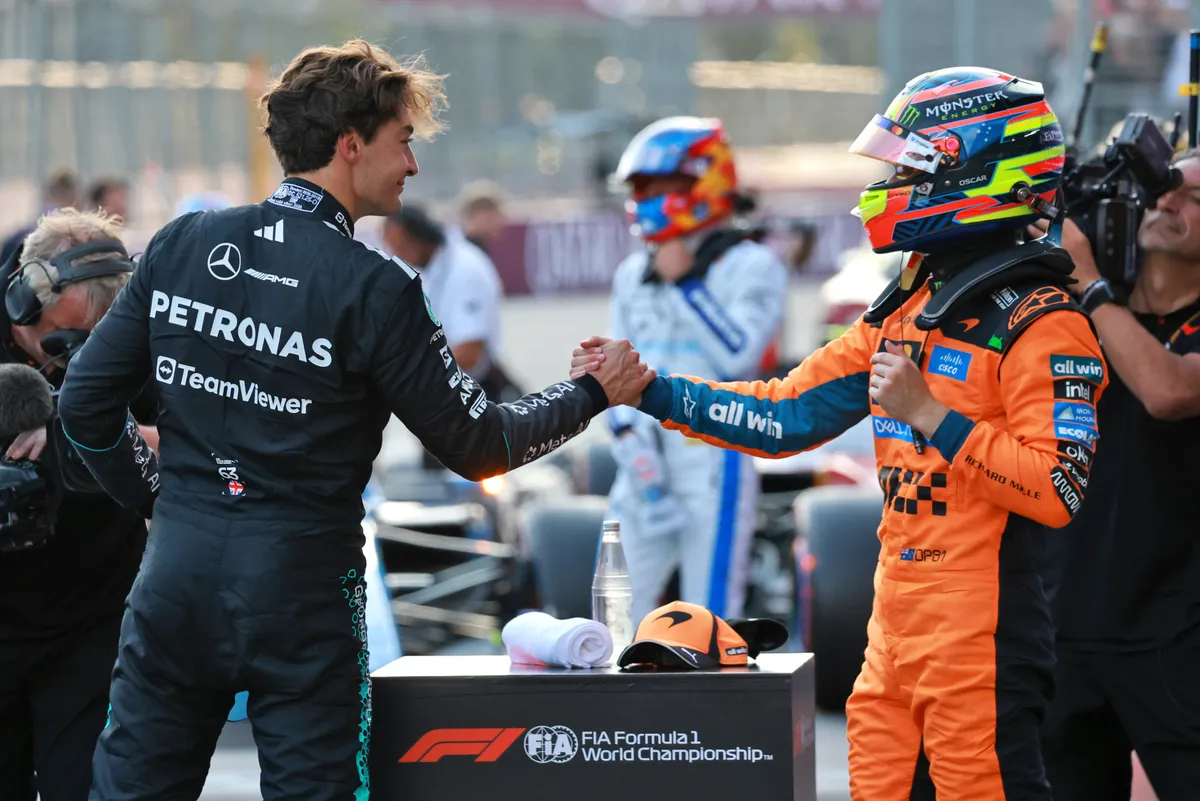
For Piastri, who is experiencing his first major regulation change since entering Formula 1, the different aerodynamic behaviour could be beneficial. The McLaren driver believes the revised aero philosophy may provide drivers with greater flexibility in how they manage the car, especially in the most critical phases of a lap.
“For me, it is quite different to what we had last year with the ground-effect cars,” Piastri told international media. He explained that the way downforce was produced in the previous era created very specific driving demands.
“You generated a lot of downforce when you were super low to the ground, so it was almost an exponential amount of downforce you gained at high speed,” he said. “Whereas this year, we’re going back to more conventional overbody aero, and the way that behaves is a bit different.”
According to Piastri, the change significantly alters the overall character of the car. Ground-effect machines required a narrow operating window, particularly when approaching corners, leaving little margin for adjustment in driving style.
“The characteristics of the car are going to be quite different,” Piastri added. “The ground-effect cars were pretty specific in the way you had to drive them, especially on the way into the corners, so maybe there’ll be a bit more leeway to manage that a bit better this year.”
While encouraged by the initial feeling, Piastri stressed that conclusions remain provisional. So far, teams have completed only three days of testing with the new regulations, limiting the amount of representative data available.
“We’ve obviously only done three days of testing, but there are definitely some pretty fundamental differences in the way the car feels,” he said, indicating that adaptation will be an ongoing process as mileage increases.
From a competitive perspective, the aerodynamic reset could place a renewed emphasis on driver input. With reduced reliance on highly sensitive underfloor downforce, factors such as corner entry technique, balance management, and adaptability may again become decisive performance differentiators.
For McLaren, understanding how to extract consistent performance from the new aero platform will be central to shaping its development direction. For Piastri, the 2026 regulations present an opportunity to exploit a broader operating window and express a more flexible driving style under a fundamentally different technical framework.
As pre-season testing continues and the opening races approach, how quickly drivers adapt to the new aerodynamic feel will be closely watched. Piastri’s assessment suggests that Formula 1’s move to active aerodynamics could redefine the balance between car and driver in the new era.
Read Also
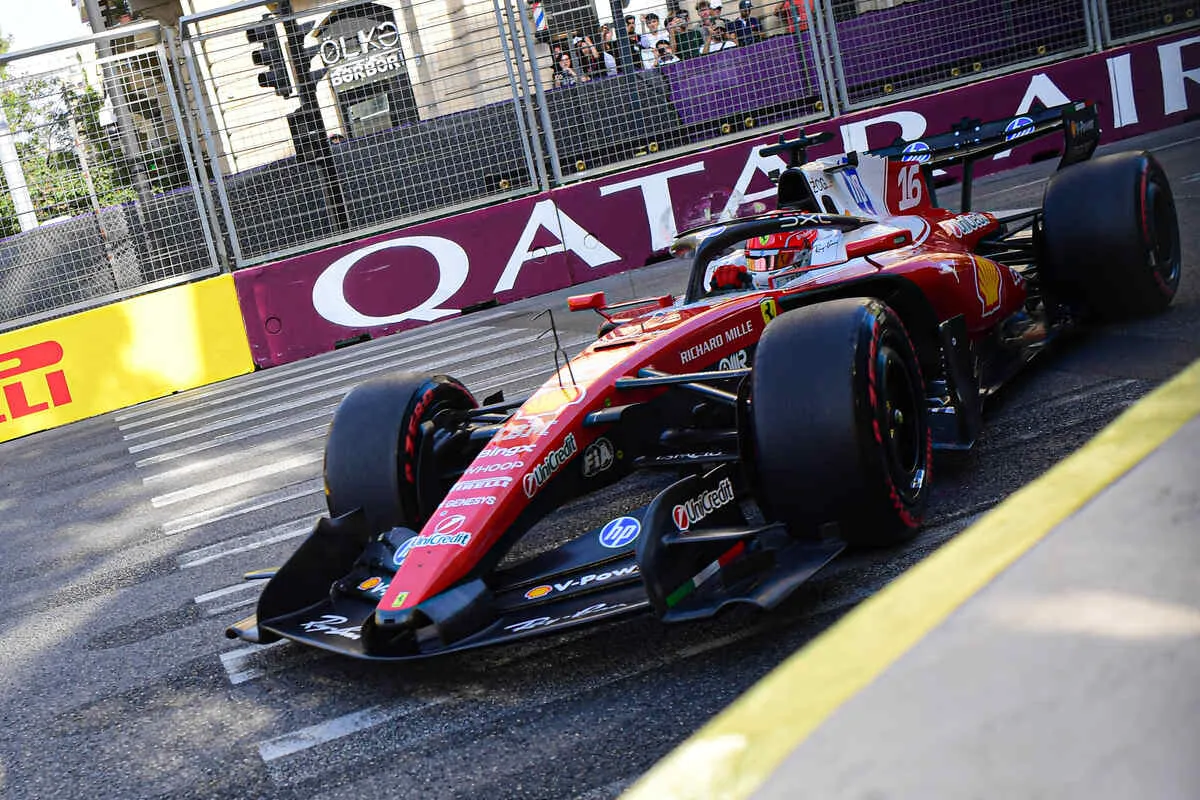
Baku GP Azerbaijan 2026 membalikkan hierarki: Russell dan Leclerc bangkit, Mercedes dominan, Ferrari kembali ke barisan depan. Analisis lengkap di sini.
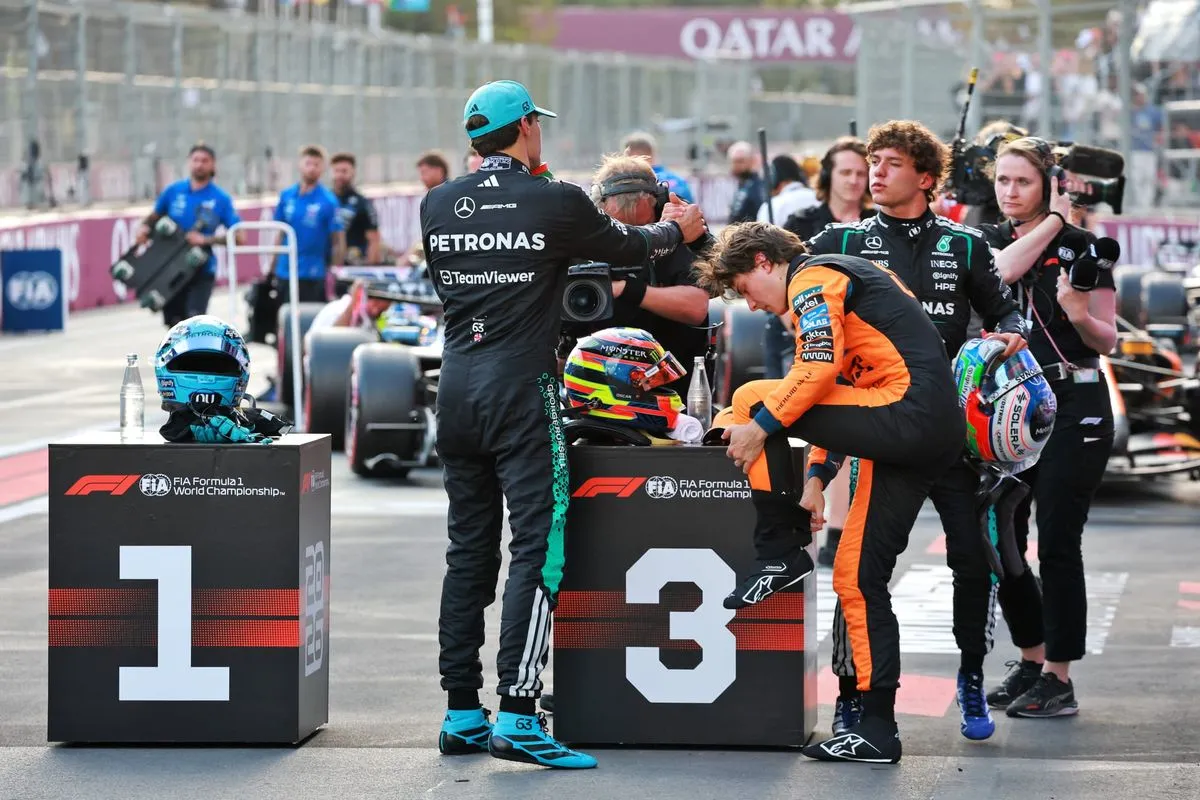
Kualifikasi F1 Azerbaijan: Russell pole, Antonelli tersingkir di Q1, Verstappen kesulitan. Simak drama kontras Mercedes di Sirkuit Baku.
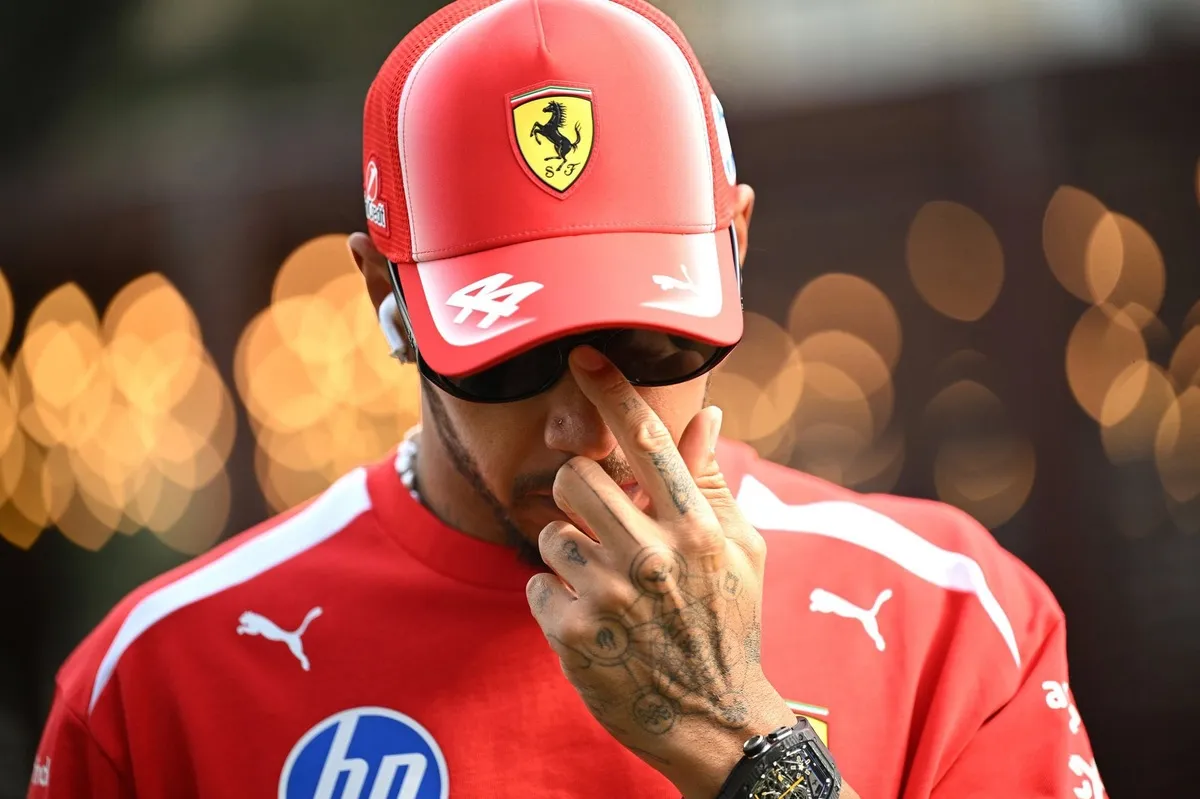
Lewis Hamilton frustrasi dengan strategi kualifikasi Ferrari di GP Azerbaijan. Tanpa tow, ia start keenam dan tertinggal 1,332 detik dari George Russell.
 Continue with Google
Discussion (0)
Join the Discussion!
Sign in easily to start commenting, replying, and interacting with other readers.
Latest Comments
No comments yet. Be the first!