







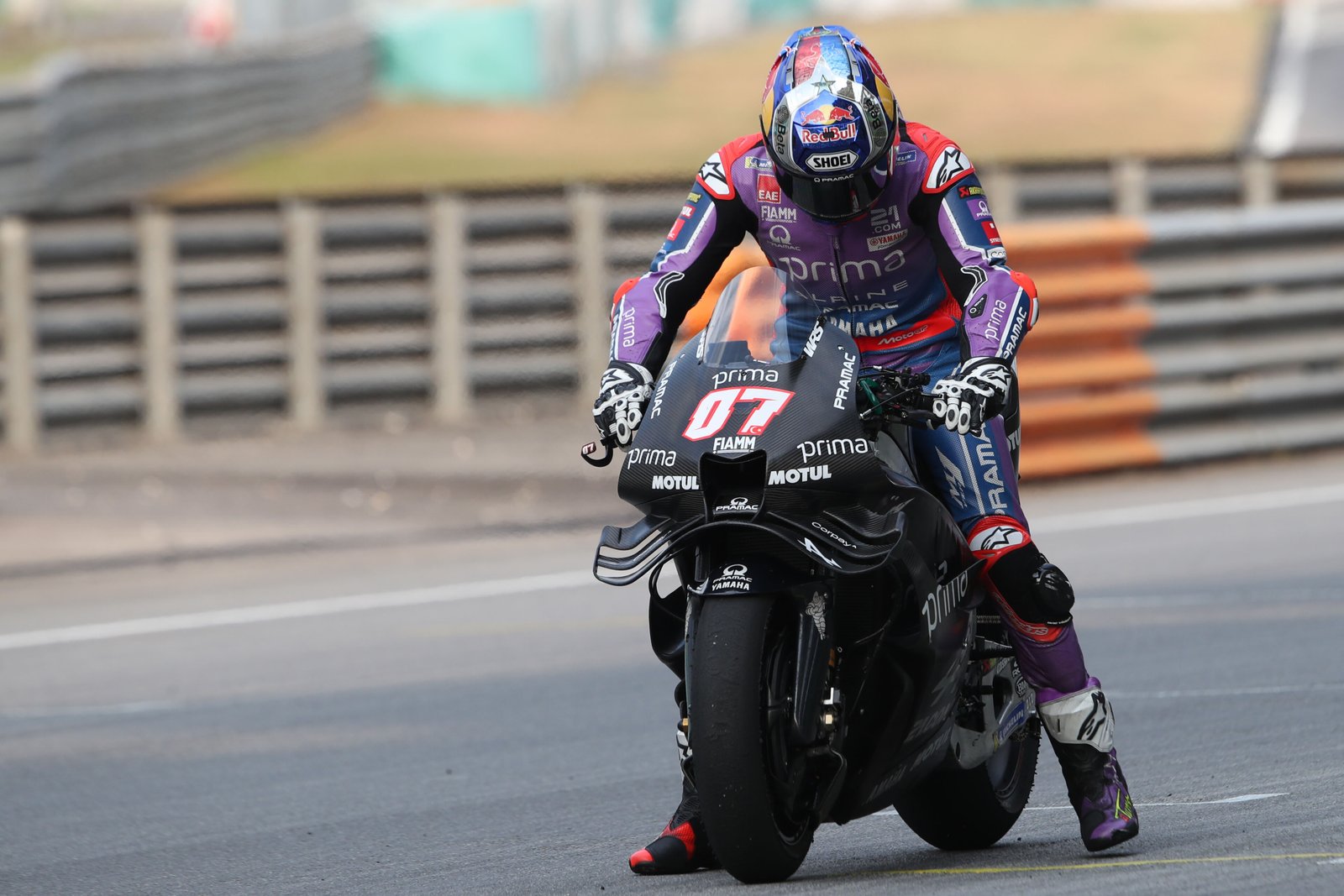

MotoGP, Sportrik Media - The paddock at Sepang International Circuit has become the backdrop to a quiet but profound transformation. Beneath the sharper roar of Yamaha’s new V4 engine, Toprak Razgatlioglu is engaged in a calculated gamble with his own racing instincts as he begins the most demanding chapter of his career in MotoGP.
For Razgatlioglu, the step from WorldSBK to MotoGP is not merely a change of machinery but a shift into an entirely different competitive universe. The most immediate challenge comes from Michelin tyres. Where Pirelli rubber in Superbike rewards brutal braking and extreme load transfer, Michelin demands restraint, precision, and the preservation of corner speed over outright stopping power.
At Sepang, Razgatlioglu is in the process of crafting what can be described as a hybrid riding style. His hallmark late-braking aggression remains a core strength, but it is now being reshaped to align with the aerodynamic demands of Yamaha’s V4-powered YZR-M1. The emphasis has shifted from how quickly the bike can be stopped to how smoothly momentum can be carried through the middle of the corner, where MotoGP performance is increasingly defined.
The evolution of Razgatlioglu’s trademark “stoppie” technique has become one of the most visible elements of this adaptation. Long celebrated for lifting the rear wheel under braking, Razgatlioglu is now being guided to brake less aggressively, not as a limitation but as a refinement. The new V4 engine and chassis package require highly precise weight distribution, and excessive front load risks compromising Michelin’s narrow operating window. Efficiency, rather than spectacle, is now the performance currency.
This transition is being accelerated by a carefully structured support network inside the Prima Pramac Yamaha garage. One pillar of that structure is Jack Miller. Although officially a team-mate, Miller functions as a living reference book for V4 machinery. His extensive experience with Ducati and KTM provides Razgatlioglu with direct insight into the aggressive torque delivery and braking dynamics that define V4 engines at MotoGP level.
Equally crucial is the technical guidance of Alberto Giribuola. The veteran engineer, instrumental in the MotoGP successes of Andrea Dovizioso and Enea Bastianini, plays a central role in translating Razgatlioglu’s sensations into actionable data. Giribuola’s task is to ensure that every subjective comment from the rider is converted into measurable telemetry trends, allowing Yamaha to shape the V4 project with clarity rather than intuition.
This data-driven approach has already begun to yield tangible results. Over the course of the Sepang shakedown, Razgatlioglu’s lap times dropped steadily, reflecting not a sudden breakthrough but a methodical alignment between rider input, chassis balance, and tyre behaviour. The process remains incomplete, yet the trajectory is unmistakably positive.
Team manager Gino Borsoi has highlighted Razgatlioglu’s exceptional precision in feedback as a decisive asset during this early development phase. For Yamaha, rebuilding its MotoGP competitiveness around a new V4 platform, such clarity of communication is as valuable as raw speed.
The early conclusion from Sepang is clear. Razgatlioglu is no longer a guest in MotoGP. He is a rider actively learning how to wield a new weapon, negotiating with physics rather than fighting it. Should this adaptation continue at its current pace, his presence may soon evolve from curiosity to genuine concern for established MotoGP rivals as the 2026 season approaches.
Read Also
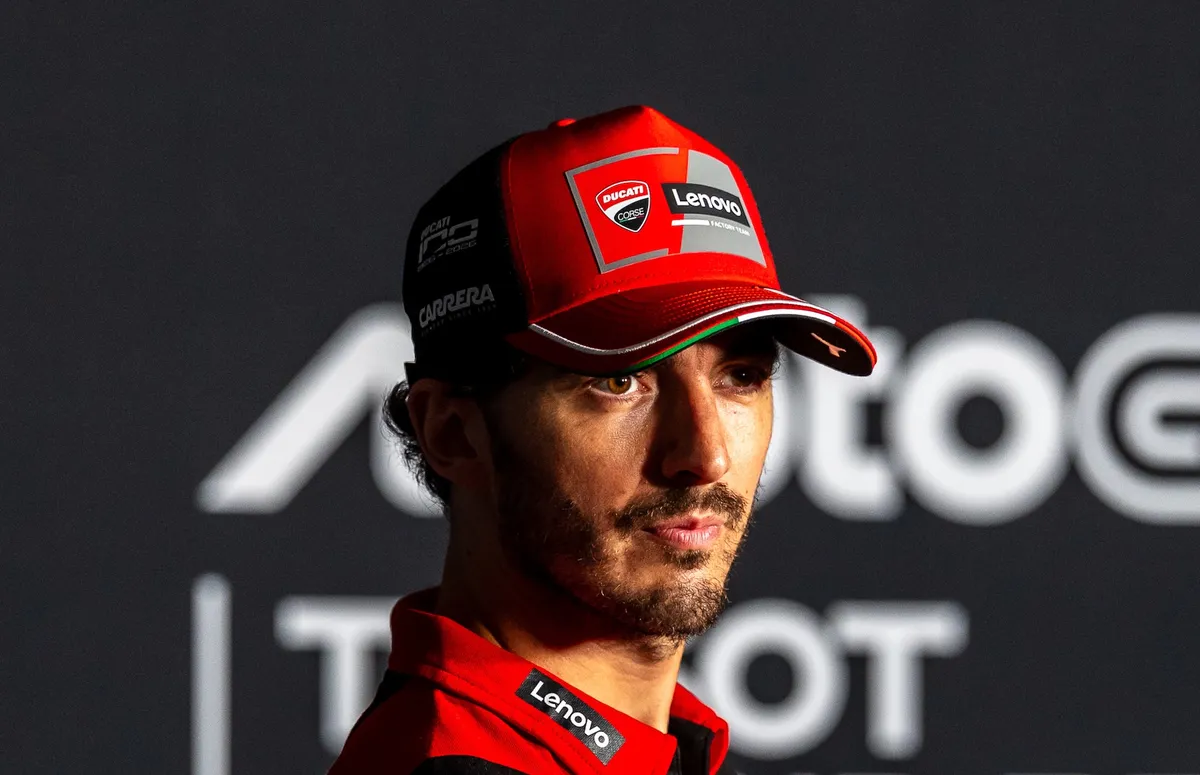
Francesco Bagnaia slams DAZN for airing private chat with Fabio Di Giannantonio, calling it disrespectful. The broadcaster has since apologised and removed the video.
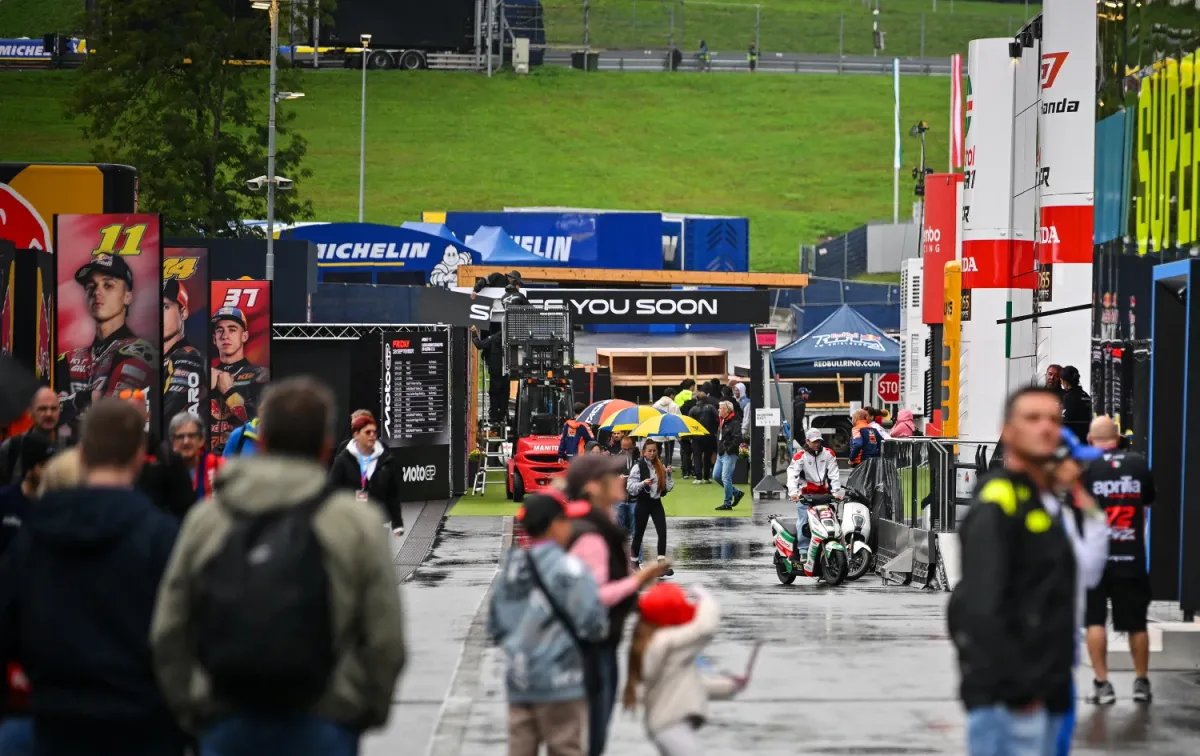
Heavy rain hits Red Bull Ring ahead of MotoGP Austria 2026. Marquez and Martin gear up for a wet battle, promising a thrilling contest.
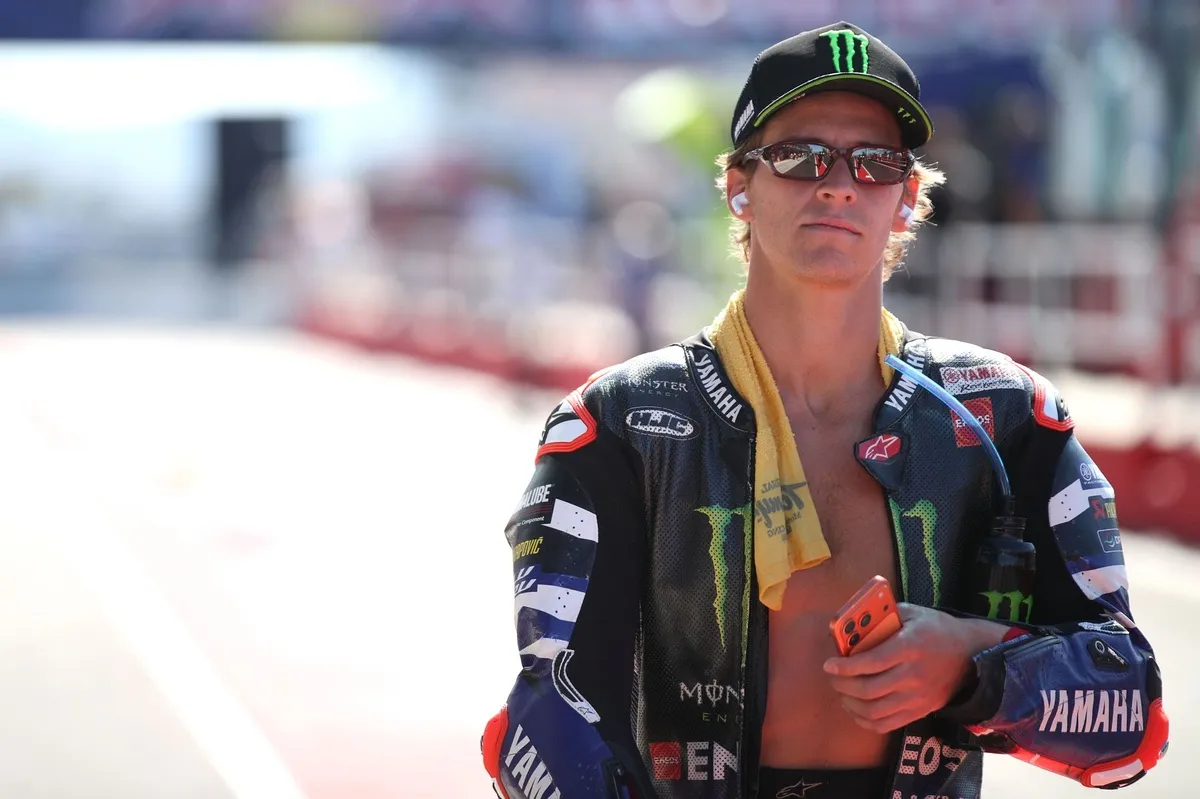
Fabio Quartararo insists his situation is not the same as Francesco Bagnaia's. The Yamaha rider says he would be furious if he were in Bagnaia's position amid the Italian's struggles with Ducati.
 Continue with Google
Discussion (0)
Join the Discussion!
Sign in easily to start commenting, replying, and interacting with other readers.
Latest Comments
No comments yet. Be the first!