







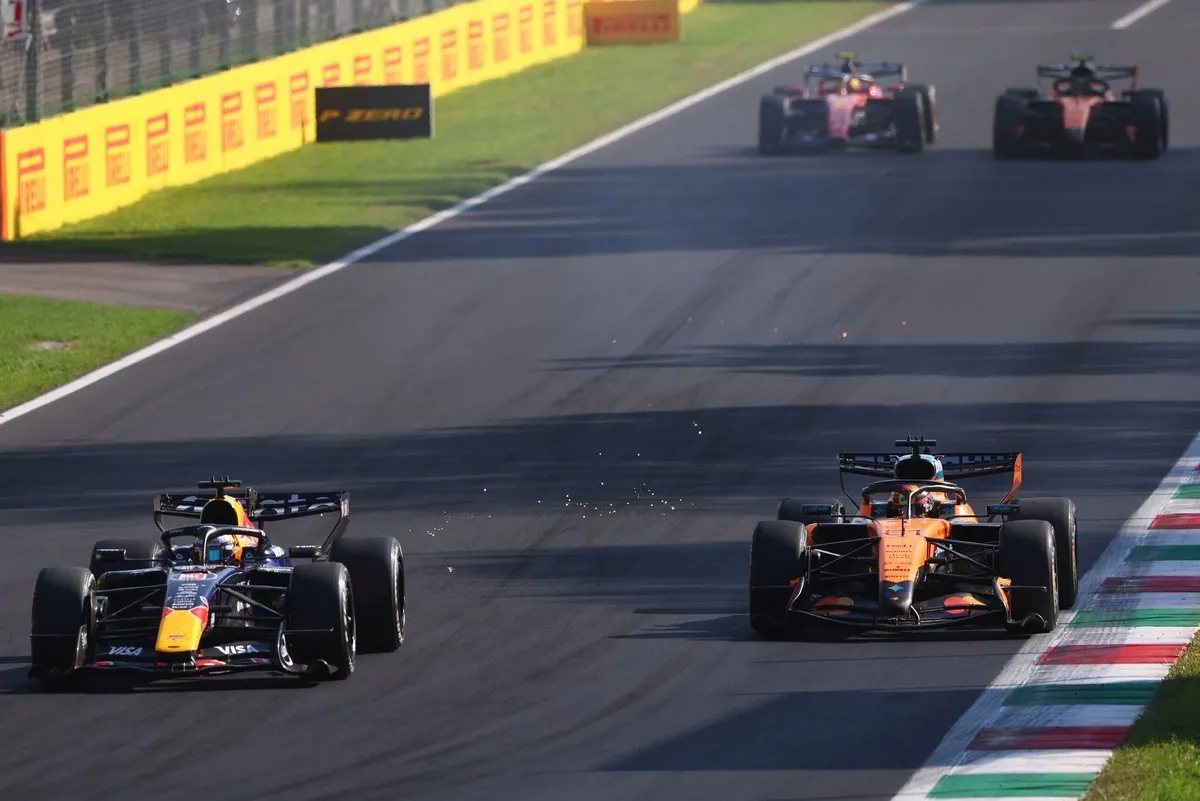

The Italian Grand Prix at Monza last weekend delivered a different kind of battle. If previously this high-speed circuit was synonymous with slipstreaming and fierce duels on the straights, the 2026 regulations have now introduced a new dimension called 'yo-yo racing'. This phenomenon made the race at the temple of speed the most dramatic and controversial spectacle of the season so far.
The term 'yo-yo racing' was born from the characteristics of F1 2026 cars, which can easily overtake thanks to extra battery boost but struggle to hold position once energy depletes. At Monza, this effect was even more extreme because the long straights amplified the effectiveness of the slipstream. Cars that are fundamentally slower could therefore tuck closely behind the car ahead, creating long trains that were hard to break.
Verstappen Tastes the Bitterness of Being a 'Turtle'
One of the clearest examples came from Max Verstappen. The Red Bull driver knew that his power unit performance was not enough to genuinely challenge Mercedes for the win. However, thanks to the massive slipstream effect, he was able to stay behind George Russell for a long time. But once he got into the lead, Verstappen became a sitting duck as he ran out of energy to defend.
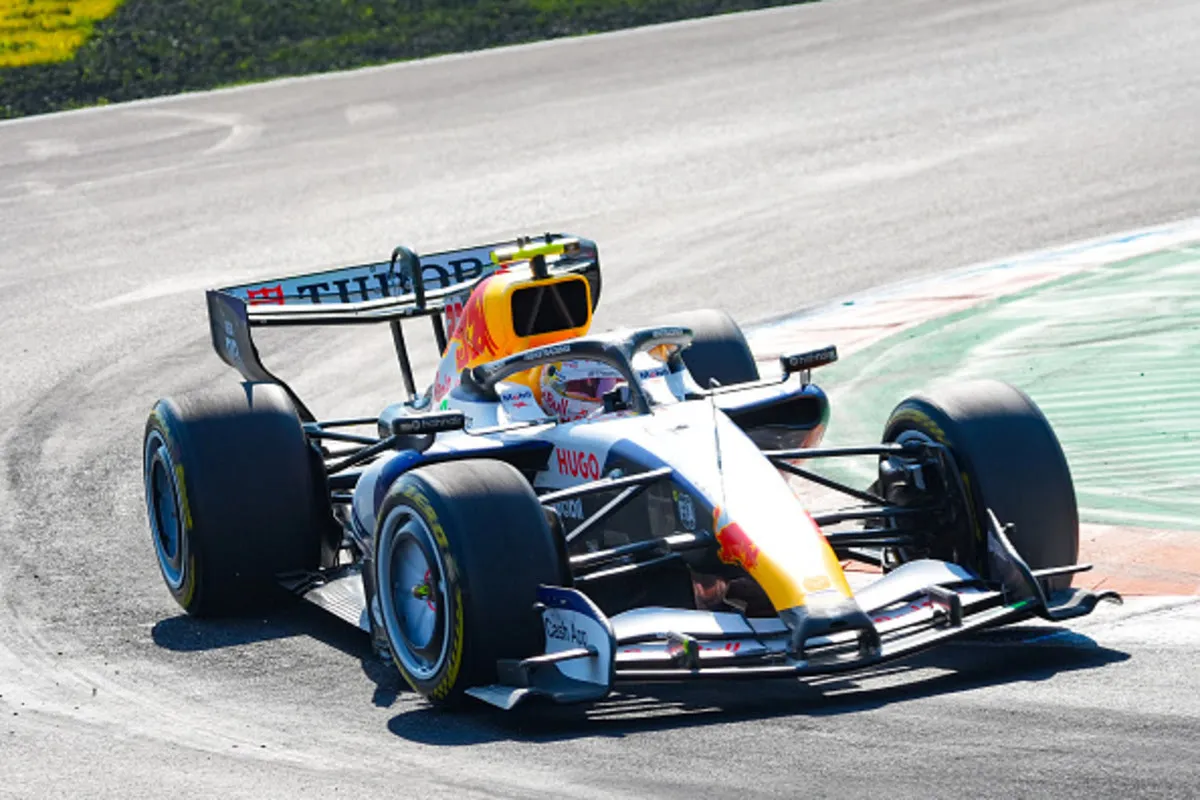
“To be honest, I didn't enjoy it a lot when people just drive by you like you're a turtle,” Verstappen said after the race. “With the overtake mode, it looked quite promising, but as soon as I got in the lead, it was very hard to defend. Even when we had the VSC, we boxed, had better tyres, I'm overtaking cars, but as soon as they can hang in that overtake mode, it's just too powerful for us to actually defend against that.”
A similar phenomenon occurred in other groups of drivers. Oscar Piastri and Lewis Hamilton lost touch with the leaders before the mid-race VSC, but then formed their own pack with Lando Norris and Pierre Gasly. The race thus turned into a kind of 'oval race' on a road course, where drivers had to work together to break the air and push each other, a tactic that is hard to execute in F1.
Impact on Strategy and Entertainment
McLaren team principal Andrea Stella explained that with these new regulations, completing an overtake and then pulling away is not an easy task. “Just see how long it took Lando to pass Gasly and then start to close the gap to the cars ahead. There is certainly a lot of entertainment, but to some extent there are also issues for a quicker car to be able to compete if you don't start at the front of the grid,” he said.
On the other hand, Ferrari boss Frederic Vasseur admitted that his team's race pace was actually okay, but the main issue was top speed and overtaking. “It was quite impossible for us to attack or to defend. When we were attacking someone, we were draining the battery, and next straight line we were like out of power,” he explained.
Despite providing plenty of overtaking action, this year's Monza race has raised big questions about the direction of F1 regulations in the future. Will 'yo-yo racing' continue to be a hallmark of the 2026 season? Or is it just a temporary phenomenon that will fade as cars develop? What is clear is that Monza has become a laboratory for a new style of racing never seen before in this sport.
Read Also
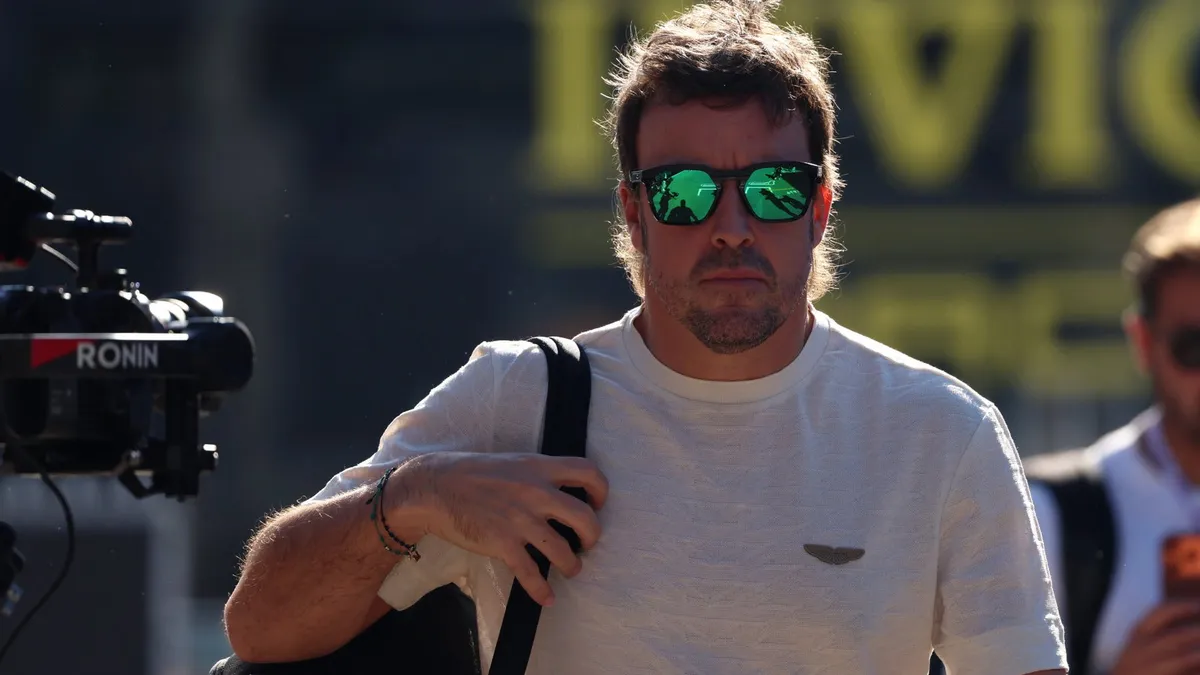
Fernando Alonso says Monza is 'no longer the Temple of Speed' as F1 2026 cars show lower top speeds. He also reflects on Aston Martin's double DNF at the Italian GP.
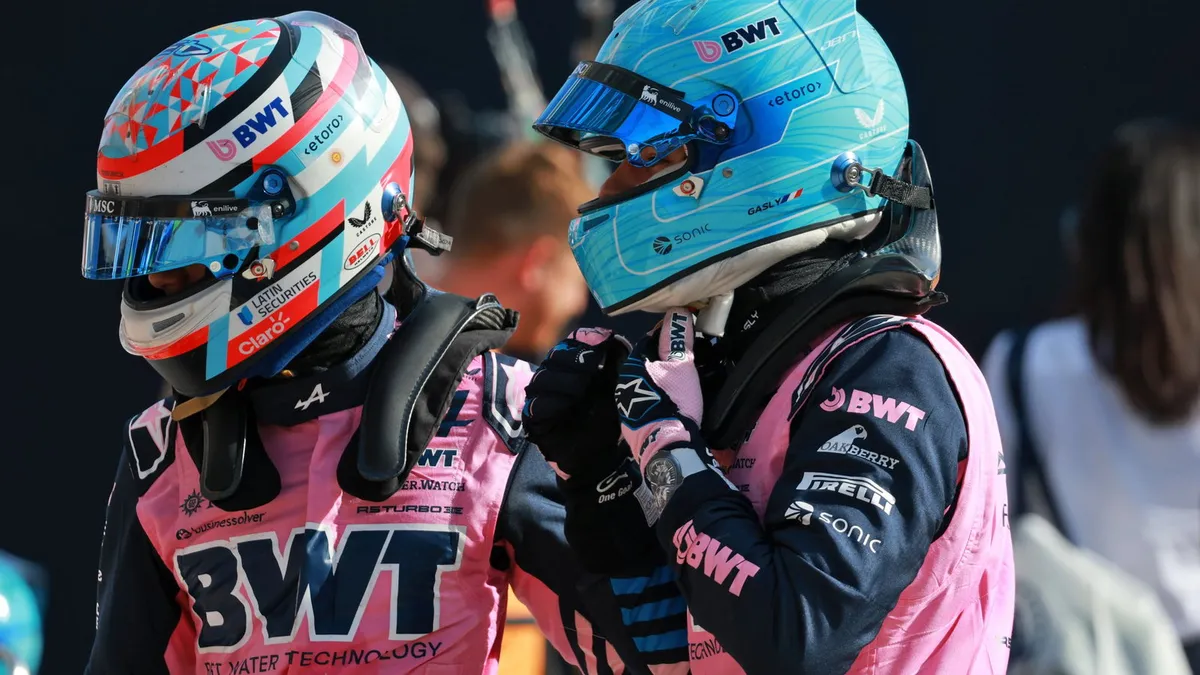
Franco Colapinto was in tears after a restart error at Monza cost him a potential podium. The Alpine driver recovered to P9, still scoring two points.
Lewis Hamilton and Charles Leclerc complete first laps at the new Madring circuit, F1's Spanish Grand Prix venue. Watch onboard and get track analysis.
 Continue with Google
Discussion (0)
Join the Discussion!
Sign in easily to start commenting, replying, and interacting with other readers.
Latest Comments
No comments yet. Be the first!