






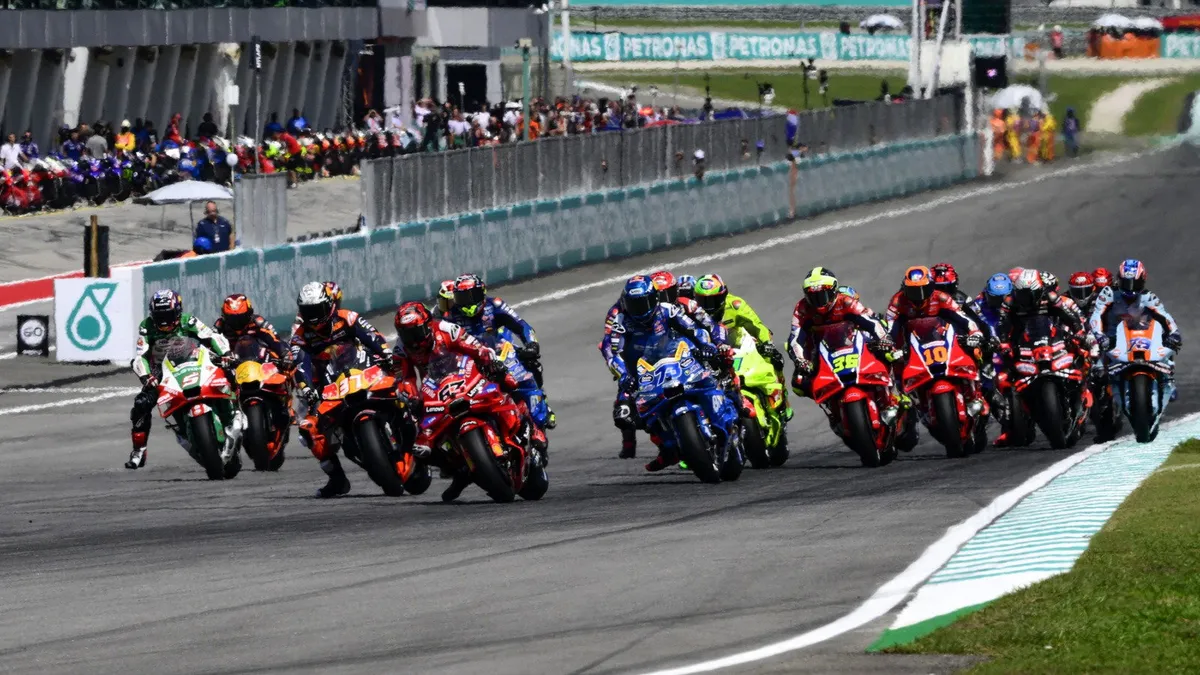

As the paddock fires up for this weekend's Malaysian Grand Prix, Michelin is rolling out a brand-new medium rear tyre option at Sepang despite the cancellation of the circuit's planned resurfacing work. Teams and riders must now quickly adapt their strategies to tackle the familiar, high-stress asphalt under track temperatures that regularly exceed 50 degrees Celsius.
Last year’s event saw every single rider trust the soft rear compound for both the Sprint and the Grand Prix. For this weekend, last year's unpopular medium transitions into the hard option, while a completely new symmetric medium is introduced alongside the returning soft compound for both front and rear allocations. Unlike the other rear options featuring a reinforced right shoulder for high-speed right-hand corners, the new medium boasts a symmetric construction designed to offer fresh technical pathways.
This strategic tyre puzzle unfolds as championship leader Marc Marquez arrives at the venue holding a narrow ten-point advantage over injured title rival Jorge Martin. Finding the optimal balance between the three rear specifications will heavily dictate how the grid manages degradation over race distance.
Reflecting on the unexpected track conditions, Piero Taramasso, Michelin Motorsport Two-Wheel Competition Manager, shed light on the development choices. "Sepang is a circuit we know extremely well because we regularly come here for testing, in addition to the Grand Prix itself. It’s a fast track, but above all, it’s particularly demanding on tyres," Taramasso explained.
Elaborating further on the decision to keep the new specification, Taramasso added: "For this year’s event, we originally prepared our tyre allocation with a planned resurfacing of the circuit in mind. However, the work was ultimately not carried out, so we will be racing on the same asphalt as in 2025. Nevertheless, we decided to retain the new rear medium specification, which was not originally intended for this surface, to give our partners an additional option. On such a demanding circuit, this additional flexibility could prove to be a real advantage."`
Read Also
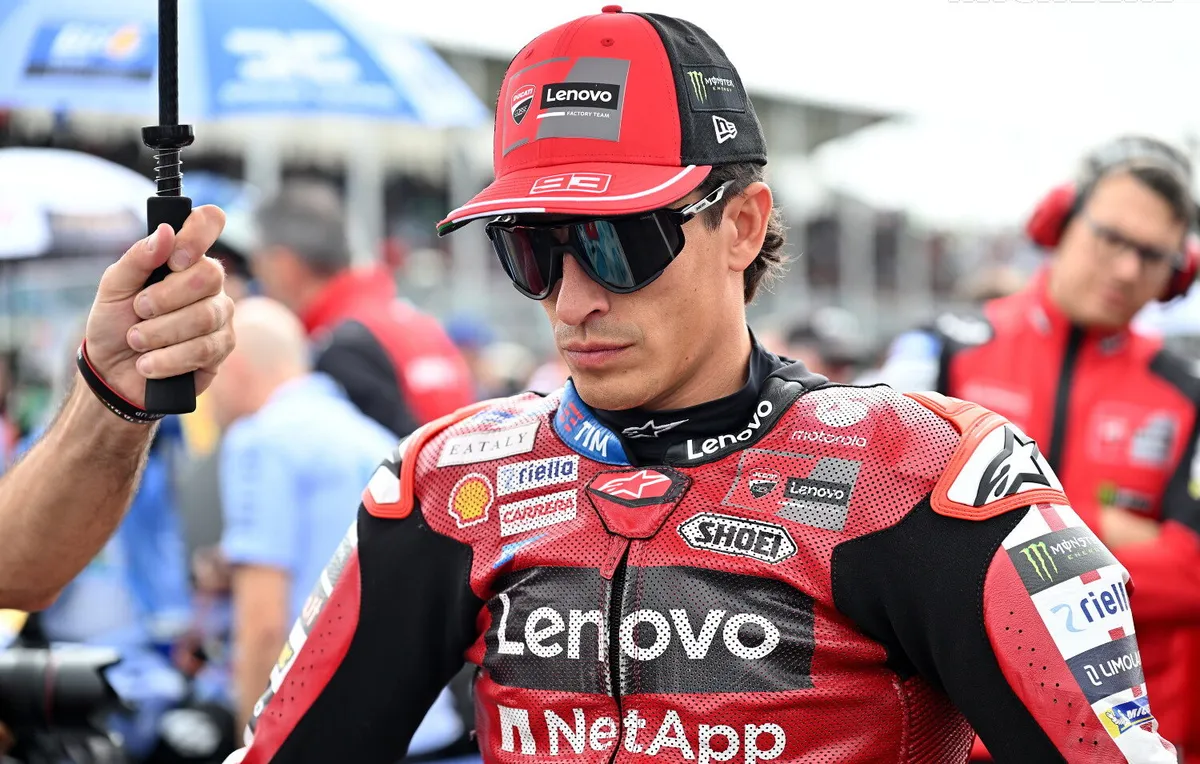
Marc Marquez hingga Jorge Martin sampaikan duka cita mendalam untuk korban kecelakaan kereta di Toledo. Baca ulasan lengkapnya di sini.
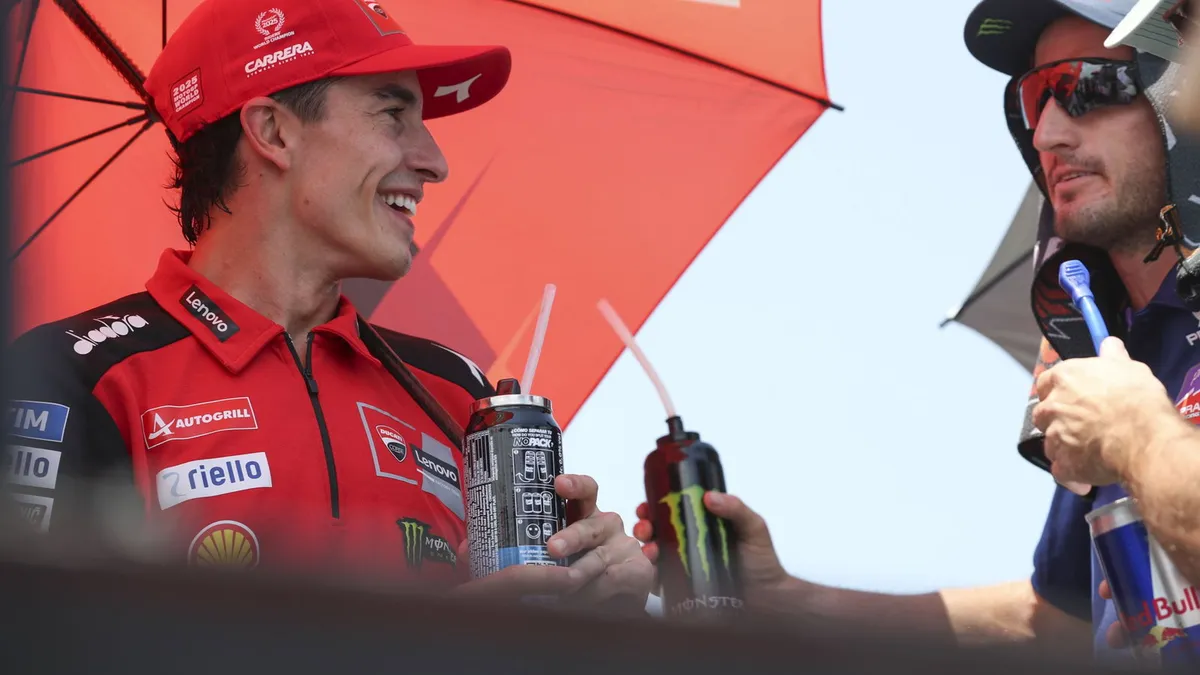
Simak kisah emosional perpisahan Jack Miller di MotoGP dan alasan Marc Marquez sempat membencinya. Baca analisis mendalam selengkapnya di sini.
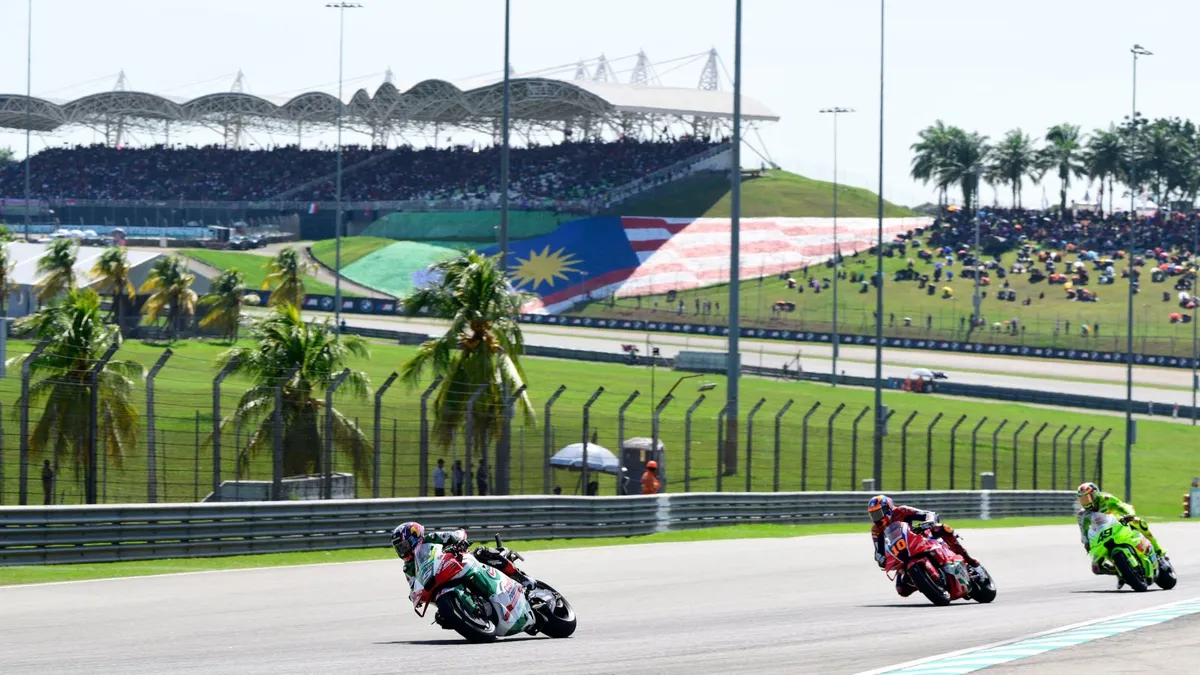
Simak analisis lengkap GP Malaysia 2026, perjuangan Marc Marquez, dan kondisi cedera Jorge Martin di Sepang. Baca berita selengkapnya di sini!
 Continue with Google
Discussion (0)
Join the Discussion!
Sign in easily to start commenting, replying, and interacting with other readers.
Latest Comments
No comments yet. Be the first!