






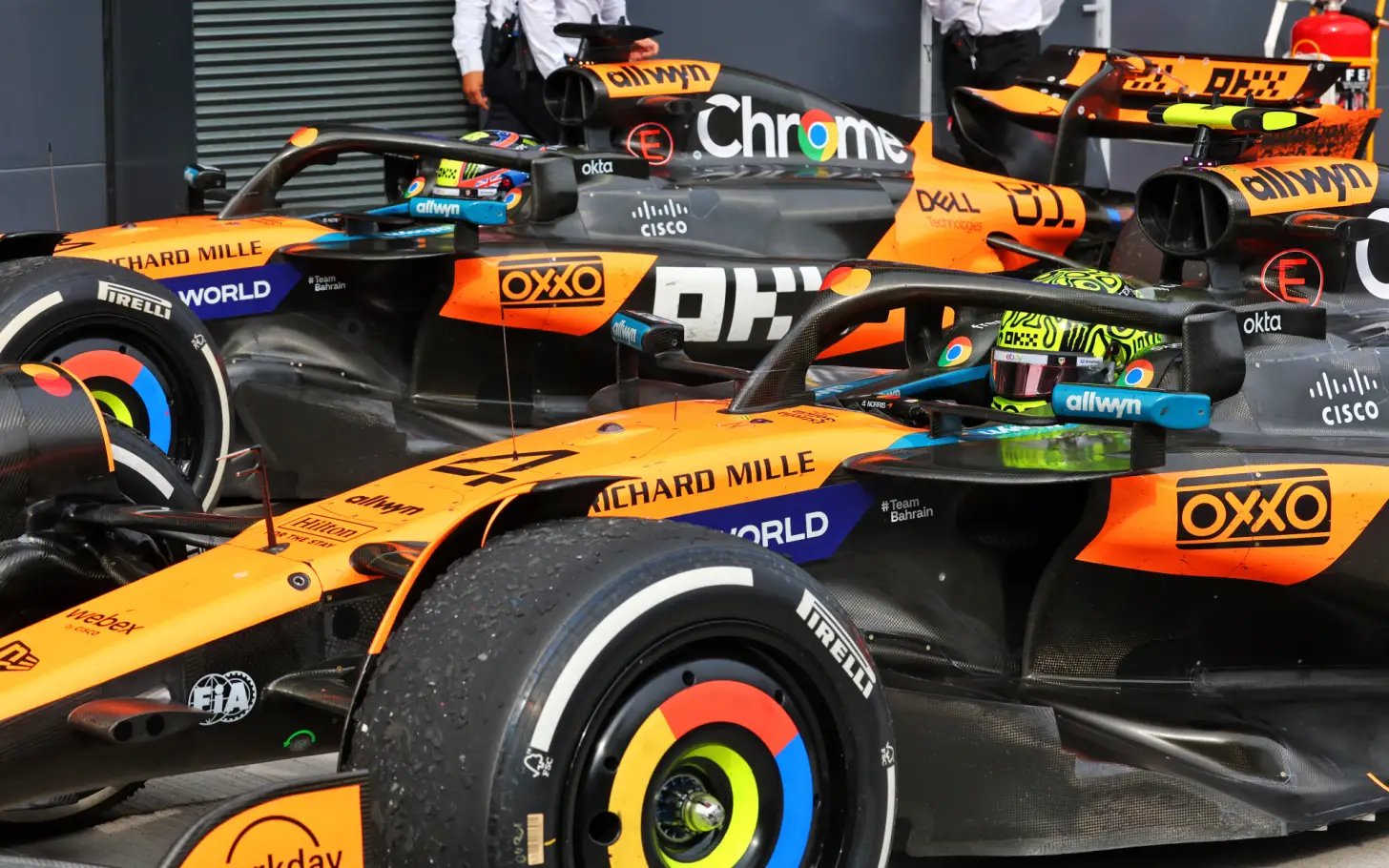

Formula 1, Sportrik Media - McLaren has outlined how its simulator has become the team’s “most powerful tool” as it prepares for Formula 1’s radically different 2026 regulations, with energy management expected to create a strategic “cat and mouse” battle between rivals.
For the new regulatory era, McLaren will continue as a customer of Mercedes High Performance Powertrains, while all teams work to understand how best to deploy significantly increased electrical energy across a lap and throughout a race.
Under the current regulations, battery deployment is limited to around 120 kW. From 2026, that figure will rise sharply to 350 kW, creating an equal 50:50 split between electrical output and the internal combustion engine. The shift fundamentally alters how performance is generated and managed, moving energy usage to the centre of race strategy.
Concerns emerged last season that the new 50:50 concept could leave drivers running out of electrical energy partway down long straights if deployment is misjudged, forcing cars to rely solely on ICE power. McLaren performance technical director Mark Temple explained that understanding and mitigating that risk has become a central focus of the team’s development work.
“As soon as the driver is involved, our most powerful tool is the simulator,” Temple told select media, including RacingNews365.
Temple, who previously served as race engineer to Lewis Hamilton and Fernando Alonso, said the simulator is critical in teaching drivers how the 2026 regulations reshape energy usage around a lap.
“There’s a certain amount we can do in briefing the drivers, to help them understand the principles the 2026 rules create around using energy more intelligently and more strategically, and the need to harvest energy more consciously.”
While much of the energy management will be handled automatically by the power unit control systems, Temple stressed that several key elements remain directly within the driver’s control.
“A lot of the management is done through the power unit control, but there are also elements within the driver’s control which they need to understand and use optimally, and the simulator is by far the best tool for that.”
McLaren has been working closely with HPP to reproduce the expected 2026 power unit behaviour in its simulator, allowing its race drivers to run detailed simulations of circuits such as Australia and Bahrain. These exercises are designed to highlight differences between qualifying laps, race laps, and varying race scenarios.
“We’ve been able to recreate some of those behaviours and then run simulations of Australia, Bahrain and others to understand the different challenges between qualifying and race laps, and even different race situations.”
According to Temple, the most complex and unpredictable aspect of the new era will be wheel-to-wheel combat, where energy availability replaces DRS as a primary tactical variable.
“The most interesting aspect, and the hardest thing to simulate, is overtaking and attacking and defending scenarios. Previously you had DRS, and there wasn’t much tactical depth in how the driver used the controls.”
In 2026, however, energy deployment decisions will directly influence a driver’s offensive and defensive options.
“The amount of energy you have will be much more of a factor in strategy. Take Bahrain, for example, with three long straights in a row from Turn 13 to Turn 4. How much energy you use on each straight will be a really interesting challenge for drivers, especially early on.”
Temple believes this will introduce a new layer of interaction between competitors that cannot be fully predicted in advance.
“Even if we understand that ‘if I do this’, the question becomes how my competitor reacts. There’s a bit of cat and mouse there, and that’s what will make it really interesting and exciting, because we can’t completely predict it.”
McLaren’s approach highlights how the 2026 Formula 1 era will be shaped not only by hardware performance, but by a team’s ability to model, simulate, and teach complex energy strategies to its drivers. As deployment decisions increasingly define overtaking and defence, mastery of these systems could prove decisive in the opening seasons of the new regulations.
Read Also
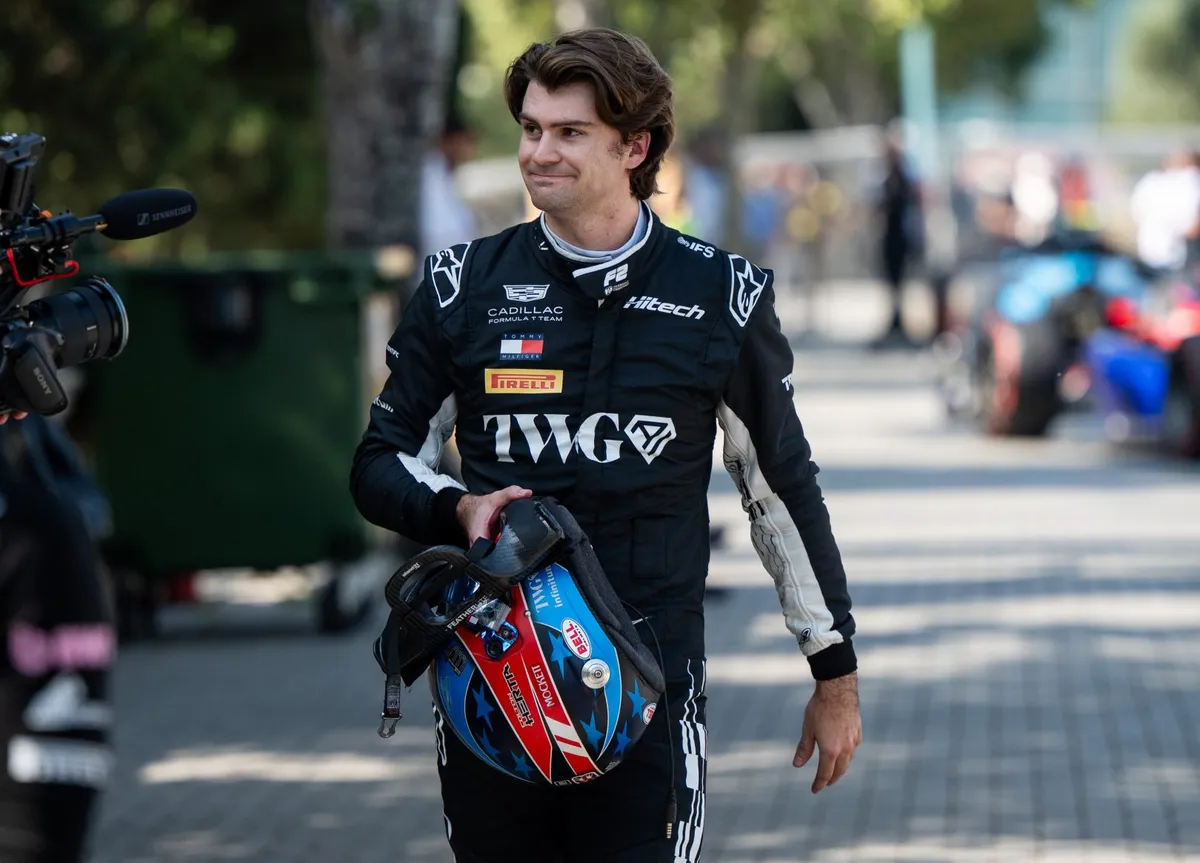
Colton Herta masih berjuang mengejar kursi F1 meski musim debutnya di Formula 2 bersama Hitech berjalan sulit. Ia berdiskusi dengan Cadillac untuk peran musim depan.
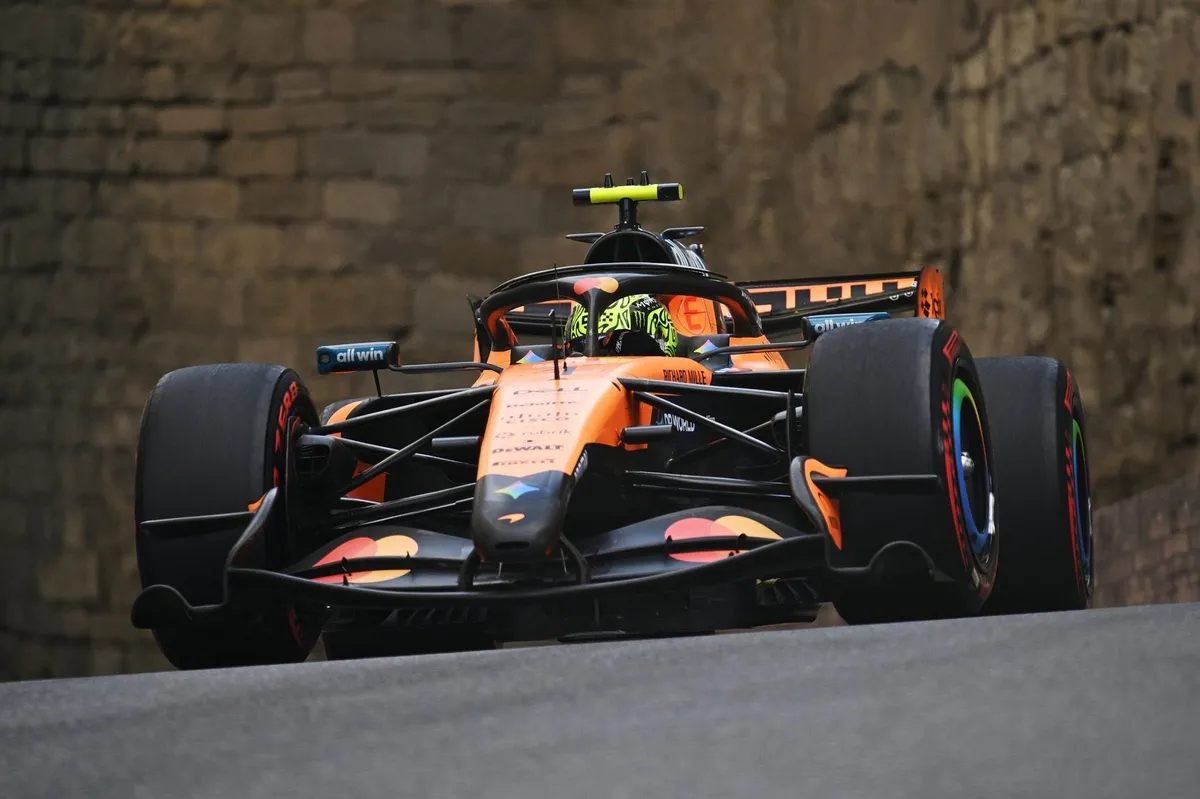
McLaren Racing diproyeksikan jadi tim F1 pertama dengan pendapatan $1 miliar. Simak analisis lonjakan finansial dan komentar CEO Zak Brown.
Lewis Hamilton menolak Sprint Race di Monaco untuk F1 2027, menyebut balapan di sirkuit sempit itu membosankan dan butuh format berbeda.
 Continue with Google
Discussion (0)
Join the Discussion!
Sign in easily to start commenting, replying, and interacting with other readers.
Latest Comments
No comments yet. Be the first!