







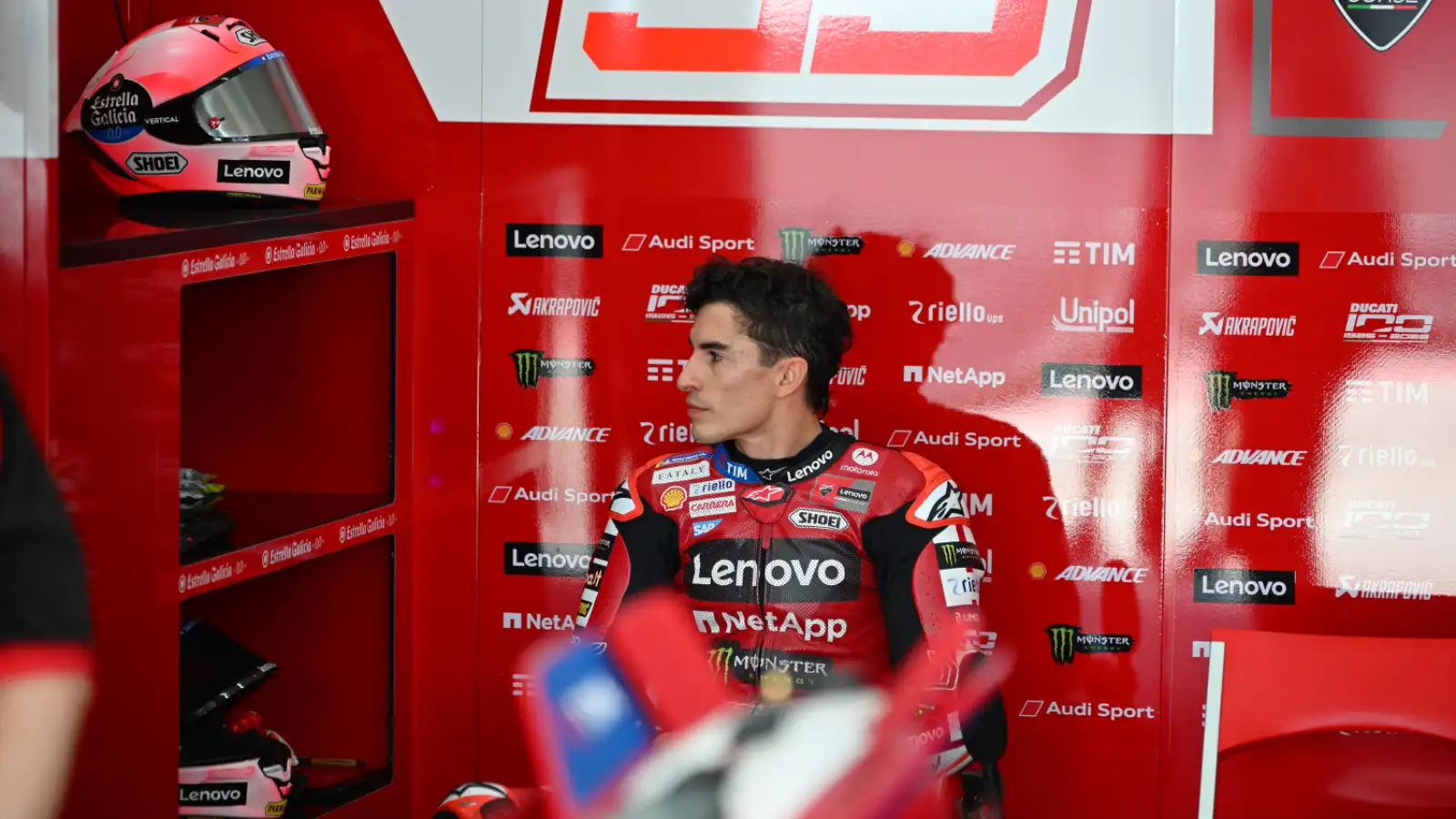

MotoGP, Sportrik Media - Marc Marquez’s dominance in MotoGP can be distilled into two defining elements: advanced race craft and precise tyre management. That assessment comes from former world champion Casey Stoner, whose seat at Repsol Honda was taken by Marquez in 2013 following his retirement in 2012.
Observing Marquez’s entire premier-class career from the outside, Stoner believes the Spaniard’s edge is not merely about outright speed. Instead, he argues that Marquez’s ability to construct a race strategically has separated him from rivals who rely too heavily on raw pace.
“There’s no doubting his talent or speed,” Stoner said in an interview. “But a lot of riders fall into the same trap. There are plenty of fast riders, but not many who use their full race craft. That’s where Marc beats them.”
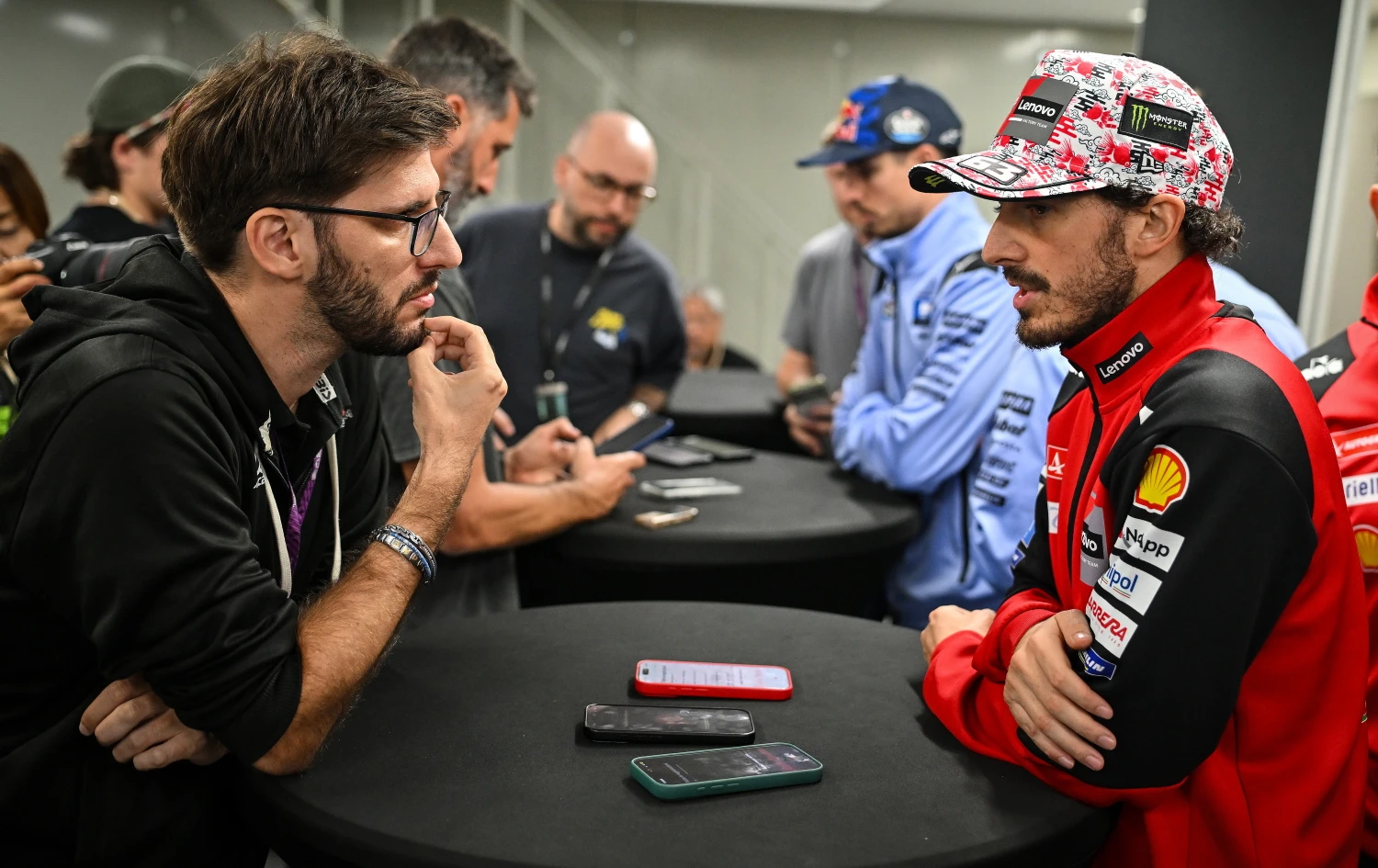
Stoner even suggested that Marquez once had a notable weakness, one that competitors failed to exploit because they viewed him as an insurmountable benchmark rather than analysing how to counter him tactically.
Marquez endured a six-year gap between his 2019 title and his 2025 championship, the longest such interval for a returning champion in MotoGP history. Severe injuries and Honda’s performance decline led him to leave for Gresini Racing before eventually securing a factory seat at Ducati, where he re-established himself at the front.
According to Stoner, those difficult seasons strengthened Marquez mentally. He now approaches racing with greater patience and intelligence compared to the more aggressive, risk-driven style that defined his early 2010s campaigns.
“The difficult years have built another level of strength, intelligence and patience,” Stoner observed. “That’s what many of the riders racing him now seem to lack.”
A central theme in Stoner’s analysis is tyre management. Throughout 2025, Marquez consistently refrained from overusing his tyres in the opening laps, preserving grip for decisive late-race attacks.
“A very common theme last year was how patient he was with the tyres. People didn’t pick up on that enough.”
Stoner likened this approach to Formula 1, drawing parallels with Max Verstappen’s method of gradually bringing tyres into their operating window before pushing later in a stint. In MotoGP, Marquez’s controlled early pace ensures that he retains superior grip when others begin to struggle.
Another differentiating factor, in Stoner’s view, is Marquez’s limited reliance on electronics. He explained that electronic systems react only after slip occurs, whereas a rider who can sense grip levels proactively can stay ahead of that intervention.
“Marc keeps the electronics from having to react too aggressively early in the race. He’s gentle on the tyres, picks the bike up earlier out of corners, reduces sliding, and avoids overstressing the rear.”
By maintaining smoother throttle application and controlled corner exits, Marquez conserves tyre life. When grip inevitably drops later in the race and electronic intervention increases, he retains a relative advantage over rivals who have already exhausted their tyre performance.
Stoner believes this refined understanding of race phases — knowing where and when a race is truly won — marks the evolution of Marquez into a more strategic competitor. Rather than relying solely on speed and risk-taking, his current approach blends patience, technical awareness, and tactical timing.
With enhanced race intelligence and meticulous tyre preservation, Marquez’s second chapter in MotoGP has been defined not by raw aggression, but by calculated execution — a transformation that has reinforced his position at the summit of the championship.
Read Also
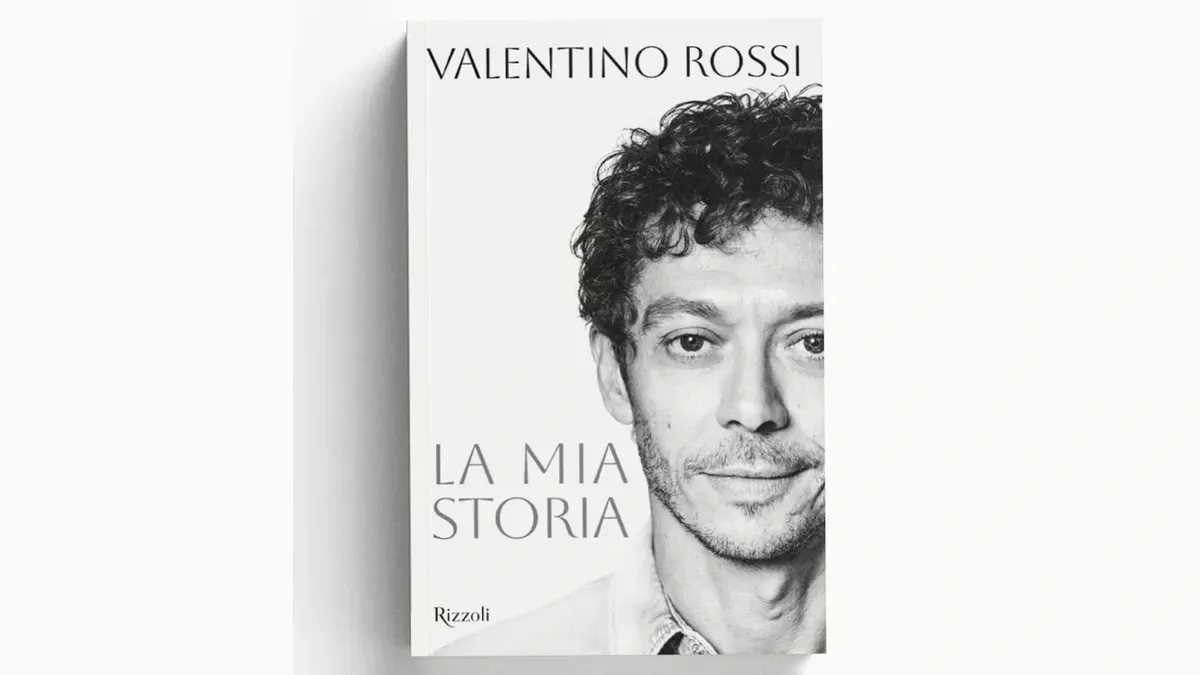
Valentino Rossi akan merilis autobiografi La Mia Storia November 2026, mengungkap kebenaran rivalitas, musim 2015, dan kisah pribadinya.
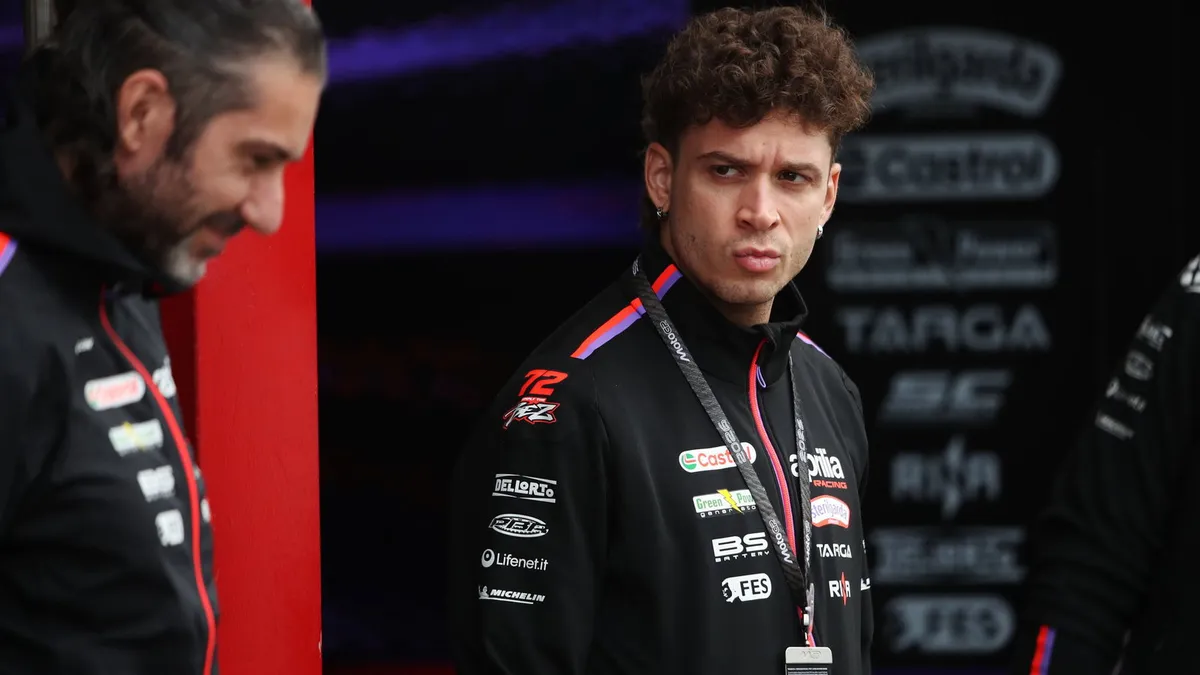
Marco Bezzecchi nyaris high-side di FP1 MotoGP Jepang, sebut dirinya beruntung. Simak analisis performa dan dampaknya bagi klasemen.
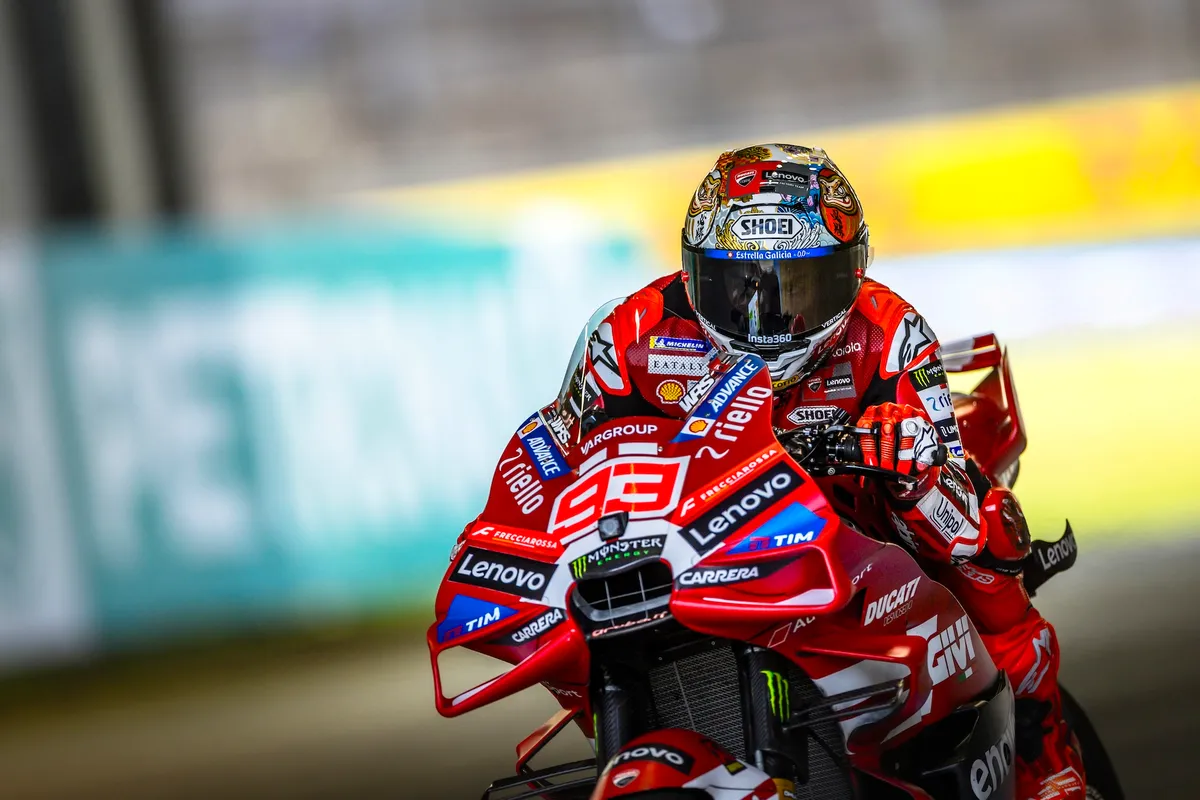
Marc Marquez tampil tanpa tekanan di MotoGP Jepang 2026 berkat gelar juara dunia 2025. Ia akui Pedro Acosta lebih cepat di Motegi.
 Continue with Google
Discussion (0)
Join the Discussion!
Sign in easily to start commenting, replying, and interacting with other readers.
Latest Comments
No comments yet. Be the first!