







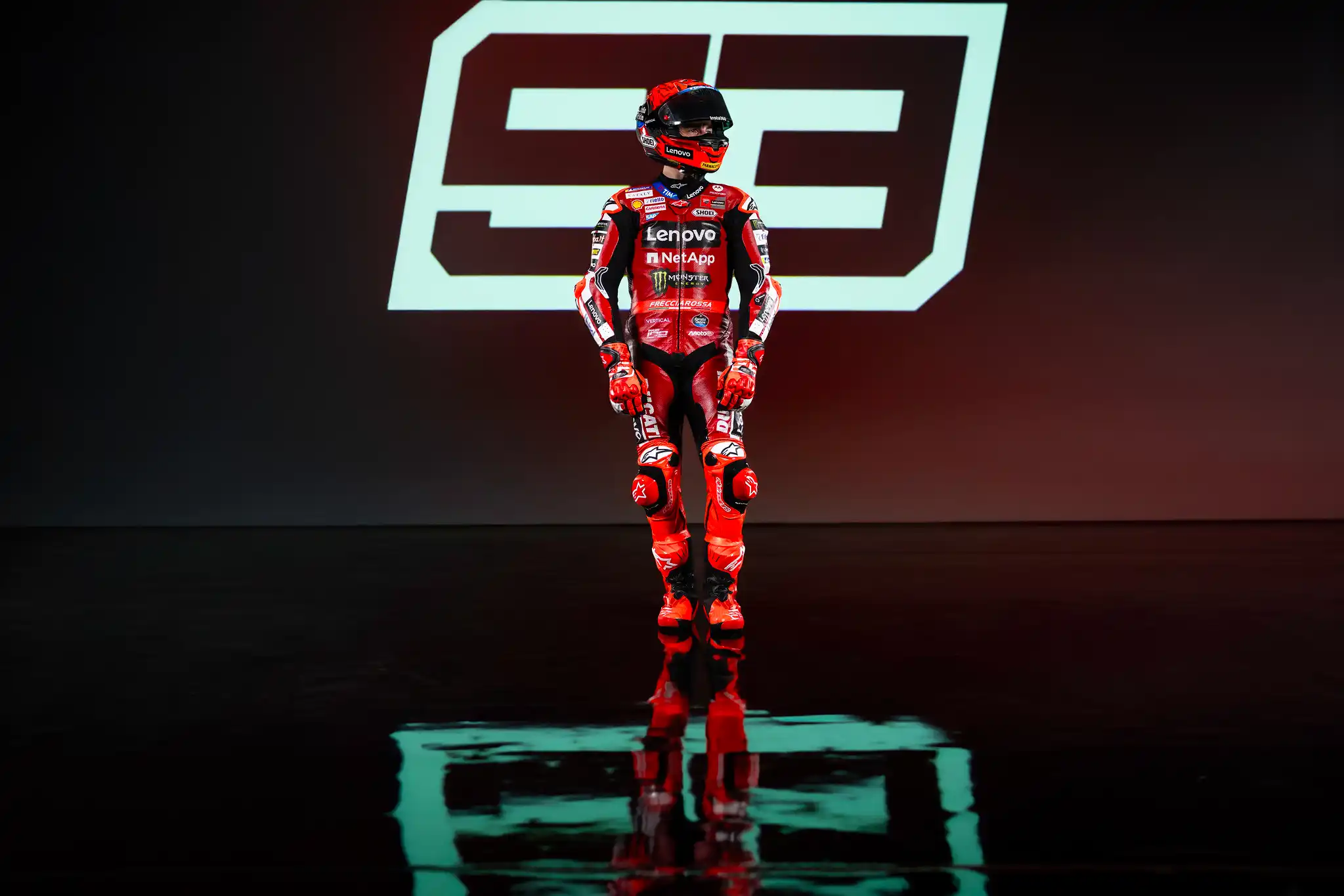

MotoGP, Sportrik Media - Marc Marquez enters the 2026 Thailand MotoGP alongside the Ducati Lenovo Team as the central figure shaping the rider market ahead of the new FIM MotoGP World Championship regulations set to be introduced in 2027, with every factory seat still contractually open.
MotoGP Rider Market Approaches a Critical Phase
As the paddock prepares for the transition toward the 850cc regulations in 2027, the contractual landscape of MotoGP has reached an unusually volatile state. As of 22 January, no rider at factory level holds a contract extending through to the end of the 2027 season. This reality turns the 2026 campaign into far more than a competitive year, instead positioning it as a decisive evaluation phase for manufacturers planning their technical and sporting futures.
At present, only Johann Zarco and Diogo Moreira at LCR Honda have secured long-term agreements through Honda Racing Corporation. Outside of that structure, Toprak Razgatlioglu stands as the sole rider with multi-year security after signing a long-term deal with Prima Pramac Racing.
The absence of factory-level contractual stability means that any single decision by a top-tier rider is capable of triggering a chain reaction that reshapes the entire grid heading into 2027.
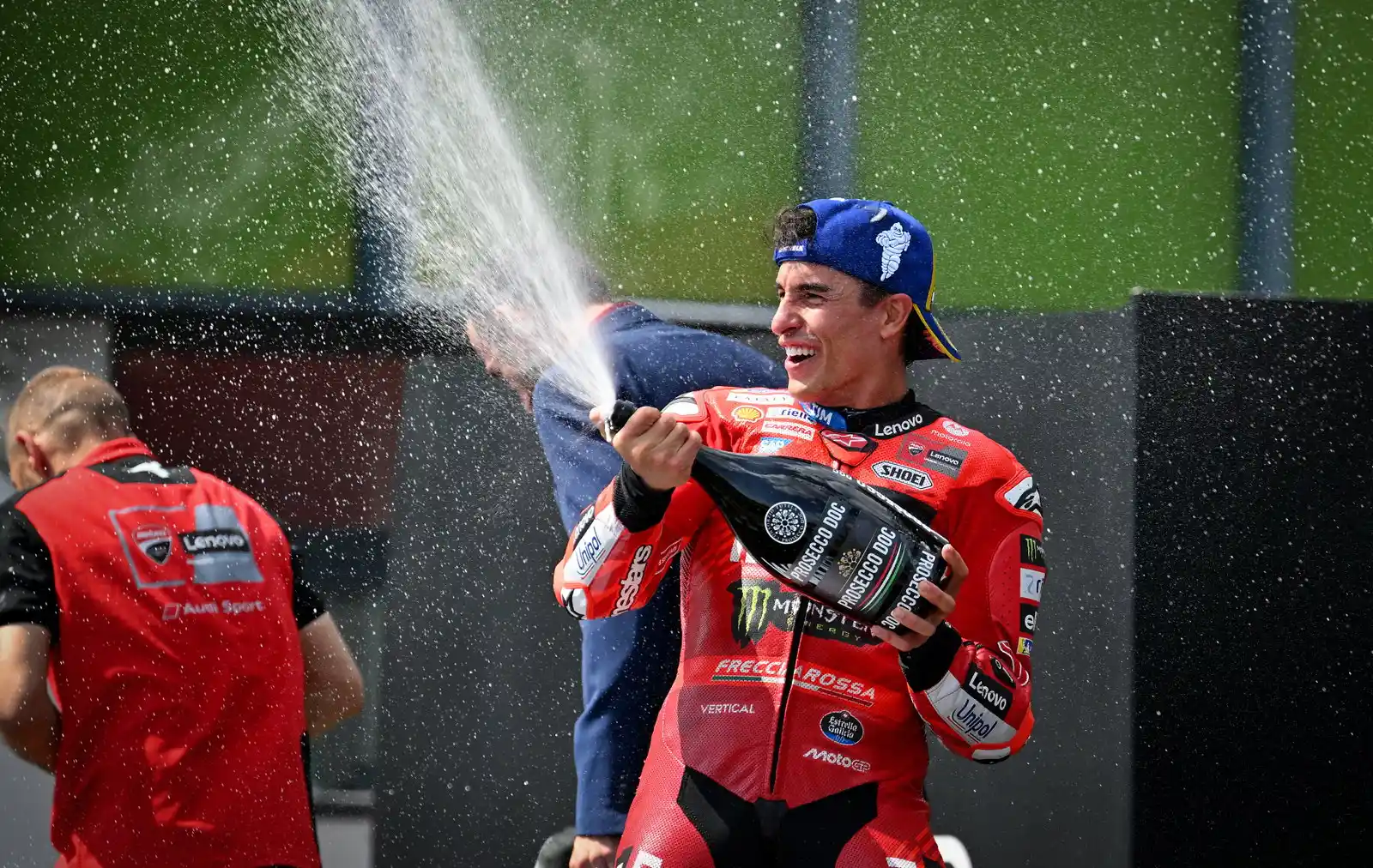
Marc Marquez as Ducati’s Strategic Axis
As reigning world champion, Marc Marquez sits firmly at the centre of this market dynamic. His dominant 2025 campaign with Ducati did more than restore his elite status following years disrupted by serious injury; it re-established him as the primary technical reference for the Italian manufacturer.
Ducati’s development direction has increasingly aligned with Marquez’s riding style, influencing chassis balance, aerodynamic philosophy, and race-distance tyre management. As a result, his contractual future is not merely a sporting decision but a strategic necessity for Ducati as it prepares for the 850cc era.
“I expect most of the big names to have deals in place before the season really gets going in Thailand,” Marquez said during Ducati’s official launch.
That statement underlines how early-season performances and negotiations are expected to define the rider market, with Marquez positioned as the first major domino.
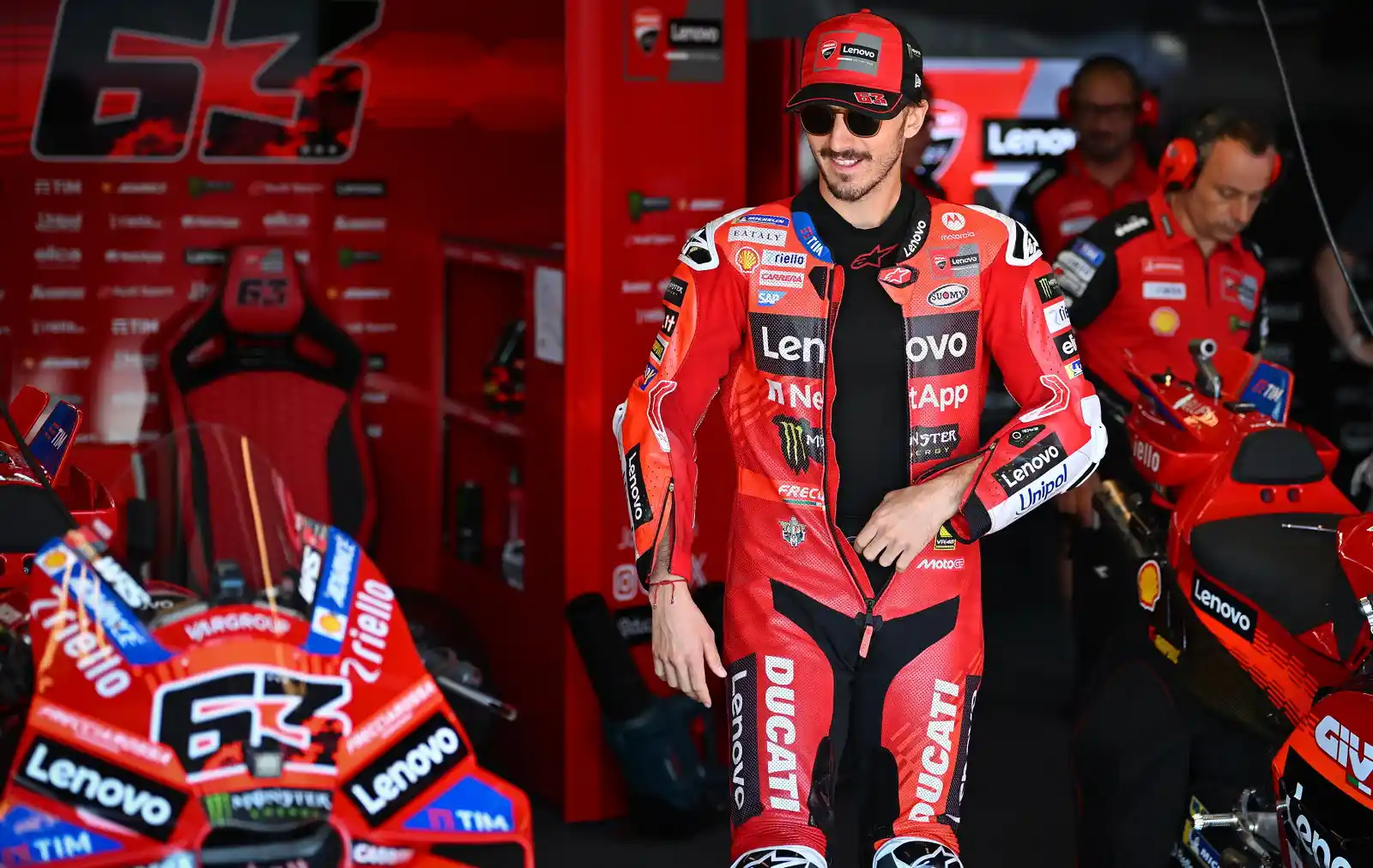
Direct Implications for Francesco Bagnaia
Marquez’s situation inevitably impacts Francesco Bagnaia. Despite being a two-time MotoGP world champion, Bagnaia endured an inconsistent 2025 season that weakened his negotiating leverage within Ducati’s internal hierarchy.
Should Ducati commit fully to Marquez as the cornerstone of its 2027 project, the second factory seat becomes the most sensitive position on the grid. That decision carries consequences not only for Bagnaia, but also for the wider Ducati ecosystem, including satellite team structures, allocation of latest-spec machinery, and long-term talent retention strategy.
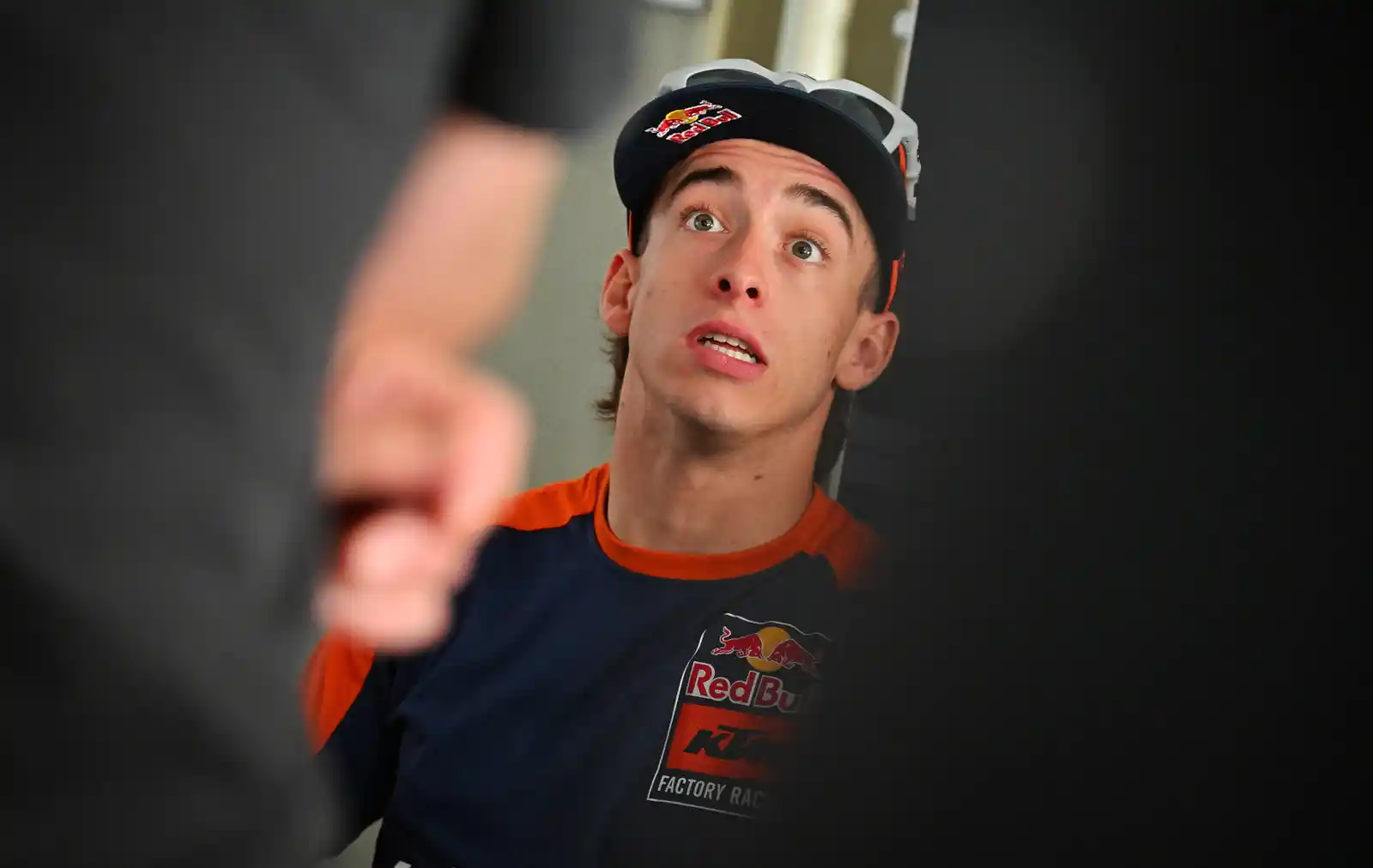
Pedro Acosta and Long-Term Value for the 850cc Era
Beyond Ducati, Pedro Acosta has emerged as one of the most valuable assets in the 2027 rider market. Entering his third MotoGP season, Acosta remains winless at premier-class level, yet his influence on Red Bull KTM Factory Racing during the second half of 2025 reinforced his reputation as a transformational talent.
The incoming regulations will fundamentally alter motorcycle behaviour, placing a premium on adaptability and technical intelligence. In that context, Acosta is viewed as a long-term investment for any manufacturer seeking stability and growth rather than immediate results alone.
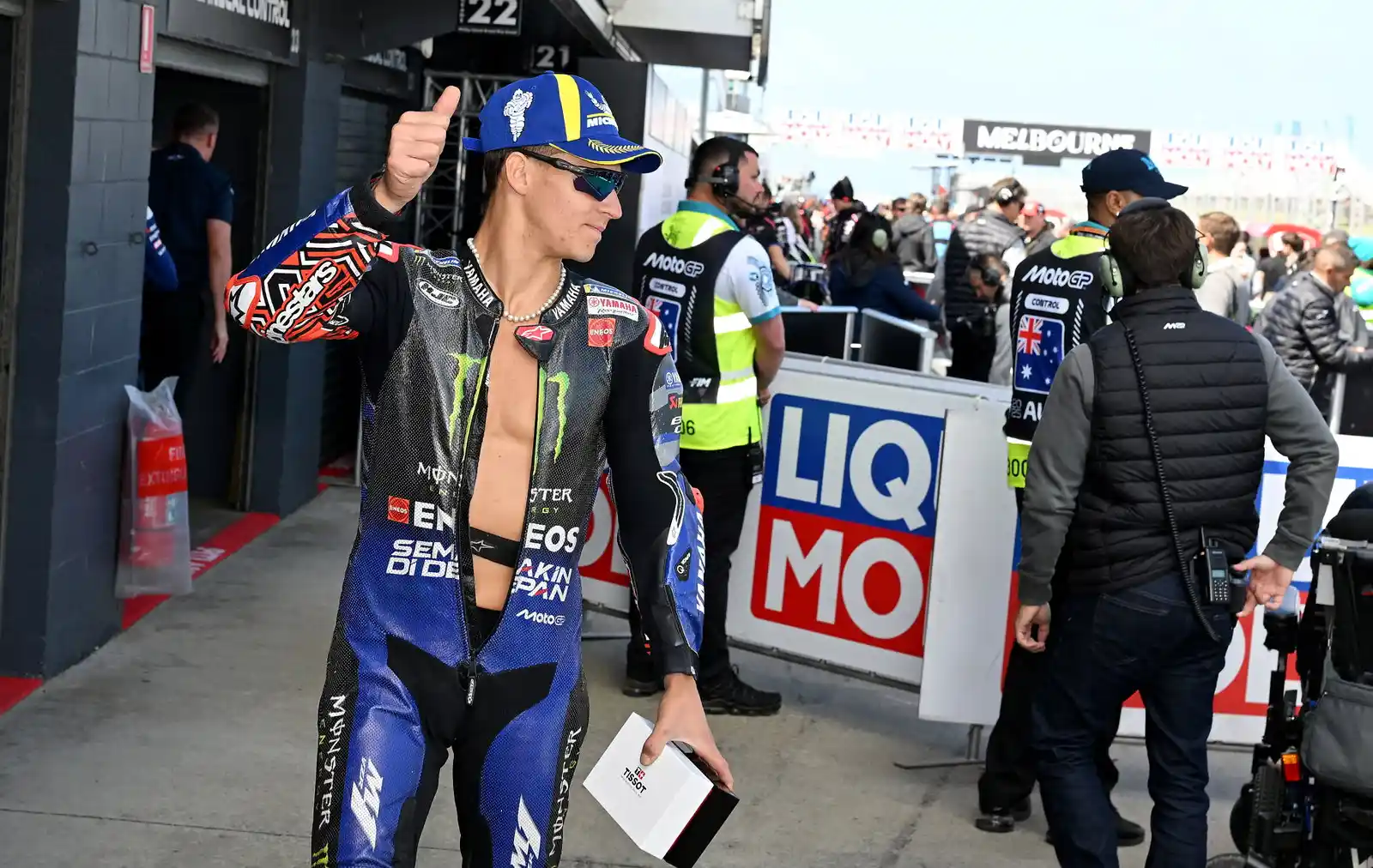
Yamaha, Quartararo, and a Mismatch of Timelines
A similar tension exists within Yamaha. Fabio Quartararo enters his eighth season with the Monster Energy Yamaha MotoGP team at a point where his individual performance has consistently exceeded the technical limitations of the machinery.
Yamaha’s transition to a V4 engine in 2026 represents a bold long-term strategy, but the project’s timeline does not fully align with Quartararo’s competitive prime. This mismatch places pressure on both rider and manufacturer to reach clarity before the next regulation cycle begins.
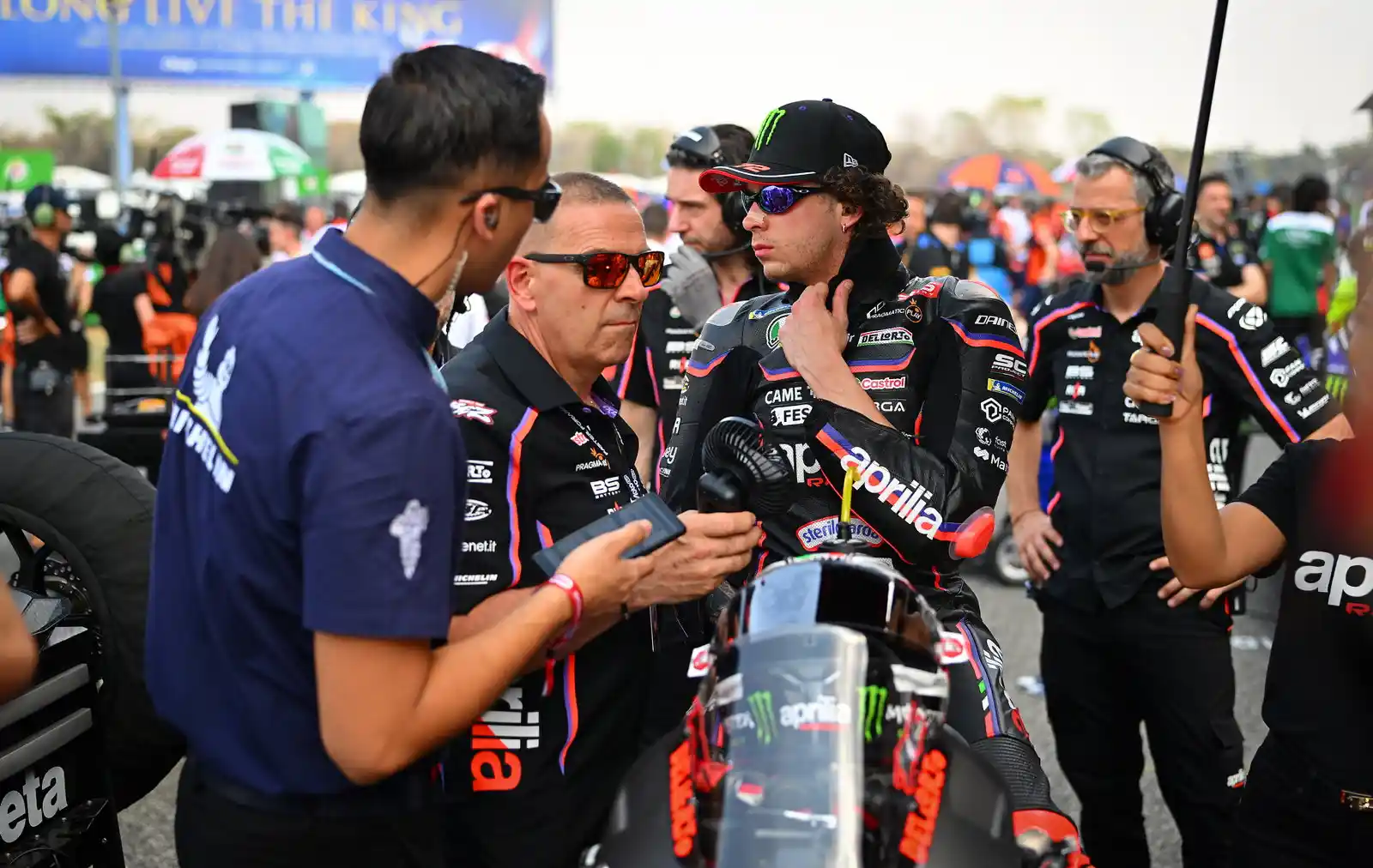
Marco Bezzecchi and Aprilia’s Pursuit of Continuity
In contrast, Marco Bezzecchi has seen his market value rise sharply. Three victories and third place in the championship last season elevated him to a leadership role within Aprilia Racing.
Bezzecchi’s contribution to RS-GP development, particularly in race consistency and long-run performance, has positioned him as a cornerstone of Aprilia’s technical continuity heading toward 2027.
Short-Term Pressure, Long-Term Consequences
The lack of contractual resolution heading into Thailand MotoGP 2026 increases competitive pressure from the opening round. Every result, development input, and internal dynamic will feed directly into negotiations shaping the next era of MotoGP.
In the longer term, agreements reached before the midpoint of the 2026 season will define the competitive order of MotoGP 2027, influencing manufacturer stability, development trajectories, and the balance of power as the championship enters its 850cc chapter.
Read Also
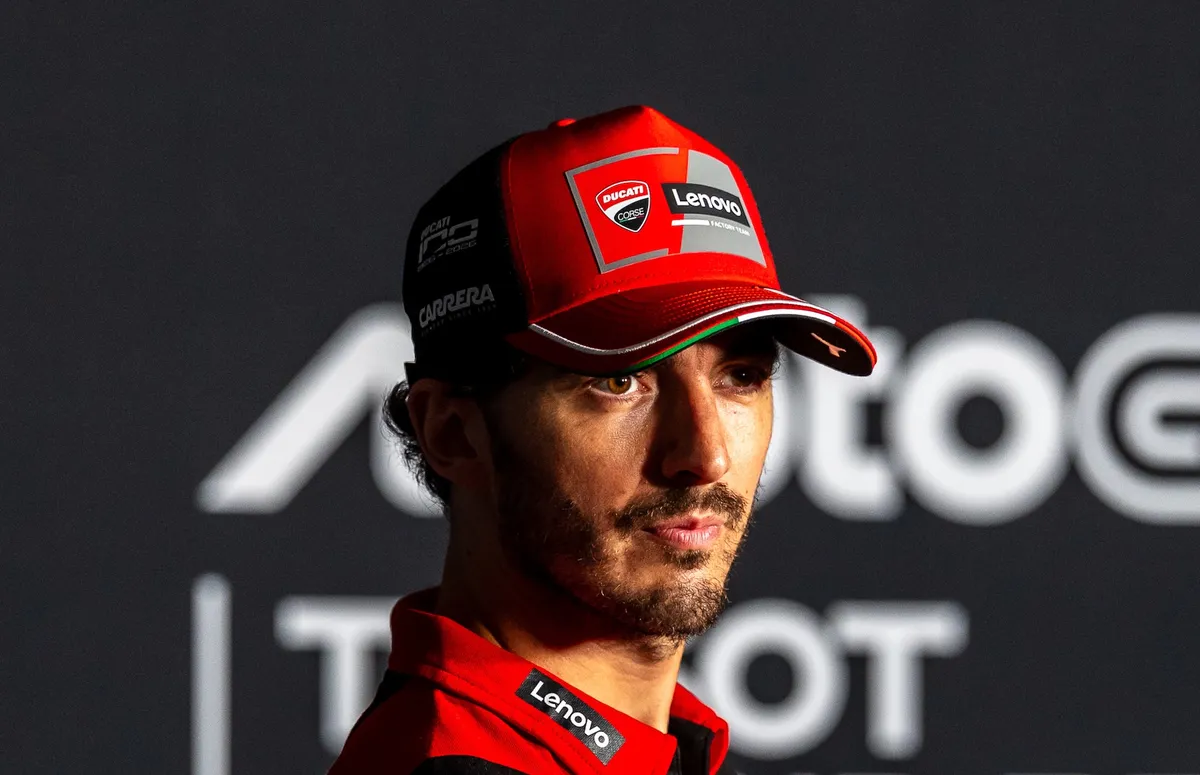
Francesco Bagnaia slams DAZN for airing private chat with Fabio Di Giannantonio, calling it disrespectful. The broadcaster has since apologised and removed the video.
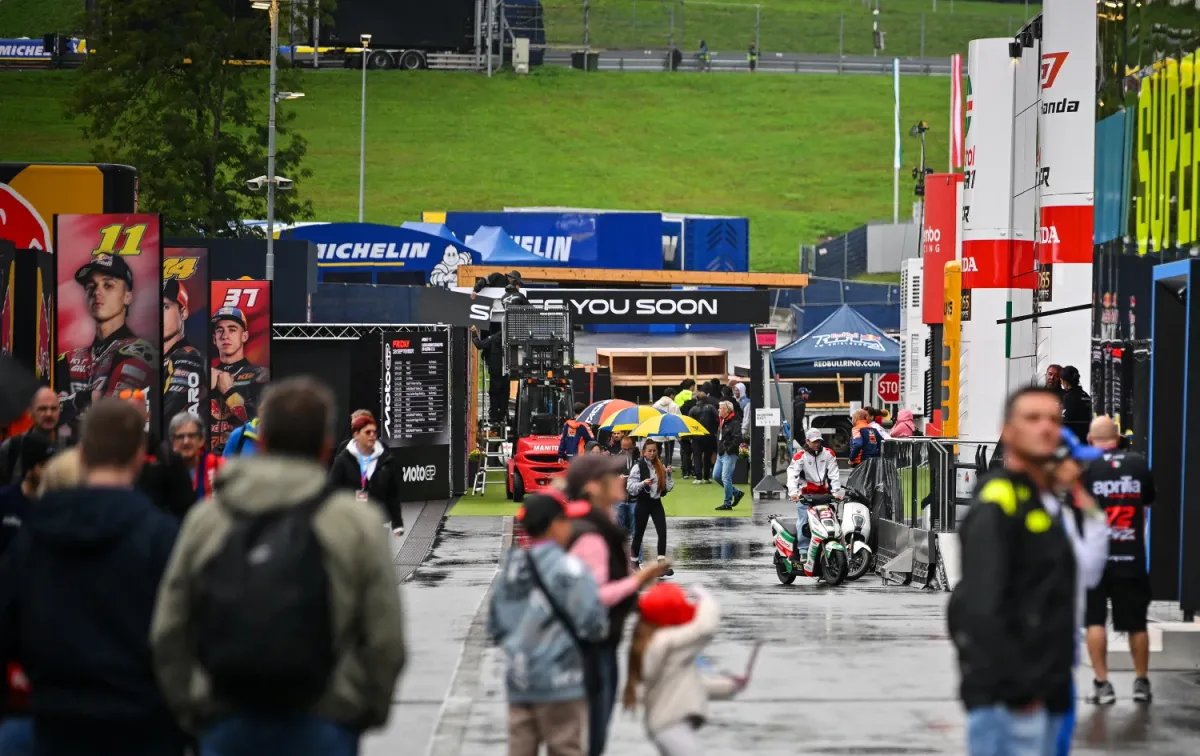
Heavy rain hits Red Bull Ring ahead of MotoGP Austria 2026. Marquez and Martin gear up for a wet battle, promising a thrilling contest.
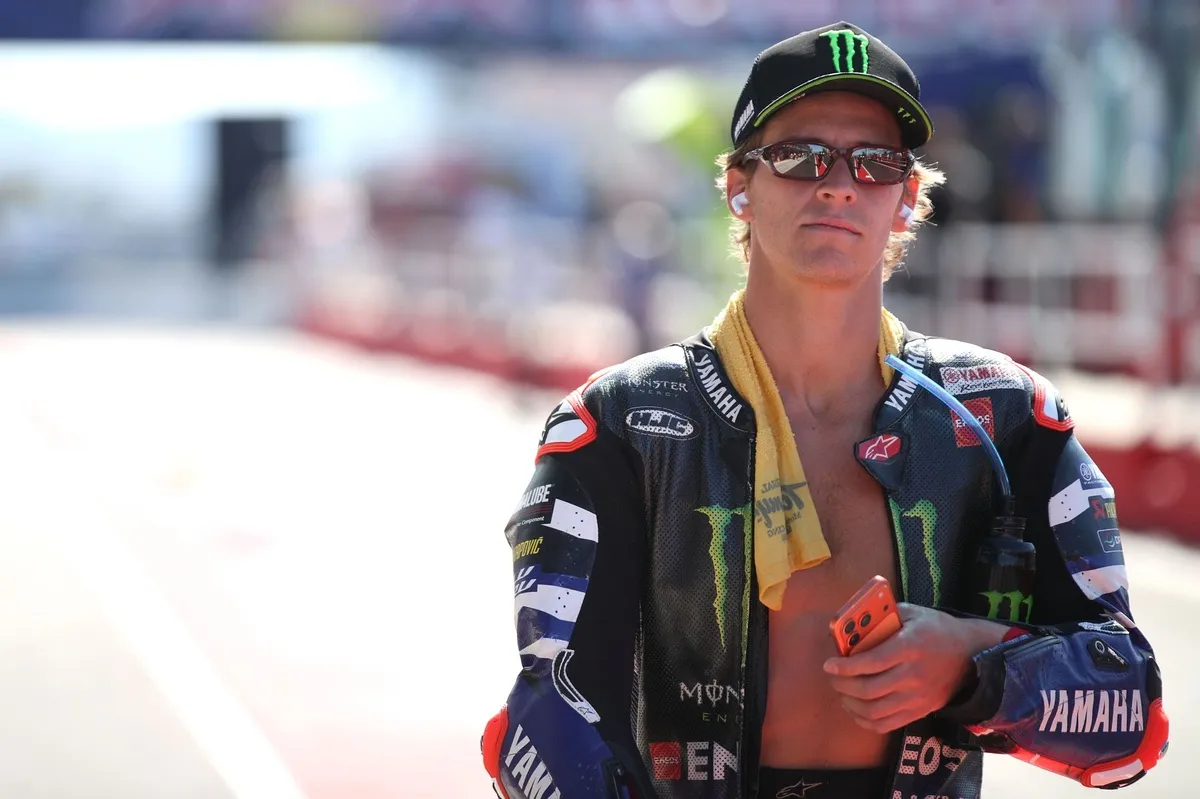
Fabio Quartararo insists his situation is not the same as Francesco Bagnaia's. The Yamaha rider says he would be furious if he were in Bagnaia's position amid the Italian's struggles with Ducati.
 Continue with Google
Discussion (0)
Join the Discussion!
Sign in easily to start commenting, replying, and interacting with other readers.
Latest Comments
No comments yet. Be the first!