






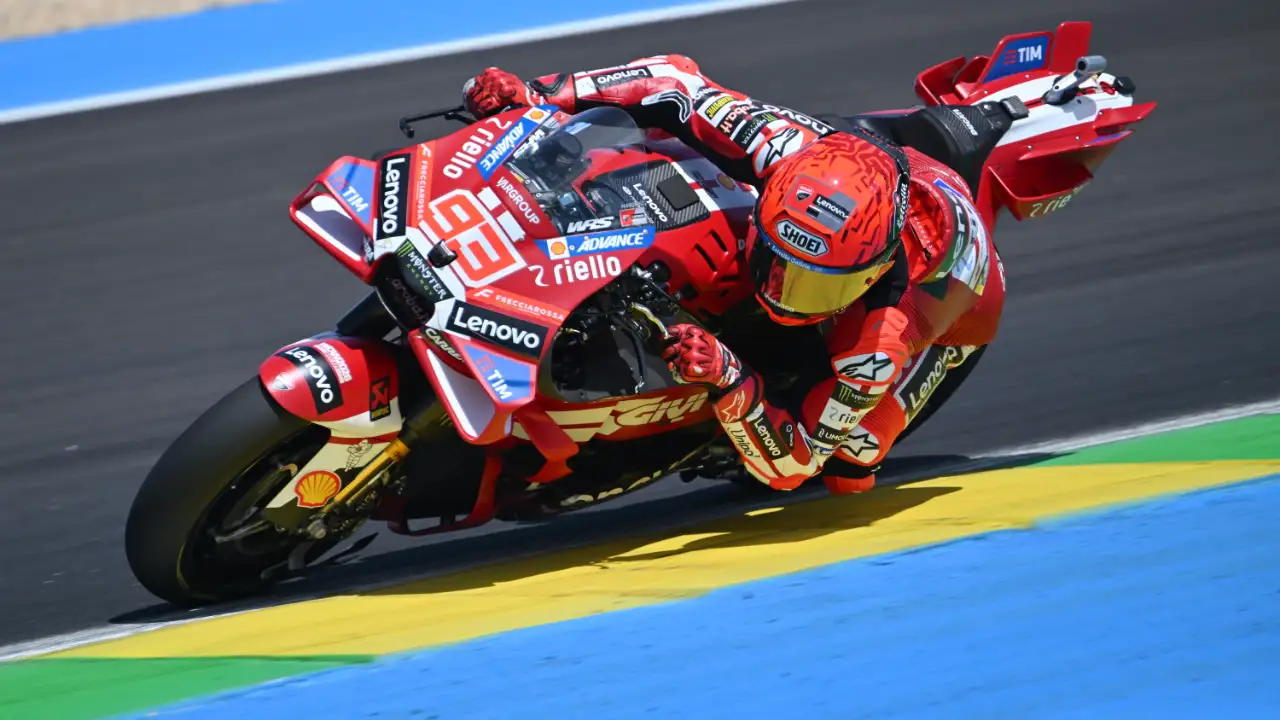

MotoGP, Sportrik Media - Marc Marquez and Ducati Lenovo Team faced a complex scenario on the grid at the 2026 Brazil MotoGP after a last-minute race distance change forced rapid technical adaptation.
Race Direction’s decision to shorten the race from 31 to 23 laps due to track degradation had implications far beyond tyre selection. While some riders considered switching to a soft rear tyre, most remained on the planned medium compound due to time constraints and procedural limitations.
Behind the scenes, Ducati’s internal footage revealed that tyre pressure and engine mapping became the primary concerns for engineers. Both elements are critical in balancing regulatory compliance with performance under altered race conditions.
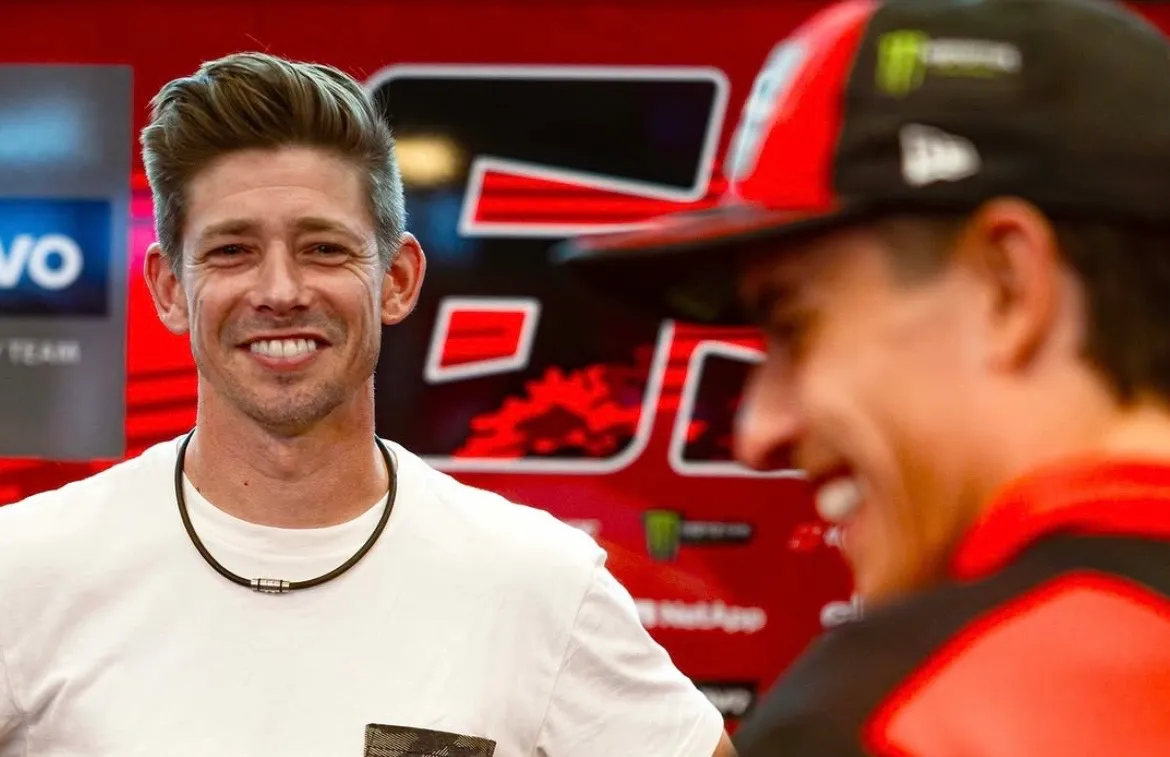
“The tyre pressure? We can’t change the pressure.”
“With the standard procedure, we can’t touch the bike. We can’t do anything, we can’t change the maps.”
MotoGP regulations require all adjustments to be completed before the three-minute board is displayed on the grid. After that point, any further changes would require moving the bike to the pit lane, which was not feasible given the timing of the announcement.
From a tyre pressure perspective, the shortened race significantly reduced the allowable margin under minimum pressure limits. Over a 31-lap race, riders can spend up to 12 laps below the threshold, but with a 23-lap distance, that window drops to just nine laps, tightening compliance margins considerably.
Teams typically start with pressures below the minimum, expecting them to rise as tyres reach operating temperature. However, with fewer laps available, the time to reach optimal conditions becomes more critical, increasing the risk of post-race penalties if targets are not met.
Additionally, dashboard warning systems that help riders monitor compliance with pressure regulations may have required rapid recalibration to reflect the new race distance, adding further operational complexity.
In terms of engine mapping, the reduced race distance allowed riders to use more aggressive fuel consumption strategies per lap. This enabled higher performance output, particularly for those remaining on the medium rear tyre, as increased wheel spin and tyre wear became more manageable over a shorter distance.
Team manager Davide Tardozzi was seen engaging with MotoGP representatives, including Carlos Ezpeleta, before reporting back to senior technical leadership such as Gigi Dall'Igna.
“They told me with four and a half minutes to go,” Tardozzi explained.
In the race itself, Marquez finished fourth after being affected by deteriorating track conditions during a late battle for the podium. Meanwhile, team-mate Francesco Bagnaia crashed from 11th place at mid-race distance.
The situation highlights how sudden procedural changes can cascade into complex technical challenges, requiring immediate recalibration across multiple systems. As the championship heads to the Circuit of the Americas, teams will be under increased pressure to enhance operational flexibility in response to unpredictable race conditions.
Read Also
Enea Bastianini menilai uji coba ban Pirelli di MotoGP seharusnya diwajibkan untuk semua pembalap, bukan hanya segelintir. Simak alasannya.
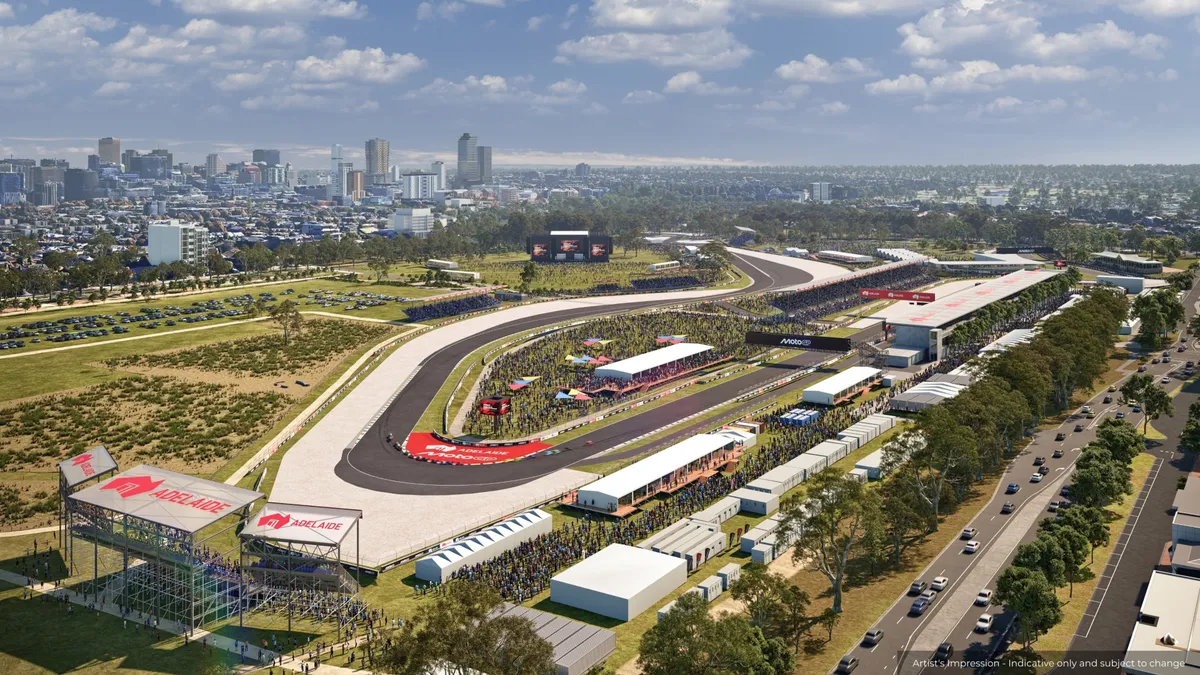
MotoGP resmi merilis kalender 2027 dengan 22 seri, termasuk kembalinya Adelaide sebagai balapan jalanan setelah 28 tahun absen dan debut Buenos Aires.
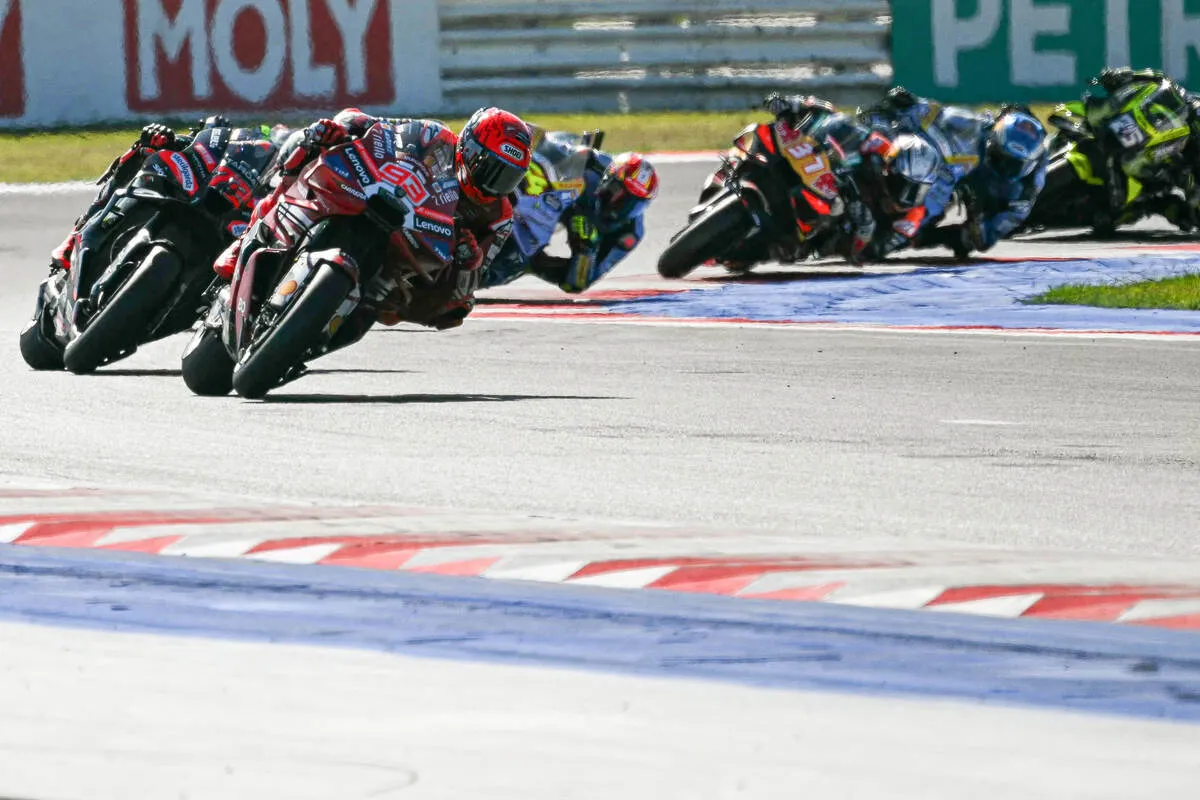
MotoGP resmi merilis kalender 2027: 22 Grand Prix, Argentina kembali di Buenos Aires, Hungaria hilang, dan era motor 850cc dengan ban Pirelli dimulai.
 Continue with Google
Discussion (0)
Join the Discussion!
Sign in easily to start commenting, replying, and interacting with other readers.
Latest Comments
No comments yet. Be the first!