






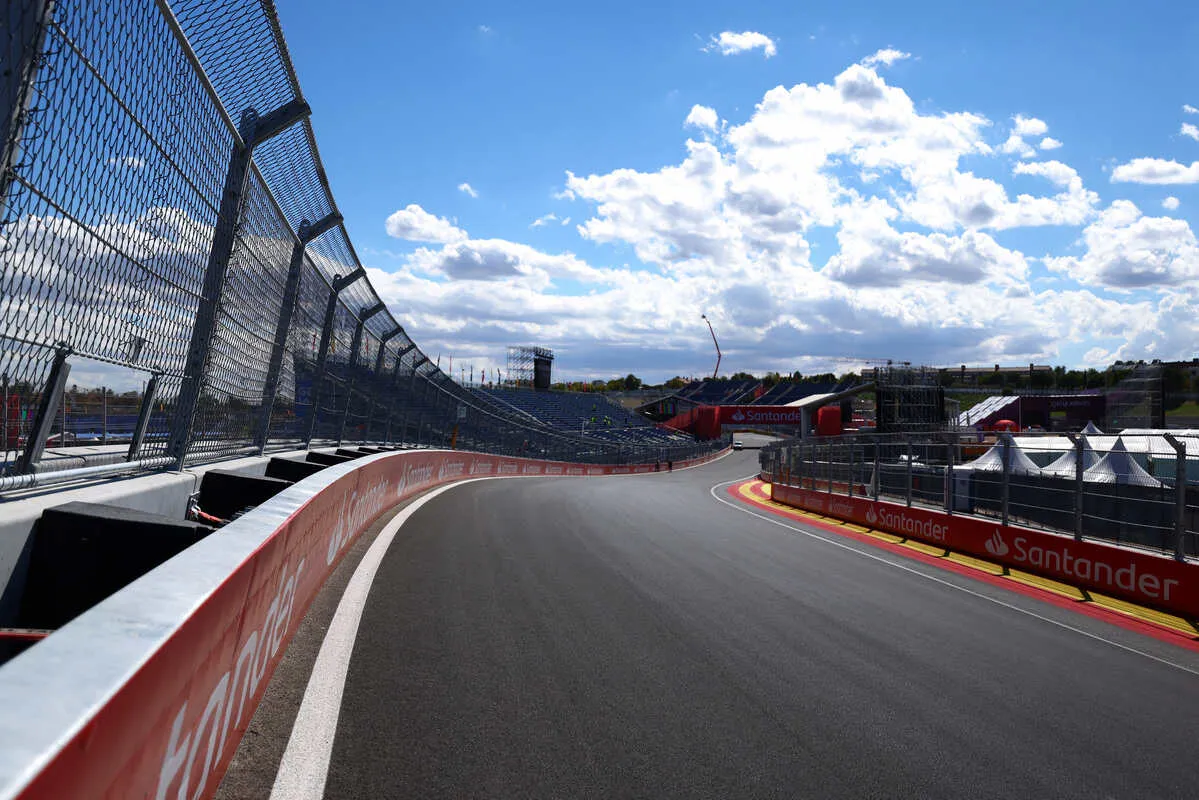

Nearly a month after the inaugural event took place, organizers of the GP Madrid have finally offered a mea culpa, admitting through Nira Juanco that several crucial aspects of the event simply did not work as intended. The primary target of criticism falls squarely on the much-hyped banked corner known as La Monumental. Bearing a grand name fit for a bullfighting arena, the corner was supposed to push the world's elite drivers to their absolute limits, yet it ultimately delivered the exact opposite effect during the race weekend.
Instead of acting as a thrilling battleground for Formula 1 drivers, the corner proved to be utterly uneventful and induced sheer boredom. Drivers whose entire professional lives rely on high-speed adrenaline frankly joked that they were close to falling asleep behind the wheel. The grand prix quickly devolved into an uneventful procession, complete with a virtual safety car pacing the field like a sluggish chaperone while fans waited in vain for meaningful overtaking maneuvers on the track.
Off the track, spectator woes compounded the disastrous weekend, featuring massive queues for everything from venue passes to basic food items. Adding insult to injury, numerous grandstands suffered from severe obstructed views, leaving paying fans stuck listening to roaring engines without actually seeing the racing action unfold. The layout itself made overtaking practically impossible, transforming what should have been a marquee motorsport spectacle into a tactical stalemate dictated by spatial limitations.
Addressing the glaring layout deficiencies, McLaren standout Lando Norris—who missed out on a probable victory and retained every right to voice his frustration—suggested completely bypassing turns eighteen and nineteen to improve racing flow. Organizers claim that resolving the issue is straightforward, requiring minor tweaks like shifting a pedestrian bridge and widening a straightaway. However, they readily admit that executing these changes does not rest entirely in their hands, as any alterations must be approved by the FIA, whose regulatory processes are notoriously sluggish.
Warning signs were glaringly apparent long before the main Grand Prix even started, as junior formula drivers spent the preceding days littering the tarmac with shattered bodywork and causing multiple red flags. Furthermore, modern hybrid power units demand meticulous energy management rather than raw combat, leading everyone to drive as if their primary opponent was the battery rather than a rival car. As Spanish officials promise remedial construction work for next year, the harsh reality of modern grand prix racing remains: once a circuit earns the dreaded reputation of being a layout where overtaking is impossible, subsequent modifications rarely manage to completely reverse the verdict.
Read Also
Panduan lengkap F1 GP Singapura 2026 di Marina Bay: statistik sirkuit, tantangan fisik, analisis ban Pirelli, dan persaingan ketat klasemen.
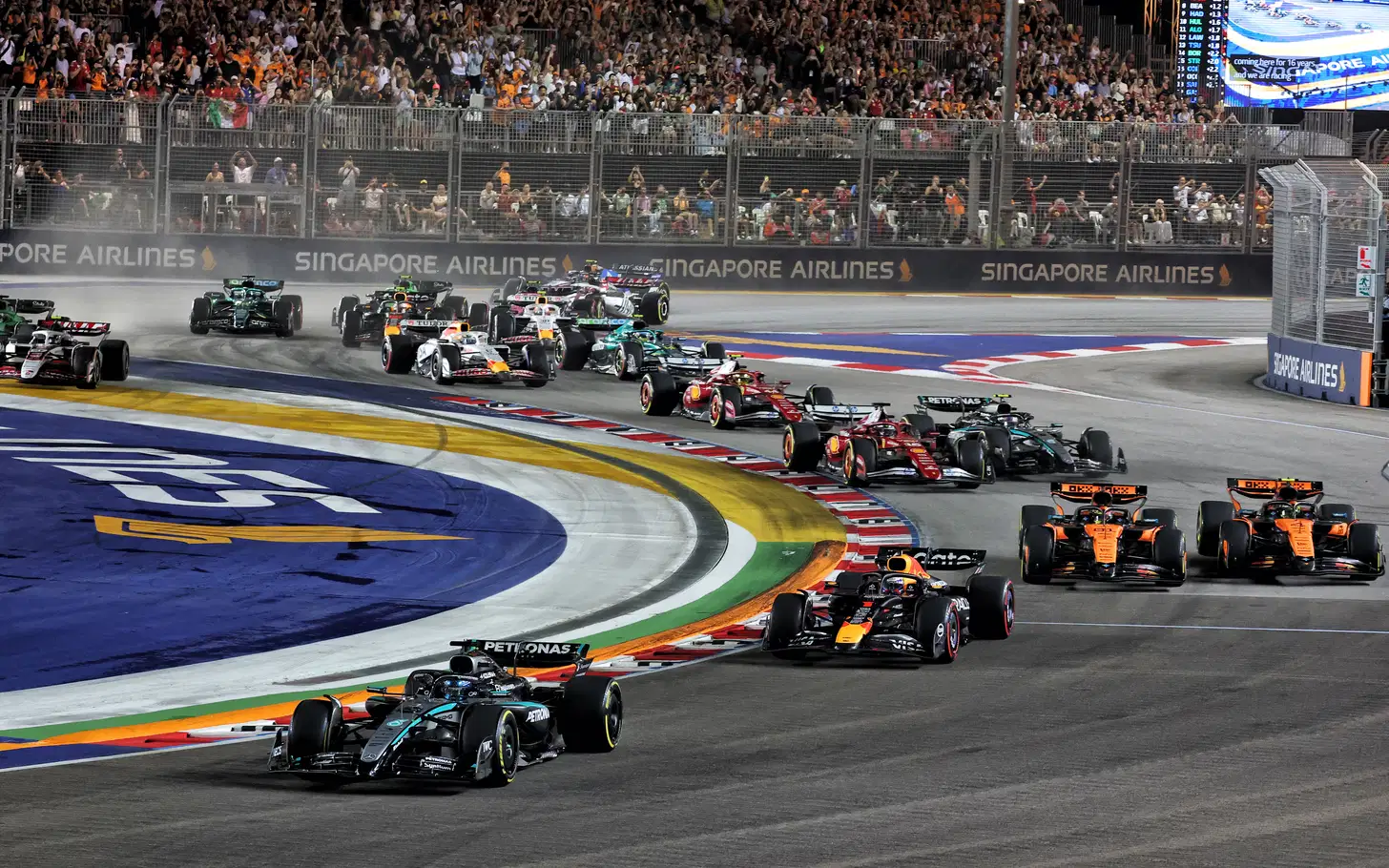
Simak jadwal lengkap F1 GP Singapura 2026 di Marina Bay, mulai dari latihan bebas, format sprint pertama, hingga balapan utama dalam Waktu Indonesia Barat.
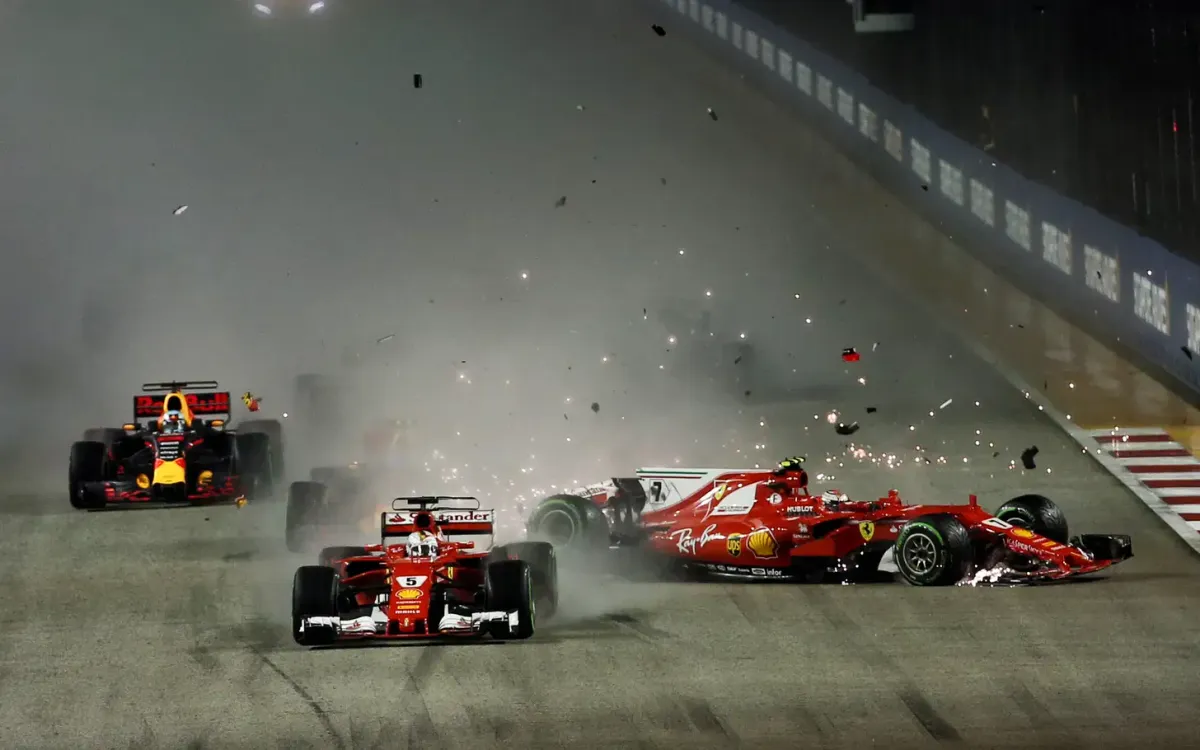
Kilas balik GP Singapura 2017 saat asa juara Sebastian Vettel hancur bersama Max Verstappen dan Kimi Raikkonen di tikungan pertama.
 Continue with Google
Discussion (0)
Join the Discussion!
Sign in easily to start commenting, replying, and interacting with other readers.
Latest Comments
No comments yet. Be the first!