







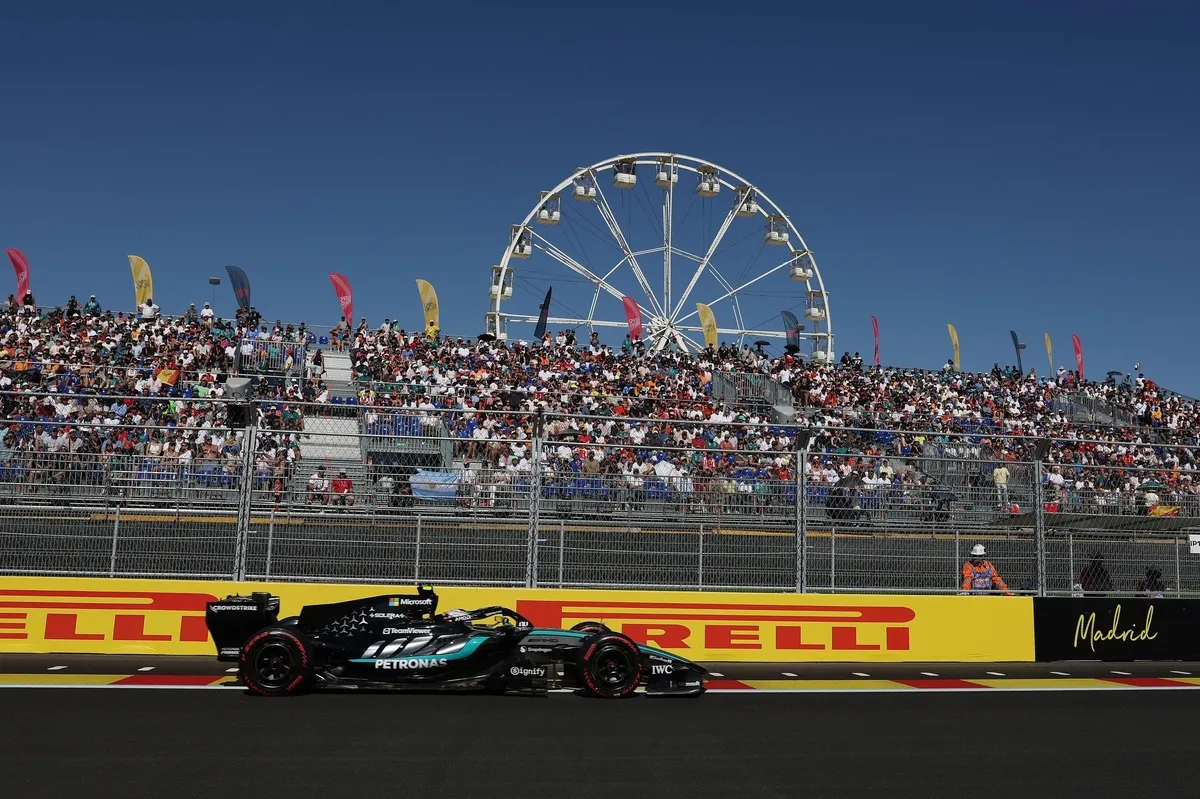

Toto Wolff mentioned a six-stop strategy after FP1, but in reality, the Madrid GP might only require a single pit stop. The new circuit in Madrid has surprised the paddock with high grip levels, yet extreme tyre degradation poses a significant challenge.
"It was tricky at the start because this track has so much grip, even though it's a completely new asphalt surface," Wolff said. "Interestingly, we faced the opposite problem to what we expected. After the first session, our strategy director said, 'Six stops!' because there was eight-tenths of degradation per lap. We've never seen that before, but in the end, I think it'll be a one-stop."
Tyre supplier Pirelli also expressed surprise at the degradation levels. "Yes, honestly it has been a surprise," Pirelli chief engineer Simone Berra told Motorsport.com. "The teams are working on their set-ups to find the best compromise between performance and long-run degradation. But, for sure, it's a surprise to have these kinds of values. They are outside our range of expectations."
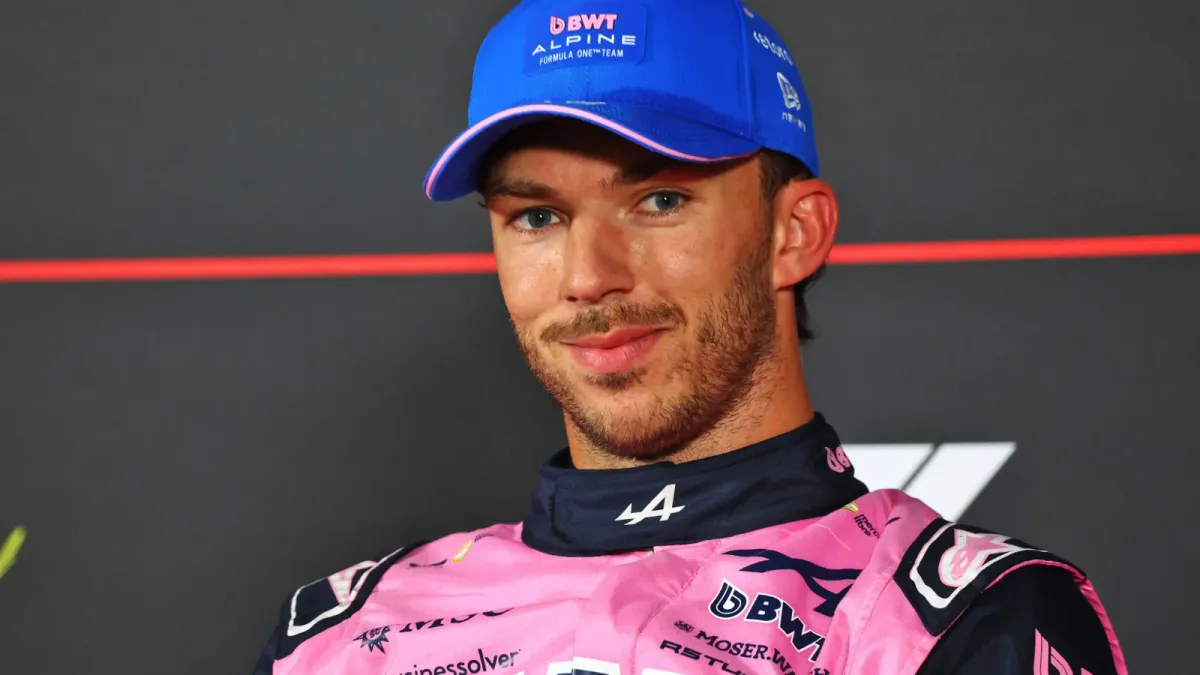
According to Pirelli, the high degradation in Madrid has two underlying causes: graining and thermal degradation at the rear axle. "With this smooth tarmac and high grip levels, we have graining generation," Berra explained. "We reach the peak of stress, so the tyre starts to tear and propagate graining. The graining level is a limitation here, drivers can feel a drop in performance. This is one of the effects they encountered during high-fuel runs on Friday, where front-left graining was a limitation, inducing mid-corner understeer throughout the run. But we also had some thermal decay on the rear axle, so the combination generates significant degradation."
The Madrid circuit, known as Madring, has a pitlane that is extremely long, stretching six kilometres. This has drawn criticism for slowing down pit stops and potentially favouring a one-stop strategy. However, high tyre degradation could force teams to reconsider. With the race approaching, engineers must carefully calculate whether one stop is enough or if they need to take a risk with a more aggressive strategy.
The impact of the circuit's characteristics is also felt by other teams. Mercedes initially worried about extreme degradation but gradually found balance. Meanwhile, rivals like Red Bull and Ferrari must adapt quickly. Performance at the Madrid GP could be a key indicator for the rest of the season, as this circuit demands good tyre management and precise pit stop strategy.
With the long pitlane, time spent in pit stops is longer, making a one-stop strategy more appealing. However, if degradation remains high, drivers may need to manage tyres carefully to avoid losing too much time. The Madrid GP will test the strategists and drivers' ability to manage tyres.
Read Also
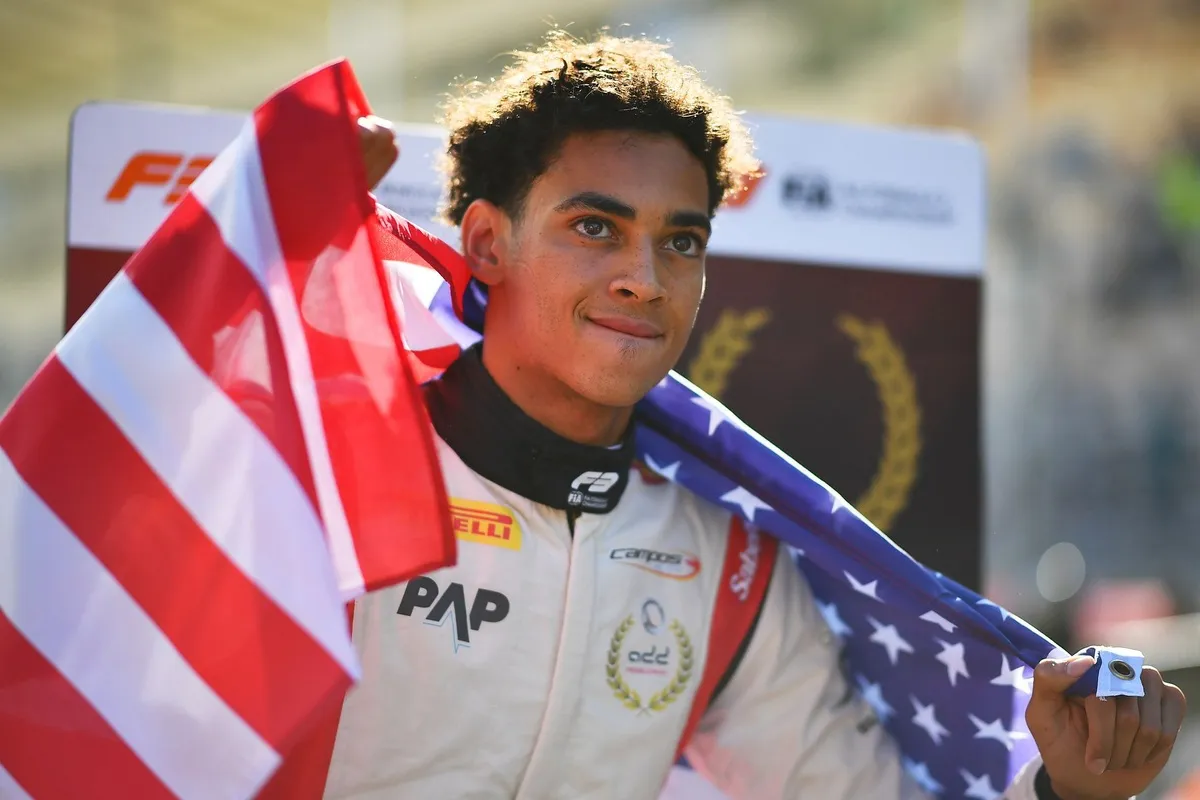
Ugo Ugochukwu wins the 2026 Formula 3 title after beating Freddie Slater at Madring. Read the full race report and champion's reaction.
Ugo Ugochukwu wins 2026 Formula 3 title with second place in Madring feature race, beating Freddie Slater. Read the full race report and reaction.
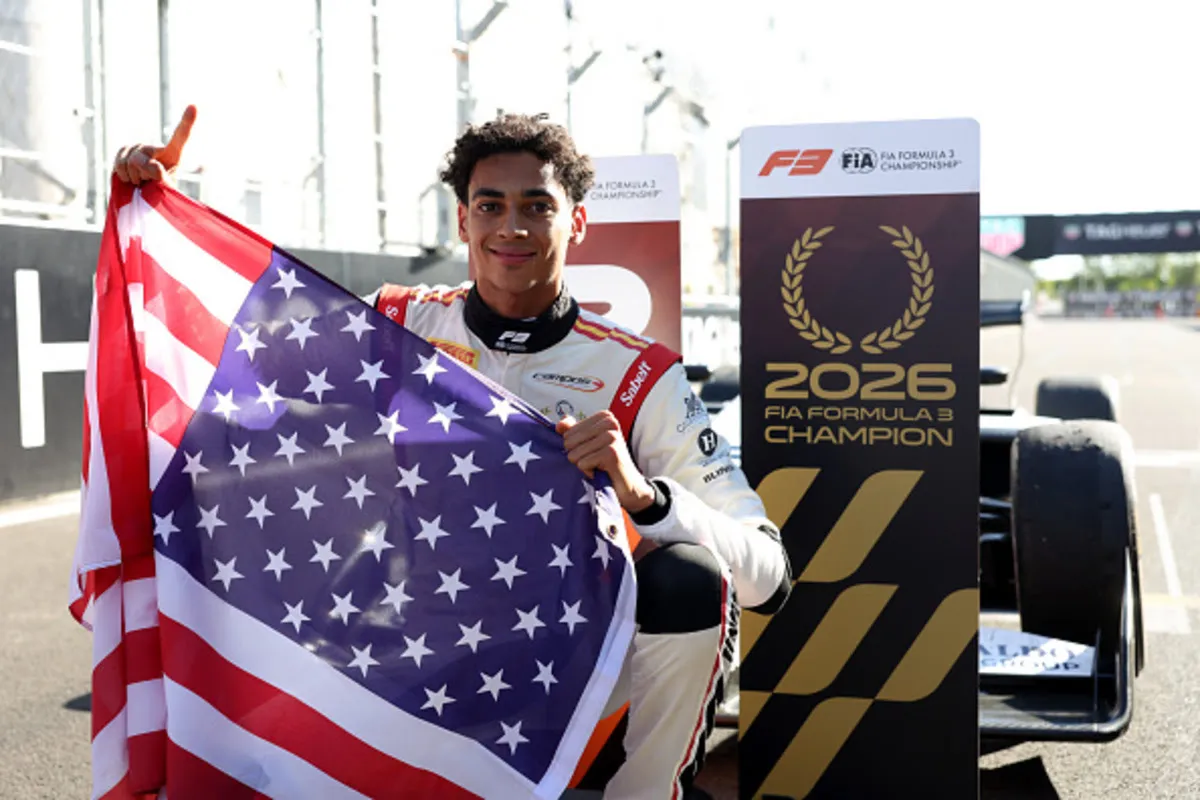
Ugo Ugochukwu wins 2026 F3 title with second place in Madrid Feature Race 2. Taponen takes maiden win, Slater finishes eighth.
 Continue with Google
Discussion (0)
Join the Discussion!
Sign in easily to start commenting, replying, and interacting with other readers.
Latest Comments
No comments yet. Be the first!