








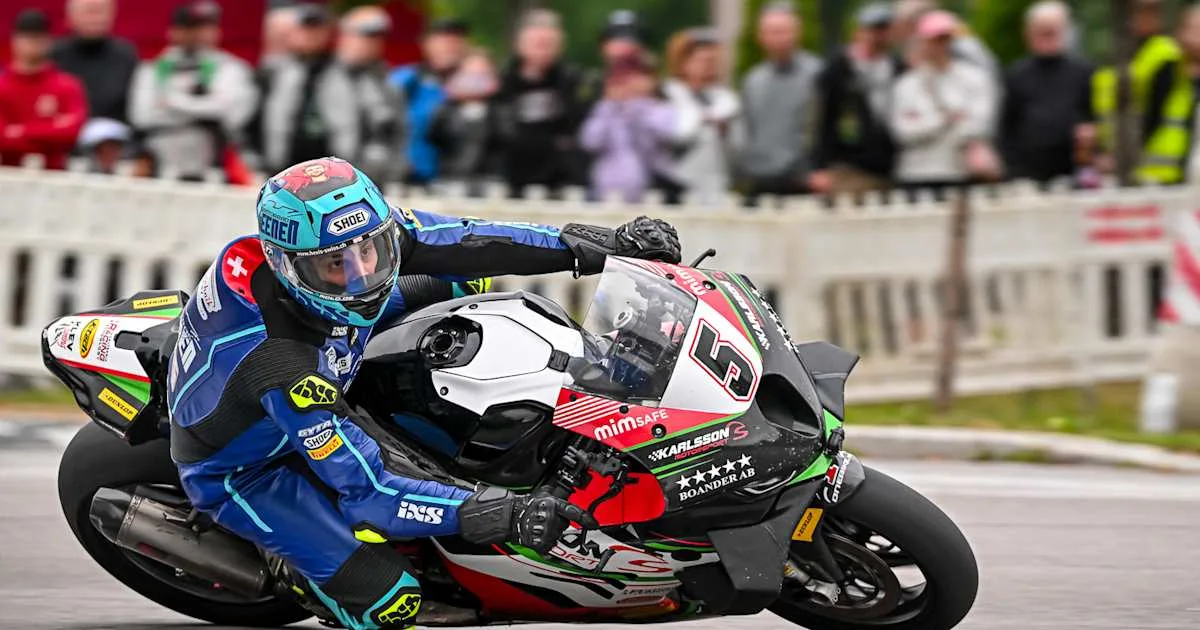
The international racing paddock has been struck by a major disciplinary ruling as Lukas Maurer officially receives a two-year ban from competition following a positive doping test from a sample collected in September of last year. The controversy surfaced shortly after his dominant double victory at the European Series Road Racing event held in Hengelo, Netherlands, where anti-doping authorities detected traces of a substance typically utilized to treat muscle wasting in toddlers. The ongoing investigation cast a long shadow over his career trajectory, forcing him into a prolonged legal battle to contest the initial findings.
Because the rider mounted a vigorous defense against the accusations, any potential suspension was frozen pending a definitive legal verdict from the independent Swiss sports integrity agency, Swiss Sport Integrity. After a gruelling fourteen-month wait following the initial sample collection, the final judicial process has concluded with a two-year ban. Reflecting on the lengthy ordeal, Lukas Maurer expressed mixed emotions regarding the conclusion of the case that has weighed heavily on his athletic career and mental focus in the paddock.
"Finally, there is news regarding the doping allegation that I have faced for over a year. Fourteen months after the sample was taken, the result of the procedure is now available, and I have been suspended for two years," stated Lukas Maurer as he broke his silence on the ruling. Crucially, the independent disciplinary body concluded there was no intentional violation of anti-doping regulations. Consequently, the suspension period is backdated to the time of the sample collection, and authorities waived any additional financial penalties, meaning he is projected to return to competitive racing action by 2028.
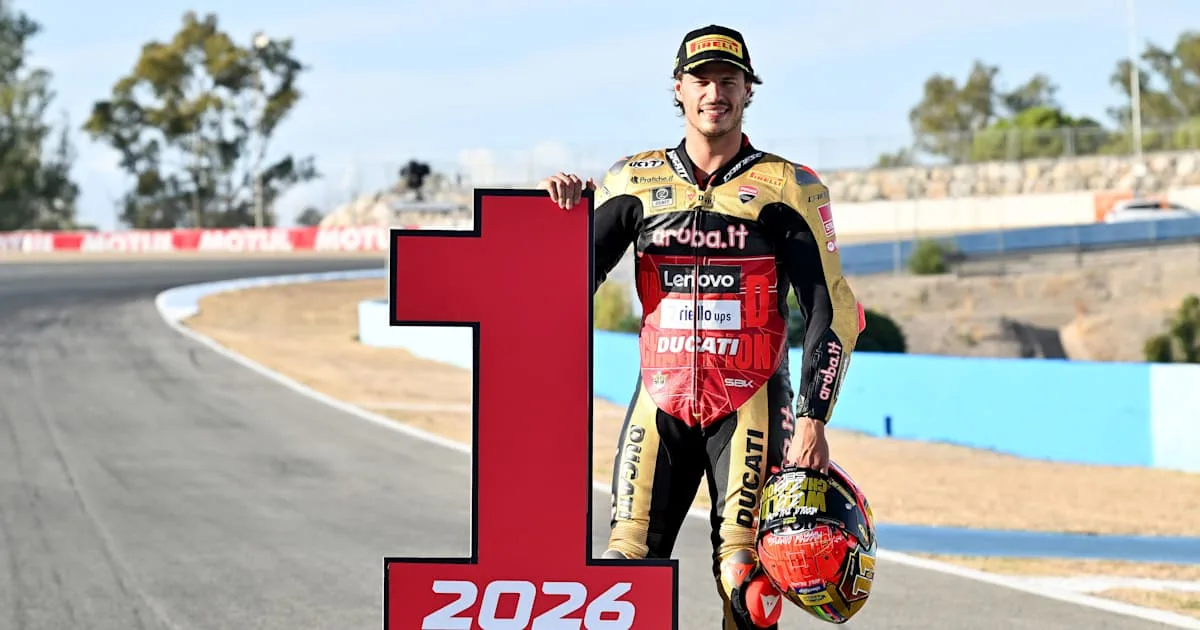
Despite avoiding the harshest possible interpretations of the law, the former IRRC Superbike champion openly questioned the proportionality and fairness of the penalties handed down by the governing body. Citing specific pages of the official court document, he pointed out that the evidentiary papers explicitly noted the extremely trace amounts of the prohibited substance LGD-4033 found in his system, which experts described as being consistent with microgram doses carrying absolutely zero pharmacological efficacy or performance-enhancing capabilities in a racing environment.
"Traces of a prohibited substance were found in my system, but the concentration was so minute that any performance-enhancing effect from my perspective can be ruled out entirely. Furthermore, the substance can promote body mass expansion—something that represents a clear disadvantage in motorcycle racing due to the extra weight penalty. Yet, at the end of the day, a two-year suspension stands," he remarked, while acknowledging the absolute necessity of maintaining strict anti-doping protocols across professional motorsport to ensure a level playing field for all competitors.
Read Also
Simak analisis lengkap daftar lengkap 22 pembalap WorldSBK, transfer bintang MotoGP, dan peta kekuatan tim jelang musim baru. Baca selengkapnya di sini!
Iker Lecuona tegaskan fokus ke WorldSBK usai tampil impresif di MotoGP Qatar. Simak analisis performa dan rencana masa depannya bersama Ducati di sini.
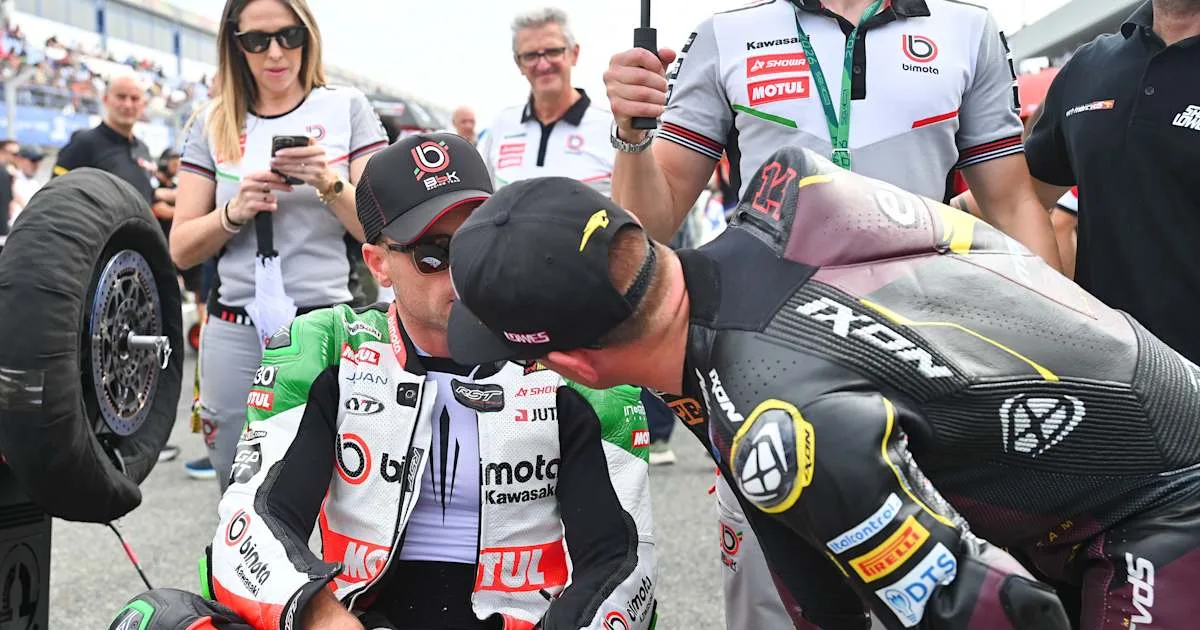
Alex Lowes bersiap mencetak sejarah 400 balapan di WorldSBK. Simak analisis perjalanan karier dan target sang pembalap Bimota di sini.
 Continue with Google
Discussion (0)
Join the Discussion!
Sign in easily to start commenting, replying, and interacting with other readers.
Latest Comments
No comments yet. Be the first!