







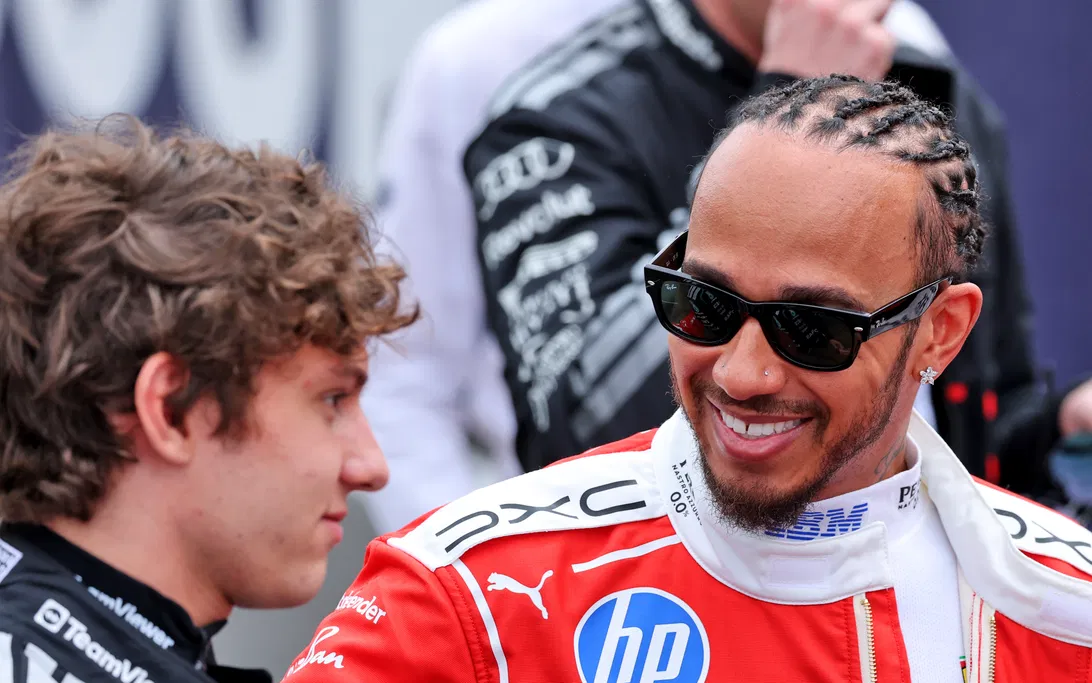

Formula 1, Sportrik Media - Lewis Hamilton may have had the pace to challenge Mercedes during the 2026 Australian Grand Prix, according to Jamie Chadwick, who questioned a key strategic decision made by Ferrari in Melbourne.
The seven-time world champion started the opening race of the season from seventh on the grid but surged into third place by the end of the first lap, placing himself in early podium contention.
Hamilton’s performance suggested that the new generation of lighter and shorter Formula 1 cars introduced under the latest power unit regulations could suit his driving style. The new cars feature a wheelbase shortened by more than 200mm and a weight reduction of over 30 kilograms.
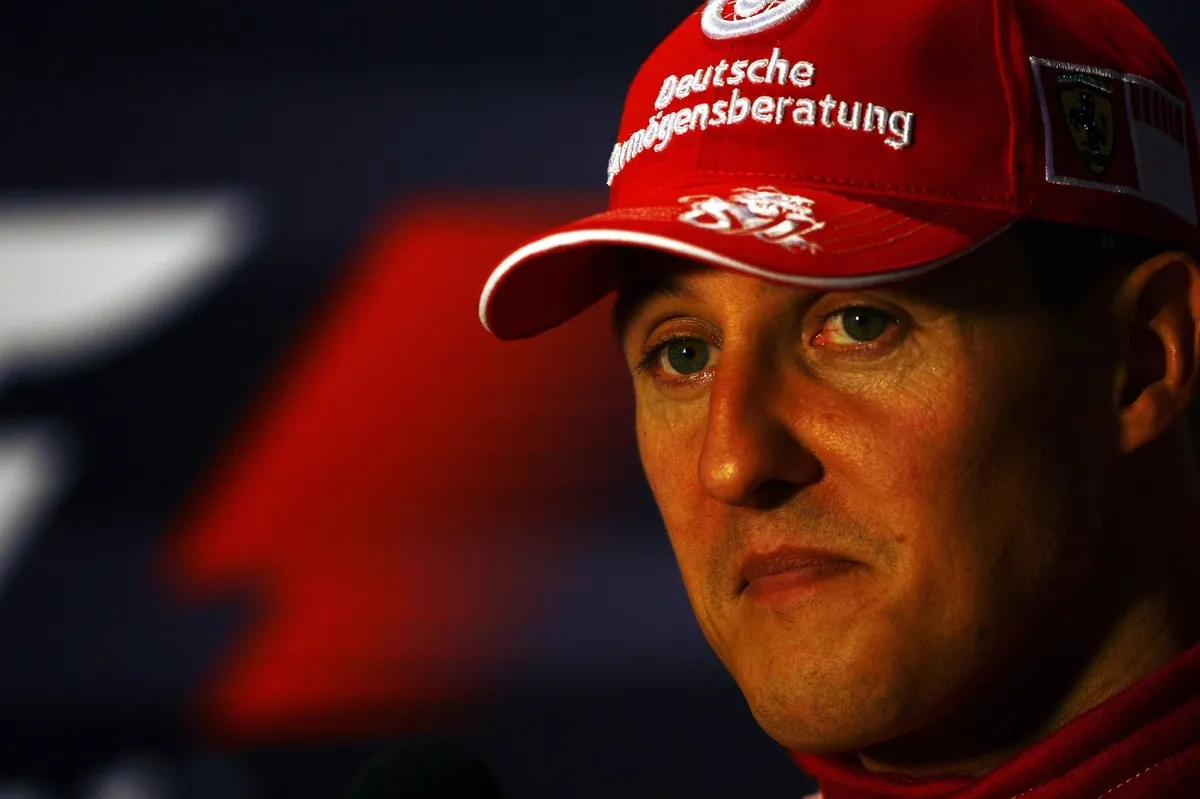
“I think the strategic element suits Lewis,” Chadwick told Sky F1.
“The smaller car seems to work well for him. He appears to have adapted quickly, and his driving style already looks well suited to the new regulations.”
Earlier in the year, Hamilton had been among the first drivers to criticise the new power unit format in Formula 1, particularly the 50/50 split between electrical energy and internal combustion power.
However, after the Australian Grand Prix, the British driver acknowledged that the racing experience under the updated regulations had been enjoyable, describing the Melbourne race as “really fun” and well suited to the new car characteristics.
The regulations also introduced active aerodynamics to replace the previous DRS overtaking system, placing greater emphasis on energy management and driver input throughout the race.
Hamilton appeared to adapt quickly to these technical demands and has also played a role in the development direction of Ferrari’s SF-26 since joining the Italian team.
Despite the strong early pace, Ferrari’s race strategy ultimately compromised the team’s chances of challenging Mercedes. The Scuderia opted not to pit Hamilton or team-mate Charles Leclerc during two virtual safety car periods in Melbourne.
“He has a one-lap specialist in Charles alongside him, but in the race he was right there,” Chadwick added.
“If Ferrari hadn’t made that strategy blunder, it would have been interesting to see whether he could have done something about those Mercedes.”
The strategic decision ultimately removed Ferrari from the direct fight at the front, raising questions about how competitive Hamilton might have been against Mercedes had the team taken advantage of the race interruptions in Melbourne.
Read Also
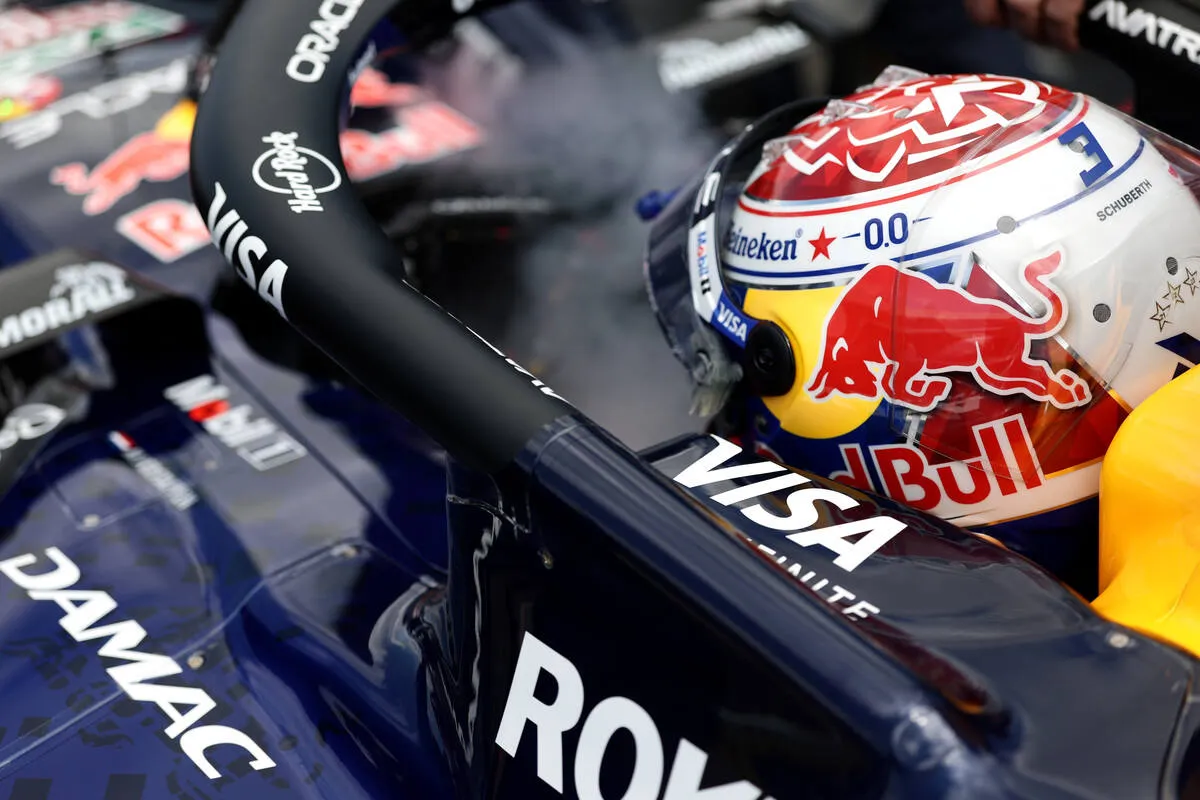
Max Verstappen misses the V8 era in F1: light, responsive cars and spine-tingling engine noise. He wants F1 to return to pure racing roots.
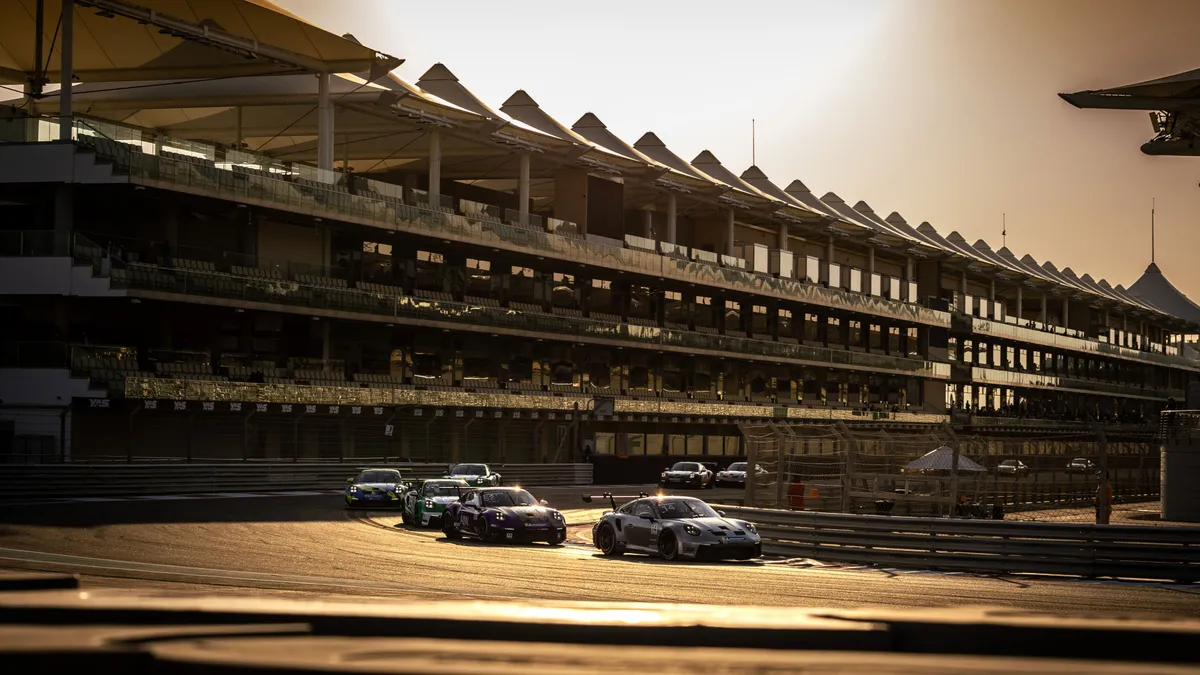
Porsche Carrera Cup Middle East suspended due to uncertainty in the Middle East. The impact is also felt on F1 races in Qatar and Abu Dhabi.
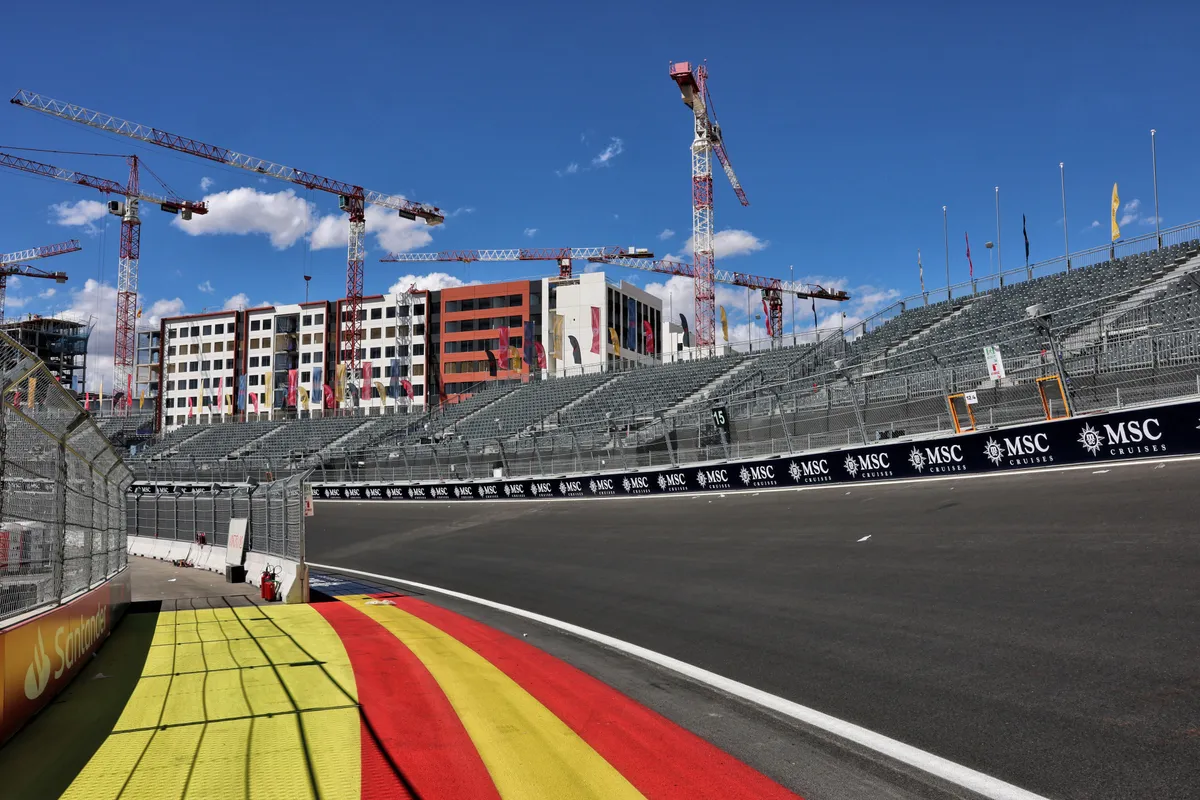
Madring makes its F1 debut at the 2026 Spanish GP. The 5.416 km track is called a 'car killer' after 19 red flags in F3 testing. Discover the challenges.
 Continue with Google
Discussion (0)
Join the Discussion!
Sign in easily to start commenting, replying, and interacting with other readers.
Latest Comments
No comments yet. Be the first!