







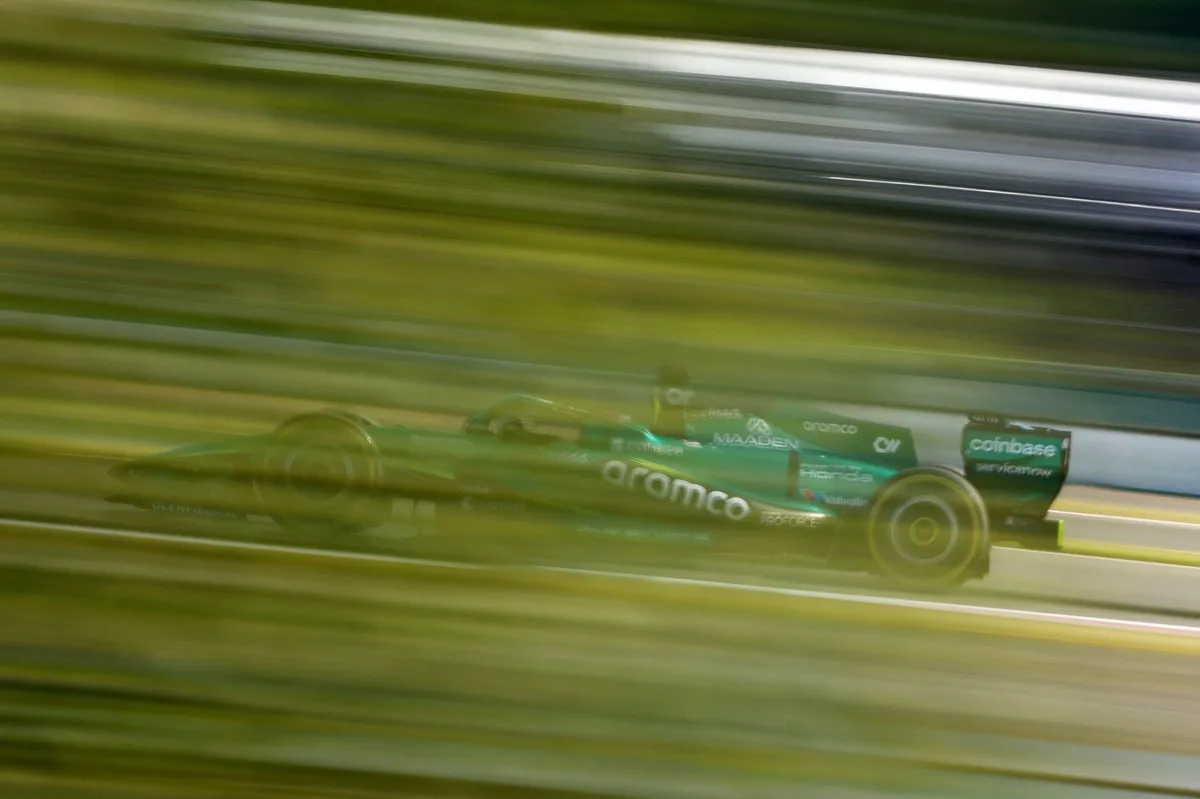

Honda will bring its first Formula 1 power unit upgrade of the 2026 season to Zandvoort this weekend. This is a crucial moment for Aston Martin as they hope to close the gap to the front after a difficult first half of the season.
Honda's chief engineer, Shintaro Orihara, revealed that the upgrade is entirely focused on the internal combustion engine. He admitted that Honda's engine performance is still their biggest weakness compared to other manufacturers.
"Our engine performance is definitely poor compared to other manufacturers. So probably the most important point to improve now is our engine performance because, as I mentioned, the gap is quite huge," Orihara said in an exclusive interview with Autosport.
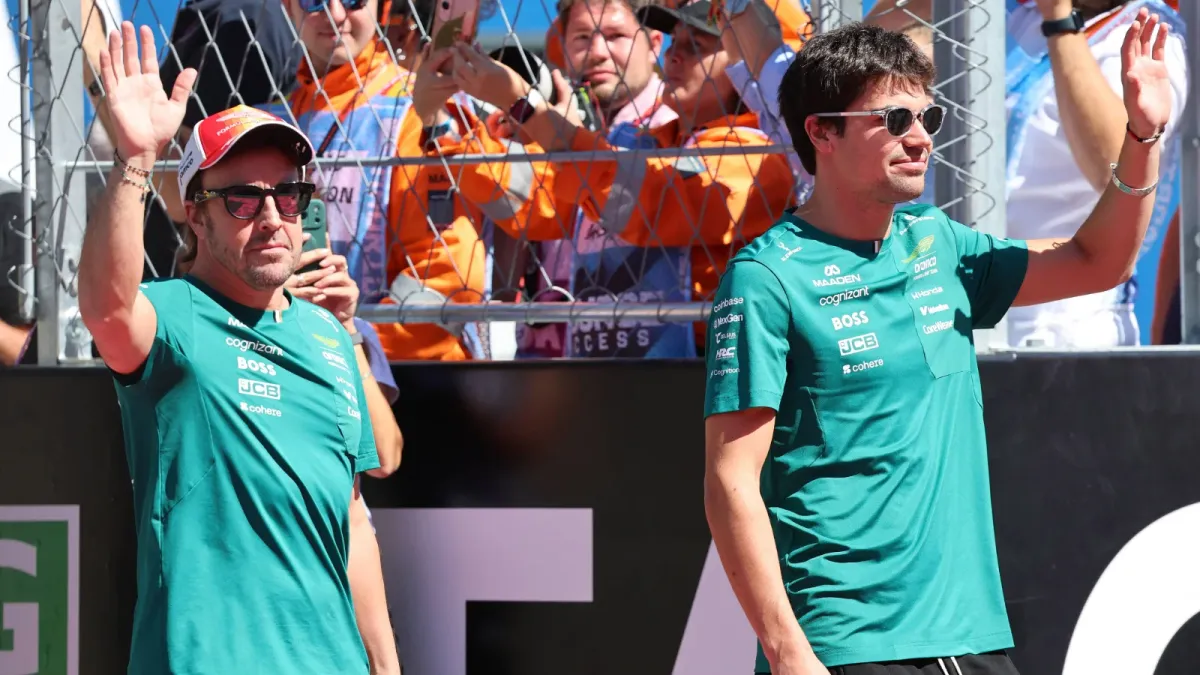
This upgrade comes after Aston Martin introduced its first major upgrade package for the AMR26 in Hungary. With Adrian Newey's package, the deficit on the chassis side has been reduced significantly. Data from Paceteq shows their race pace deficit was "just" 2.034 seconds per lap at the Hungaroring, compared to over five seconds at Silverstone and Spa.
However, Orihara stressed that without improving engine performance, all other work is meaningless. "If engine performance is poor, improving energy management doesn't help. So now we purely focus on improving our engine performance," he explained.
Honda knows that closing the power deficit will take time. Optimistic estimates suggest this upgrade could deliver up to 30 bhp. Their main target at Zandvoort is to get back to the "racing field", where a 10 or 20 millisecond difference can actually make a difference.
New Drivability Challenge
Significant changes to the power unit also bring a new challenge regarding drivability. Orihara mentioned that the combustion characteristics will change with the spec 2 engine, affecting engine behaviour during cornering.
"We developed our tools to optimise our driveability. We have made good progress and we were close to what we wanted to achieve. But when we introduce the spec 2 engine, the combustion characteristics will change significantly. Engine behaviour will be changed in the cornering phase as well. So yeah, we need to develop our driveability again," Orihara said.
These changes go hand in hand with Aston Martin's chassis upgrades, which increase cornering speeds and therefore demand more from drivability. Despite facing a similar challenge to the start of the season, Orihara insists Honda will not be back to square one.
"There has been big progress through this first half of the season. We developed our optimised way for drivability. We will introduce our new engine and probably we need more work to improve driveability again, but now we know how we need to do it and where we should improve. That has been a big learning, and we can carry over that learning point to our B spec engine," he concluded.
This is partly why Aston Martin's recent filming day at the Hungaroring with the new power unit was so important. It has already provided both parties with initial data to analyse, helping them avoid unpleasant surprises at Zandvoort.
Read Also
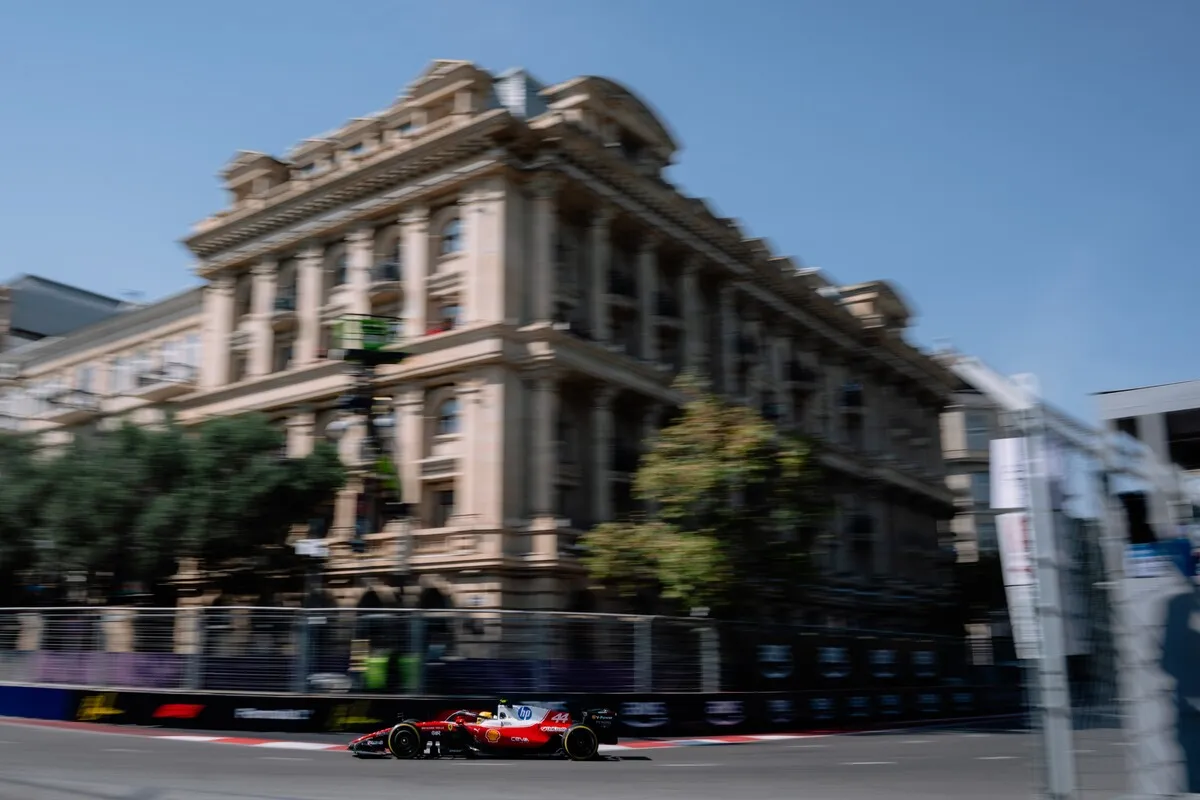
F1 GP Azerbaijan 2026: George Russell tercepat di FP3 Baku, ungguli Verstappen 99 milidetik. Simak persaingan pole position dan hasil latihan bebas ketiga.
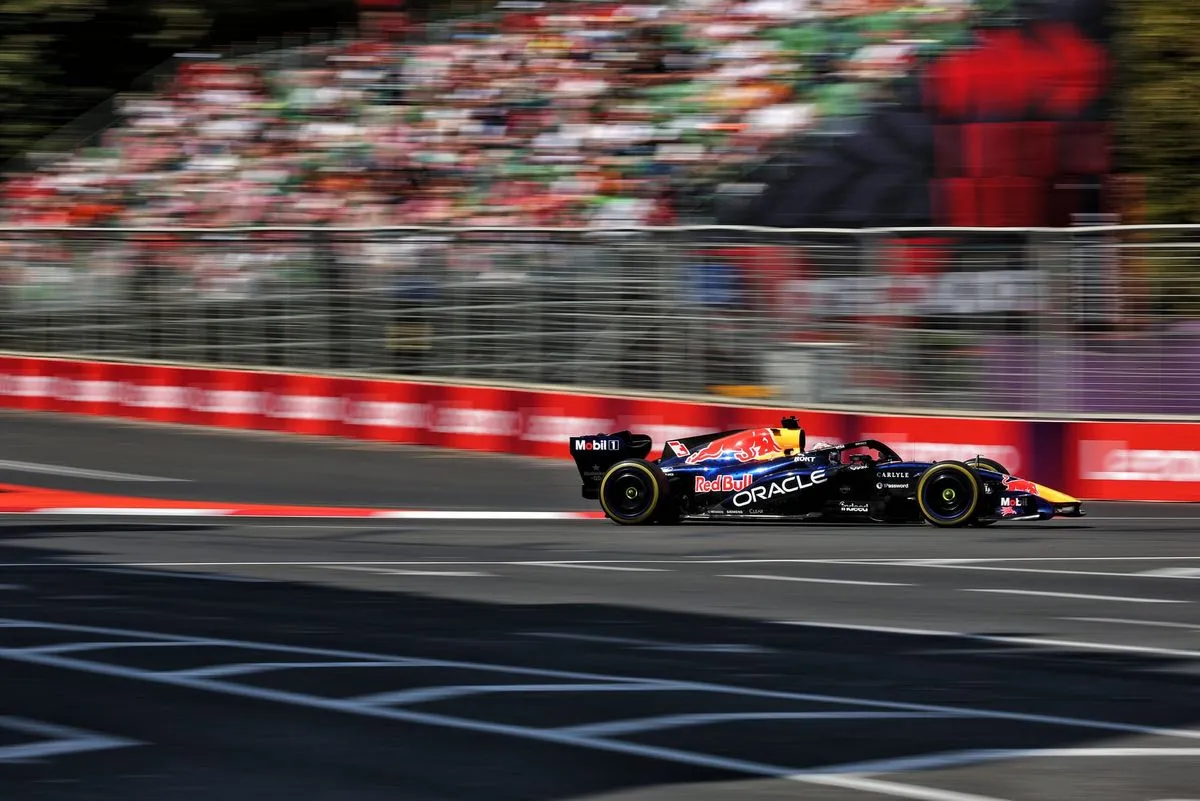
Max Verstappen akhirnya memuncaki FP3 F1 Azerbaijan 2026, ungguli George Russell. Simak hasil lengkap dan analisis persaingan jelang kualifikasi.
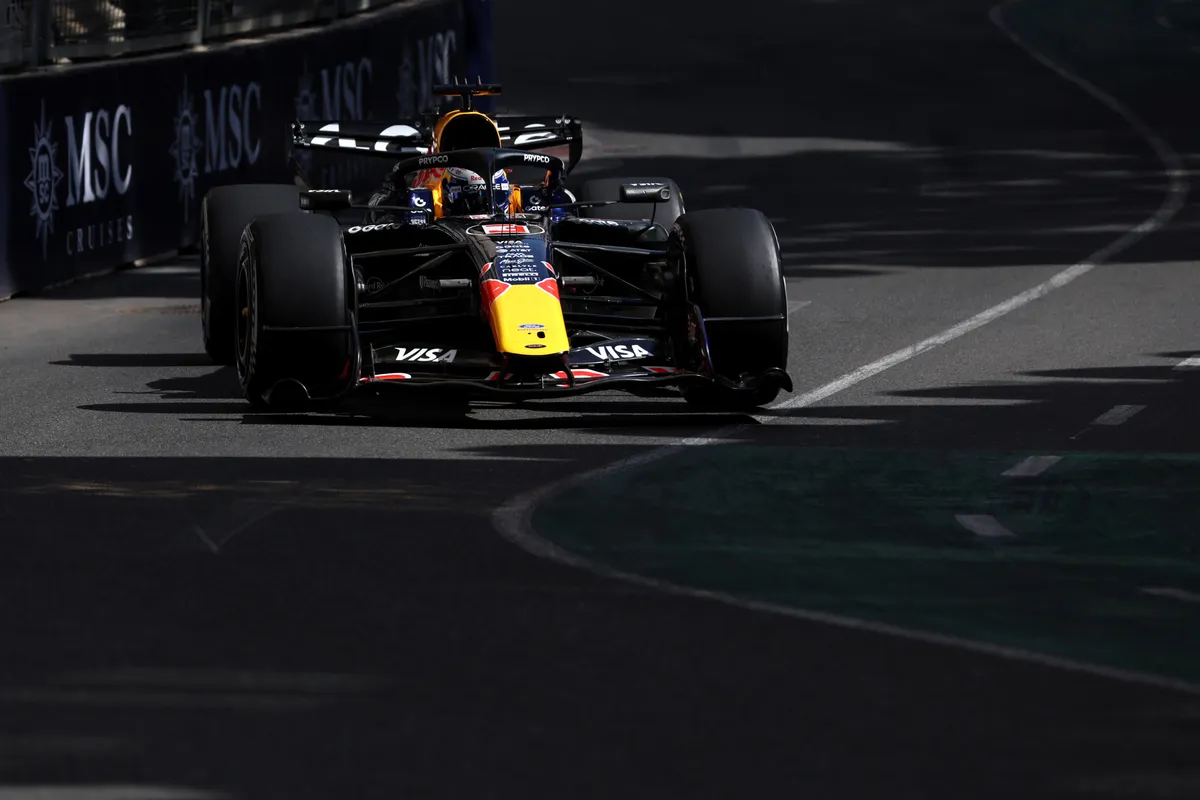
Max Verstappen menjadi tercepat di FP3 F1 Azerbaijan 2026, mengalahkan George Russell. Simak hasil lengkap dan analisis persaingan menuju kualifikasi.
 Continue with Google
Discussion (0)
Join the Discussion!
Sign in easily to start commenting, replying, and interacting with other readers.
Latest Comments
No comments yet. Be the first!