






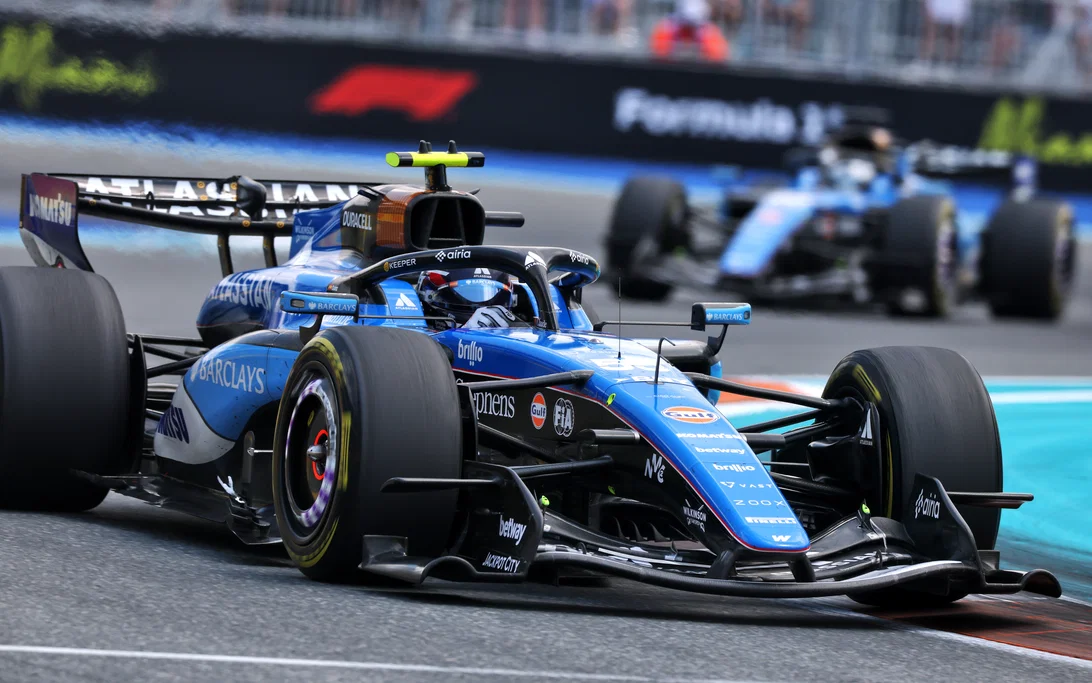

Williams boss James Vowles has provided detailed insight into the technical delays and chassis issues that plagued the birth of the FW47 F1 car. These complications resulted in the team missing the critical Barcelona shakedown and delivering a vehicle that significantly exceeded the minimum weight limit, severely impacting the team's early-season competitiveness.
Technical analysis confirms that the FW47 was delivered considerably over the 768kg dry weight limit. In high-performance racing, excessive mass directly impairs acceleration, braking efficiency, and tyre degradation. However, the team saw a performance breakthrough at the Miami GP after implementing a rigorous weight reduction programme. This strategic pivot allowed Carlos Sainz and Alex Albon to secure ninth and tenth places, marking the team's first double-points finish of the season.
Vowles attributed these failures to systemic errors in the planning software used during the transition to the new regulations. Despite an early start in the wind tunnel, the team struggled with the physical build process, where hundreds of minor inefficiencies accumulated. This gap between theoretical aerodynamic gains and practical manufacturing meant that the internal systems were overstressed, revealing flaws in the planning structure that Vowles had implemented since joining from Mercedes.
The FW47 represents the most complex machine the team has ever produced, featuring a part count approximately one and a half to two times higher than previous iterations. This increase in complexity was intended to push the team closer to the standards of a championship-winning outfit, but it instead created bottlenecks in the production cycle. The resulting inefficiencies meant the team could not iterate the design as quickly as required, leading to a rushed final assembly.
Furthermore, the vehicle faced significant hurdles during FIA crash tests. While some tests were passed comfortably, others proved difficult, forcing the team to revise components at a critical stage. Because external manufacturers were fully booked by rival teams, Williams had to rely solely on internal production. To ensure the parts passed safety requirements within the remaining timeframe, additional material was added to the components, which directly contributed to the car's excessive weight.
Current championship standings highlight the cost of these early setbacks, as Williams spent the first three races struggling for consistency. The aforestated weight issues stripped the car of its inherent potential, leaving the drivers fighting at the back of the grid. The results in Miami, however, validate that the FW47's aerodynamic foundation is competitive, provided the team can maintain a lean weight profile and a stable manufacturing process.
The long-term impact of this "troubled birth" is a total review of Williams' operational structure. Vowles emphasized that the lessons learned from the FW47's development will serve as the foundation for future cycles. By refining their planning software and balancing ambition with manufacturing capacity, the team aims to avoid the systemic failures that hindered their 2026 start and ensure a more seamless transition for future regulation changes.
Read Also
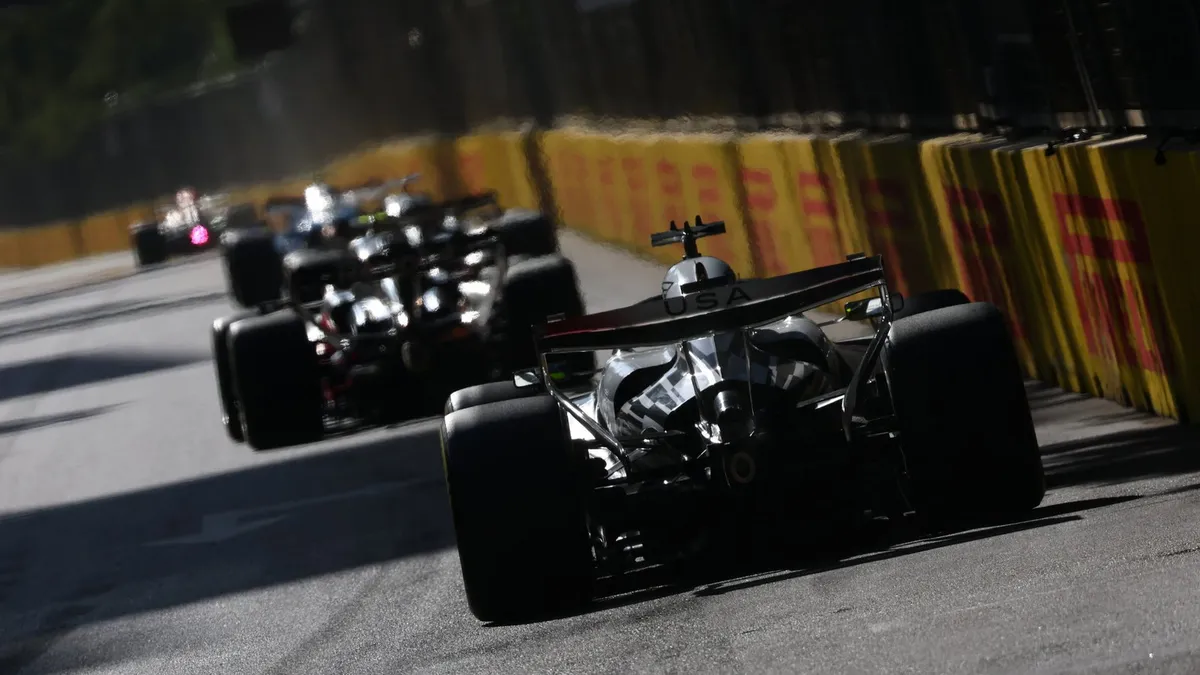
Sergio Perez mengungkap nyaris kecelakaan hebat di F1 Azerbaijan dan memperingatkan bahaya regulasi power unit 2026. Simak selengkapnya!
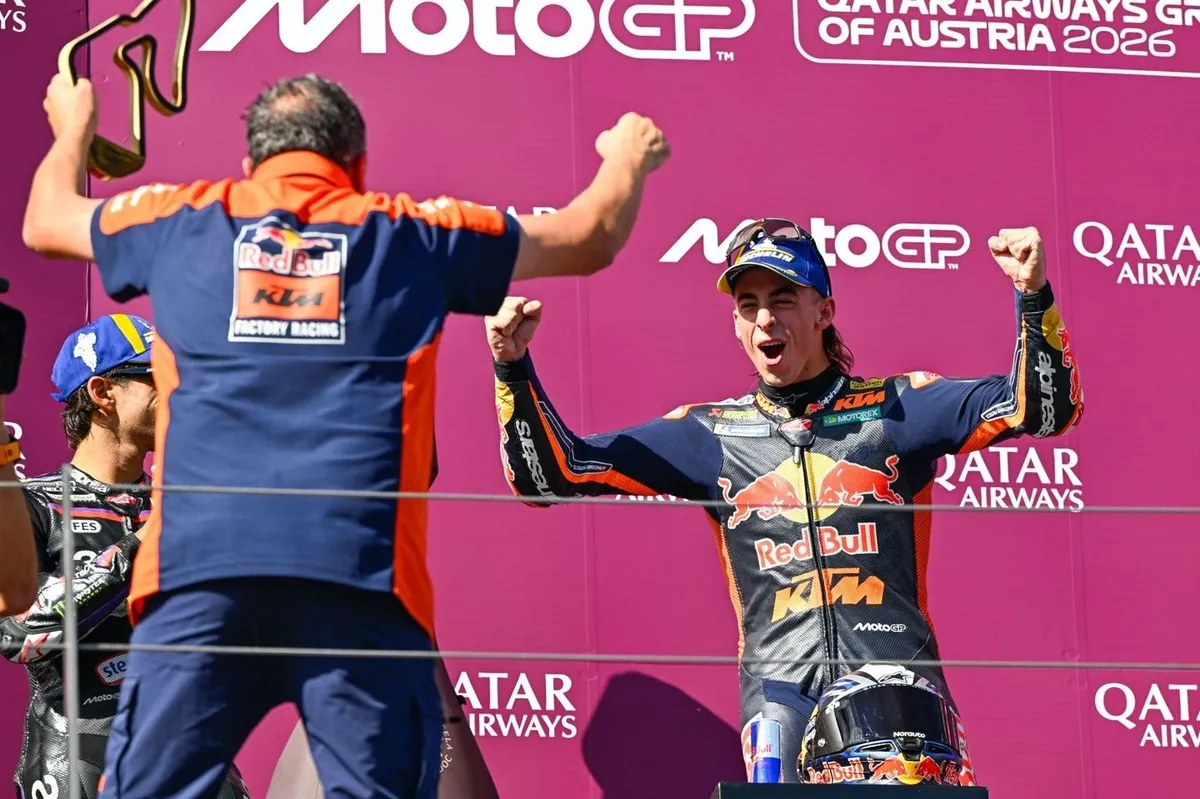
Pedro Acosta menjadi satu-satunya pembalap KTM yang kompetitif di MotoGP 2026. Direktur teknis KTM mengungkap rahasia gaya balap uniknya yang sulit ditiru.
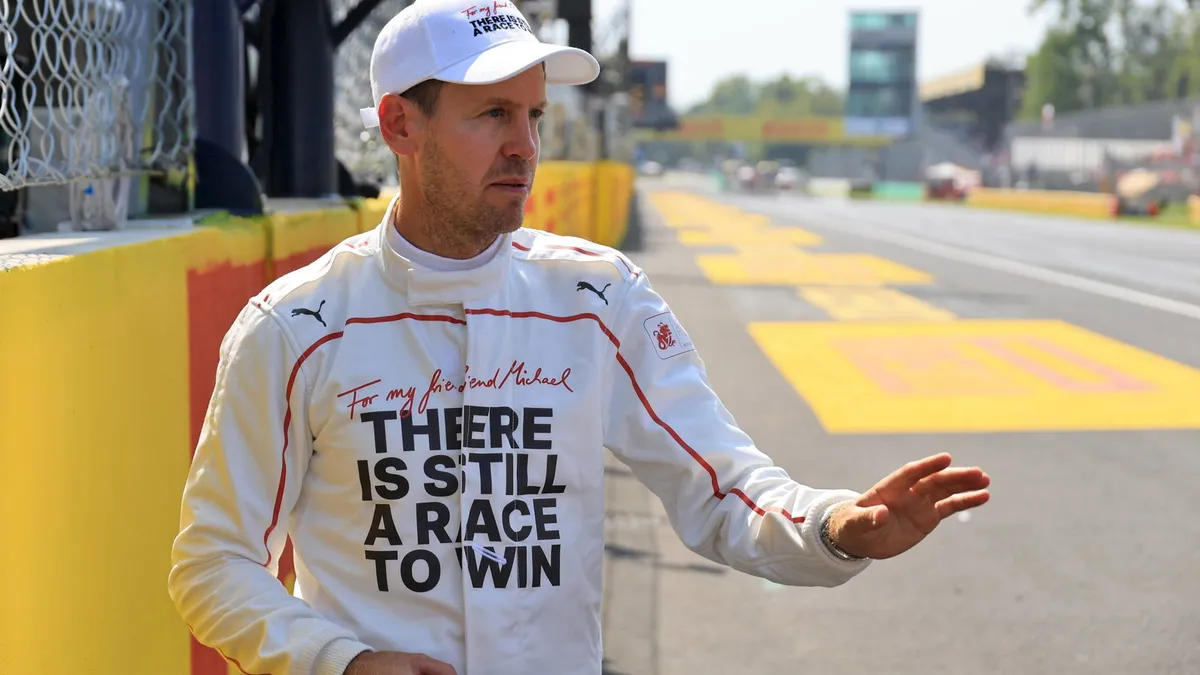
Sebastian Vettel terbuka untuk peran di F1 tapi tak aktif mengejar. Juara dunia empat kali itu fokus pada keluarga dan isu keberlanjutan.
 Continue with Google
Discussion (0)
Join the Discussion!
Sign in easily to start commenting, replying, and interacting with other readers.
Latest Comments
No comments yet. Be the first!