







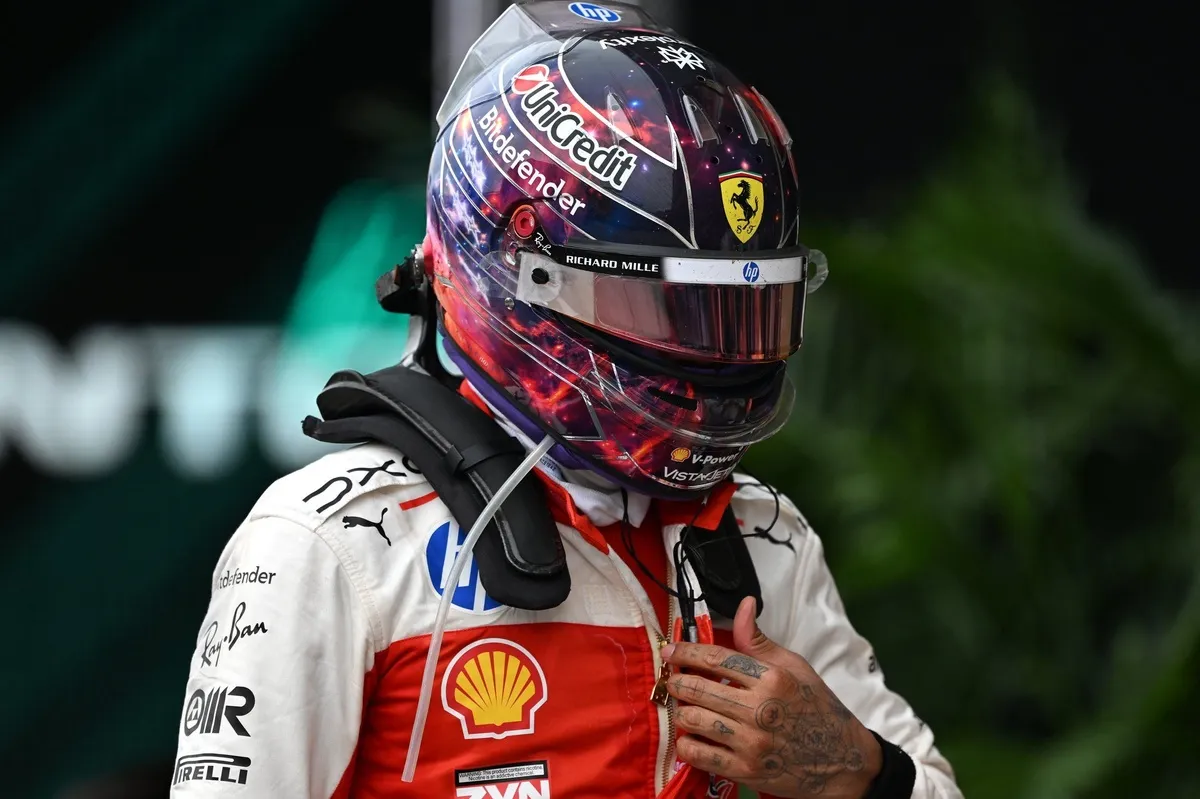

Lewis Hamilton has detailed the exact reasons why a podium finish narrowly slipped away during the Formula 1 United States Grand Prix in Austin. Starting from fifth on the grid, the Ferrari driver made an impressive launch to overtake Isack Hadjar for fourth place at lights out, despite being the sole driver forced to start the opening stint on used soft tyres.
Despite the strong initial effort, Hamilton lost crucial tenths of a second per lap compared to his teammate, Charles Leclerc, and Max Verstappen during the first stint. Those lost seconds ultimately equated to the exact margin that prevented the seven-year world champion from challenging Verstappen for third place or potentially fighting Leclerc for second.
According to the veteran driver, the root cause of his early pace deficit stemmed from suboptimal set-up directions explored during Friday practice sessions. He noted that the team pursued the wrong avenues in opening practice and drifted further off course in the second session before recovering a better baseline by the final practice.
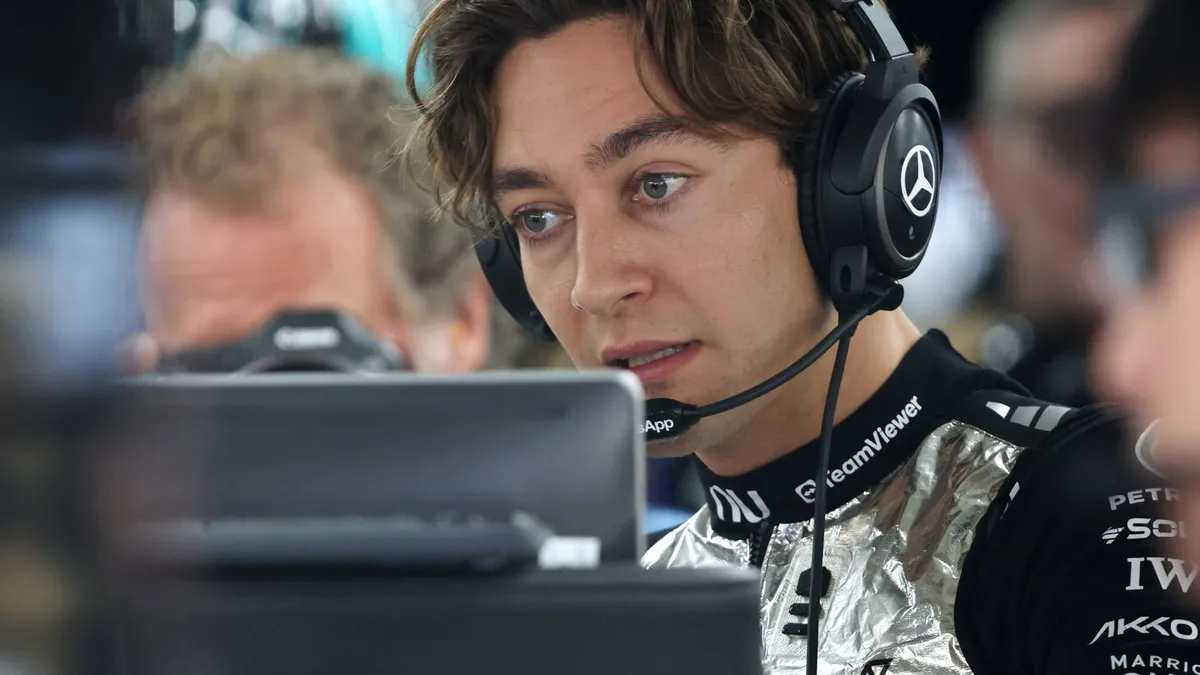
"I was lacking pace in the first two stints, basically. I just couldn't turn the car," Hamilton explained regarding the handling issues he faced. He further pointed out subtle differences in front wing flap angles between his car and Leclerc's machine, noting that the team continuously under-hit the required aerodynamic values.
Hamilton added that while the car felt responsive during the reconnaissance laps to the grid, it suffered from massive understeer once the race got underway. Despite adding multiple clicks of front wing angle during successive pit stops, the adjustments proved insufficient to recover the lost ground during the early stages of the grand prix.
Read Also
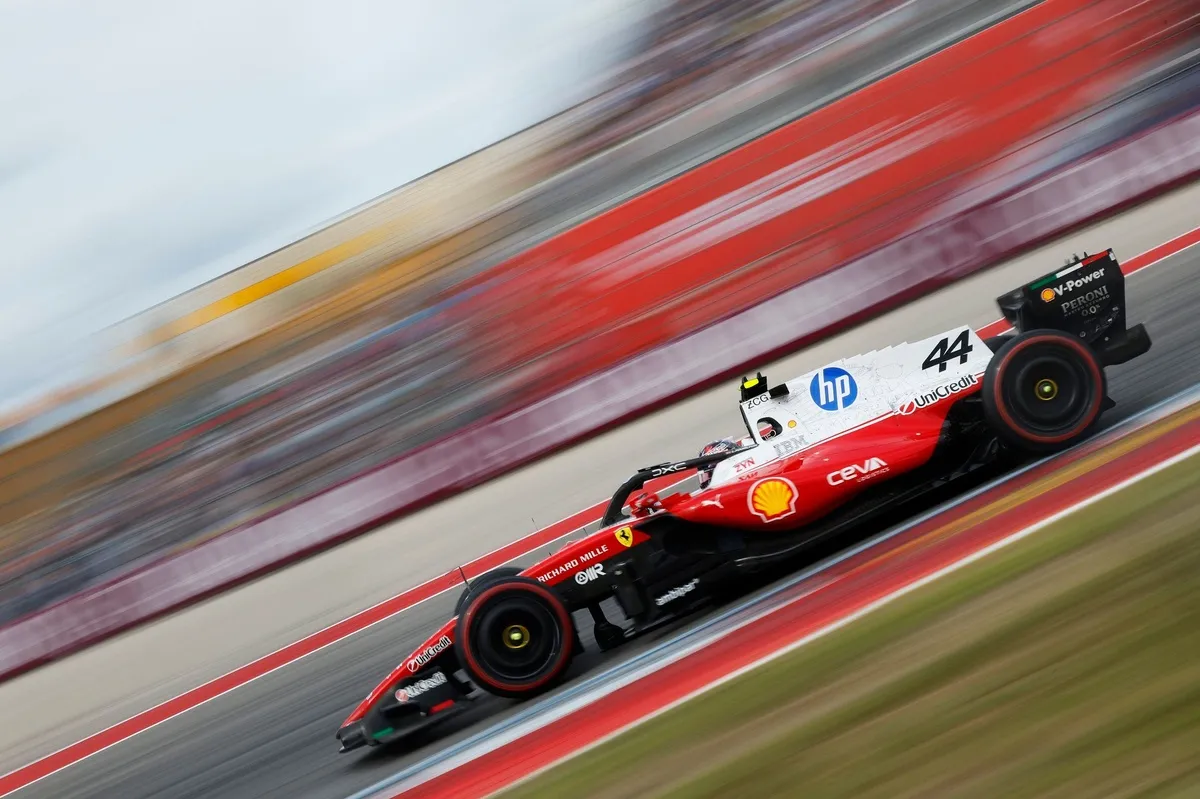
Simak analisis lengkap mengapa Lewis Hamilton gagal meraih podium di GP AS 2026 akibat blunder set-up hari Jumat. Baca ulasan mendalam di sini!
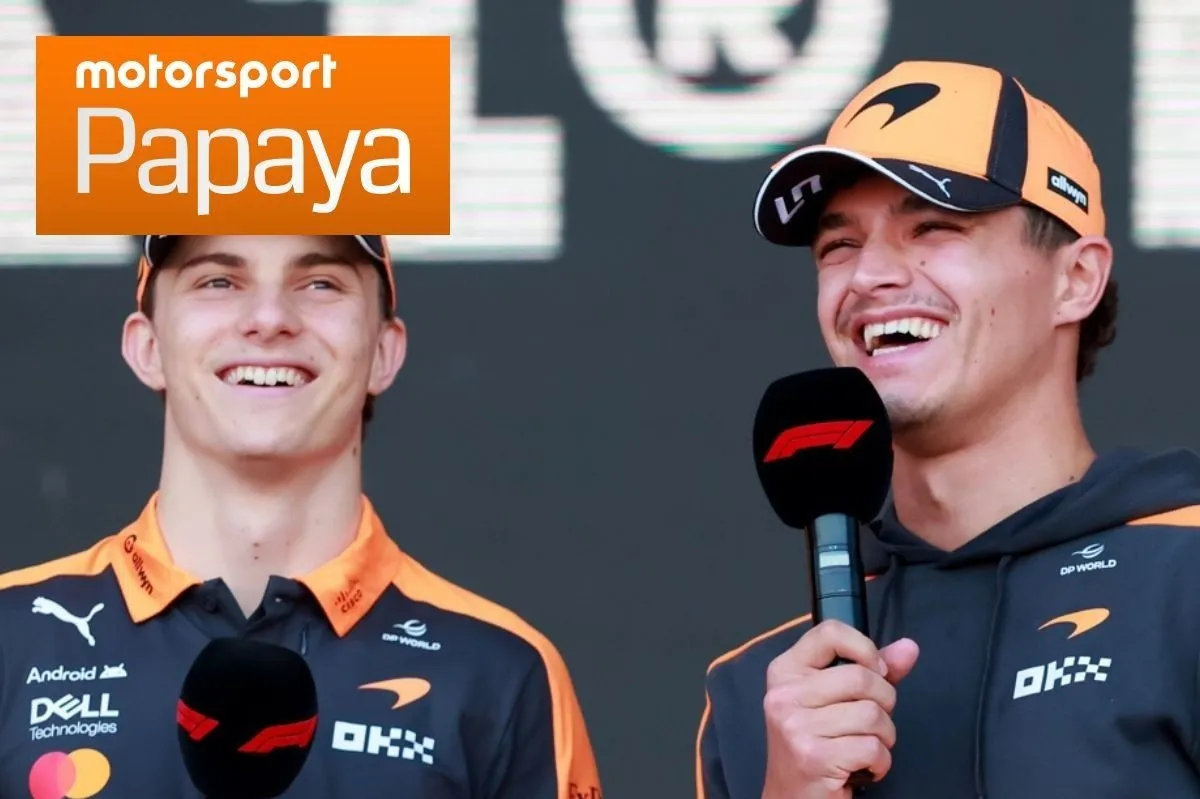
Simak analisis lengkap mengapa blunder kualifikasi hancurkan peluang podium McLaren di F1 GP AS 2026. Baca laporan mendalam di Sportrik!
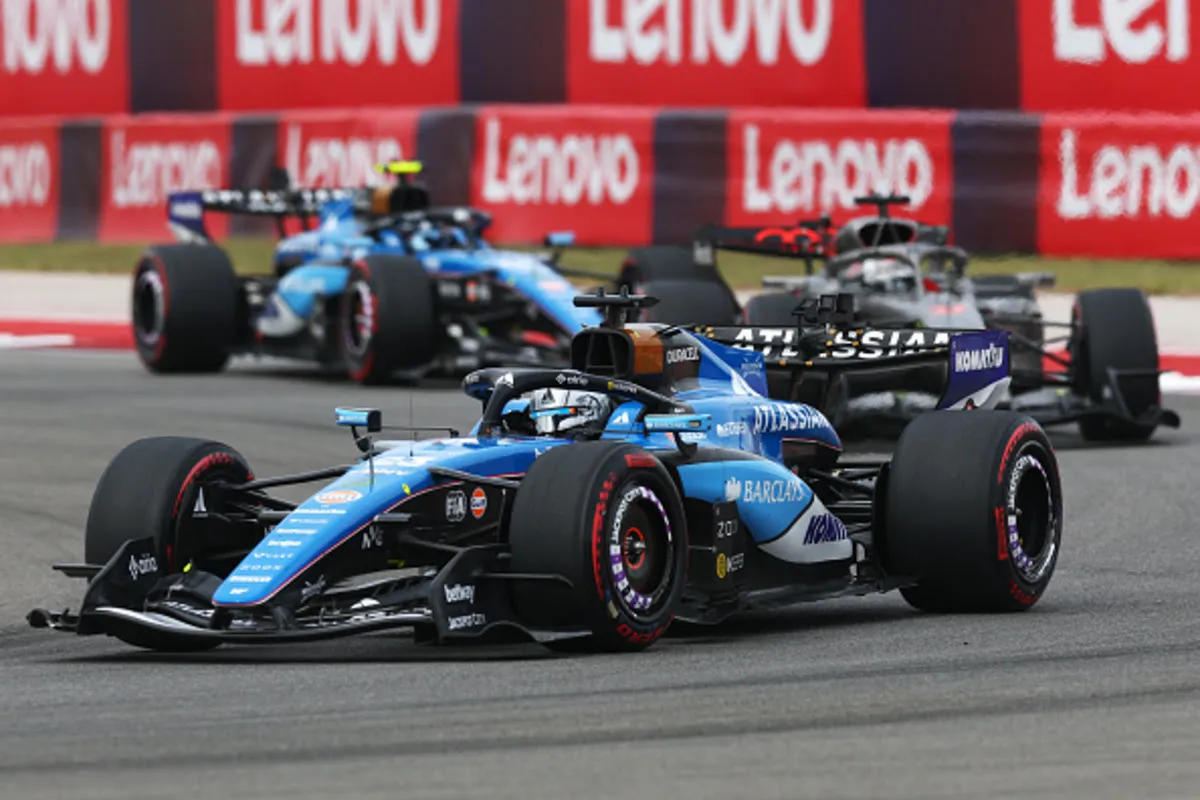
Simak analisis lengkap insiden Alex Albon dan Fernando Alonso di GP AS serta evaluasi performa Williams. Baca selengkapnya di sini!
 Continue with Google
Discussion (0)
Join the Discussion!
Sign in easily to start commenting, replying, and interacting with other readers.
Latest Comments
No comments yet. Be the first!