



Formula 1, Sportrik Media - The FIA has moved quickly to address driver concerns over race starts by testing a new start sequence during the second pre-season test at the Bahrain International Circuit.
With the introduction of the new power unit regulations, which split power 50:50 between combustion and electrical energy, drivers must now build turbo pressure before a race start. Practice starts during the first week of testing showed that this process can take several seconds.
Under normal circumstances, drivers at the front and middle of the grid would have enough time to prepare the turbo. However, those starting further back could be heavily compromised due to the shorter preparation window.
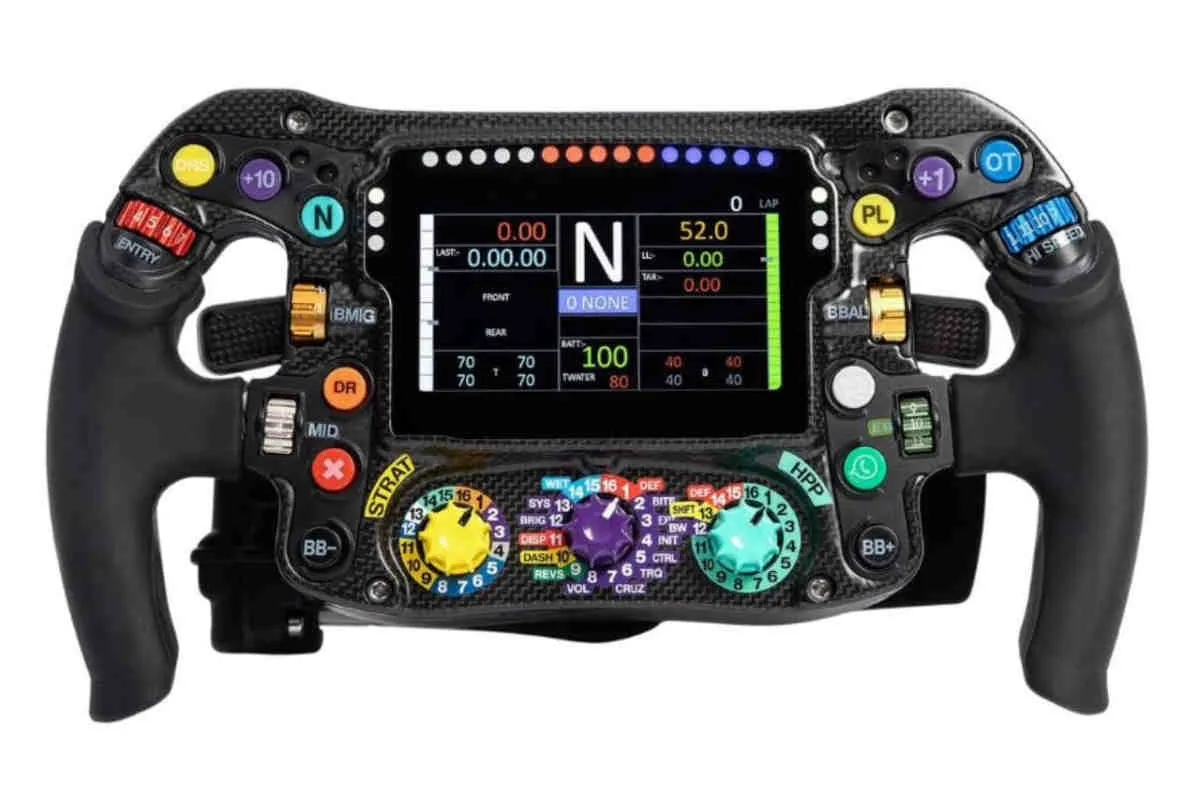
To mitigate the issue, the FIA confirmed it would trial a different start procedure on each day of the three-day second test in Bahrain. The simulations form part of the end-of-day procedures and are designed to replicate full race starts.
In the revised format, the session is stopped with a red flag at approximately 18:50 local time. All cars return to the pit lane, then complete a formation lap followed by an additional formation lap before lining up on the grid for a simulated race start.
Once all cars are in position, a new pre-start warning is introduced, with all grid panels flashing blue for five seconds. After the blue warning phase, the standard start light sequence begins.
The full sequence consists of a red flag, cars returning to the pit lane, lining up in the fast lane, pit exit opening, cars leaving for the grid, an extra formation lap, cars back in grid position, a five-second blue pre-start warning, and the normal start light procedure.
The FIA also confirmed that, within the new sequence, all drivers receive a clear warning of when to begin powering up the turbo.
At the end of Wednesday’s running, the 11 drivers who took part in the afternoon session completed the new simulated race start. Each left a free grid slot ahead to avoid potential issues, and the procedure ran smoothly.
Although several drivers experienced wheelspin off the line, the FIA considers the current solution a workable step ahead of the start of the 2026 Formula 1 season.
Read Also
Mercedes ledek Kimi Antonelli yang kesulitan menyemprotkan air mawar pada selebrasi podium Formula 1 setelah mengamankan posisi kedua klasemen.

Charles Leclerc ungkap kekhawatiran mendalam pembalap F1 terhadap regulasi mesin 2026 usai kekacauan teknis di Grand Prix Bahrain.

Simak analisis lengkap kekacauan GP Bahrain 2026, kemenangan perdana Red Bull Powertrains, serta preview eksklusif Bathurst 1000 bersama David Reynolds.
 Continue with Google
Discussion (0)
Join the Discussion!
Sign in easily to start commenting, replying, and interacting with other readers.
Latest Comments
No comments yet. Be the first!