






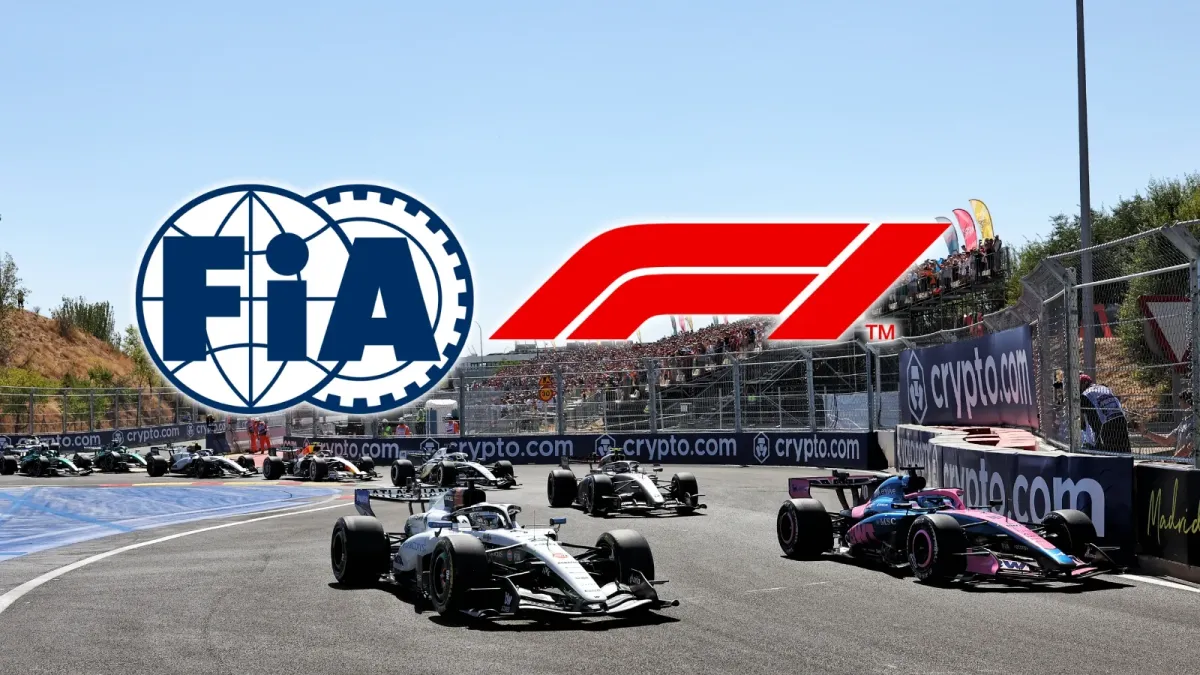

The FIA has officially announced a series of crucial changes to the Formula 1 Sporting Regulations for 2027, following a meeting of the F1 Commission on Monday. The decisions aim to enhance the fan experience and adapt to the evolving technical landscape. Key changes include a reduction in race distance, revised time limits, and the removal of gearbox homologation.
This season, F1 introduced new technical regulations featuring near 50/50 hybrid engines, which sparked debate among fans and drivers. In response to criticism, adjustments were made to gradually increase the ICE power share over the next two seasons. The 2027 changes, particularly regarding fuel flow, align with that direction.
In an official statement, the FIA confirmed that the total race distance will be cut from 305km to 290km, equivalent to a reduction of two or three laps. This move is expected to strike a balance between race duration and weekend stability while maintaining competitive intensity. The FIA emphasised that the change aims to provide a better viewing experience for spectators at the track and at home.
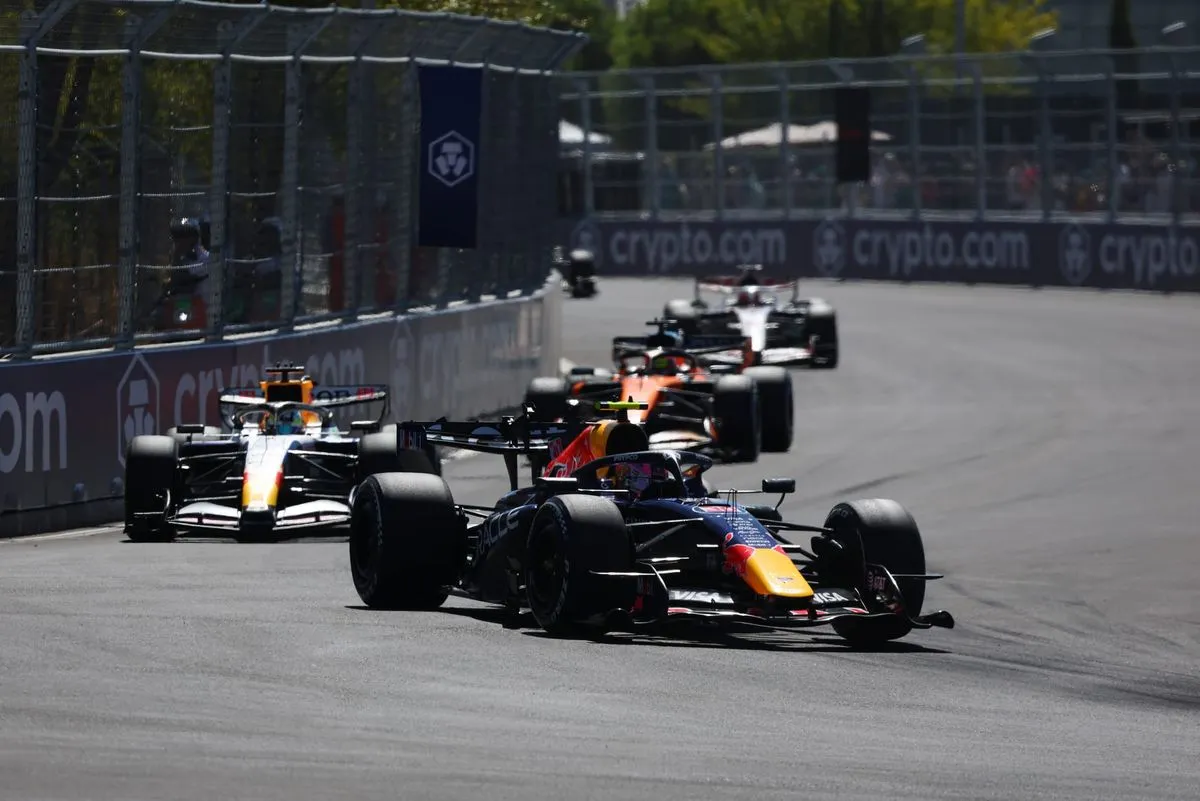
Furthermore, regulations for races disrupted by rain or other factors have been updated. A hard stop time will be introduced for the end of any racing activity, while the current three-hour limit from start to finish will be removed. The two-hour limit of actual racing remains. Greater flexibility to extend free practice sessions has also been approved. These measures are designed to ensure fans can enjoy a full race despite interruptions.
Another significant decision is the removal of gearbox homologation for 2027. Following consultation with the manufacturer working group and a recommendation from the Sporting Advisory Committee, the FIA agreed to preserve supplier development freedom. This move has been welcomed by teams eager to innovate in that area. Formula 1 continues to evolve, and these changes signal a new era.
These regulatory changes involve key stakeholders, including F1 CEO Stefano Domenicali and FIA Single-Seater Director Nikolas Tombazis, who chaired the meeting. They approved the changes for the good of the sport. However, discussions continue regarding the engine direction for the next cycle in 2031, with many calling for a return to full or near-full ICE power.
With these adjustments, the 2027 season promises more dynamic and competitive racing. Teams are expected to adapt quickly, especially with the removal of gearbox homologation allowing for more aggressive development strategies. Fans can look forward to shorter but still intense races, and more flexible regulations in extreme weather conditions.
These changes also signal that F1 is striving to balance tradition and innovation. The decision to shorten race distance may be met with mixed reactions, but the FIA believes it is in the best interest of the show. We await its implementation on track in 2027.
Read Also

Jamie Chadwick discusses the psychological pressure of being a female driver in motorsport. Read her full story here.
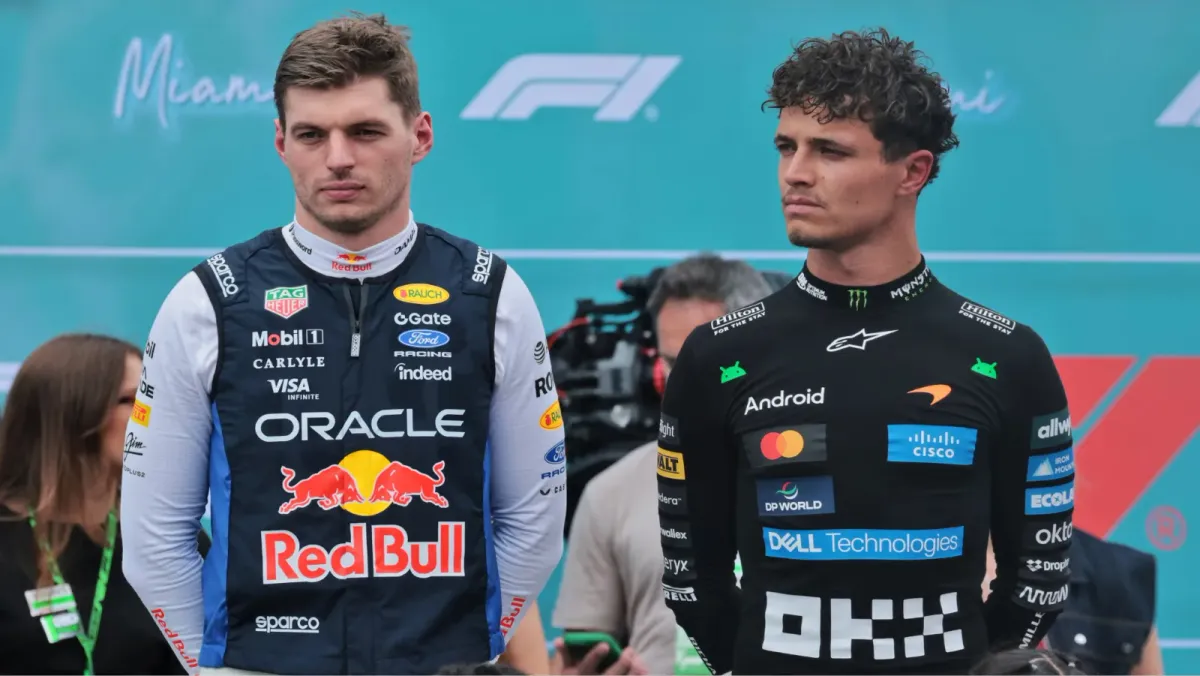
Max Verstappen declines to follow Lando Norris in building a junior single-seater team. Discover his reasons and focus on endurance and sim racing.
FIA considers ADUO system overhaul for 2027 to fix controversies and aid Honda. Changes focus on fairness and support for struggling manufacturers.
 Continue with Google
Discussion (0)
Join the Discussion!
Sign in easily to start commenting, replying, and interacting with other readers.
Latest Comments
No comments yet. Be the first!