







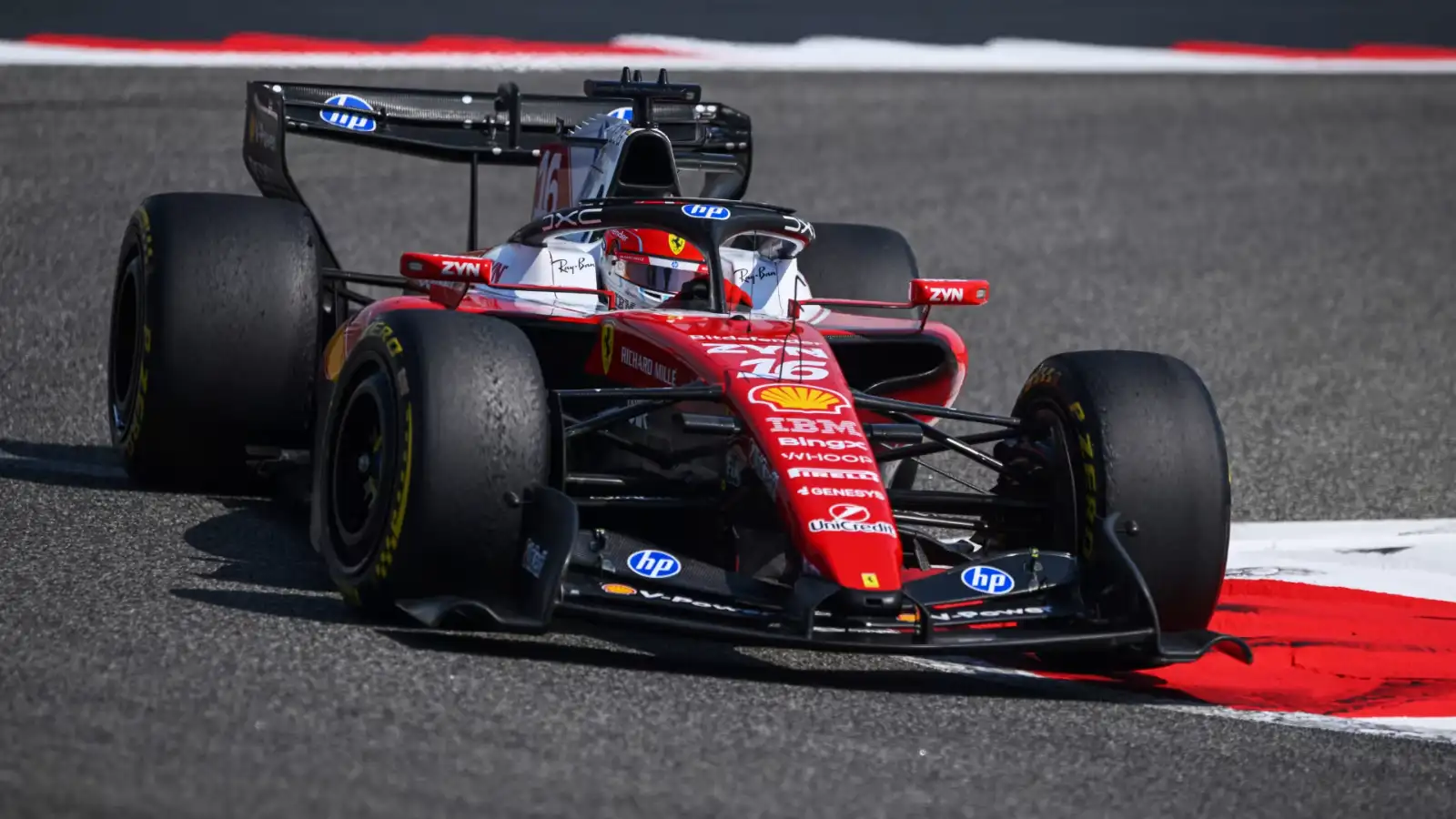

F1, Sportrik Media - Ferrari-powered cars have emerged with one of the most notable advantages of F1 2026 pre-season testing: superior launch performance off the line. Amid growing concerns in the paddock over the complexity and safety of race starts under the new power unit regulations, Ferrari’s approach has delivered a measurable edge.
The removal of the MGU-H from the 2026 power units has fundamentally changed start procedures. Previously, the MGU-H ensured the turbocharger was spinning at the optimal speed before launch. Under the new rules, drivers are no longer allowed to preload the turbo. Instead, they must manually spool it up once they reach their grid slot — a process that can take up to 10 seconds.
This introduces two key challenges. Cars further back on the grid have less preparation time before lights out, potentially creating inconsistencies. Additionally, drivers must maintain precise turbo RPM while simultaneously executing the rest of the start sequence, increasing the risk of stalling — the source of safety concerns raised during testing.
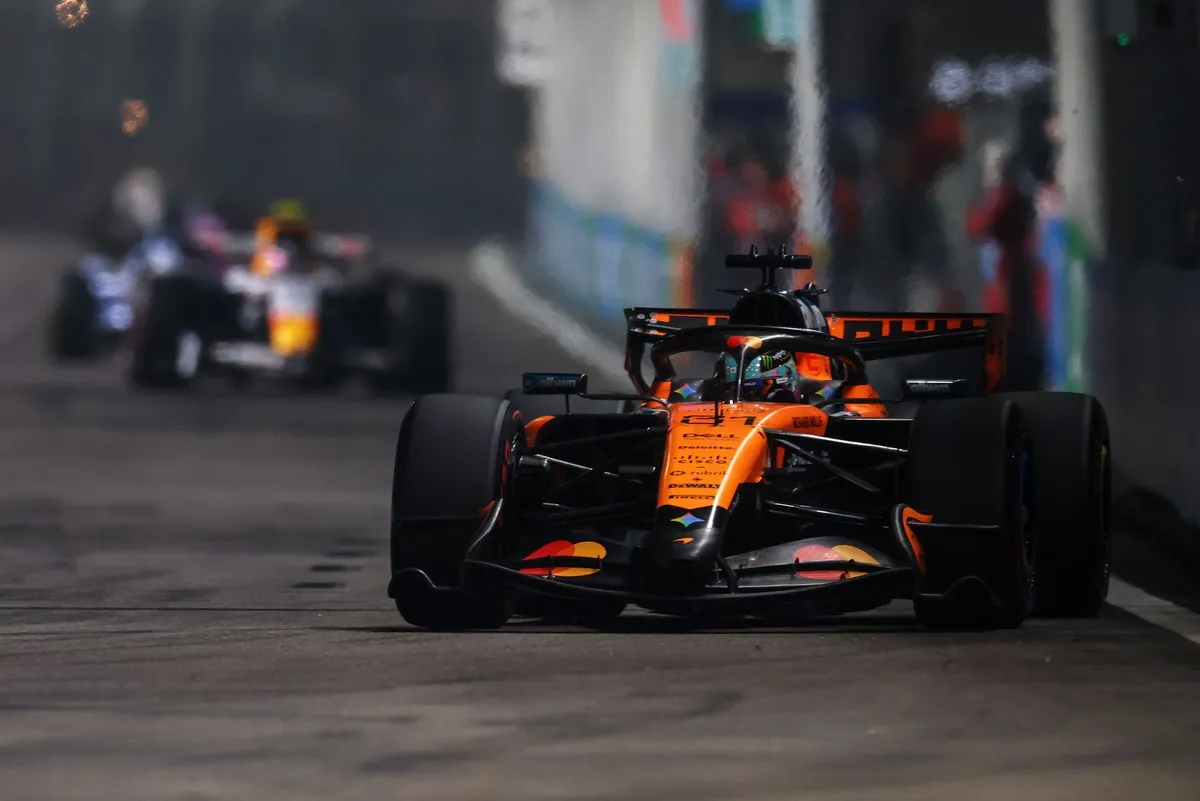
In response, Formula 1 has trialled a revised start procedure during the second and final Bahrain test, with the intention of potentially introducing changes for the season-opening round in Melbourne. However, Ferrari is understood to be dissatisfied with this development, having previously raised concerns with the FIA regarding foreseeable complications without regulatory intervention.
Anticipating the challenge, Ferrari developed a smaller turbocharger for its 2026 power unit compared to several rivals. The reduced size allows the turbo to reach operating speed more quickly, improving initial throttle response and launch efficiency. This configuration also enhances energy harvesting efficiency in higher gears, reducing the need to run lower-than-ideal gear selections in certain corners — a phenomenon observed during testing, notably with Max Verstappen.
During end-of-session practice starts in Bahrain, both the SF-26 and the Haas VF-26 — another Ferrari-powered car — demonstrated consistently stronger getaways than competing machines. New entrant Cadillac, also running Ferrari power units, has shown similar characteristics.
One example illustrated the advantage clearly, as Lewis Hamilton surged toward the first corner from the fifth row during a practice start simulation. While not representative of race conditions, the sequence highlighted the responsiveness enabled by Ferrari’s turbo configuration.
Under the 2026 framework, where hybrid balance and energy deployment are central performance pillars, start efficiency extends beyond initial traction. Faster turbo response reduces early energy management strain, potentially providing a tactical margin in the opening phase of a race.
As the championship prepares for Melbourne, Ferrari’s interpretation of the regulations could become a focal point if the launch advantage proves repeatable under competitive conditions. Whether rivals respond with hardware revisions or procedural adjustments remains to be seen, but early indications suggest Ferrari has capitalised effectively on the new regulatory landscape.
Read Also
Simak analisis mendalam mengapa Formula 1 kini kehilangan nyali saat hujan dan ragu menggelar balapan ekstrem seperti masa lalu. Baca selengkapnya di sini!

Simak analisis lengkap F1 GP Singapura 2026, strategi Red Bull, blunder Hamilton, dan drama McLaren. Baca ulasan mendalam selengkapnya di sini!

Simak analisis lengkap saat Toto Wolff ejek Kimi Antonelli usai lolos penalti di F1 GP Singapura. Baca analisis mendalam di sini!
 Continue with Google
Discussion (0)
Join the Discussion!
Sign in easily to start commenting, replying, and interacting with other readers.
Latest Comments
No comments yet. Be the first!