







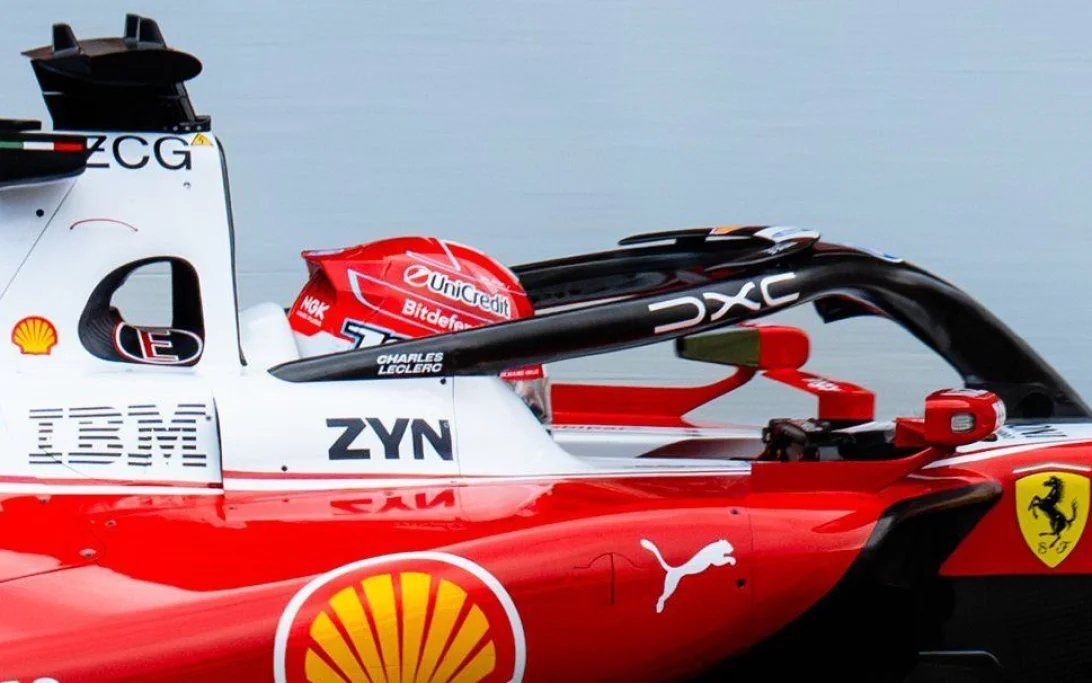

Formula 1, Sportrik Media - Charles Leclerc has admitted that the 2026-generation Formula 1 cars present a significant adaptation challenge, following sweeping technical regulation changes that have fundamentally altered the character of Scuderia Ferrari’s SF-26 compared to any car he has driven during his Formula 1 career.
The 2026 season marks the most extensive technical overhaul in more than a decade, with an all-new power unit introduced for the first time since 2014 alongside a completely revised aerodynamic rule set. Together, these changes have transformed how cars deliver power, manage energy, and respond to driver inputs, requiring a notably different driving approach from the previous regulatory era.
Leclerc, alongside his new team-mate Lewis Hamilton, took part in the Barcelona shakedown this week, providing Ferrari with its first on-track opportunity to gather data from the SF-26. The programme played a crucial role in validating correlation between simulation tools, wind tunnel development, and real-world track performance ahead of further pre-season testing.
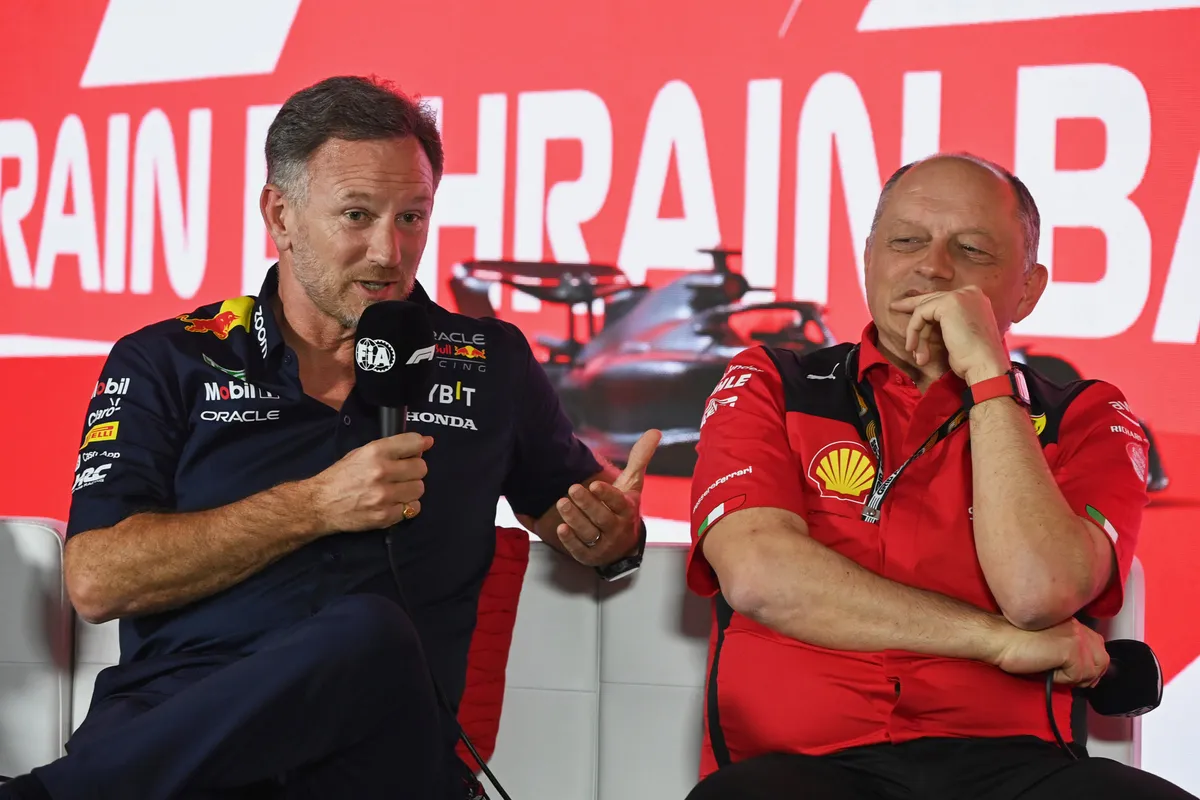
Weather conditions added complexity to Ferrari’s running. After contending with wet conditions on Tuesday, Leclerc was only able to experience the SF-26 in dry conditions for the first time on Thursday, before returning to the cockpit again on Friday morning. The limited dry running underlined the importance of maximising every lap during the early learning phase.
“It’s super interesting,” Leclerc said.
“It was the first day for me in the car in normal conditions, so there was a lot to learn and a lot to discover, and it’s a very different car to what I’ve been driving since I arrived in Formula 1.”
Leclerc explained that the shift in car behaviour is not a minor adjustment but a fundamental change that forces drivers to reassess long-established habits. After several seasons of relative regulatory stability, the 2026 reset demands new approaches to braking technique, throttle application, and overall energy management.
“I take that as a challenge, and I actually quite like that everything is new,” he added.
“There might be an opportunity for us drivers to think outside the box.”
One of the most significant changes introduced for 2026 lies in the power unit, where electrical output has been dramatically increased to match that of the internal combustion engine. This adjustment has a direct impact on energy deployment, drivability, and how drivers extract consistent performance across a lap.
Leclerc acknowledged that adapting to the new balance between combustion power and electrical energy proved demanding throughout the Barcelona shakedown. The added system complexity requires greater precision from the driver and a deeper understanding of how the car reacts in different phases of a lap.
“I definitely feel more and more comfortable as time goes on,” Leclerc said.
“It remains an F1 car in a way, so it’s not like I was completely lost when I got back into the car. I felt at ease quite quickly.”
However, he stressed that early comfort does not diminish the scale of the challenge introduced by the new systems, particularly when it comes to optimising power deployment and maintaining consistency.
“With these new systems, and with around 50 per cent of the power coming from the electrical engine, it makes it much more challenging to manage,” he explained.
“The learning curve is very steep, but that’s what makes it so interesting.”
From Ferrari’s perspective, the Barcelona shakedown was not about chasing headline lap times, but about ensuring system stability and collecting high-quality data. Feedback from Leclerc and Hamilton is expected to be central in defining the SF-26’s early development direction before the next phase of testing.
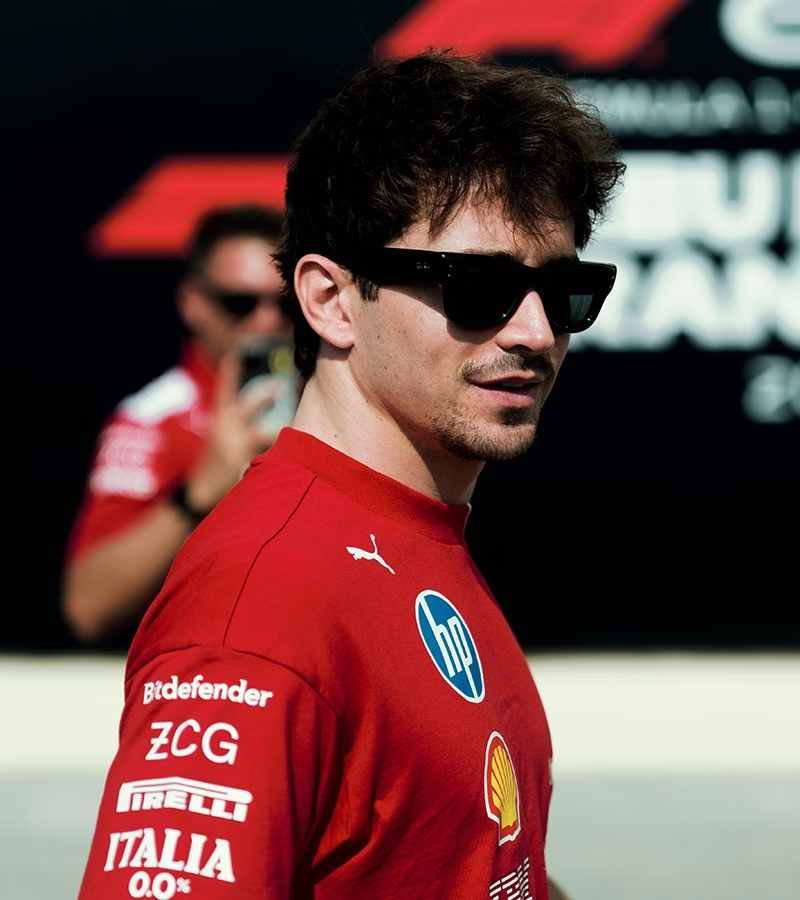
Leclerc believes the 2026 regulation changes offer drivers a renewed opportunity to play a more influential role in car development, particularly for those able to adapt quickly and understand the new technical landscape. In the opening phase of the season, the speed of learning could prove to be a decisive differentiator between teams.
With further pre-season testing scheduled in Bahrain, Ferrari will now focus on in-depth analysis of the data gathered in Barcelona. For Leclerc, the challenge presented by the 2026 car is viewed not as a setback, but as an opportunity to evolve his driving approach and help shape Ferrari’s competitiveness in Formula 1’s new era.
Read Also

Stefano Domenicali ceritakan lelucon Jimmy Fallon di makan malam GP Miami: pizza dikirim ke restoran Michelin, lengkap dengan catatan lucu.
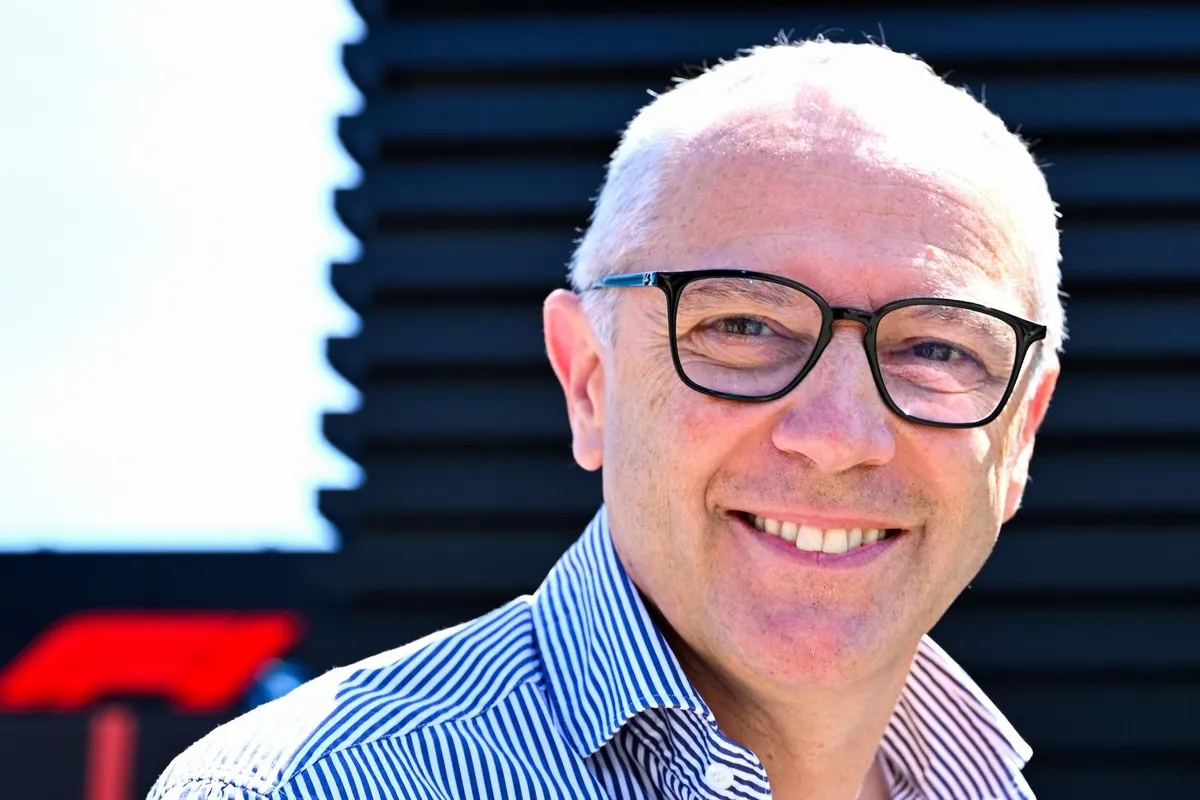
Formula 1 hampir menyentuh 1 miliar fans global. Stefano Domenicali soroti pertumbuhan audiens wanita dan strategi ekspansi di AS.
Alpine mengungkap peran tersembunyi Daniil Kvyat sebagai driver simulator yang membantu kebangkitan tim di F1 2026, termasuk turnaround di Jepang dan Kanada.
 Continue with Google
Discussion (0)
Join the Discussion!
Sign in easily to start commenting, replying, and interacting with other readers.
Latest Comments
No comments yet. Be the first!