








The Formula 1 paddock is facing a severe reality check regarding online toxicity following shocking revelations about the scale of abuse directed at top drivers. The crisis escalated after Pierre Gasly found himself bombarded with a staggering wave of hatred after an on-track moment involving his teammate, Franco Colapinto. The hostility quickly crossed all ethical boundaries, spilling over to target the French driver's family and partner with relentless online harassment.
The situation prompted swift behind-the-scenes intervention within the Alpine squad, where leadership reportedly warned that media access could be restricted for certain broadcasters if the fan hostility continued unchecked. This compelled the young Argentine driver to publish a direct video appeal across his social media channels in a desperate bid to calm his passionate supporters and restore order.
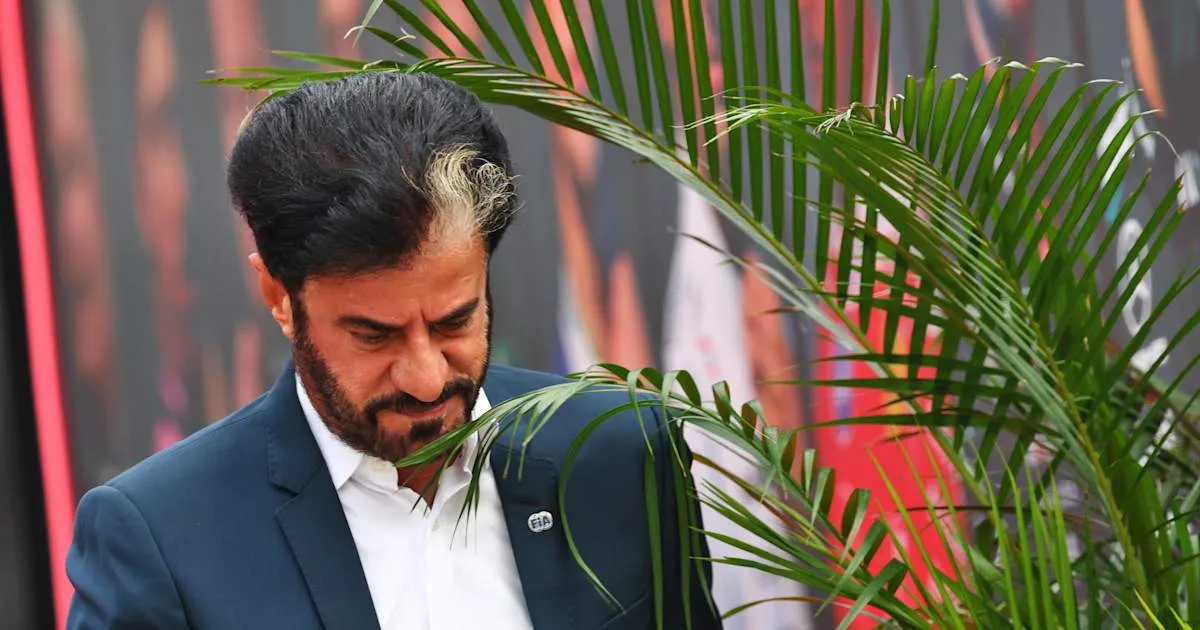
Addressing the escalating dangers of social media toxicity, FIA President Mohammed Ben Sulayem emphasized that drivers carry a profound duty to actively police their own fanbases. He stressed that athletes must publicly reject toxic behavior and state clearly that abusive followers do not represent true sporting fandom, noting that defending colleagues from cyber threats ultimately protects everyone in the paddock.
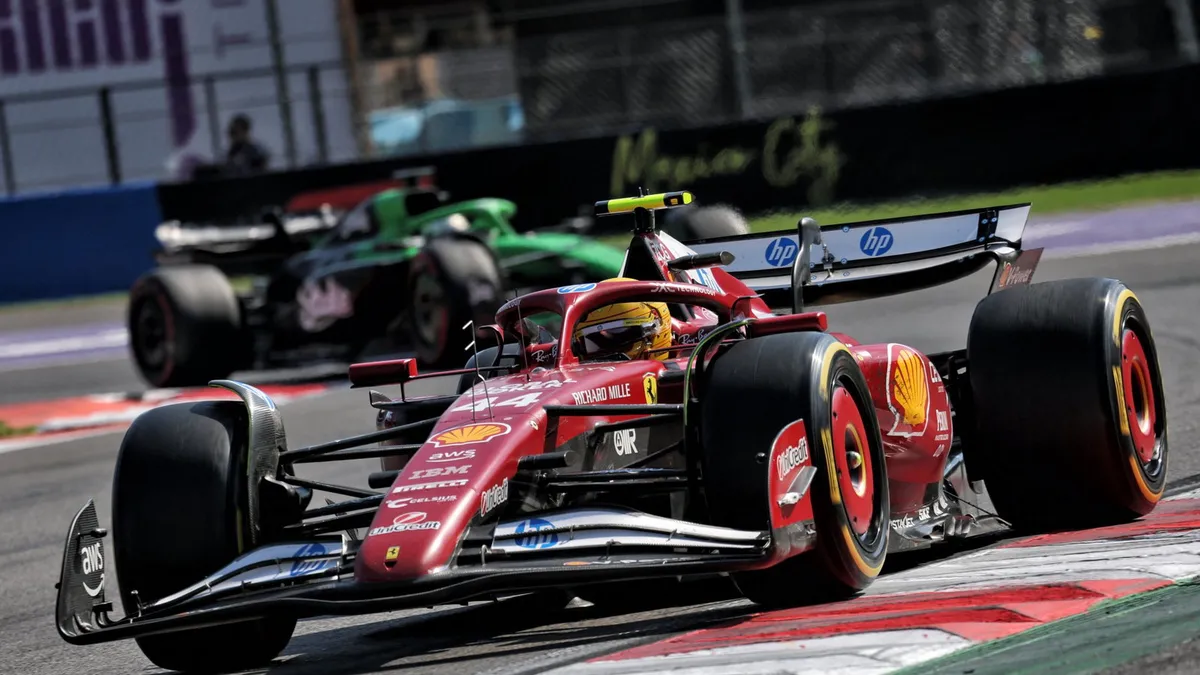
Highlighting the sheer magnitude of the problem, the FIA chief revealed the alarming statistic that Pierre Gasly was subjected to thirteen thousand separate death threats. He warned that motorsport risks suffering irreparable damage if governing bodies, teams, media outlets, and competitors fail to unite and confront the toxic troll culture head-on before it destroys the fabric of the sport.
To combat this growing menace, the governing body is aggressively deploying advanced artificial intelligence tools under the 'United Against Online Abuse' initiative to unmask anonymous trolls. Strict enforcement measures, ranging from permanent circuit bans for spectators to credential revocation for accredited personnel, are being implemented to ensure online perpetrators face real-world consequences for their digital actions.
Read Also
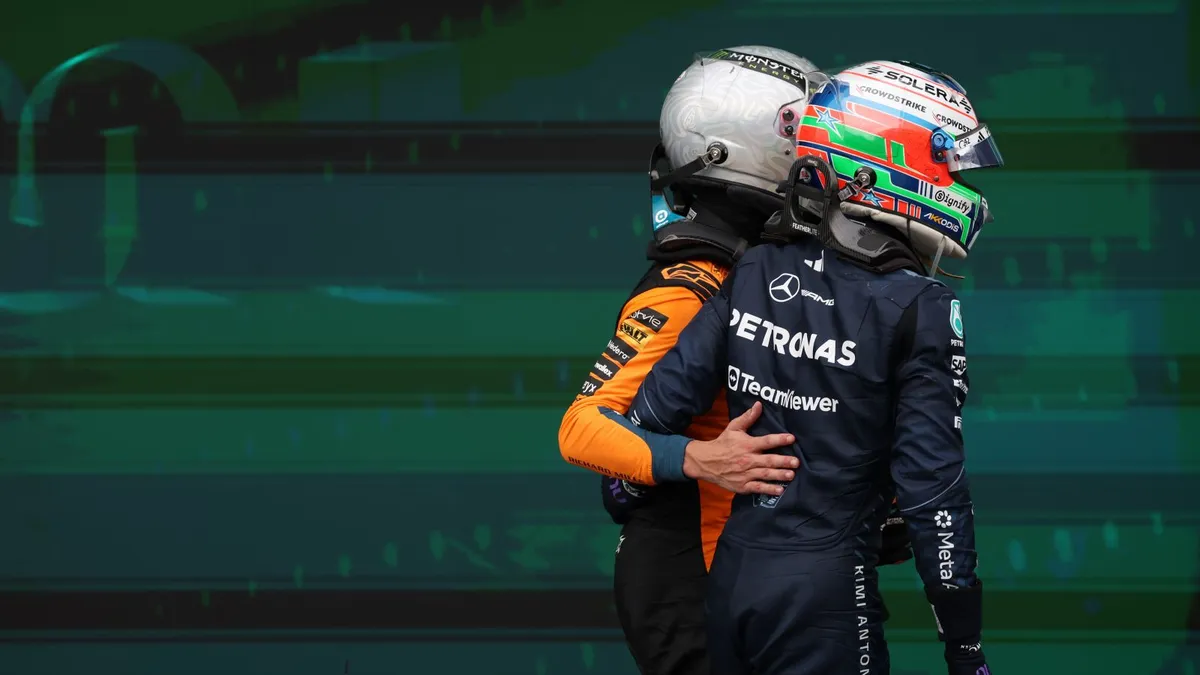
Lando Norris puji Kimi Antonelli yang siap kunci gelar F1 2026 di Meksiko. Baca analisis lengkap, update poin, dan jadwal akhir pekan ini.
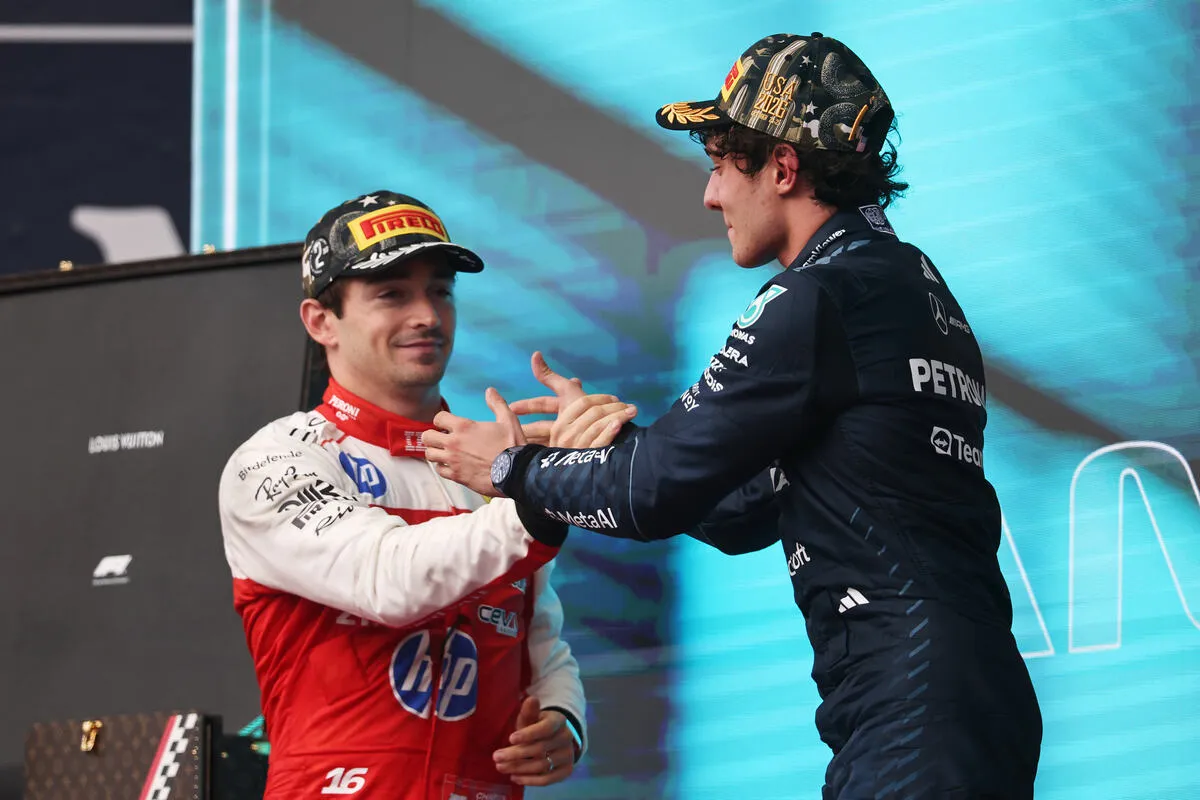
Simak pujian tinggi Luca Cordero di Montezemolo untuk Kimi Antonelli yang selangkah lagi rengkuh gelar juara dunia F1 2026. Baca analisis lengkapnya di sini!
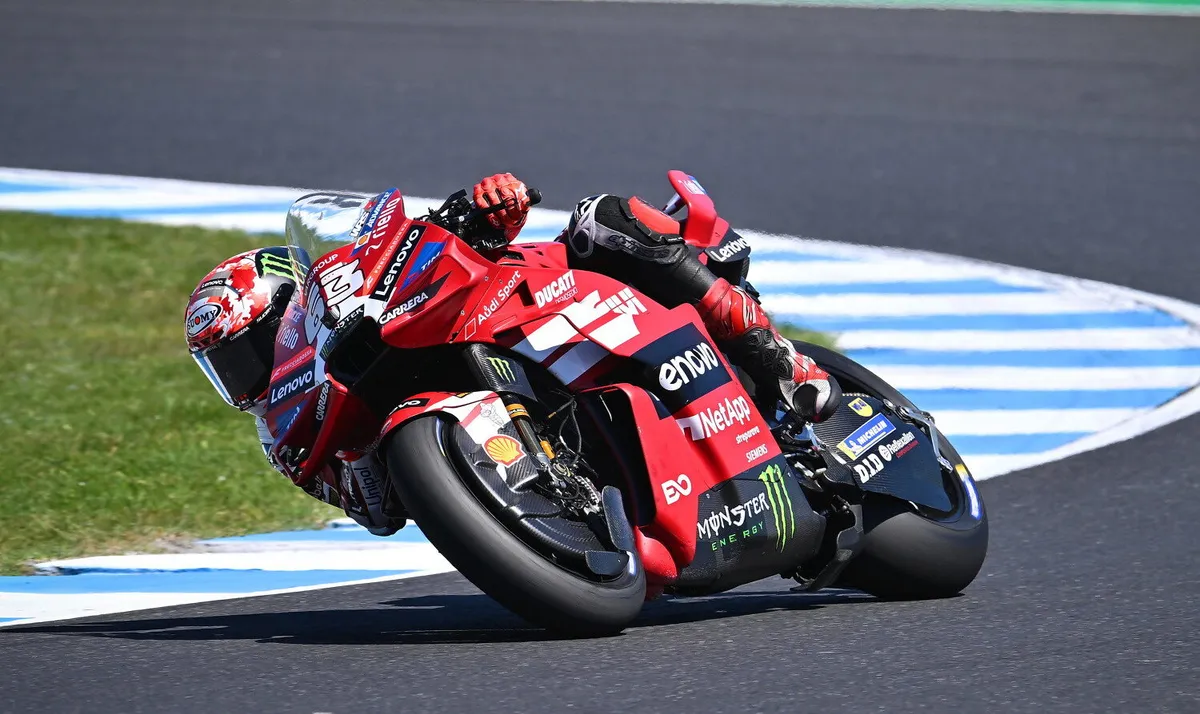
Simak analisis lengkap penolakan team order oleh Pecco Bagnaia jelang GP Sepang. Baca berita eksklusif dan update MotoGP terbaru di sini.
 Continue with Google
Discussion (0)
Join the Discussion!
Sign in easily to start commenting, replying, and interacting with other readers.
Latest Comments
No comments yet. Be the first!