







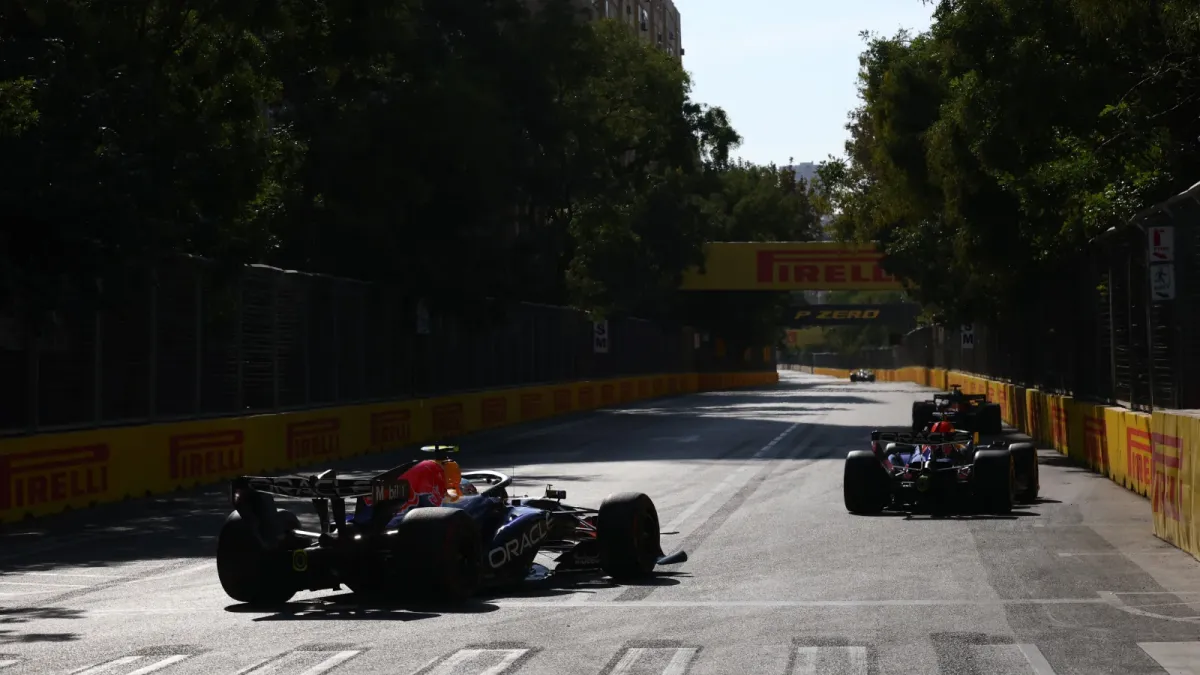

George Russell took the checkered flag at the Azerbaijan Grand Prix last weekend, but the spotlight on Baku is far from over. The Caspian city is already gearing up for its next major event: the Baku International Arts Festival, set to run from October 28 to November 8, 2025.
The race, which saw 51 laps around the 6km street circuit, has been one of the sport’s most reliable sources of drama since its debut as the European Grand Prix in 2016. This year, organisers moved the race to Saturday, September 26, to avoid a clash with Remembrance Day on September 27. The request came from the promoter and the government, and F1 was happy to oblige.Baku’s readiness to shape the calendar around the city, rather than the other way around, says a lot about how Azerbaijan views major events. The Grand Prix is not a one-off; it is part of a wider cultural calendar. After the race, the circuit is dismantled almost overnight—traffic flows freely within 24 hours, while grandstands and heavier infrastructure are cleared in the following weeks. Team logistics move swiftly: critical equipment flies by air, bulk items travel by sea at a fraction of the cost.
Just 32 days after the lights go out, Baku hosts its second headline event. The Baku International Arts Festival returns for its second edition with over 20 events spanning theatre, ballet, music, film, and masterclasses. The scale matches last year’s inaugural edition, which brought more than 100 artists to the city. English National Ballet and Les Ballets de Monte-Carlo both make their Baku debuts, along with performances by David Garrett and Maxim Vengerov. Akram Khan presents Thikra’s Night of Remembering, while William Kentridge’s multimedia treatment of Shostakovich’s Symphony No. 10 anchors a strand marking the composer’s 120th anniversary. Lev Dodin’s The Seagull and Dmitry Krymov’s Bloody Mary complete a world-class theatre offering.
Why does this matter to a motorsport audience? Because the people who fly to Baku for a Grand Prix are exactly the audience the city wants back. They are internationally mobile, they already know their way around the Old City, and they know the hotels and restaurants. Several BIAF venues—from Icherisheher to the Philharmonic Hall beside its walls—stand close to where the circuit fences stood just a month earlier. Formula 1 gave Baku its global profile, but the city wants more: to make autumn a cultural stage of equal prestige.

With the success of the 10th Grand Prix and meticulous festival preparations, Baku proves it can host world-class events sustainably. For F1 fans, it’s a chance to see another side of the city known for its tight corners and racing drama. For Azerbaijan, it’s a strategic move to position itself as a global cultural destination.
Read Also
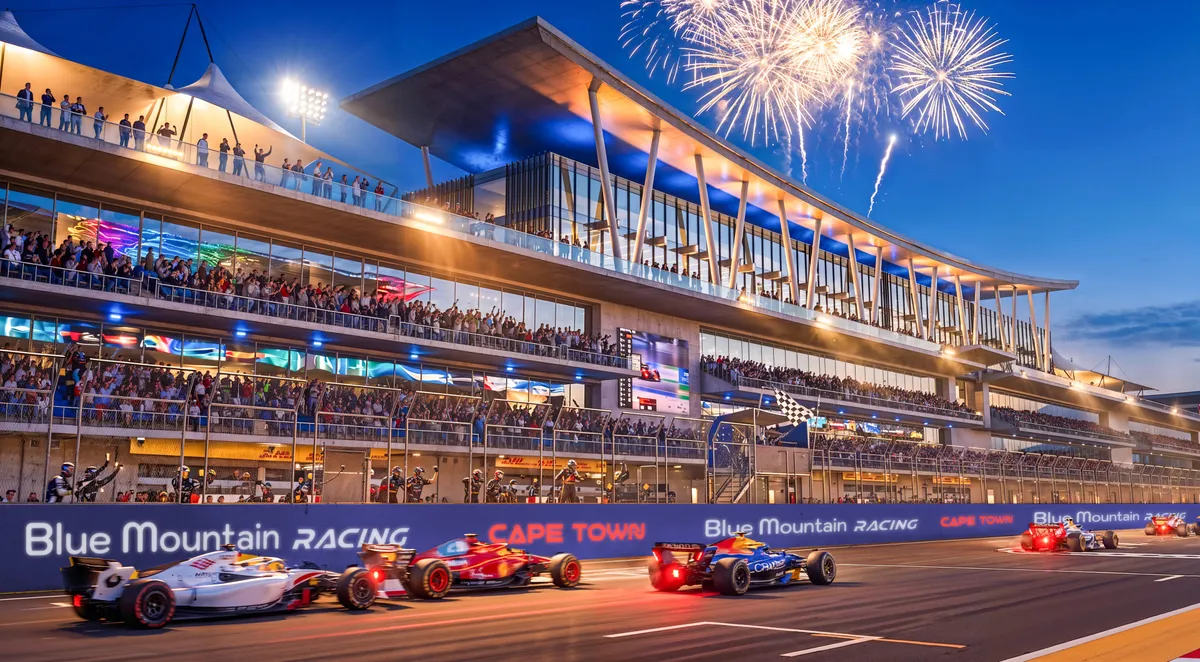
Blue Mountain Racing akuisisi 600 hektar di Swartland, bangun sirkuit F1 Grade 1. Diskusi dengan F1 dan MotoGP, target balapan 2031.
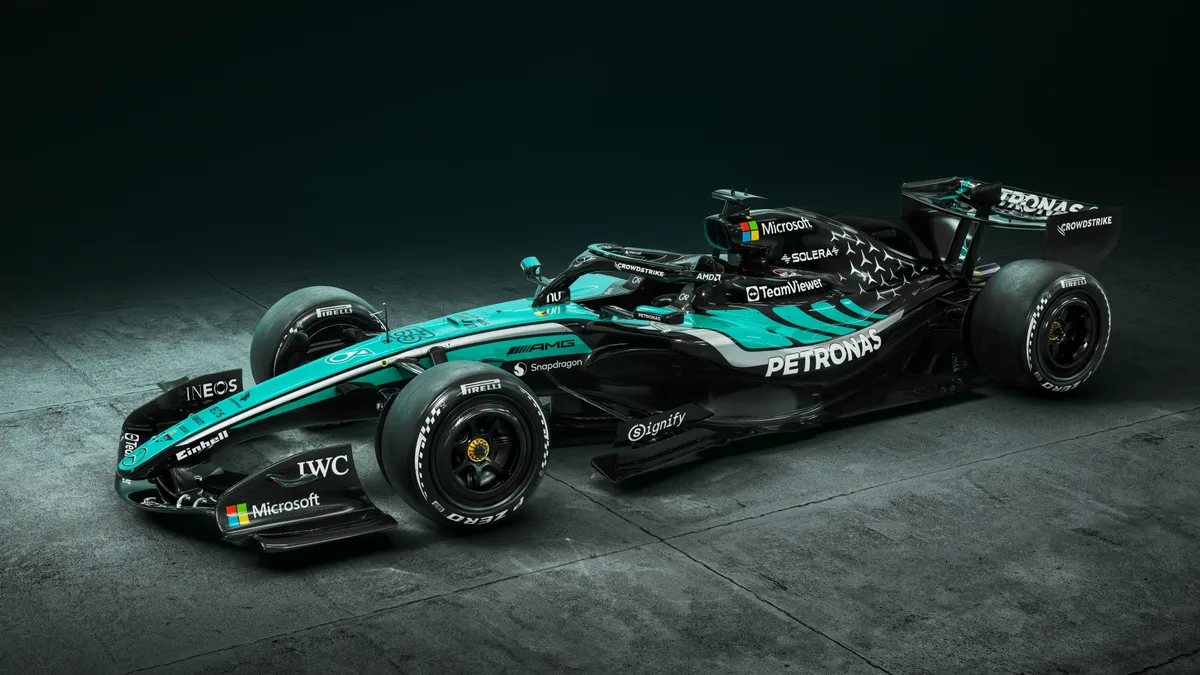
Mercedes hadirkan livery spesial Petronas di F1 Malaysia, plus upgrade pertama sejak Kanada. Simak analisis dan peluang mereka di Sepang.
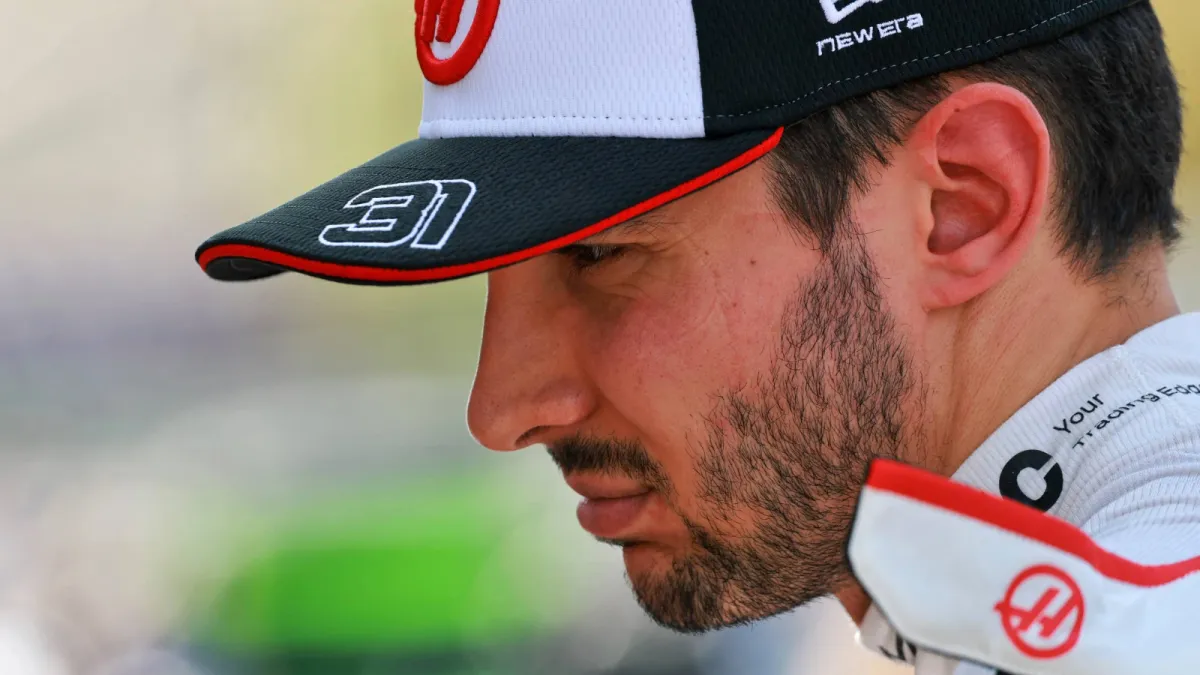
Esteban Ocon dan Haas resmi berpisah akhir musim F1 2026. Simak pernyataan Ayao Komatsu dan prospek masa depan Ocon di grid F1.
 Continue with Google
Discussion (0)
Join the Discussion!
Sign in easily to start commenting, replying, and interacting with other readers.
Latest Comments
No comments yet. Be the first!