






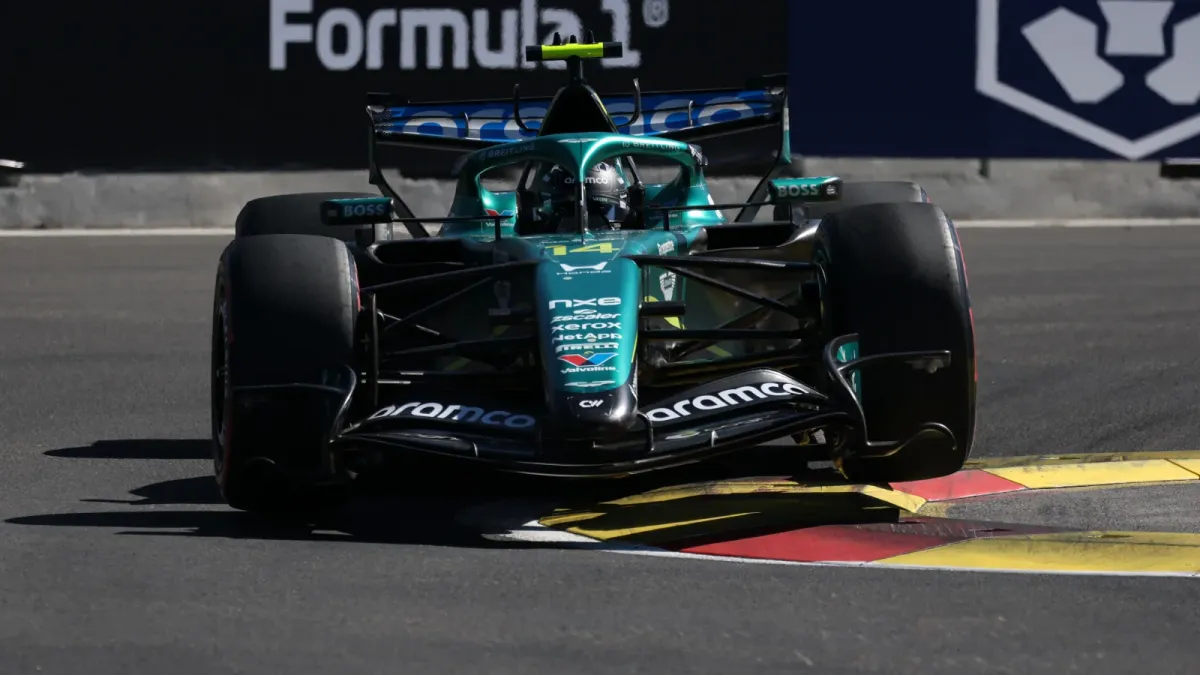

Enrico Cardile, Aston Martin's Chief Technical Officer, has declared that the team's AMR27 will be "a completely new car" for the 2027 Formula 1 season, despite it being expected to conceptually evolve from this year's challenger. This statement offers the first real insight into how the Silverstone squad is approaching the new regulations.
Aston Martin arrived at 2026 with high expectations following the arrival of Adrian Newey as team principal and a switch to Honda power. But the season has been difficult, with the team restricted to just three points and sitting 10th in the Constructors' standings. There have been recent signs of progress, however — Aston Martin introduced a B-spec car at the Hungarian Grand Prix in July, followed by a Honda engine upgrade at the Dutch Grand Prix, where Fernando Alonso scored the team's best result of the season with ninth place.
Speaking to Aston Martin's official website, Cardile — who joined the team in 2025 after a stint as Ferrari's technical chief — gave the first clues about how the AMR27 will take shape. "Every single part will be new. Everything will have been improved," he said. "But conceptually, it will be an evolution of the direction we took with this year's car. We're on the right path now, but we're not tied to it. Let's put it this way: when it comes to tackling the '27 project, we haven't placed any constraints on ourselves in terms of trying to carry anything over from the previous car. In this sense, it will be a completely new car, and it gives us the freedom and mindset to achieve what we want."
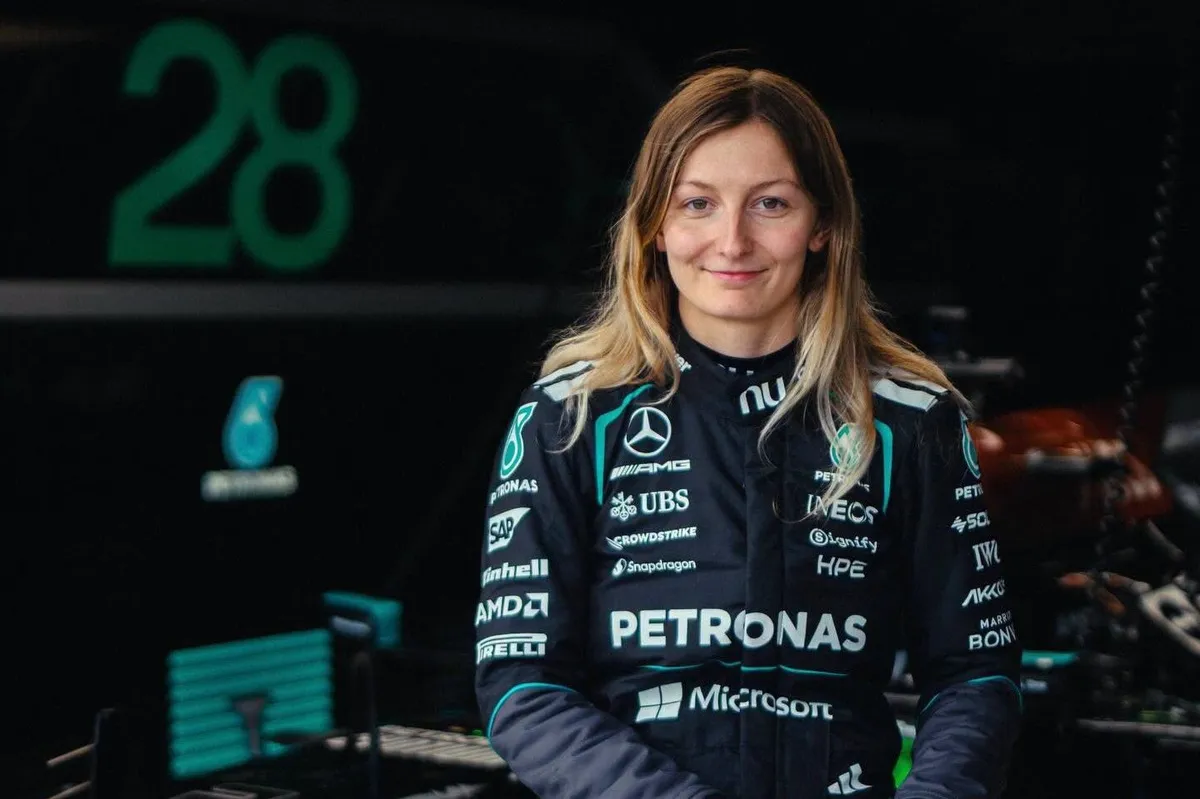
Cardile emphasised that the priority for the rest of this season is extracting as much knowledge as possible to inform the 2027 chassis. "I think I'll only want to talk about 2027," he said when asked how he expects to reflect once the year is over. "Our task now is to extract as much information as we can from 2026 because all of that will guide the 2027 project. From now on, it's a daily challenge in every area: finding more downforce, reducing weight, giving the engineering group more time to run in the wind tunnel, to revisit concepts, to refine components. By the end of the year, I expect most of our conversation will be about what we've learned and how it's shaping the 2027 car."
The 2027 rule changes will move Formula 1 away from the current 50:50 split between internal combustion and electrical power, alongside smaller chassis tweaks. Adrian Newey has previously flagged the area at the front of the floor as one of the key zones to get right under the new regulations. "The most obvious changes [for 2027] are on the power unit side: five per cent extra fuel, some adjustments to energy storage and deployment and some finer tweaks," Newey explained. "On the chassis side, the changes are fewer but still significant. The biggest is to what's often called..."
With a technical foundation led by Cardile and the strategic vision of Newey, Aston Martin appears to be building the groundwork for a long-term resurgence. The difficult 2026 season may be the price to pay for understanding the characteristics of the new-generation cars, but the B-spec experiment and Honda engine upgrade show the team is not standing still. Every piece of data collected from the track will be a building block for the AMR27, which is hoped to challenge at the front.
For fans, Cardile's statement is a signal that Aston Martin will not do things by halves as they embrace the new regulatory era. If all goes to plan, 2027 could be the turning point the British green team has long awaited. Meanwhile, the remainder of the 2026 season will serve as a rolling laboratory for Alonso and his teammate to test concepts that will be applied to the new car.
Read Also
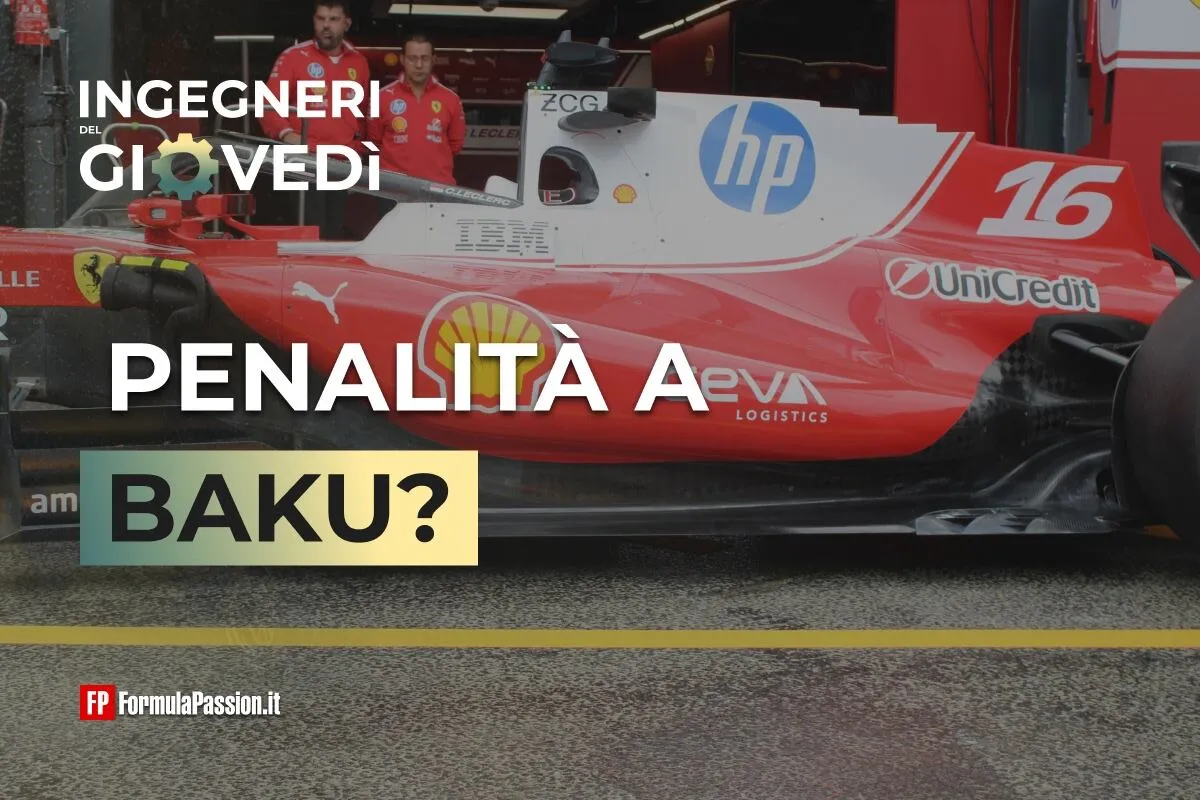
Ferrari considers a grid penalty for Charles Leclerc at Baku with a new ADUO-2 power unit for extra power. Read the strategic analysis.
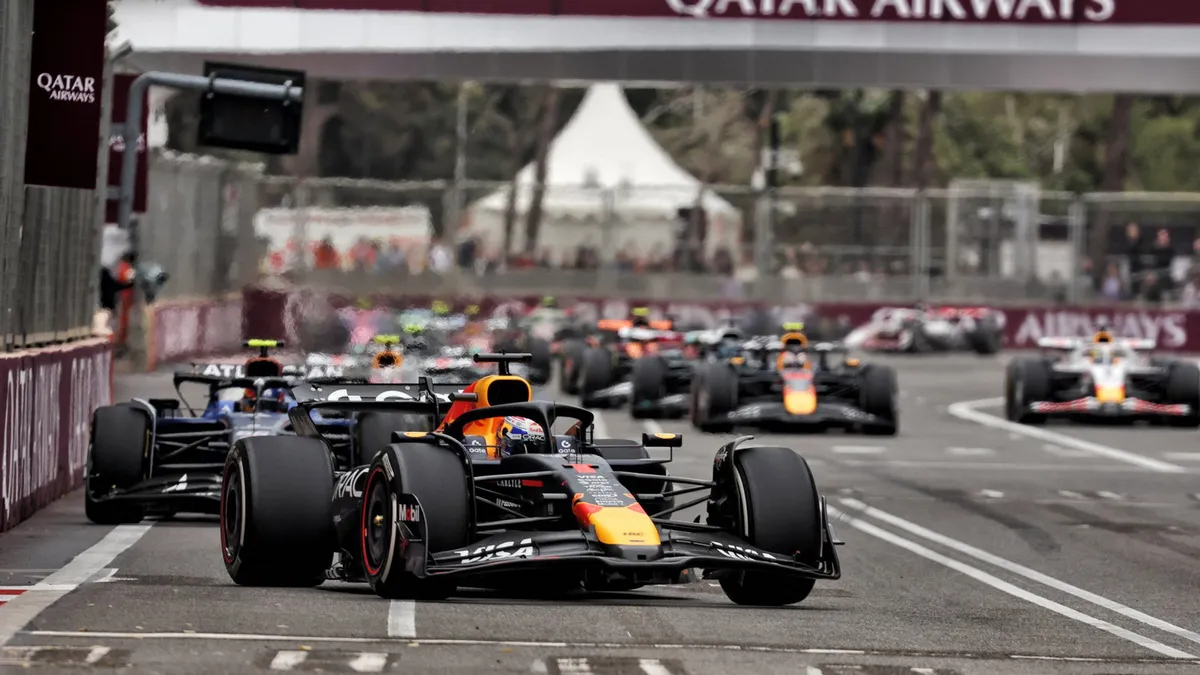
How to watch the 2026 F1 Azerbaijan Grand Prix in Baku on Saturday, 26 September. Schedule, live stream, and Andrea Kimi Antonelli's chances to extend his lead.
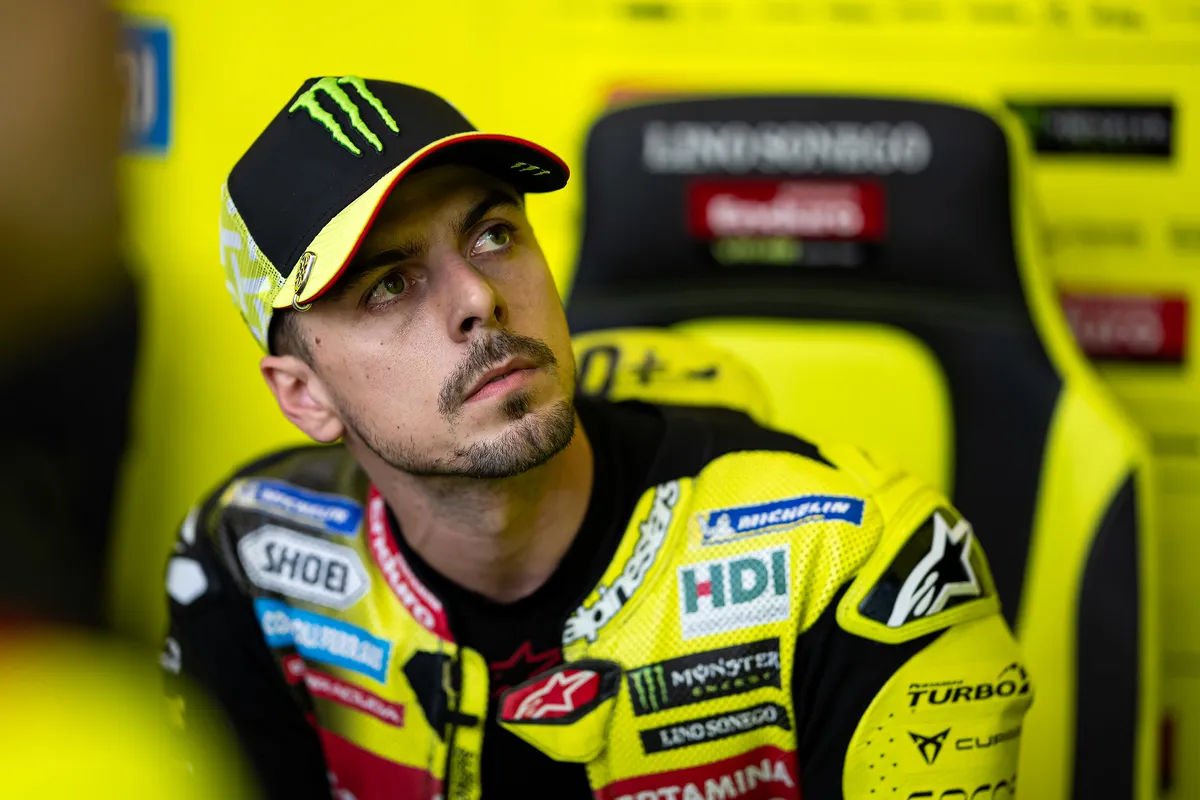
Fabio Di Giannantonio faced brake issues at MotoGP Austria, finishing ninth. He says Ducati must improve and return to early-season form.
 Continue with Google
Discussion (0)
Join the Discussion!
Sign in easily to start commenting, replying, and interacting with other readers.
Latest Comments
No comments yet. Be the first!