









WRC, Sportrik Media - Safari Rally Kenya 2026 returns as one of the most unique and demanding rounds of the FIA World Rally Championship. Held across the Great Rift Valley around Naivasha, the African rally is widely known for its extreme terrain, unpredictable weather, and high mechanical attrition that often tests the durability of both drivers and Rally1 machinery.
Below are five important facts that explain why Safari Rally Kenya remains one of the most iconic events in the world of rallying.
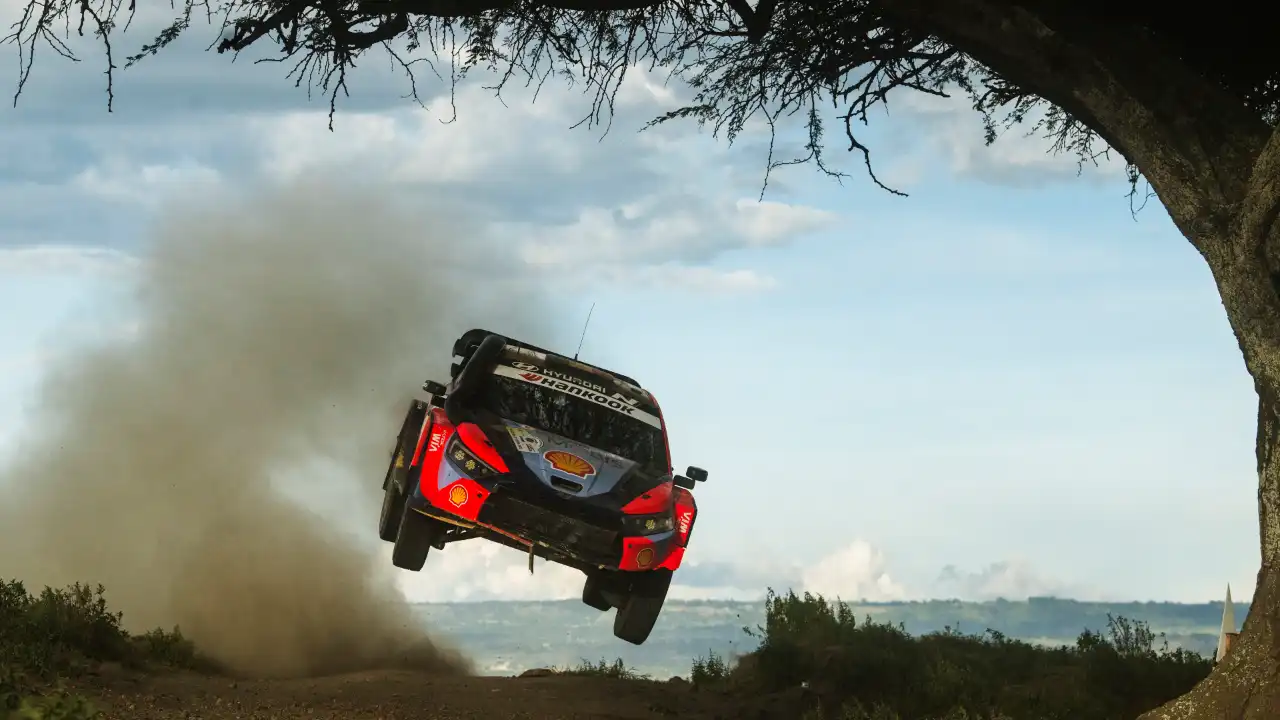
1. The Most Brutal Rally in the WRC Calendar
Safari Rally has long held the reputation as one of the toughest rallies in motorsport. Unlike many European events that feature relatively smooth gravel or asphalt stages, Kenya presents sharp rocks, deep ruts, and massive holes across long-distance stages.

As a result, average speeds are often lower than other rallies because drivers must prioritize survival and mechanical preservation. Teams such as Toyota Gazoo Racing and Hyundai Motorsport typically focus on durability and suspension reliability rather than pure pace.
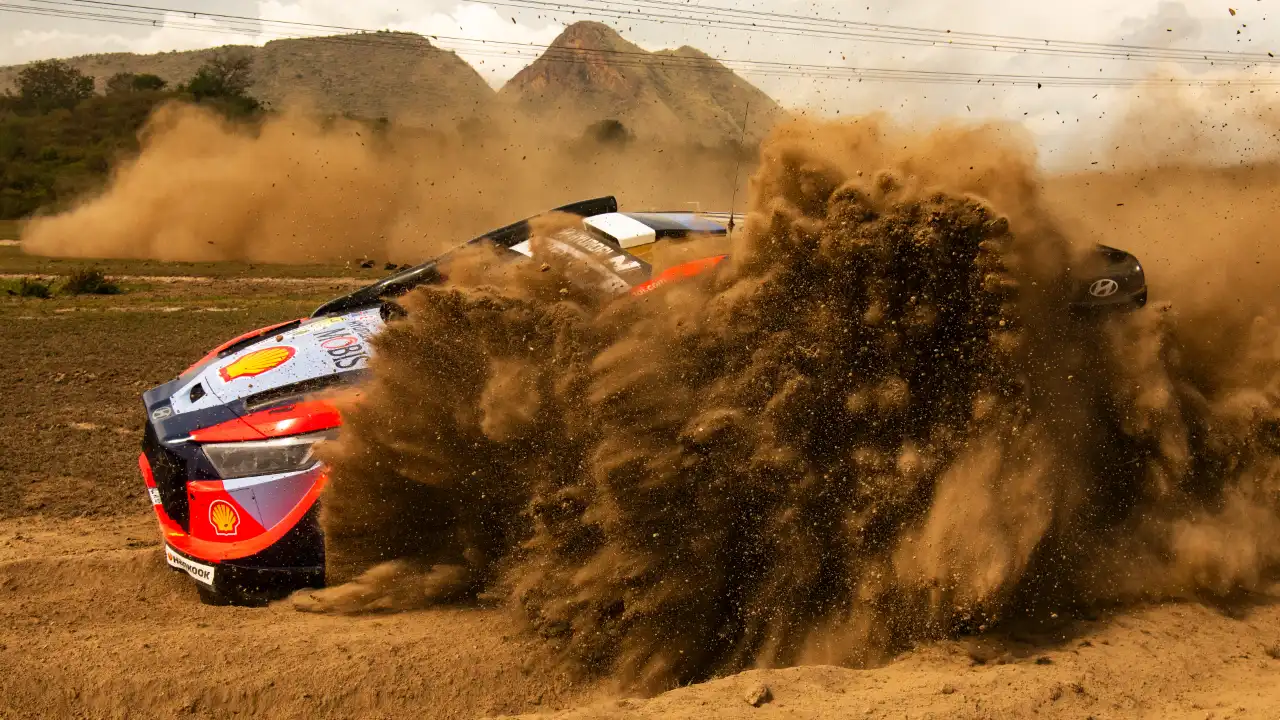
2. The Dangerous “Fesh-Fesh” Sand Trap
One of the most notorious challenges of Safari Rally is the presence of “fesh-fesh,” a very fine volcanic dust that appears solid from a distance but behaves like soft sand.
If drivers enter these sections too quickly, the car can sink into the surface or lose traction immediately. The dust can also enter cooling systems and cause overheating problems, forcing drivers like Elfyn Evans and Thierry Neuville to carefully read the road conditions throughout each stage.
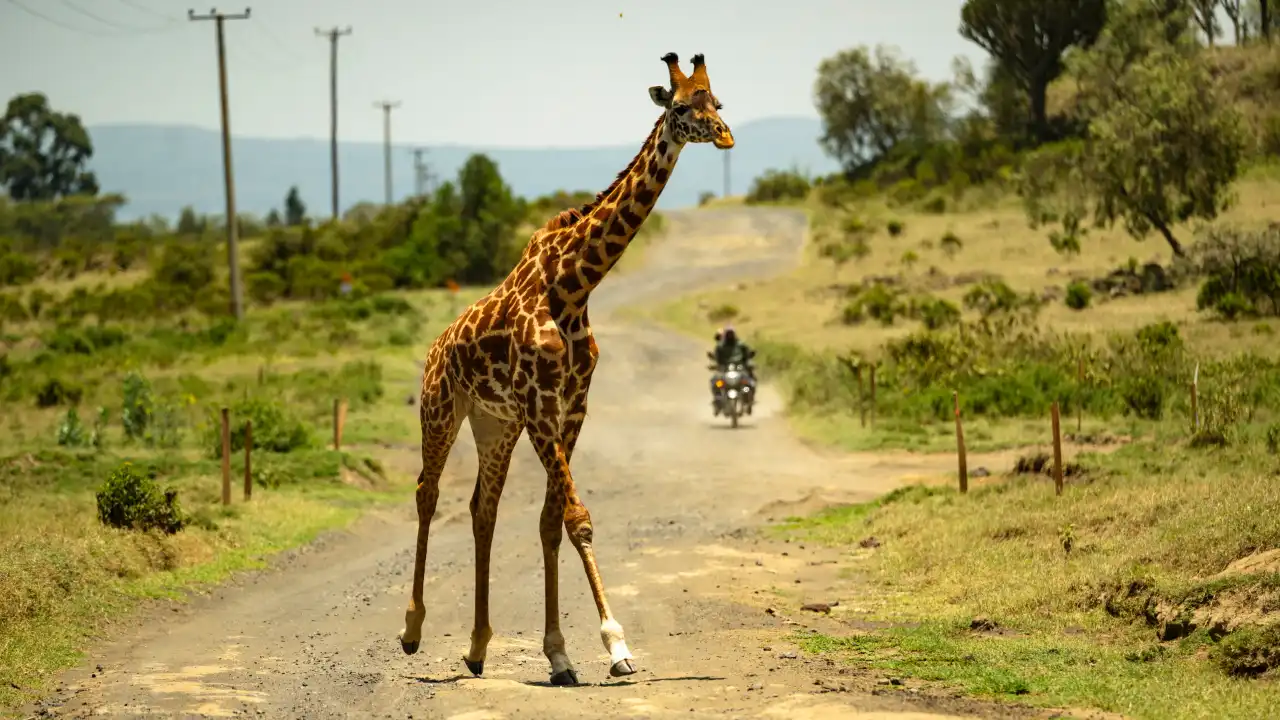
3. Unexpected Spectators: Wildlife
Safari Rally Kenya is unique because the event runs through conservation areas around Naivasha. Drivers occasionally encounter wildlife such as zebras, giraffes, and antelopes near the rally route.
Helicopters that follow the rally are therefore used not only for television broadcasting but also to ensure that animals are safely moved away from the stages before rally cars pass at high speed.
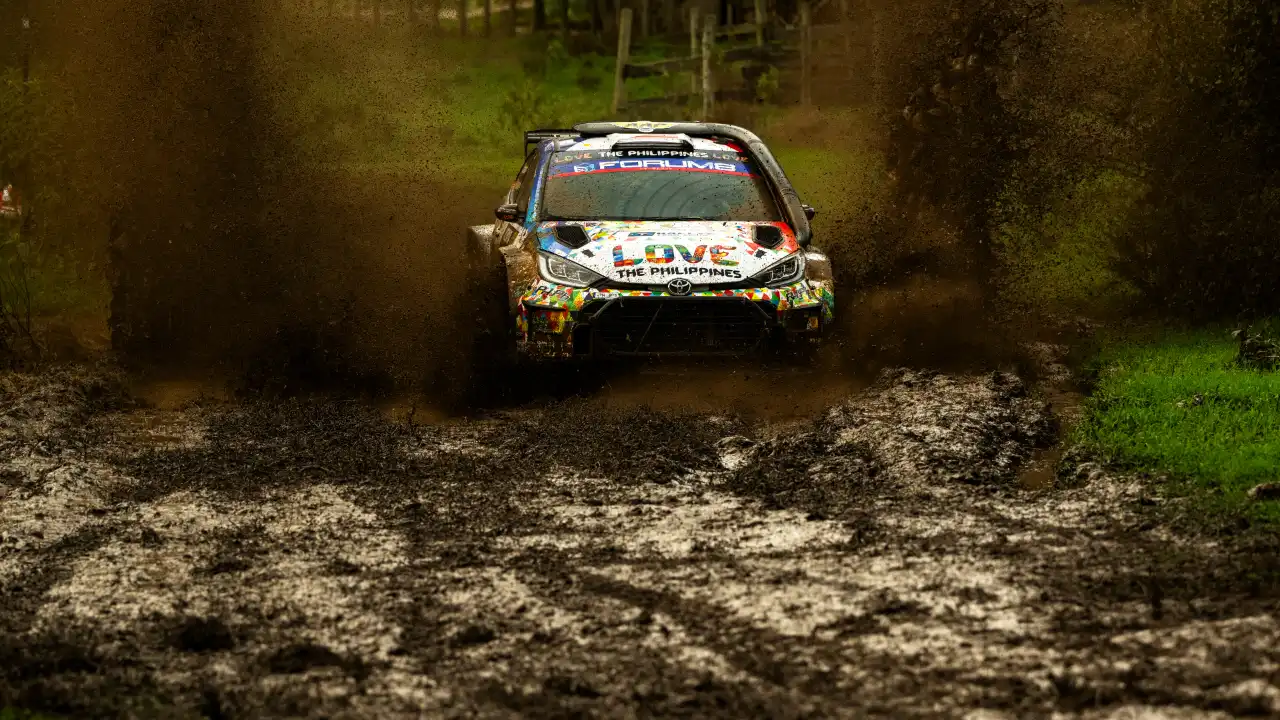
4. Extreme Weather and Flash Flood Risks
Weather conditions in Kenya during March can change rapidly. A stage that begins dry and dusty can quickly transform into slippery red mud after sudden heavy rainfall.
These rapid changes often disrupt tyre strategies and force teams to react quickly. Even experienced drivers such as Sébastien Ogier and Ott Tänak must adapt their approach as road grip conditions evolve throughout the rally.
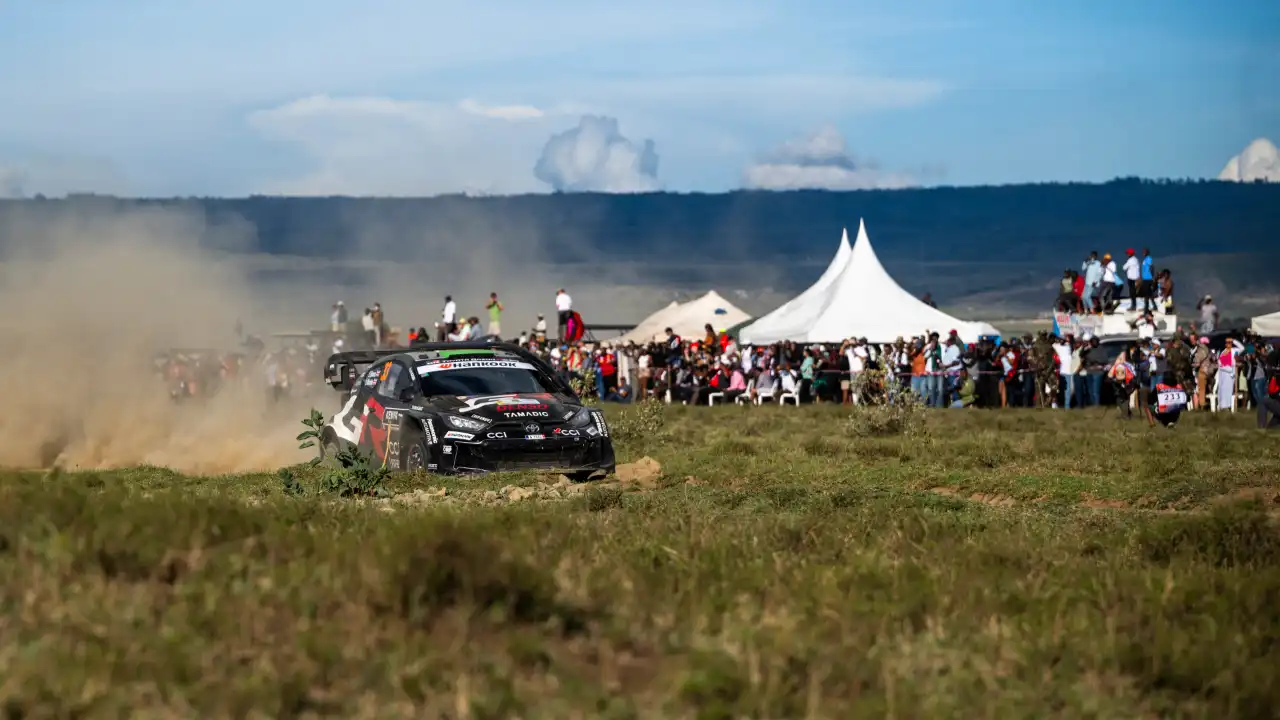
5. Historic Legacy and Toyota’s Modern Dominance
Safari Rally was first held in 1953 to celebrate the coronation of Queen Elizabeth II. The event later became one of the most famous rallies in WRC history before leaving the championship calendar for nearly two decades.
Since returning to the WRC schedule in 2021, the rally has been dominated by Toyota. The Japanese manufacturer has won every edition through drivers such as Ogier, Kalle Rovanperä, and Evans.
With its extreme terrain, unpredictable weather, and deep historical legacy, Safari Rally Kenya 2026 is once again expected to play a crucial role in shaping the championship battle in the FIA World Rally Championship season.
Read Also
Simak analisis mendalam bagaimana Hyundai belajar dari kesalahan program Rally1 untuk mengembangkan i20 N Rally2 2027. Baca selengkapnya di sini!
Hayden Paddon gantikan Kris Meeke uji mobil Rally2 Hyundai di Finlandia. Simak analisis mendalam perjalanan sang juara ERC di sini.
Simak analisis lengkap rumor kembalinya Kalle Rovanpera ke WRC 2027 bersama Toyota dan jadwal pengumuman resmi tim. Baca selengkapnya di sini!
 Continue with Google
Discussion (0)
Join the Discussion!
Sign in easily to start commenting, replying, and interacting with other readers.
Latest Comments
No comments yet. Be the first!