









Dakar, Sportrik Media - Dakar Rally faces structural pressure in 2026 after the official Dakar Rally Calendar placed the Saudi Arabian stages into a compact distance-time configuration that forces teams to rethink logistics, technical planning, and risk management from day one.
The stage distribution in the 2026 Dakar calendar no longer follows a traditional linear cross-continent model, instead forming intense competitive blocks with long special stages and extremely limited transition days. This structure shifts team priorities away from outright speed toward endurance management, component life cycles, and cooling system efficiency across sand and rocky terrain. In modern Dakar competition, the calendar itself acts as an unwritten regulatory force.

From a technical standpoint, this calendar layout forces every manufacturer and privateer team into far more aggressive service cycles. With short gaps between stages, bivouac time becomes as valuable as on-stage performance. Teams capable of rapidly rebuilding suspension systems, powertrains, and electronic navigation units without sacrificing reliability gain a decisive advantage. Dakar 2026, through its calendar, has effectively turned into a war of operational efficiency.
The impact on the overall classification is direct. In such a compressed format, a single mechanical failure early in the rally produces a cascading effect because recovery windows are extremely limited. The 2026 Dakar calendar creates an environment where consistency and risk control matter more than individual stage victories. In cross-country rallying, time structure and distance are as decisive as driving skill.
From a regulatory perspective, Dakar still preserves its marathon and self-reliance principles, yet the 2026 calendar places heavier pressure on tyre management, fuel consumption, and component longevity. With no extended rest days, any early technical misjudgment can haunt a team until the final stage. This is why the calendar is not merely a schedule, but a competitive instrument shaping the rally’s entire character.

Through its calendar release, Dakar Rally signals that its core philosophy remains intact: to test humans and machines in the harshest environment in motorsport. However, the way that challenge is structured has become far more systematic and calculated. Dakar 2026 is not only about who is fastest in the desert, but who is most precise in managing time, components, and strategy across the Saudi stages.
Ultimately, Dakar Rally 2026 and the Dakar Rally Calendar form a single competitive ecosystem. The calendar defines the rally’s rhythm, and that rhythm decides who survives to the finish. This structure will continue to shape future editions, with Dakar evolving into an increasingly strategic long-term endurance contest, documented through Sportrik’s official Dakar hub at https://sportrik.com/dakar.
Baca Juga
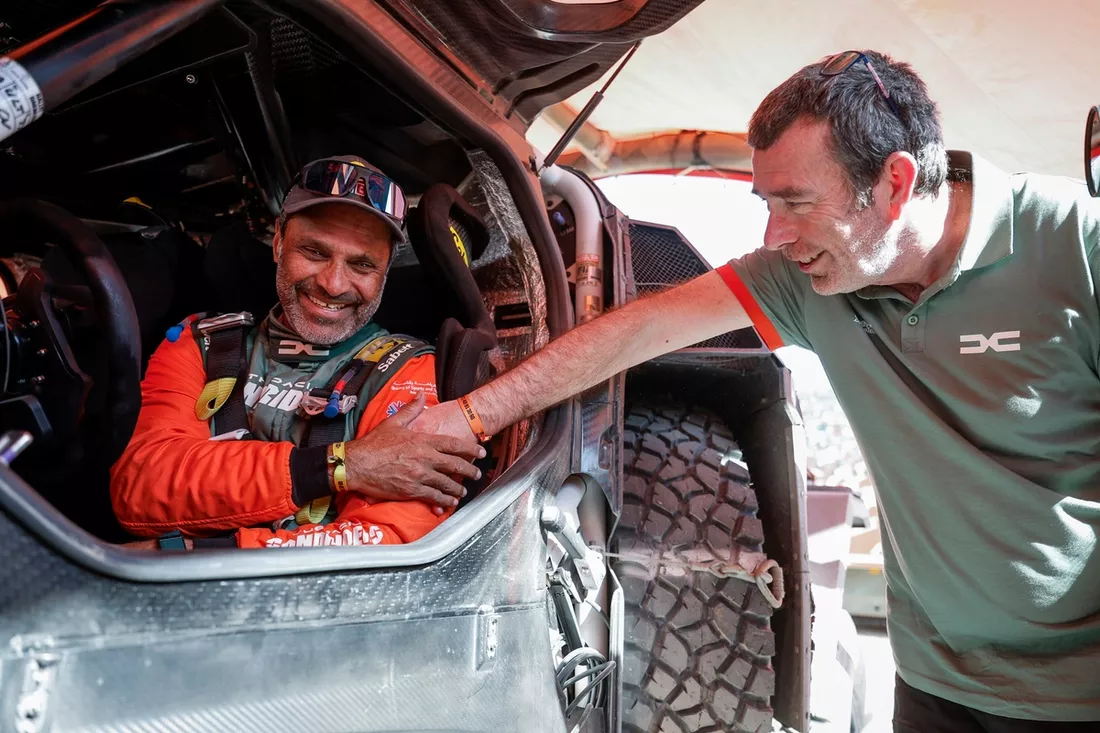
Nasser Al-Attiyah menjuarai Dakar Rally 2026 bersama Dacia setelah duel ketat melawan Ford dan Toyota, menegaskan keunggulan strategi dan konsistensi.
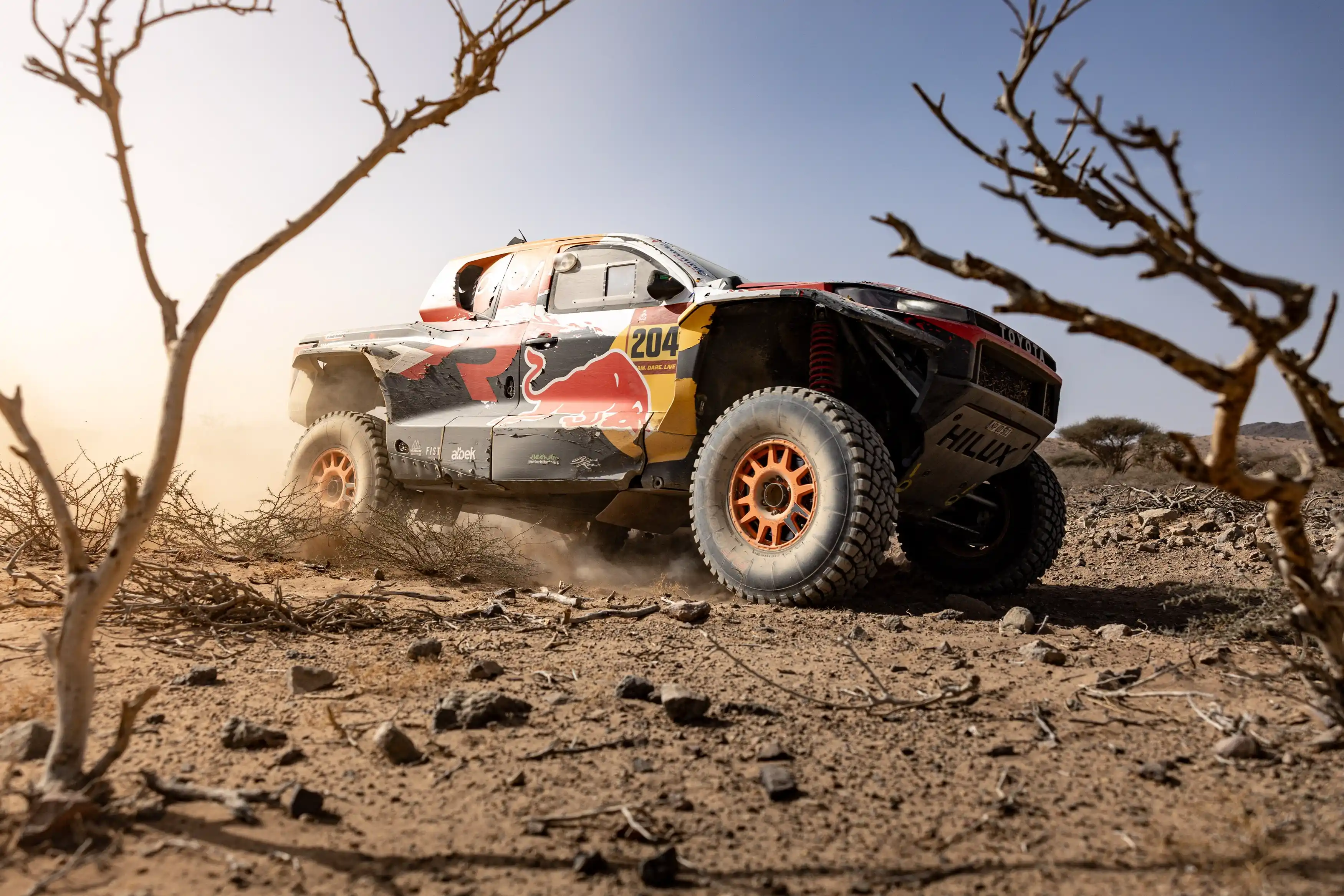
Henk Lategan kehilangan peluang kemenangan Dakar Rally 2026 di Etape 11 akibat kegagalan teknis, mengubah strategi Toyota Gazoo Racing W2RC.

Rally Dakar 2026 kategori Classic menampilkan dua wakil Indonesia, Julian Johan dan Shammie Zacky Baridwan, yang bertahan di 10 besar klasemen sementara.
 Lanjutkan dengan Google
Diskusi & Komentar (0)
Mari Bergabung dalam Diskusi!
Masuk dengan mudah untuk mulai memberikan komentar, membalas, dan berinteraksi dengan pembaca lainnya.
Komentar Terbaru
Belum ada komentar. Jadilah yang pertama!