







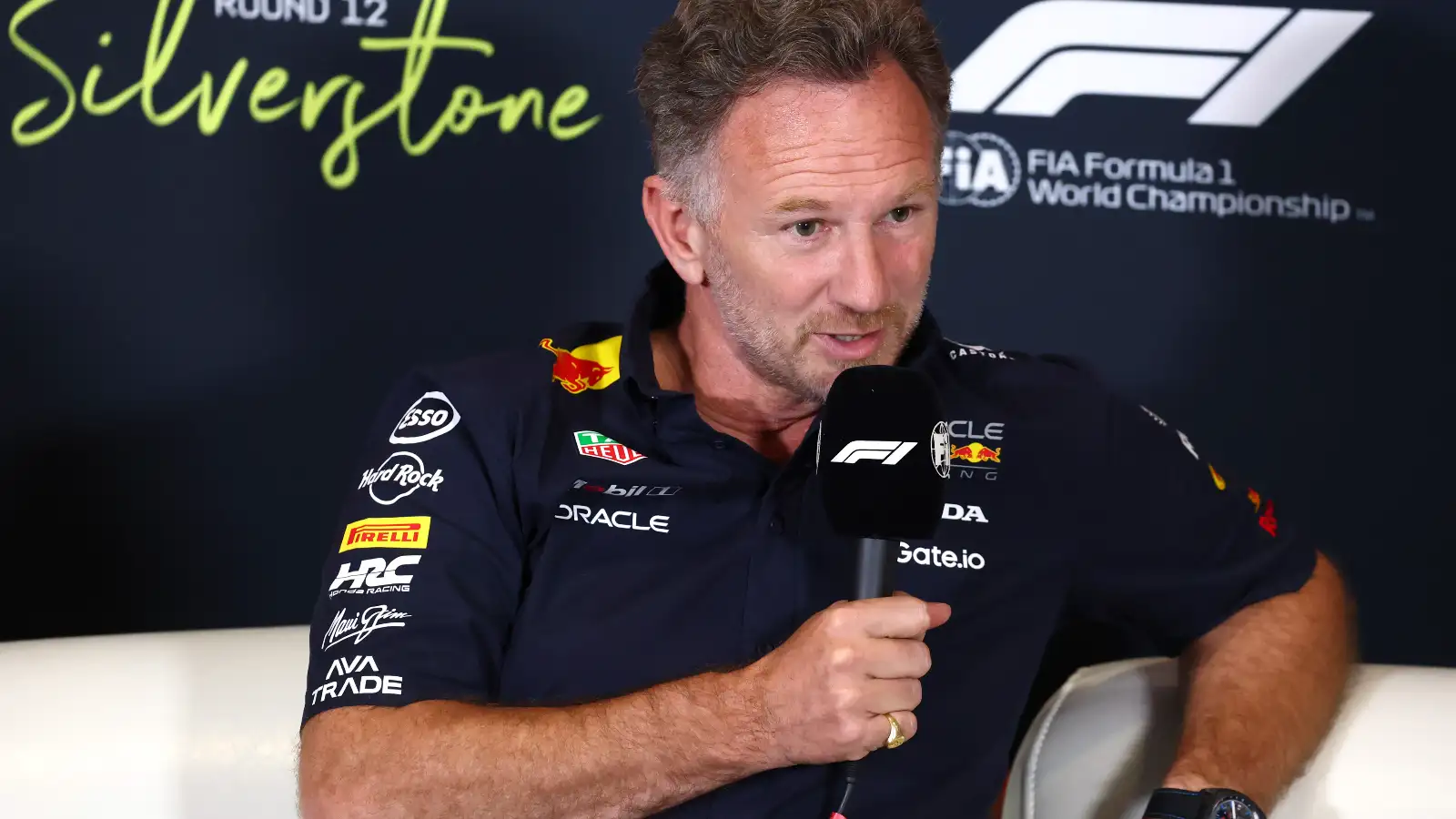

Christian Horner can now feel vindicated after the FIA decided to make significant changes to Formula 1’s future power unit regulations. Several years ago, Horner warned that the new generation of rules could create “technical Frankenstein” cars because of the extreme compromises required between combustion power and electrical energy.
During the early development stages of Formula 1’s new regulations, Horner argued that the ideal power balance should remain close to a 60 percent internal combustion engine contribution and 40 percent electrical energy. He feared an excessive dependence on battery deployment would create serious problems, particularly at circuits featuring long straights.
At the time, Horner’s concerns were dismissed by several rivals, including Mercedes team principal Toto Wolff. Mercedes was widely believed to be ahead in power unit development and therefore had little interest in changing the direction of the regulations. Meanwhile, Red Bull was accused by some rivals of pushing for changes because it was struggling with its first in-house power unit project alongside Ford.
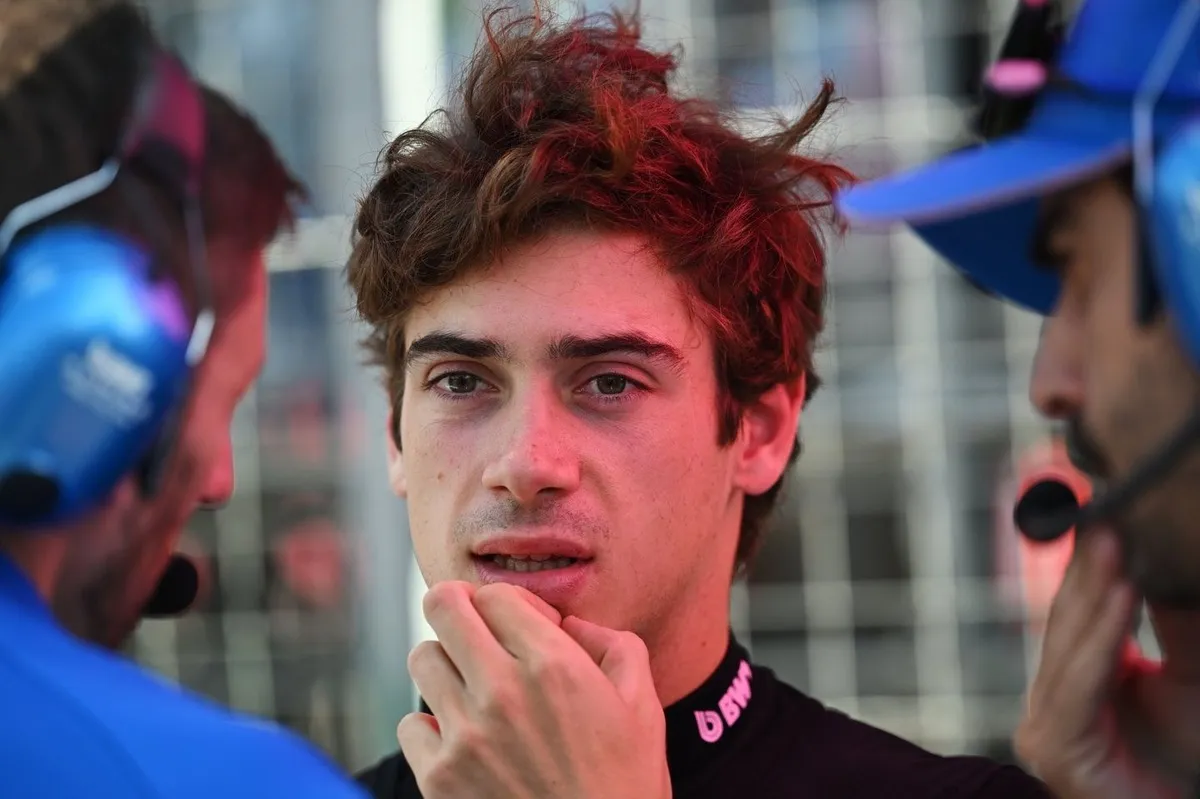
However, the situation began to change once Formula 1 entered the new regulation era this season. Although the latest generation of cars still produced innovative aerodynamic concepts such as Ferrari’s “Macarena” wing, serious energy deployment issues quickly emerged during pre-season testing in Bahrain and the opening races in Australia, China, and Japan.
Max Verstappen became one of the most vocal critics of the new power unit characteristics. The Dutch world champion repeatedly complained about excessive lift-and-coast requirements caused by battery energy running out before the end of long straights. Similar criticism also came from several rival drivers and team principals, including McLaren boss Andrea Stella.
The FIA eventually responded to the growing pressure after multiple meetings with teams, drivers, and power unit manufacturers. Initial adjustments were introduced for the Miami Grand Prix, although many within the paddock believed those changes still failed to solve the core problems of the regulations.
Following additional discussions after Miami, the FIA confirmed more substantial changes for the 2027 season. Under the revised plan, internal combustion engine output will increase by 50kW through higher fuel flow, while electrical power contribution will be reduced from 350kW to 300kW.
The decision effectively moves Formula 1 closer to the 60-40 power split Horner originally advocated during the regulation planning phase. The FIA’s shift in direction also reinforces the idea that Red Bull’s early technical concerns regarding Formula 1’s future power unit philosophy were based on legitimate performance and drivability issues.
Although Ford Racing and Red Bull Powertrains have ultimately produced a competitive power unit package, the regulation debate remains one of Formula 1’s biggest technical controversies. With the FIA now committing to major revisions, the direction of Formula 1 engine development is expected to evolve significantly again over the next two seasons.
Baca Juga

Valtteri Bottas meminta Cadillac menyelidiki gangguan sistem yang menyebabkan kecelakaan di Grand Prix Azerbaijan. Insiden ini memicu debat regulasi F1.
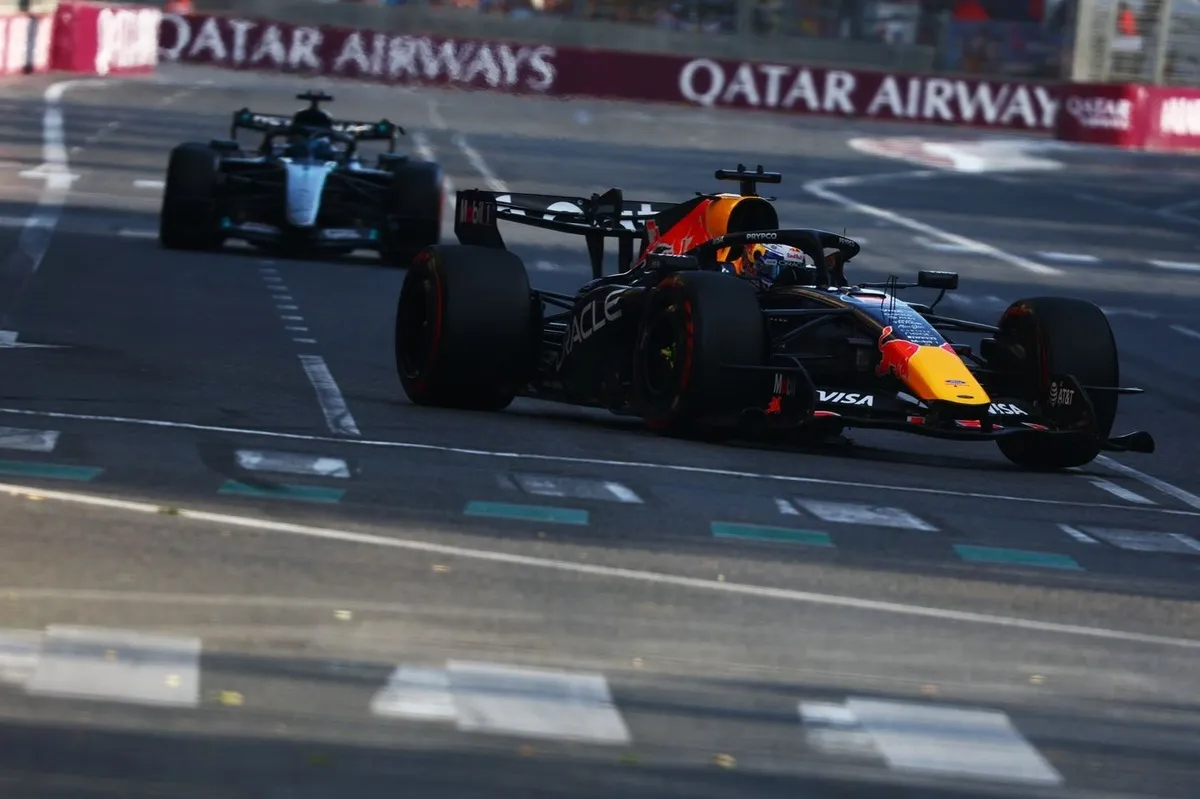
Red Bull raih podium ganda di GP Azerbaijan 2026 berkat power unit kuat dan manajemen energi tepat. Verstappen finis kedua setelah masalah kualifikasi.
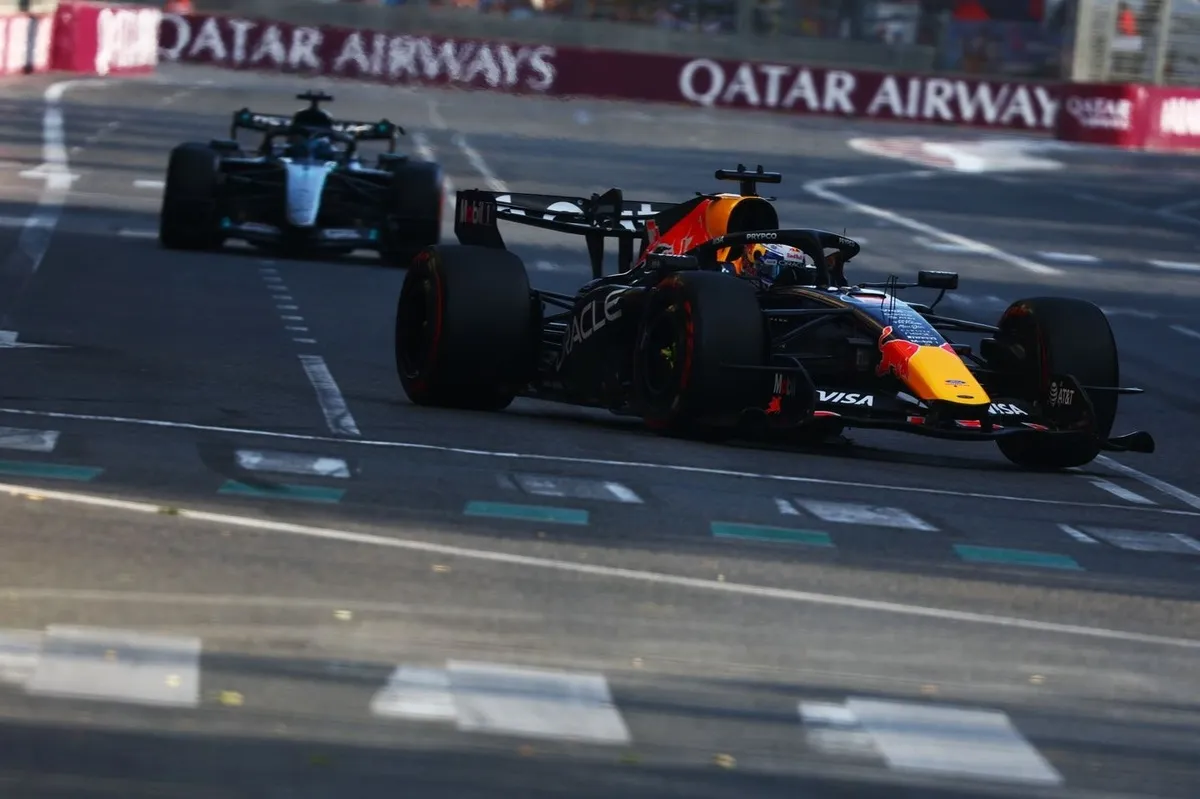
Red Bull Racing raih podium ganda di GP Azerbaijan 2026 lewat performa unit daya dan manajemen energi. Simak rahasia kecepatan Verstappen dan Hadjar di Baku.
 Lanjutkan dengan Google
Diskusi & Komentar (0)
Mari Bergabung dalam Diskusi!
Masuk dengan mudah untuk mulai memberikan komentar, membalas, dan berinteraksi dengan pembaca lainnya.
Komentar Terbaru
Belum ada komentar. Jadilah yang pertama!