







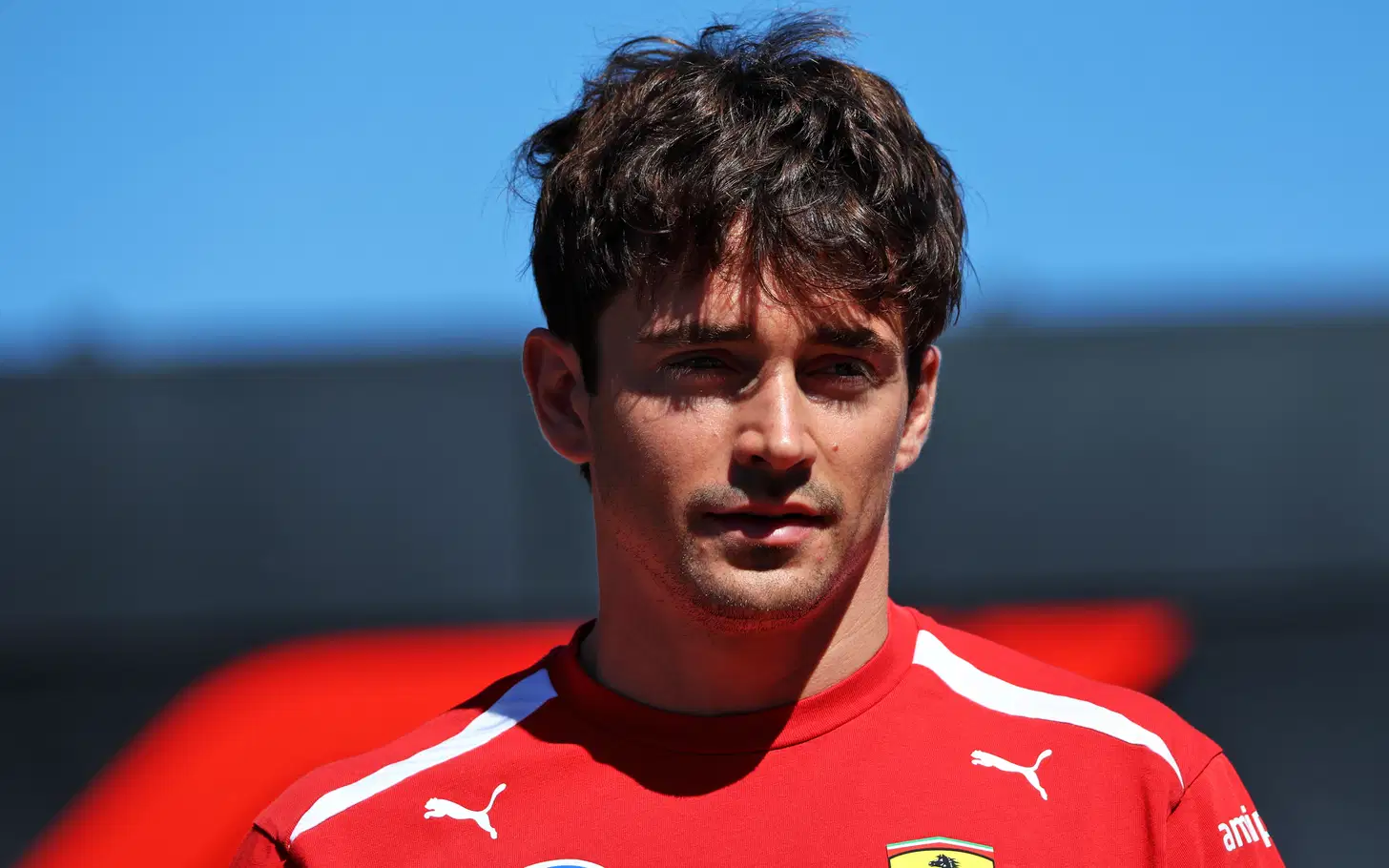

Formula 1, Sportrik Media - Charles Leclerc has admitted that he failed to maximise Ferrari’s major performance step at the 2026 Barcelona-Catalunya Grand Prix after his qualifying crash compromised his entire weekend. While team-mate Lewis Hamilton started from the front row and converted the SF-26’s improved pace into victory, Leclerc lined up 10th before a late power-steering problem prevented him from finishing.
Ferrari introduced a substantial development package featuring changes to the front wing, floor, sidepods and diffuser. The combined revisions were designed to improve airflow beneath the car, strengthen aerodynamic stability and widen the set-up window as track temperatures and tyre loads changed. The result was visible through Hamilton’s qualifying and race performance, although Leclerc was unable to demonstrate the same potential after making an expensive error at Turn 4 during Q3.
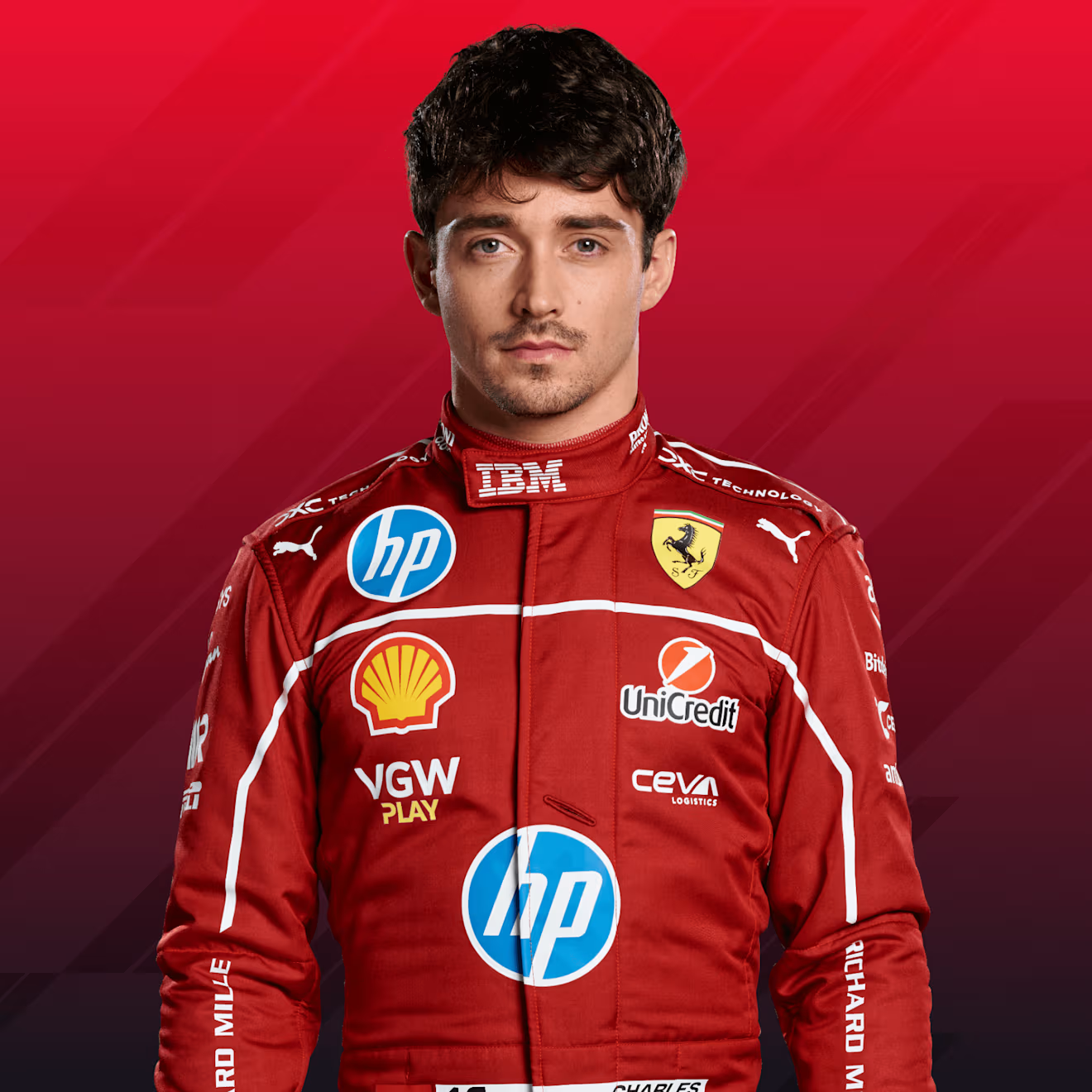
“It’s great for the team, and it’s great for Lewis. The team has been pushing massively to bring upgrades, and it seems to be working well,” Leclerc said.
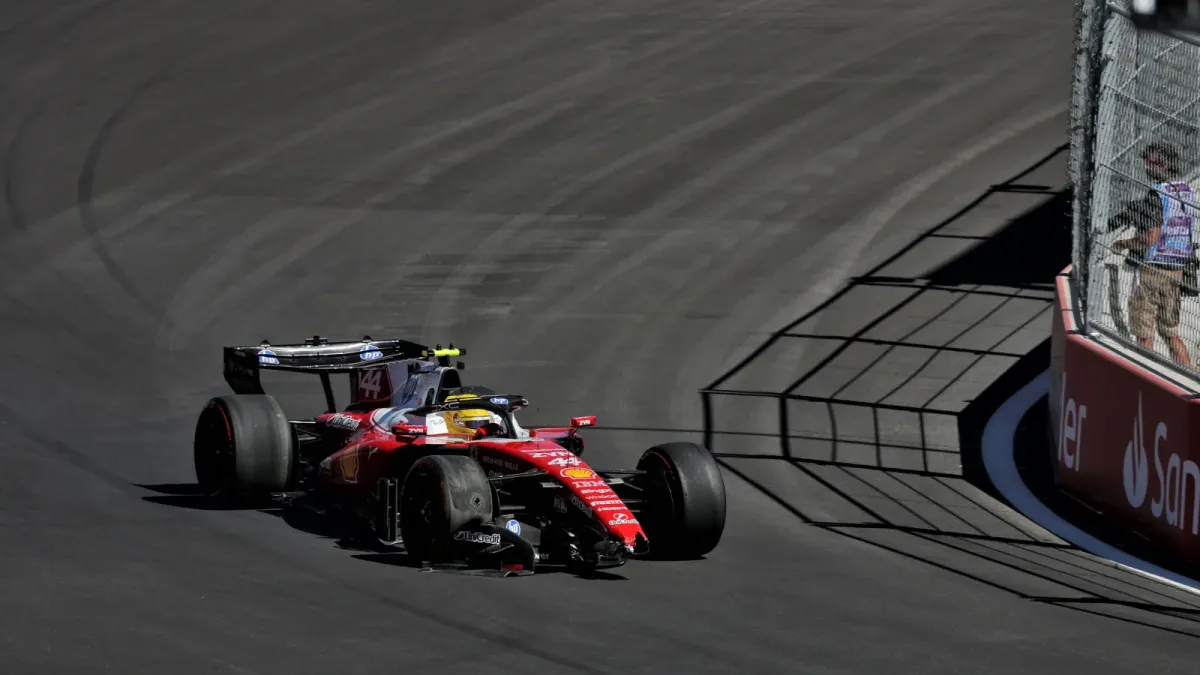
The accident immediately turned track position into Leclerc’s main strategic limitation. Starting from 10th required him to clear midfield traffic while controlling tyre temperatures in disturbed air, whereas Hamilton was able to challenge Mercedes from the opening phase. That difference was particularly important in Barcelona because its long corners increase front-tyre loading, while the abrasive surface intensifies thermal degradation and reduces the effective length of each stint.
Hamilton subsequently used an aggressive three-stop strategy and a well-timed Virtual Safety Car to take control of the race. Ferrari was able to exploit the SF-26’s pace on the medium and hard compounds, while Leclerc had to consume more of his available tyre performance while recovering positions. He appeared on course to finish fifth before the power-steering failure forced him to stop during the closing laps, denying Ferrari an opportunity to place both cars inside the top five.
“Now I’ve got to be up there with him, which hasn’t been the case since Canada,” Leclerc said when assessing the need to match Hamilton’s performance.
That statement represented an evaluation of Leclerc’s execution rather than criticism of Ferrari’s development direction. The team demonstrated progress in an area that had previously restricted its race performance, particularly tyre degradation over longer stints. Greater temperature stability allowed Hamilton to preserve pace after his stops without suffering an excessive loss of grip, while a more consistent aerodynamic balance gave him the confidence to attack as the fuel load decreased.
Leclerc nevertheless argued that Ferrari’s tyre-management advantage appeared larger because of Barcelona’s specific characteristics. High track temperatures, high-energy corners and severe degradation created a clearer reward for a car capable of keeping the tyre surface and structure inside their operating window. At a circuit with lower degradation, the same package may not produce a performance difference as substantial as the one seen when Hamilton established a margin of almost 20 seconds.
“I think we took a big step forward with the car, particularly in terms of tyre degradation. So that is a good thing for the future. It’s also true that it’s exaggerated on a weekend like this, where tyre degradation has been so high,” Leclerc explained.
The Barcelona result indicated that Ferrari now possesses a more competitive package, but it also underlined the importance of execution from both drivers. Hamilton combined front-row track position, an aggressive strategy and controlled tyre management to end Mercedes’ winning sequence. Leclerc, by contrast, lost his opportunity in qualifying and later failed to score because of the technical problem, meaning Ferrari could not obtain the full constructors’ championship benefit from its improved car.
Leclerc’s next challenge is not limited to matching Hamilton’s single-lap speed, but extends to producing a complete weekend from practice through to the race. Ferrari will arrive at the Austrian Grand Prix with evidence that its Barcelona upgrade improved consistency and tyre degradation, while Leclerc must demonstrate that another qualifying mistake will not prevent him from exploiting the car during the next phase of the 2026 season.
Baca Juga
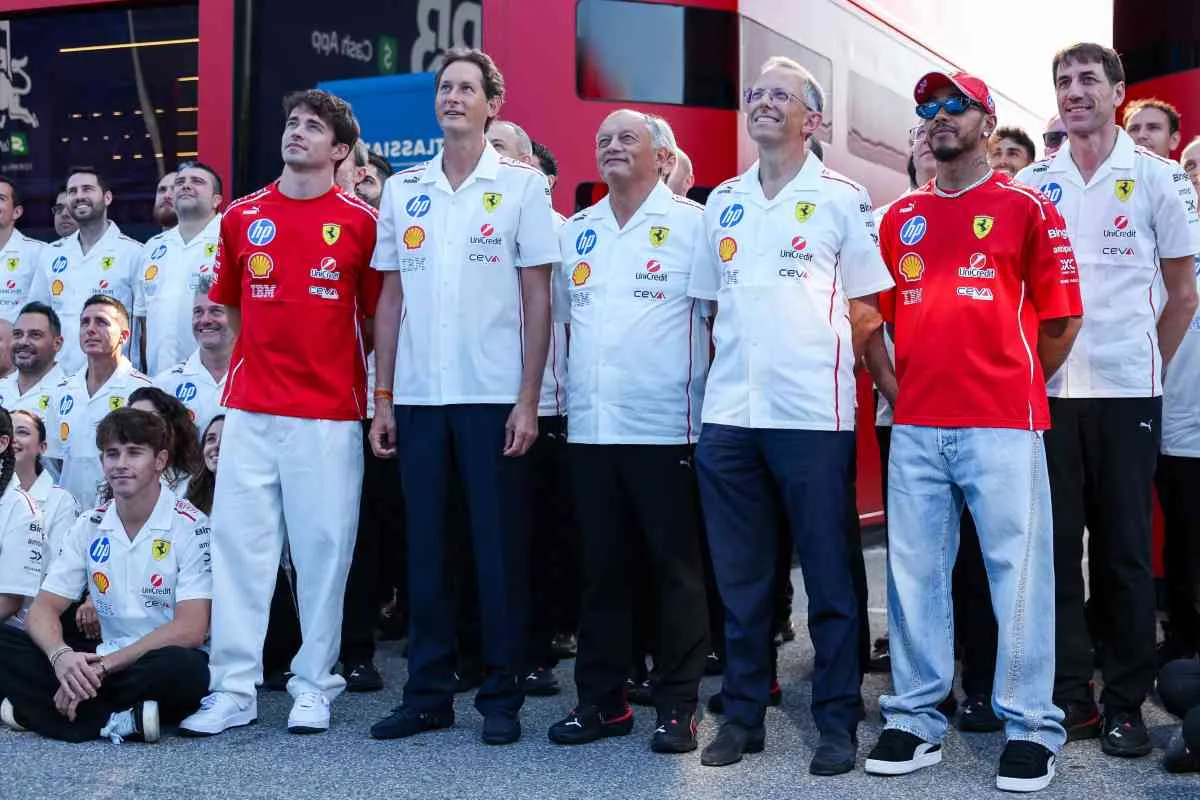
Ferrari dilanda krisis setelah empat GP tanpa podium. Rumor ketegangan antara Hamilton dan Vasseur serta spekulasi masa depan team principal menjadi sorotan.
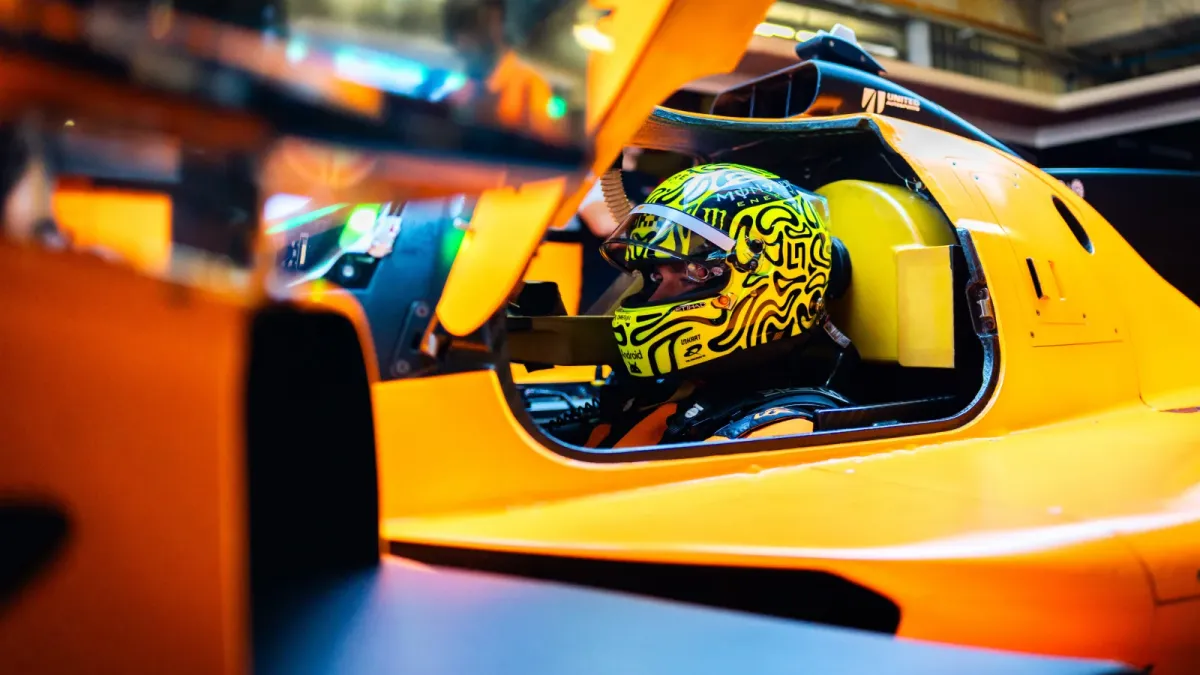
Lando Norris menguji hypercar McLaren MCL-HY di Portimao usai finis ketiga di GP Spanyol. Ia sebut pengalaman itu 'sangat istimewa' dan berharap bisa kembali mengendarainya.
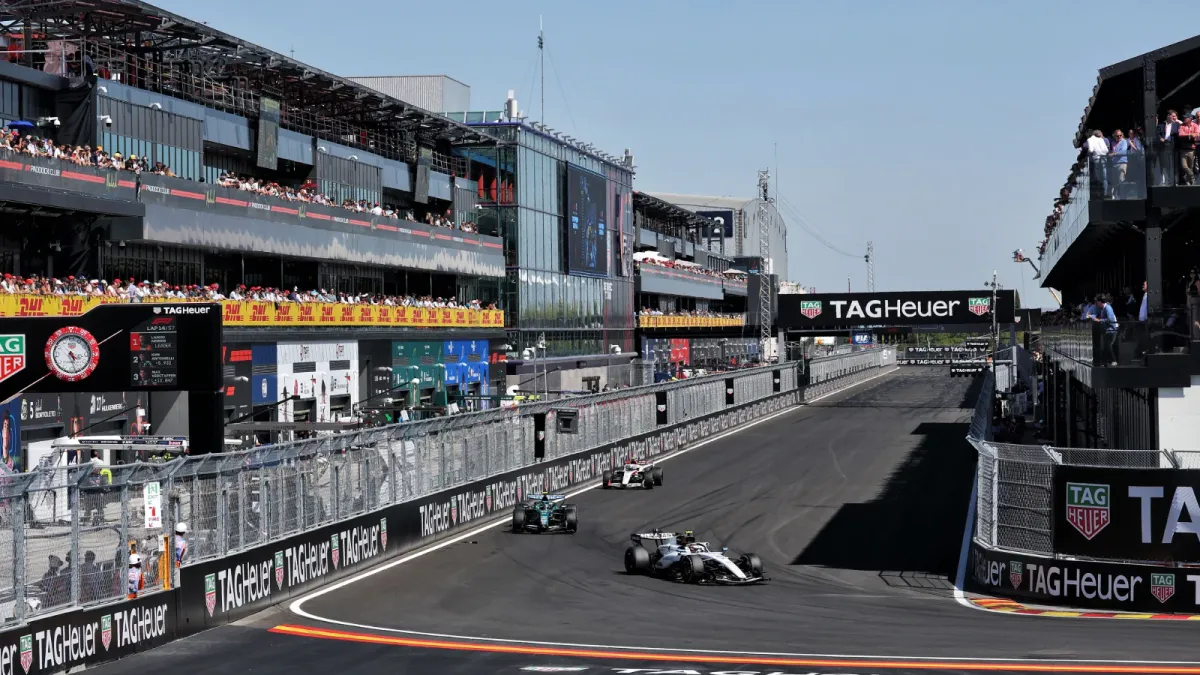
Fotografer F1 diduga dicekik polisi di GP Spanyol. Insiden terjadi saat menuju podium. FIA diminta bertindak. Simak kronologinya di sini.
 Lanjutkan dengan Google
Diskusi & Komentar (0)
Mari Bergabung dalam Diskusi!
Masuk dengan mudah untuk mulai memberikan komentar, membalas, dan berinteraksi dengan pembaca lainnya.
Komentar Terbaru
Belum ada komentar. Jadilah yang pertama!