








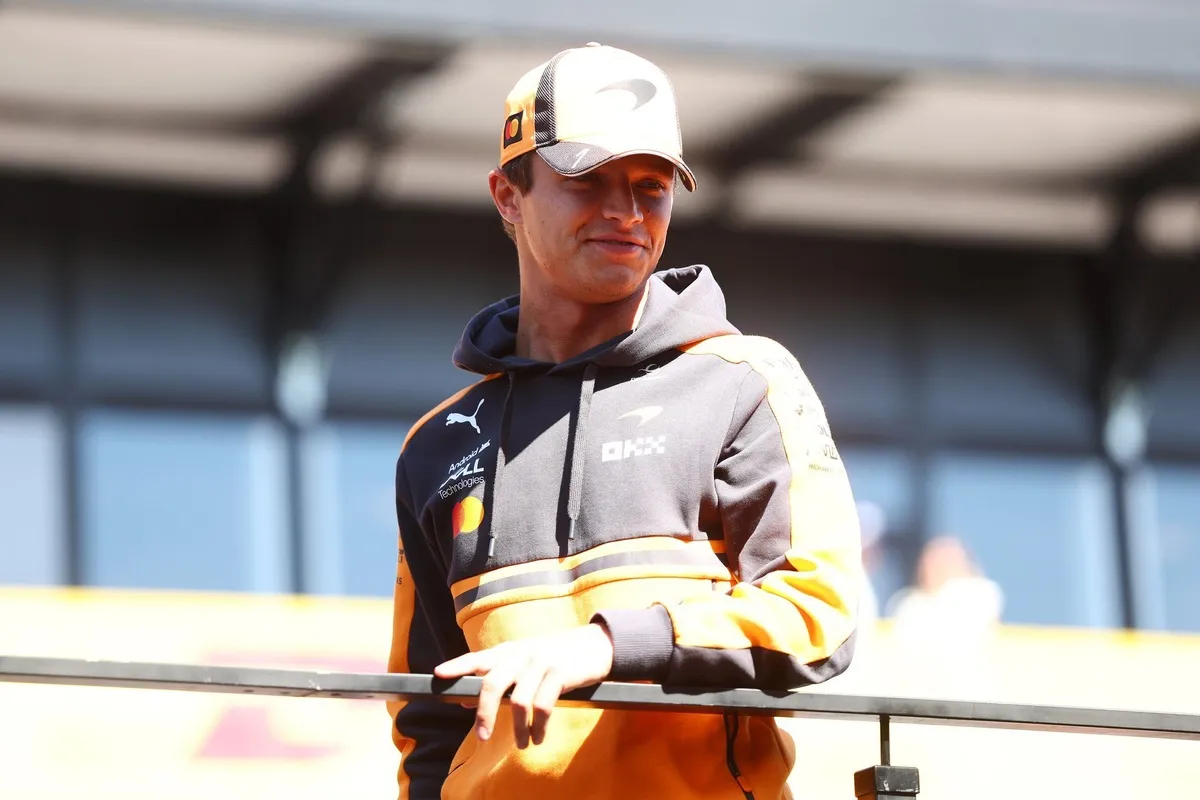
The frustration of Lando Norris after losing the Spanish Grand Prix is still palpable. The McLaren driver was dominant all weekend, taking pole position and leading the race comfortably. However, a Virtual Safety Car (VSC) deployed on lap 14 after Lance Stroll's retirement changed everything. Norris missed the pit entry by mere seconds before the VSC was activated, while his main rivals, who were not as fast, gained a cheap pit stop. As a result, Norris had to settle for third place.
"It's just not how you should lose a race," said the reigning world champion in the press conference. "There's literally nothing I could do as a driver today to do a better job. Pole, led the race, and to lose it for nothing in my control is, I don't think, how a race should be won. I can be upset about it, but I can't really complain about it."
The disappointment is understandable. But is it time to change the rules? Many have voiced opinions, including Norris himself, who suggested two solutions: closing the pit lane under VSC or allowing everyone to pit. Both sound reasonable, but in reality, neither is a perfect fix.
Closing the pit lane under VSC would eliminate the unfairness Norris experienced. With no refueling, there's no risk of running out of fuel, so closing the pit entry could work. But what about drivers with a puncture or damage? They would be penalized if not allowed to pit. Exceptions for emergencies open the door to abuse and added complexity.
Alternatively, opening the pit lane to everyone under VSC is also problematic. If all drivers pit, the strategic advantage for those already near the pit entry remains. Plus, queuing in the pits can be dangerous and time-consuming. After all, racing isn't about perfect fairness; luck and timing are part of the sport's drama.
History shows that hasty rule changes often create new issues. Examples include the double points rule in Abu Dhabi 2014, which was eventually scrapped, and the unpopular knockout qualifying system. F1 needs to consider long-term impacts, not just emotional reactions after one incident.
McLaren themselves do not blame race control. They understand that VSC is a standard safety procedure. Norris may have lost a win, but his impressive performance shows that he and McLaren are on the right track to fight for the title. The season is long, and fairness on track doesn't always mean rewriting the rulebook every time someone is disadvantaged.
Ultimately, VSC is just one variable in racing. Sometimes it helps, sometimes it hurts. Rather than changing rules reactively, it's better to focus on consistency and mutual understanding. After all, drama like this is what makes F1 so captivating.
Baca Juga
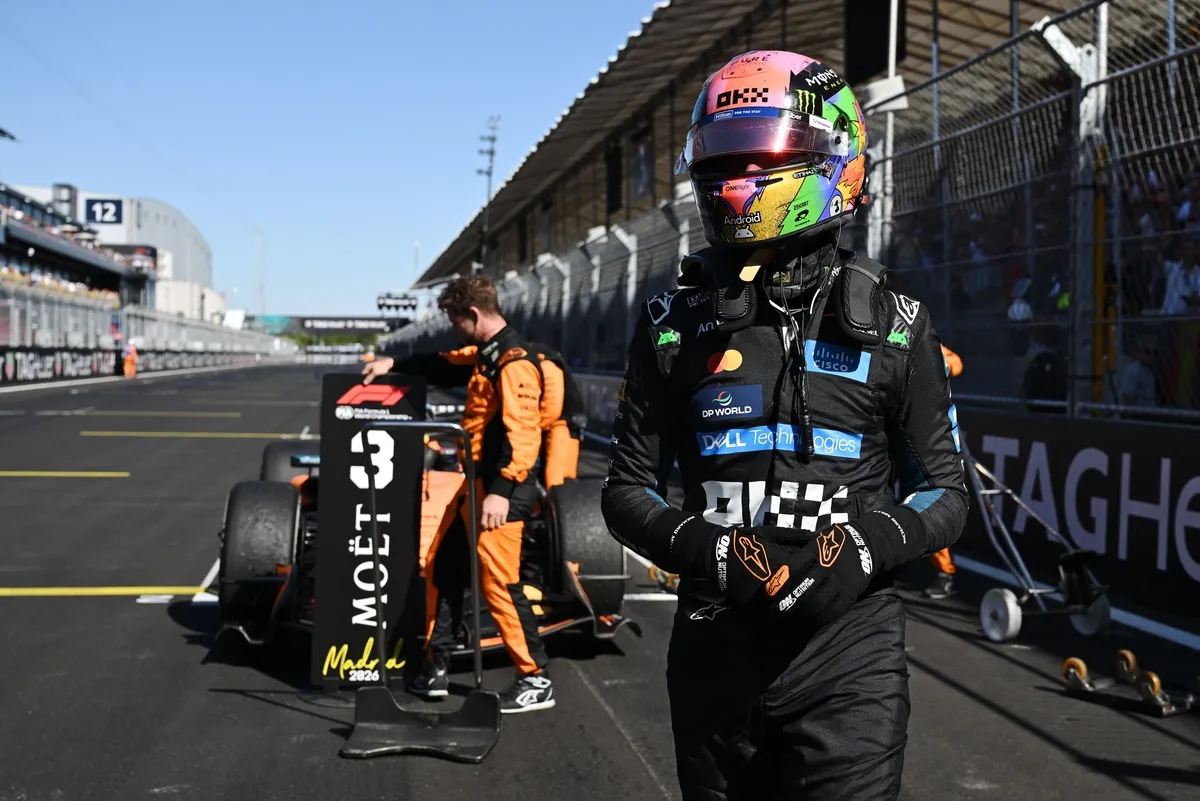
Analisis mengapa F1 tak perlu ubah aturan usai Lando Norris kehilangan kemenangan di GP Spanyol karena Virtual Safety Car. Simak ulasan lengkapnya.
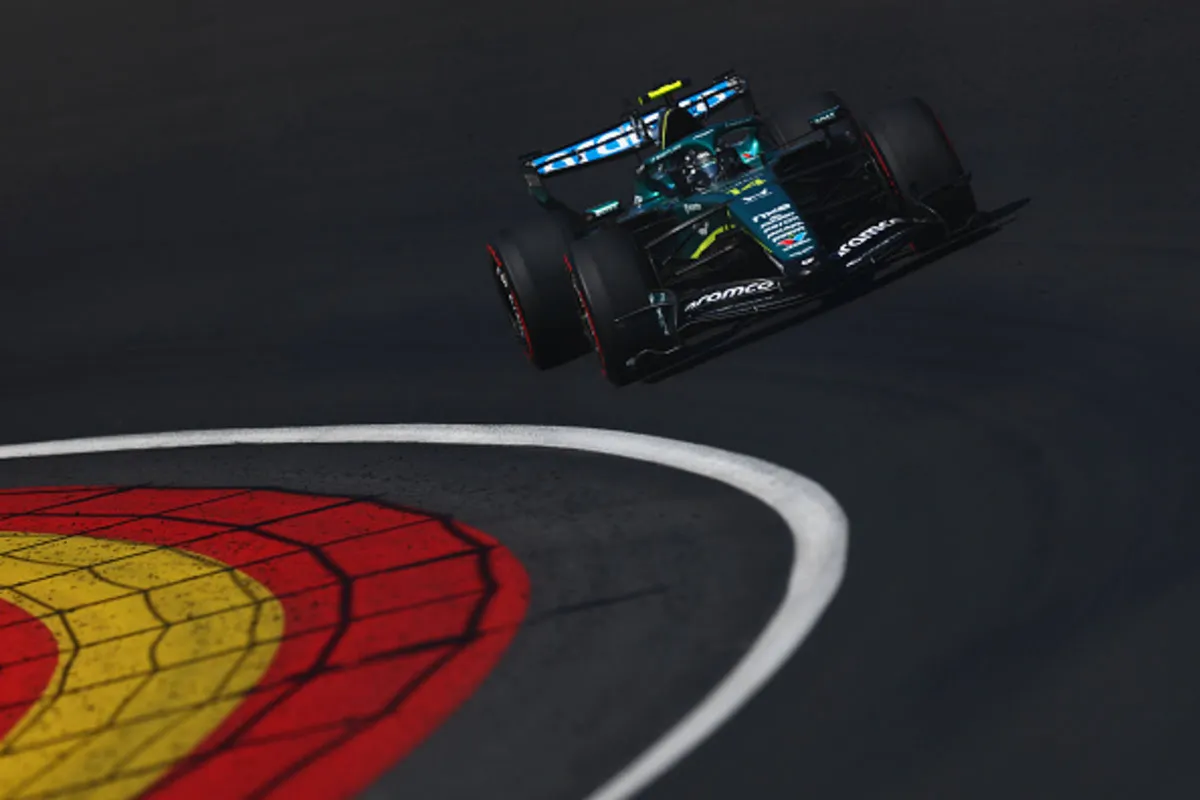
Fernando Alonso sebut penalti Carlos Sainz sudah tepat setelah insiden yang membuatnya finis ke-17 di GP Spanyol. Aston Martin terpuruk, Stroll juga DNF.
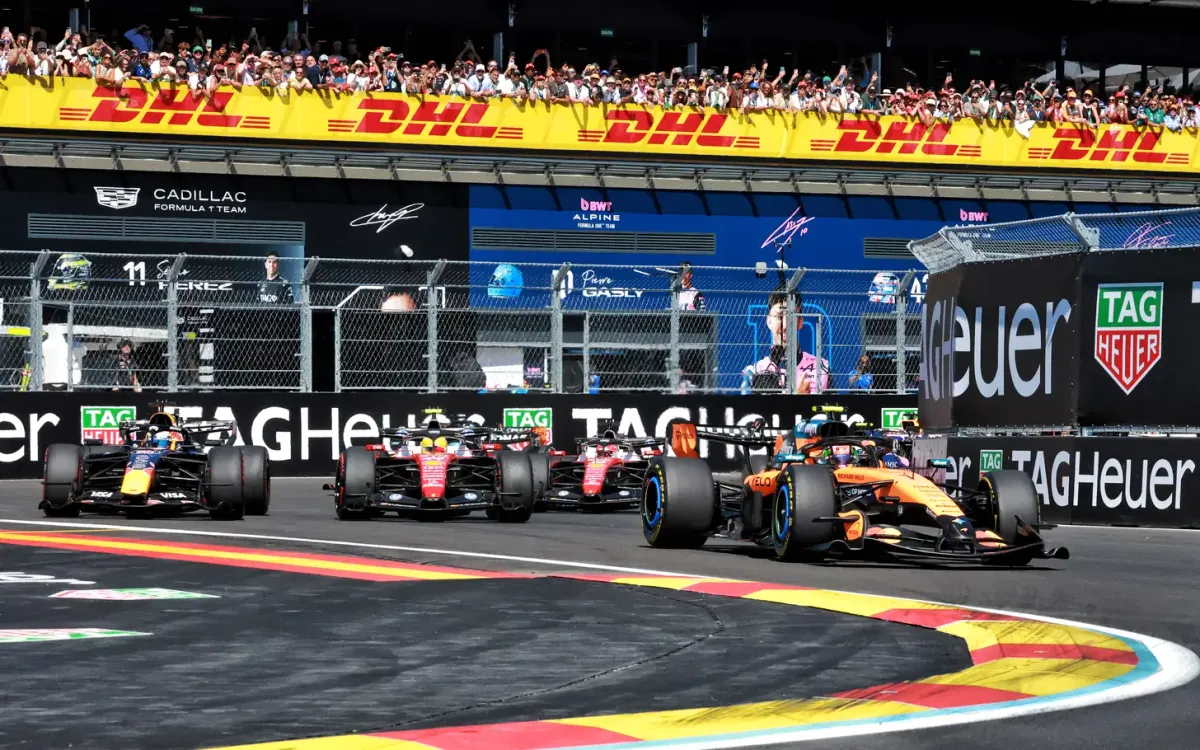
Rating pembalap F1 GP Spanyol 2026: Norris tertinggi meski finis ketiga, Antonelli juara. Simak analisis lengkap dan rating pembalap di sini.
 Lanjutkan dengan Google
Diskusi & Komentar (0)
Mari Bergabung dalam Diskusi!
Masuk dengan mudah untuk mulai memberikan komentar, membalas, dan berinteraksi dengan pembaca lainnya.
Komentar Terbaru
Belum ada komentar. Jadilah yang pertama!