







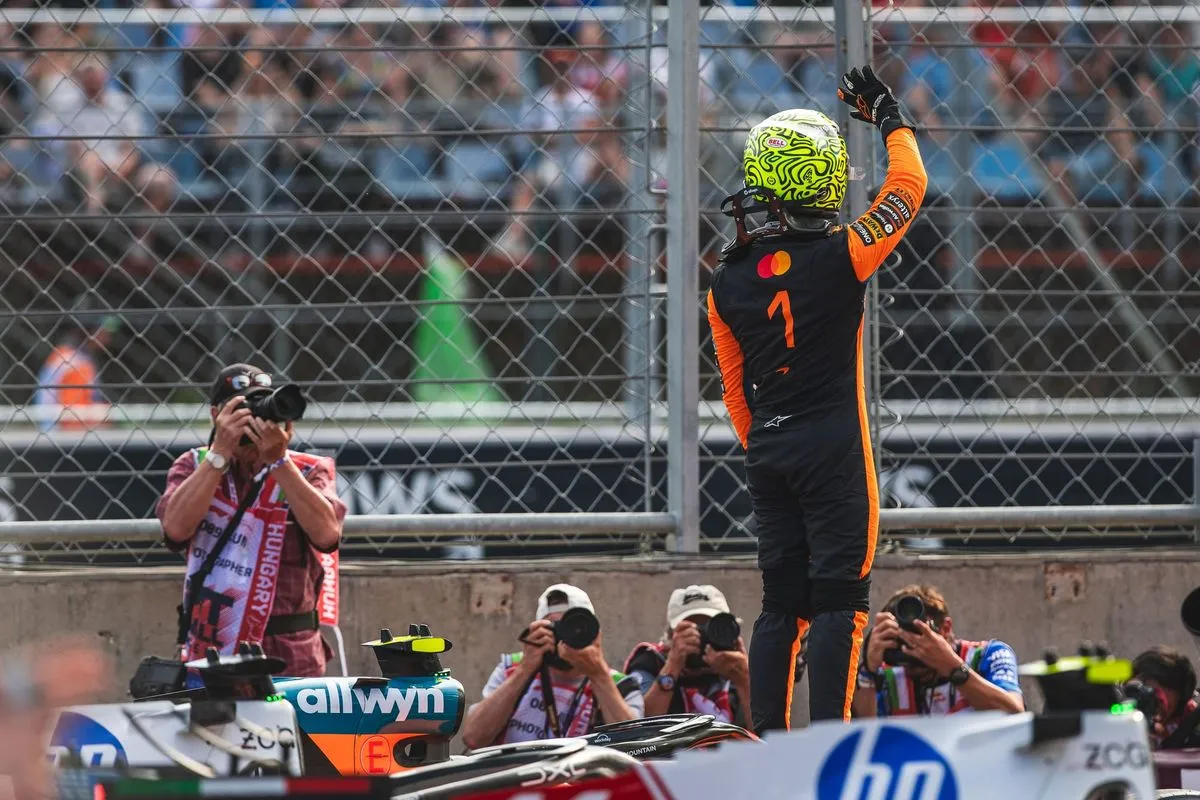

Lando Norris has officially extended his contract with McLaren until at least 2030. This decision underscores the reigning champion's long-term commitment, while adding to the growing list of multi-year deals at the top of the Formula 1 grid.
This move aligns with the recent contract extension of Max Verstappen at Red Bull through the same year, while Charles Leclerc's deal at Ferrari could run even longer. With Norris's status as defending champion and back-to-back wins in the last two races, his market value is arguably at its peak.
However, this phenomenon raises big questions: is the F1 driver market now dead? And what are the consequences of more long-term deals being announced?
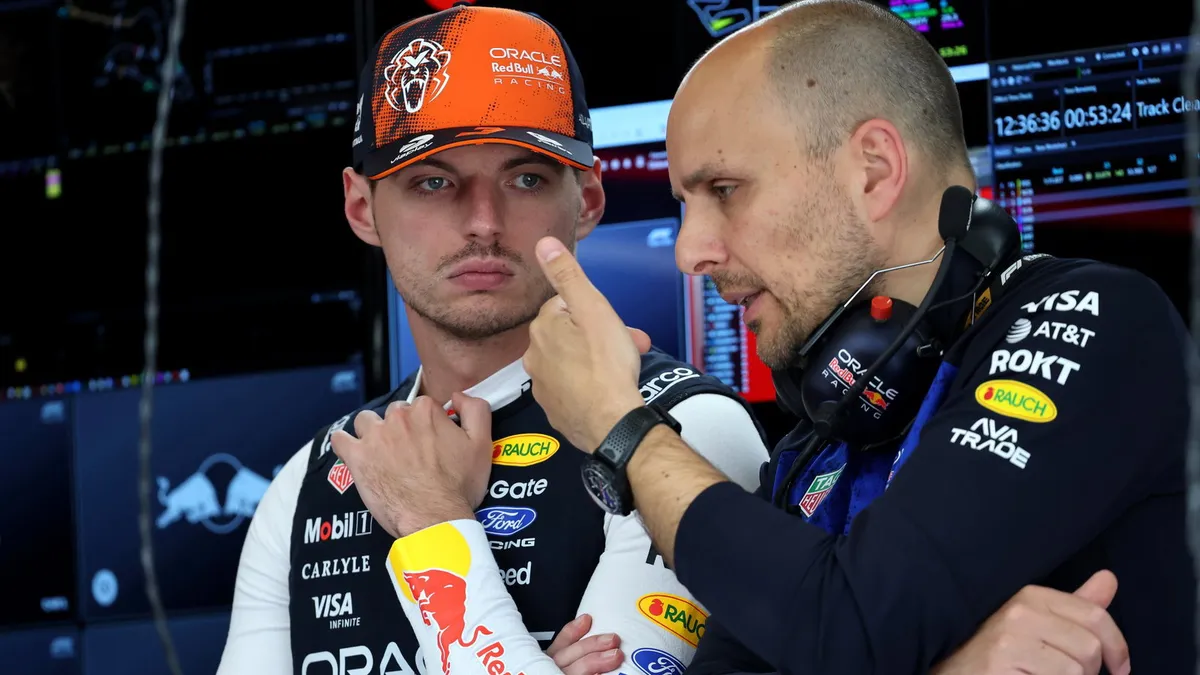
An Increasingly Static Driver Market
The Norris-McLaren deal is clearly beneficial for both parties. However, it reflects the loss of incentive for top drivers to switch teams or explore other options. In the past, drivers like Michael Schumacher or Lewis Hamilton might have been tempted to move for a new challenge, but that is no longer the case.
The explosion in team valuations under Liberty Media, coupled with the absence of a driver salary cap, means generational wealth is available to all top drivers. Long-term contracts provide financial security and stability, but they also reduce the market dynamics that used to make the sport intriguing.
Unlike other sports, such as football, switching teams in F1 requires total adaptation to a new car and environment. This is a significant risk that makes drivers reluctant to move. Even Hamilton's switch to Ferrari is seen as an exception, and if he were younger, he might have stayed at Mercedes longer.
A Logical Deal for Norris and McLaren
For Norris, there is no reason to look elsewhere. He has achieved great success with McLaren and feels very comfortable there. From the team's perspective, securing Norris is a wise move while retaining control over Oscar Piastri's seat, whose contract still has plenty of time.
The contract until 2030 also aligns with F1's regulatory cycles and Verstappen's deal, creating stability at the top of the grid. However, this reinforces the impression that competition among teams for the best drivers is diminishing.
With more long-term contracts, the F1 driver market risks becoming rigid. Smaller teams may struggle to sign stars, while young drivers must wait longer for a competitive seat. This is a consequence that F1 decision-makers need to consider.
Baca Juga
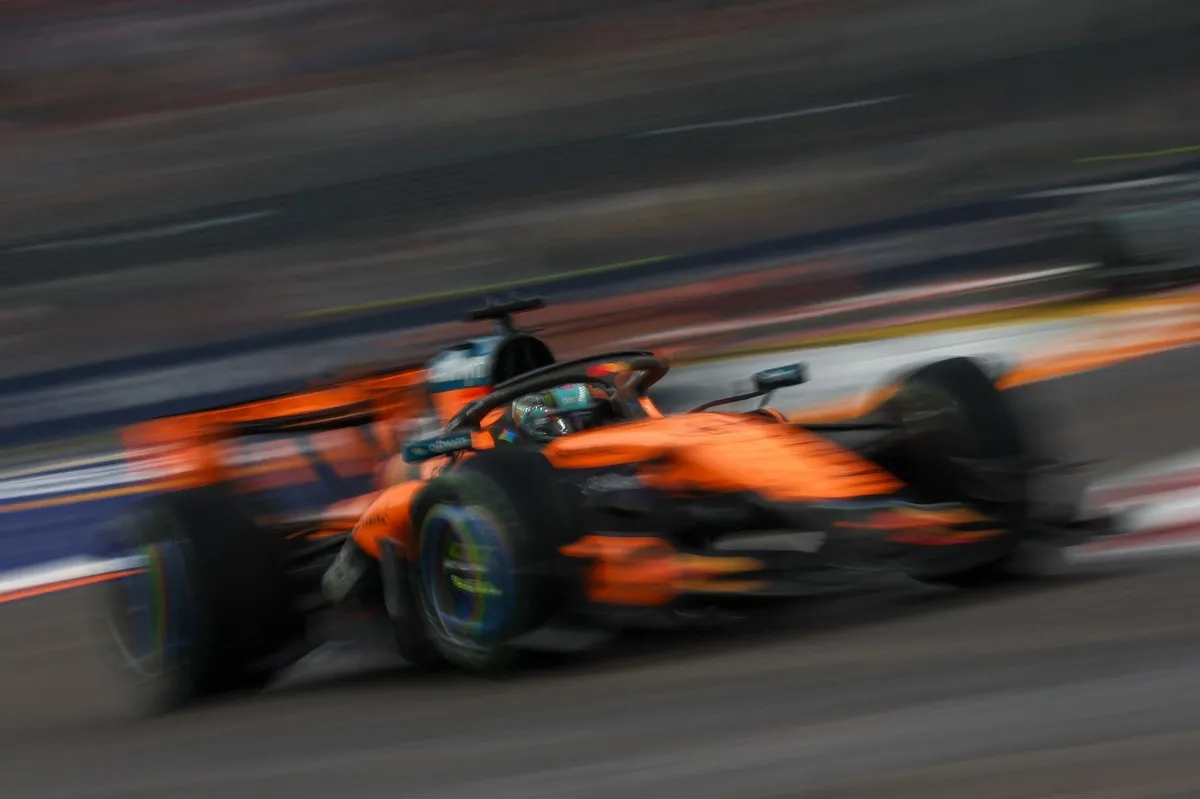
McLaren akui masalah handling mobil F1 baru bisa tuntas pada 2027. Simak analisis mendalam, keluhan pembalap, dan rencana tim di sini!

Christian Horner akhirnya buka suara soal rumor Ferrari dan tetapkan syarat mutlak kepemilikan saham jika ingin kembali ke F1. Baca analisis lengkap di sini!
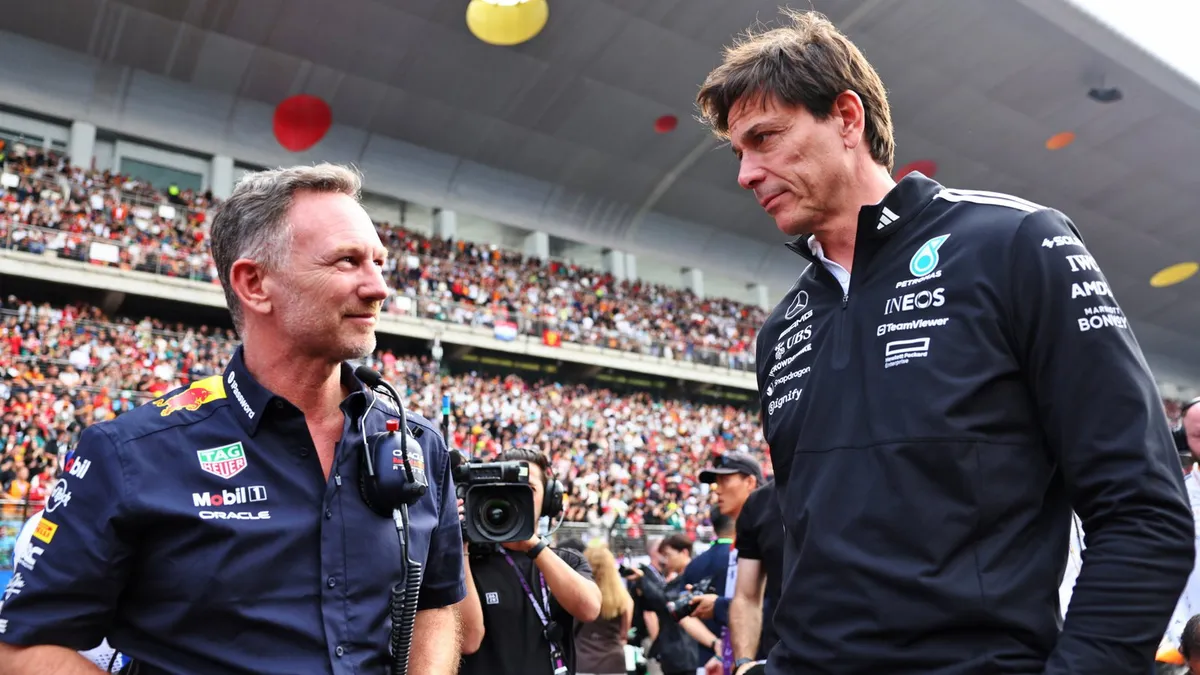
Christian Horner sebut Mercedes jalani musim yang mudah dan sentil Toto Wolff. Baca analisis mendalam rivalitas panas F1 terbaru di sini!
 Lanjutkan dengan Google
Diskusi & Komentar (0)
Mari Bergabung dalam Diskusi!
Masuk dengan mudah untuk mulai memberikan komentar, membalas, dan berinteraksi dengan pembaca lainnya.
Komentar Terbaru
Belum ada komentar. Jadilah yang pertama!