






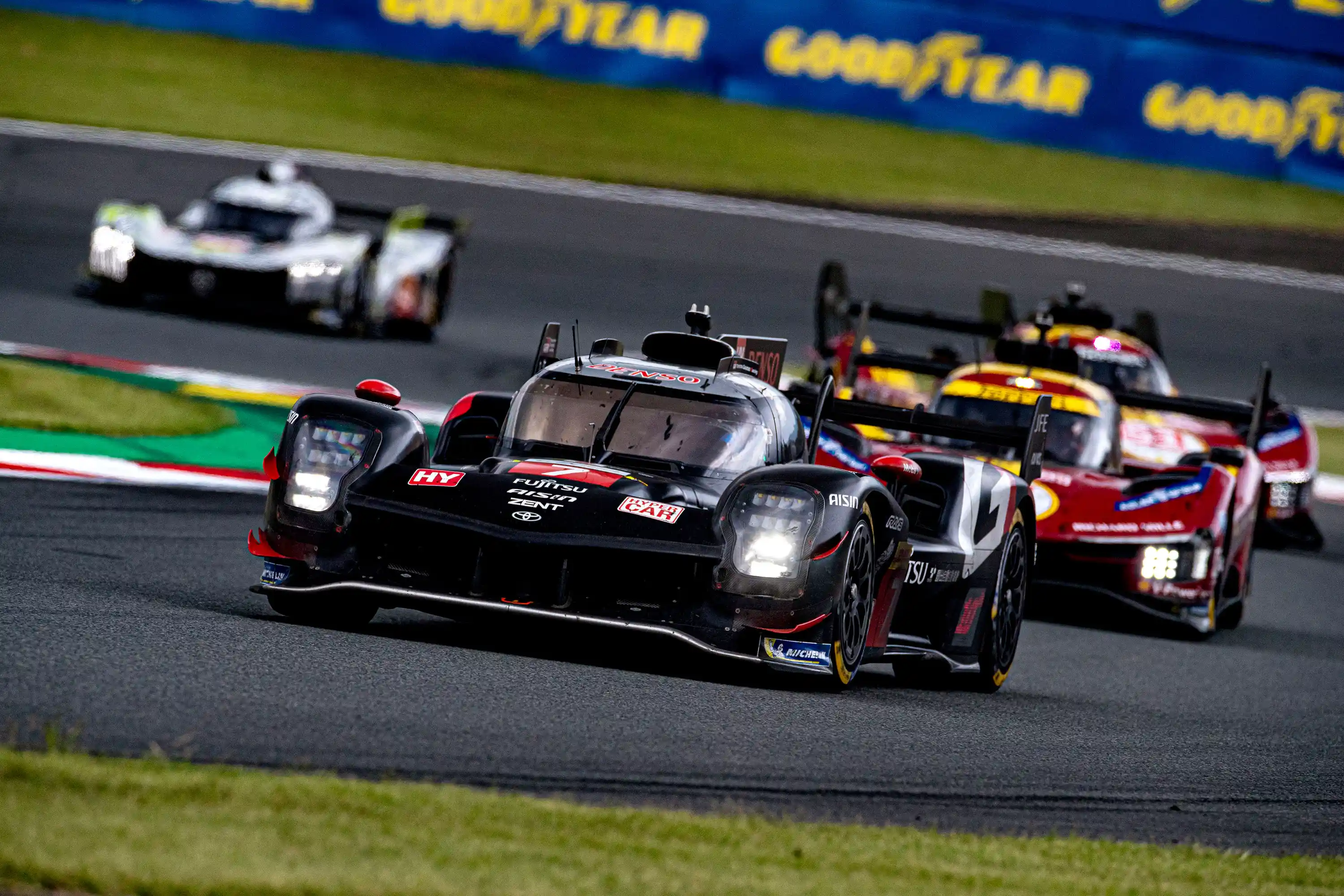

The minimum weight regulation in WorldSBK is back in the spotlight. Designed to level the playing field, this rule carries significant consequences, especially for riders like Alvaro Bautista. The added ballast is not just a number on paper; it fundamentally alters the bike's character on track.
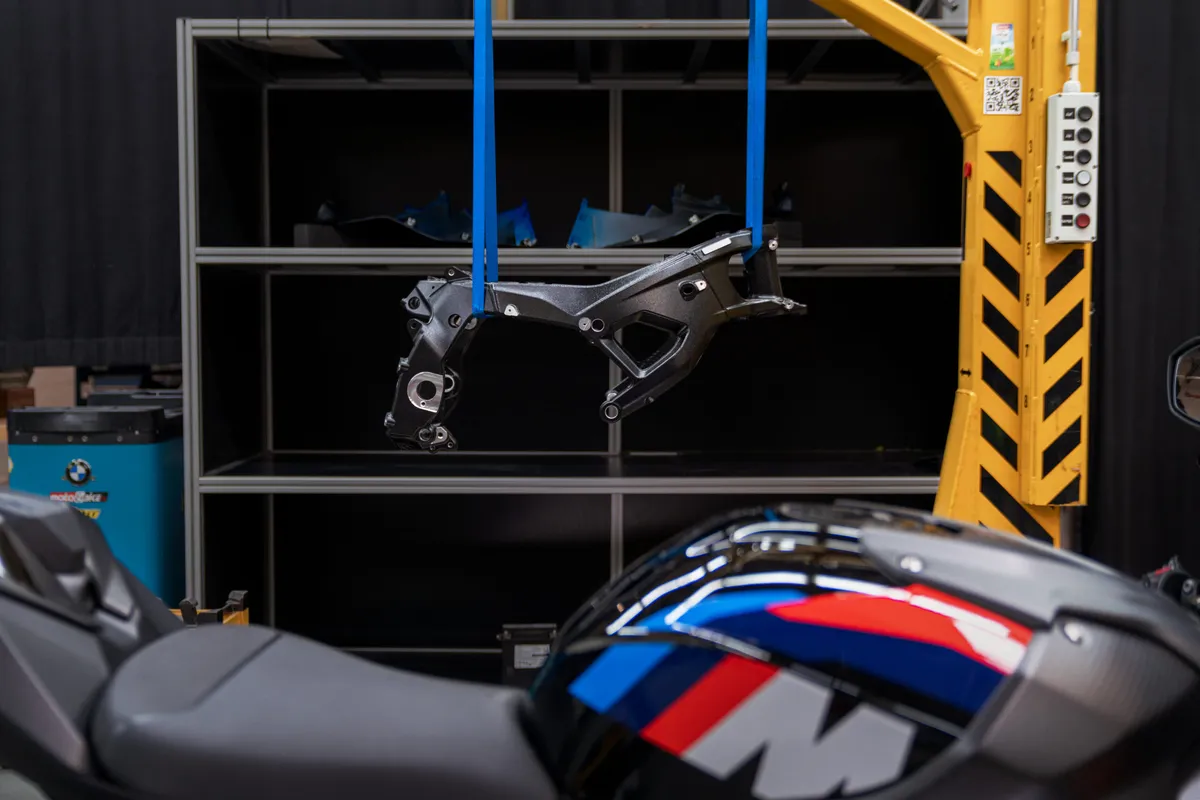
Imagine a machine meticulously engineered to be as light as possible. Manufacturers like Ducati fight for every gram to gain an edge in tenths of a second. When regulations force additional weight, the finely tuned balance is immediately disrupted. This becomes a dilemma for lighter riders, turning their natural advantage into a handicap.
The Physics of Mass: Stability vs. Agility
Theoretically, extra weight can provide stability, especially on straights or long corners. Greater vertical load helps tires grip and suspension settle. However, modern riding philosophy emphasizes lightness. A lighter bike is far more agile in quick direction changes and transitions. Less weight means less centrifugal force to overcome, allowing riders to flick the bike side-to-side with minimal effort.
Braking Under Pressure
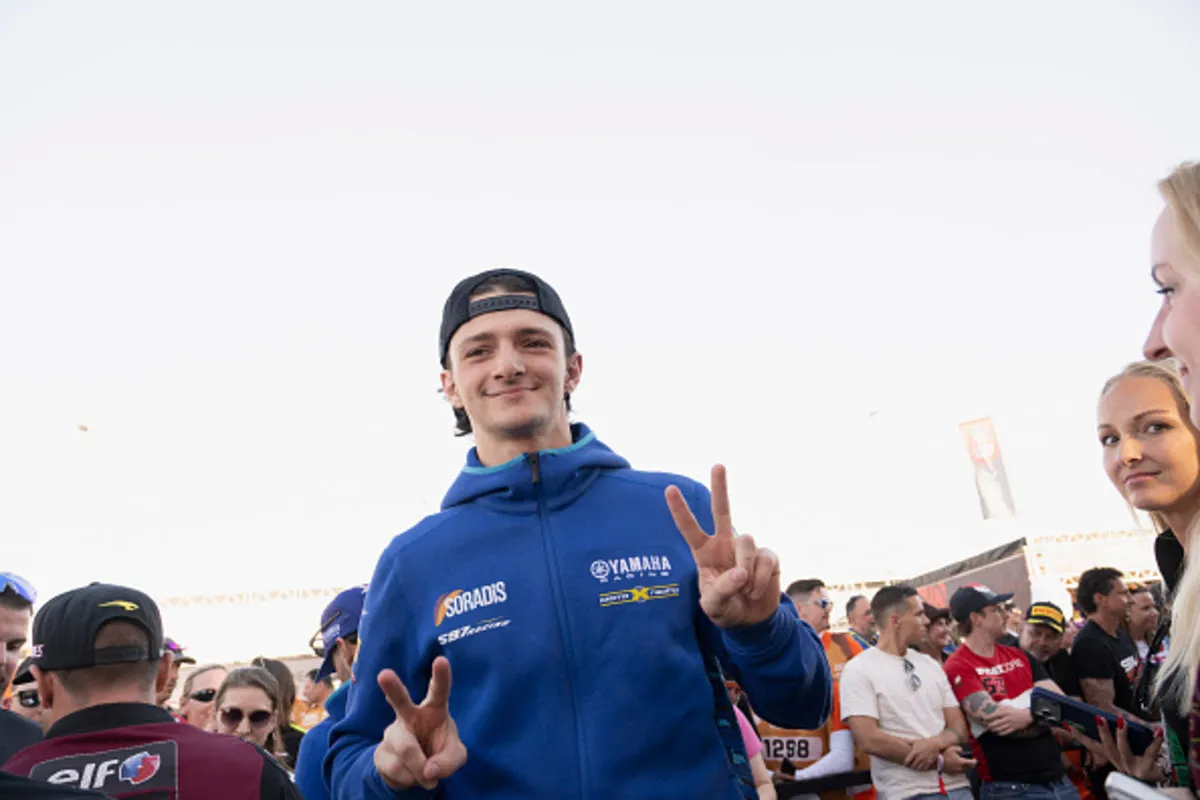
The most critical impact is felt at the brake lever. Excess mass directly increases braking distances. Kinetic energy turns into heat, forcing discs and pads to work harder. This leads to higher temperatures, increased risk of brake fade, and compromised stability under heavy deceleration. Weight transfer compresses the front fork to its limit, reducing rider confidence when leaning into corners.
For Bautista, known for his aggressive style and late braking, this rule punishes his strengths. He must adapt to a heavier bike, which not only slows lap times but also demands more physical effort. It's a valuable lesson that in racing, every gram matters, and a seemingly simple regulation can shatter a carefully built balance.
Beyond racing, this phenomenon applies to everyday riders. Adding load to a vehicle unknowingly changes its braking and handling characteristics. Manufacturers' investment in lightweight materials like carbon fiber is not without reason; it's all for better performance and safety, both on track and on the road.
Baca Juga
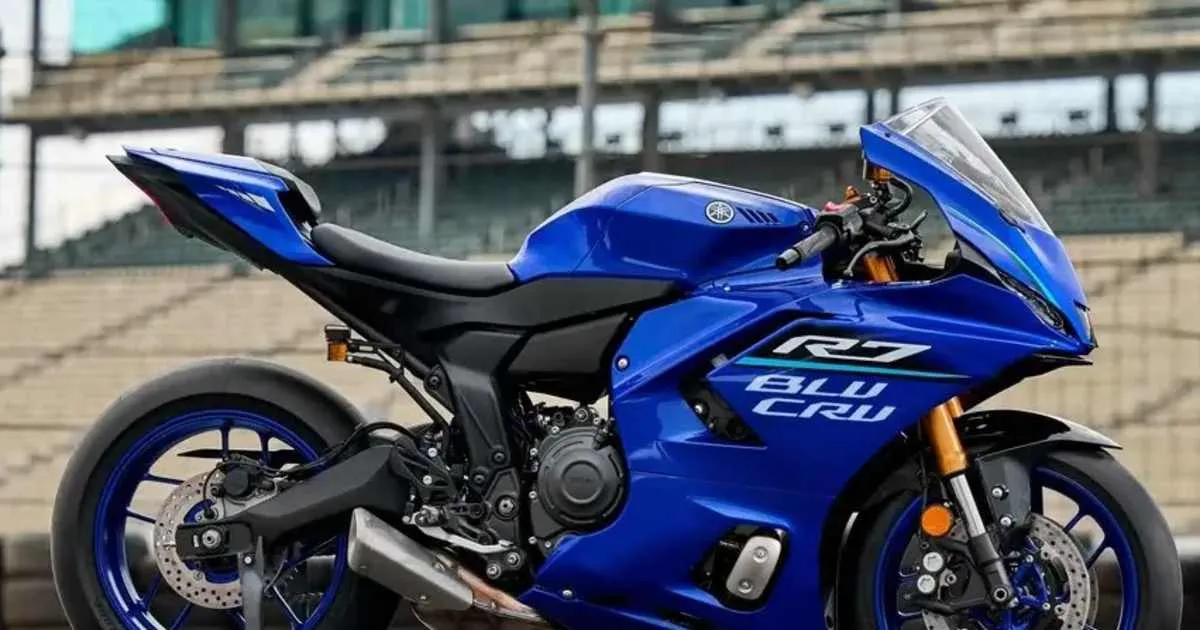
Yamaha resmi ganti R3 World Cup dengan R7 World Cup mulai 2027. Simak kalender lengkap, spesifikasi, dan biaya pendaftaran di sini!
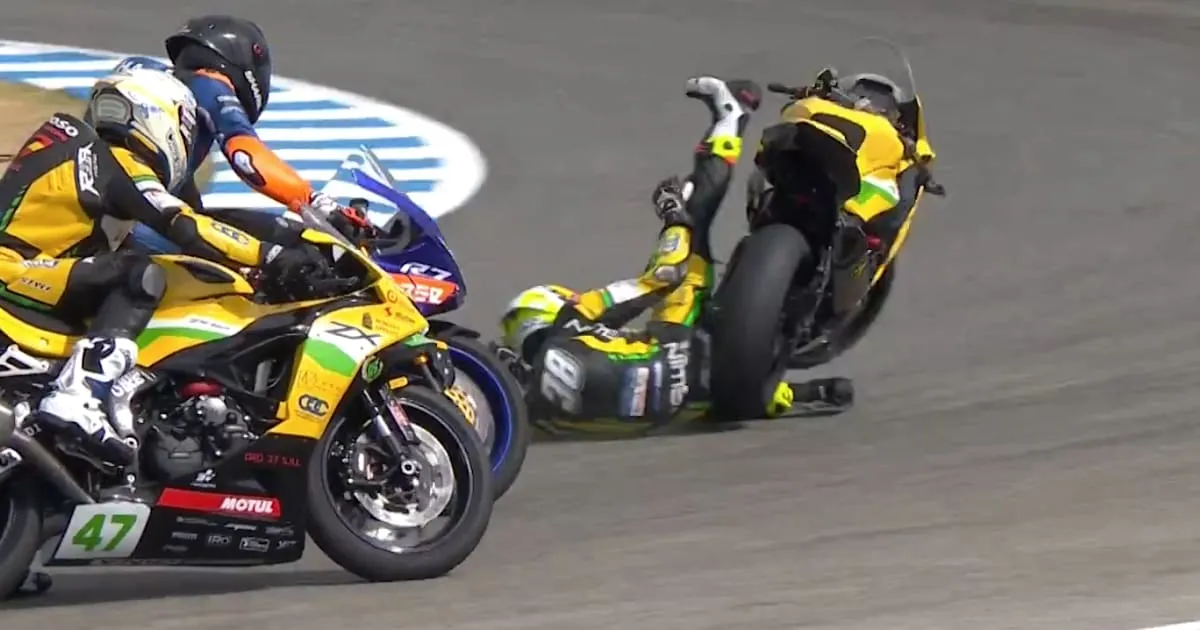
David Salvador kehilangan gelar juara dunia Sportbike 2026 di Jerez usai insiden kontroversial. Baca analisis mendalam dan update lengkapnya di sini!
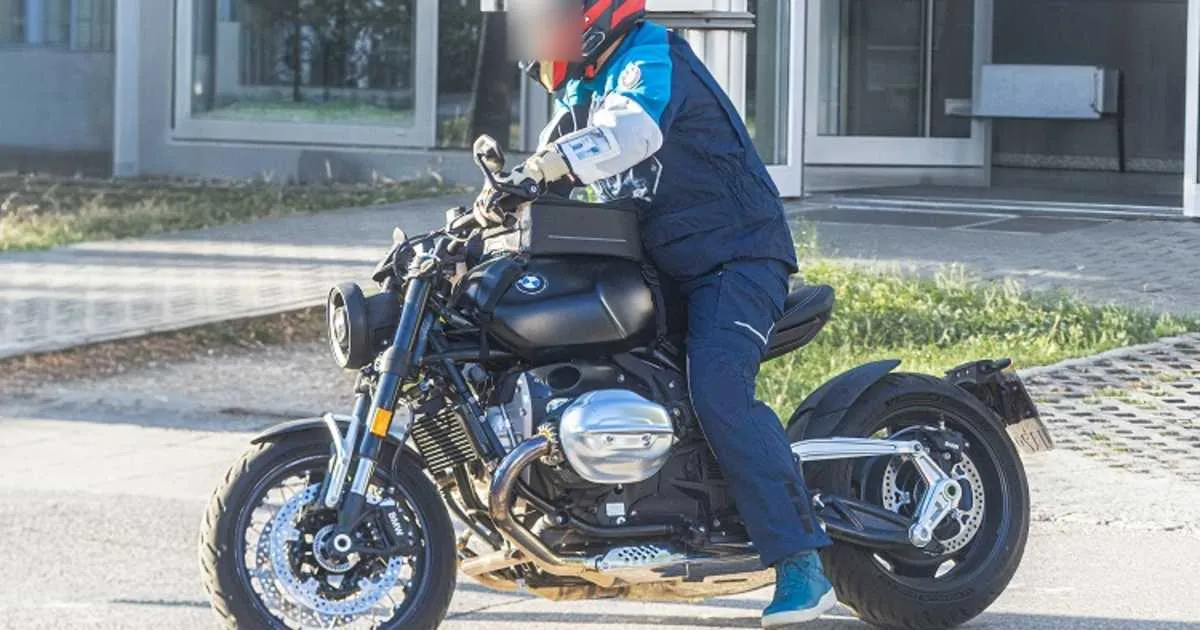
Simak bocoran lengkap lini terbaru BMW di EICMA 2026 mulai dari F450R, F450RR, hingga R20. Baca analisis mendalam dan jadwal peluncurannya di sini.
 Lanjutkan dengan Google
Diskusi & Komentar (0)
Mari Bergabung dalam Diskusi!
Masuk dengan mudah untuk mulai memberikan komentar, membalas, dan berinteraksi dengan pembaca lainnya.
Komentar Terbaru
Belum ada komentar. Jadilah yang pertama!