








The crunch of carbonfibre and metal making violent contact with an immovable barrier is what sticks in your mind when a Formula 1 car crashes right in front of you. That was the case during the third free practice session (FP3) for the Spanish Grand Prix at the Madring circuit, when Ollie Bearman lost control at Turn 10 and smashed into the barriers just centimetres from where I was standing.
I had a similar experience at the Monaco circuit in 2001, when Ralf Schumacher shunted at the end of the opening practice session. There is something strange in how your brain processes those moments when the car you are watching is suddenly not doing what you expect it to, and is well off line and travelling in the wrong direction. You see the tyre smoke, prepare yourself for the impact, and then the contact happens. What must be milliseconds later but seems an eternity: that crunch as the sound catches up with the light, ramming home that this is a big one.
After that, the violence dies down, the strewn debris all rolls to a stop, and there is almost a calmness before the marshals get to action. For a driver, these moments must be even harder to process and the emotions more extreme - as afterwards they appear to go through the classic five stages of grief. Observing Bearman, as he sits in the Haas making clear to marshals he is OK, you can sense from the way he holds his head and hands the denial and then anger he has about having binned it right at the end of the final practice session. As he climbs out through a hole in the barriers, there is the depression and then the acceptance of what has happened, as a moped arrives to whisk him away. But he stands there instead, staring into the distance, desperate to watch a crash replay on the big screen behind us.
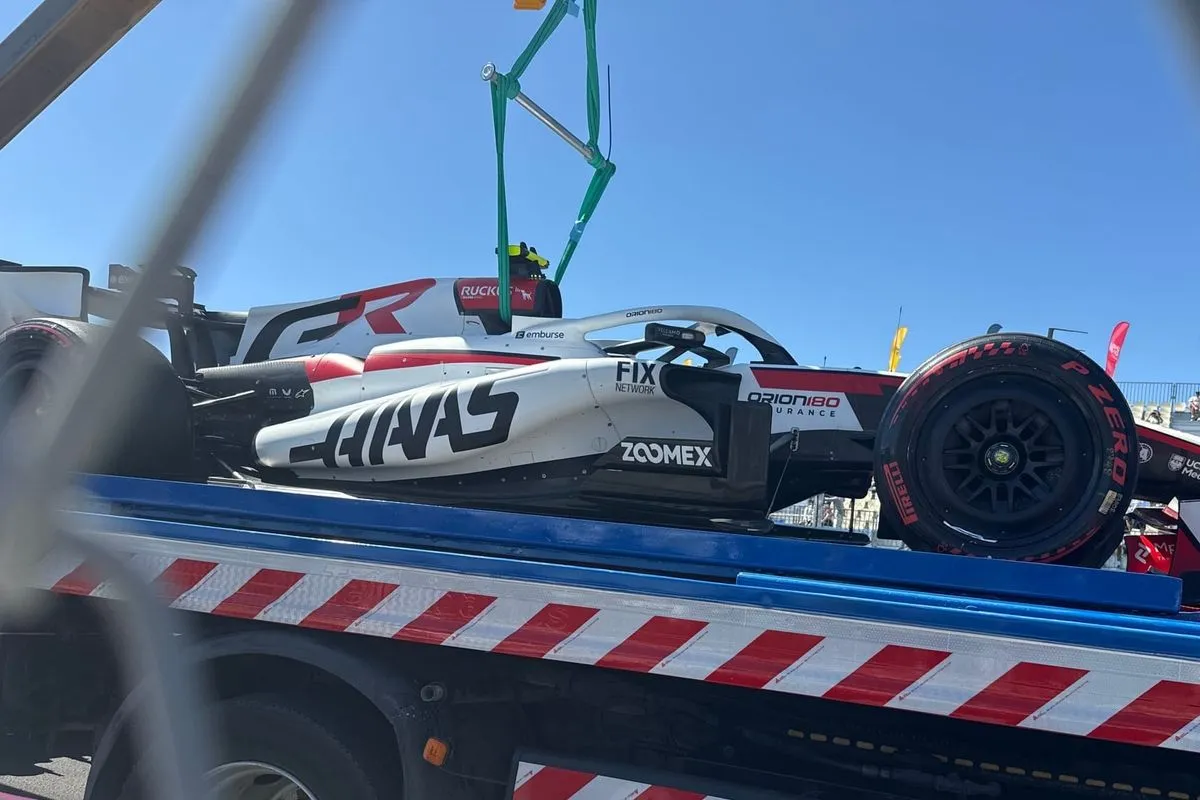
Then, as the adrenaline winds down, he is beckoned to the medical car. He climbs in the back, looking at the badly damaged Haas still wedged up against the wall. There is the acceptance that it is unlikely that this will not hamper the rest of his weekend. As Bearman is driven away, the marshals move into action, lifting the car onto a truck and throwing chunks of wrecked carbonfibre through the gaps in the fence.
Drivers had talked before the weekend about the Madring being a punishing venue, and Bearman himself said that the plenty of crashes he had in the sim meant hopefully he had got them out of his system. "Like that, you learn exactly where the limits are and you find them in the most efficient way possible," he said. "By doing that, you don't do that on the real track, hopefullyg" Unfortunately, real life bites sometimes. And it can be very noisy.
This incident serves as a harsh reminder of the ever-present risk at every corner. For the Haas team, the damage to Bearman's car means extra work to repair the chassis before qualifying. For the young driver, it is a mental blow he must overcome quickly to perform at his best for the rest of the weekend. Madring, with its challenging characteristics, leaves no room for even the smallest error.

In the coming hours, the Haas team will work hard to repair the car, while Bearman must reset his focus. Crashes like this not only destroy the car but also test the driver's mental resilience. And for those who witness it up close, the sound of the impact will linger, a reminder that behind the speed and advanced technology, there is a real risk that always lurks.
Baca Juga
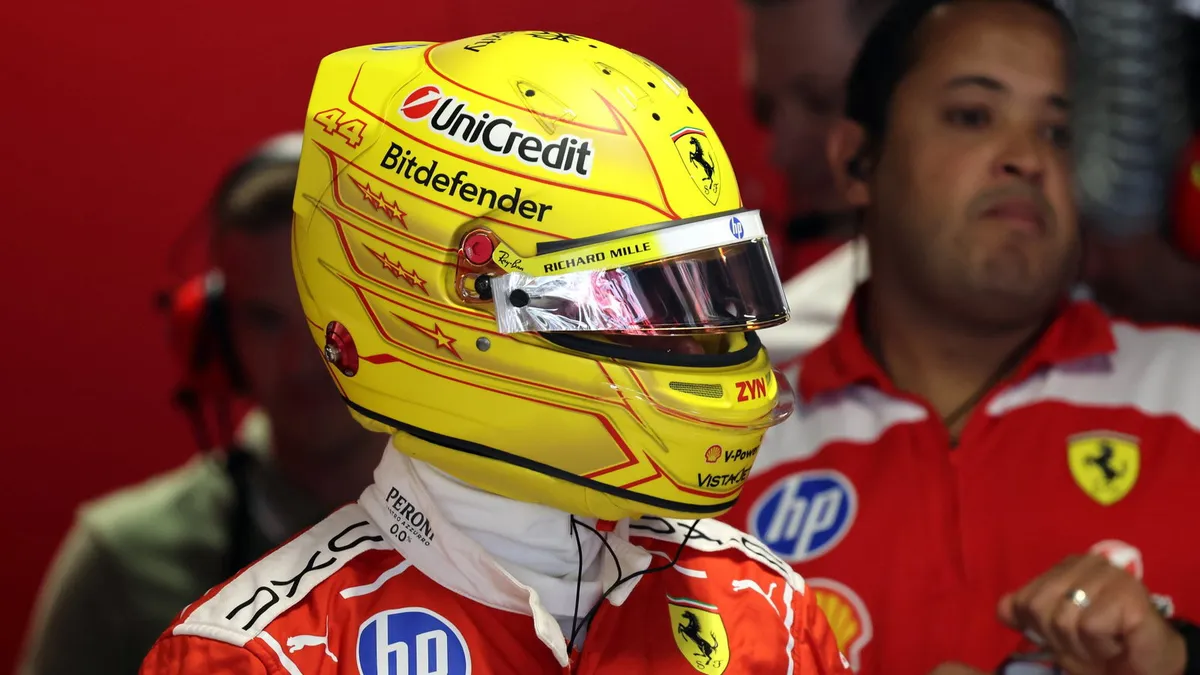
Anthony Davidson mengkritik Lewis Hamilton karena mengabaikan instruksi berhenti saat mobil rusak di FP3 Spanyol. Insiden ini dianggap contoh buruk bagi pembalap muda.
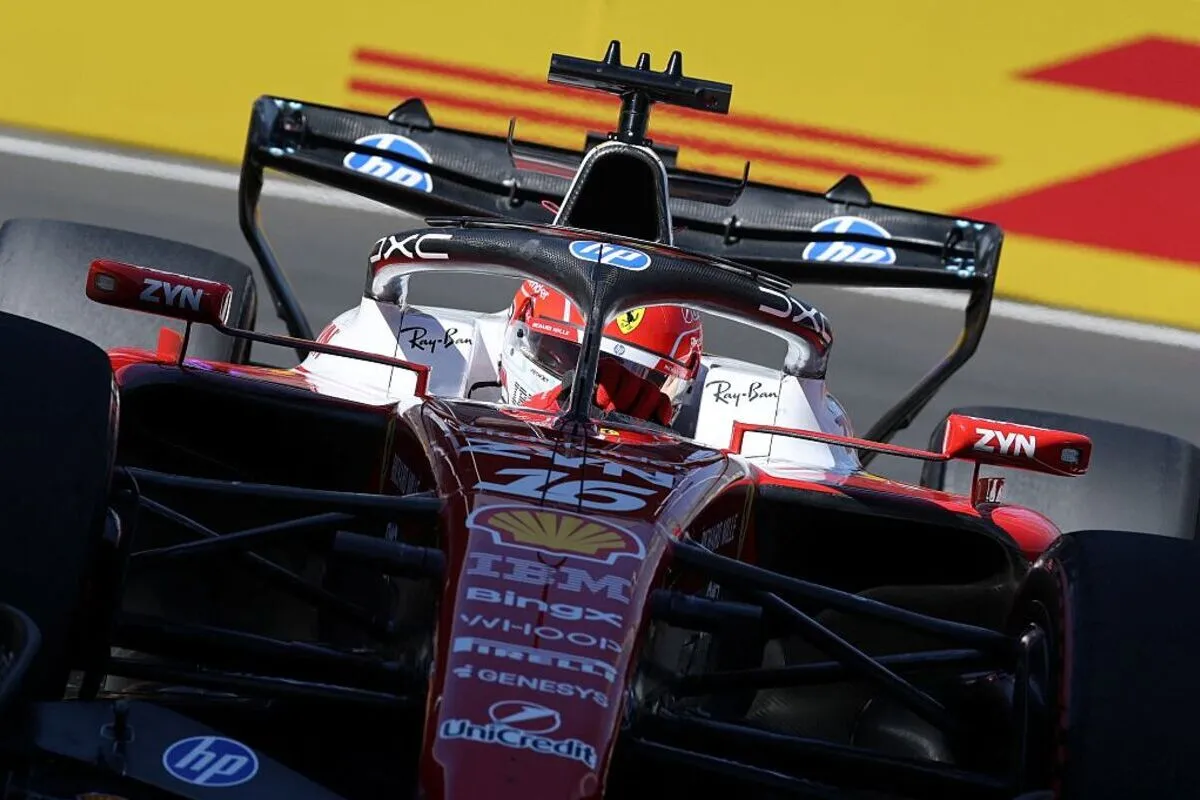
Analisis telemetri FP3 GP Spanyol: Mercedes unggul di sektor akhir, Ferrari kuat di sektor tengah. Kualifikasi diprediksi sengit.
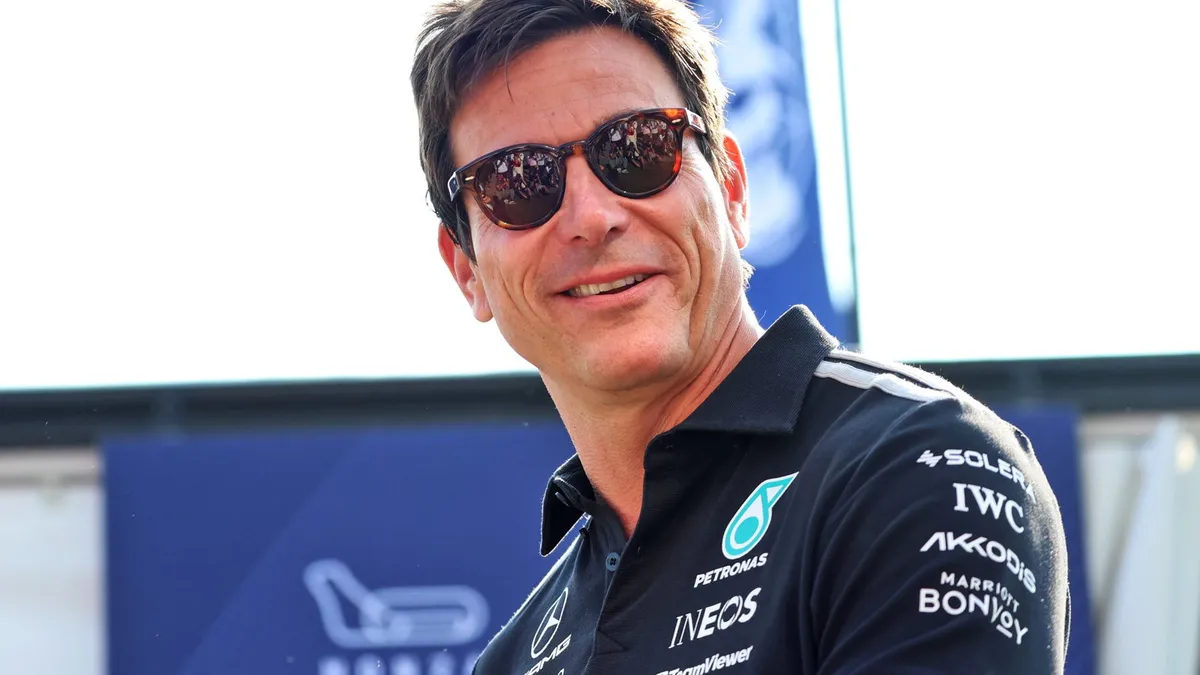
Toto Wolff sindir Ferrari soal manajemen pembalap setelah insiden Hamilton-Leclerc di Monza. Mercedes pamer pendekatan 'racing intent' yang dianggap lebih baik.
 Lanjutkan dengan Google
Diskusi & Komentar (0)
Mari Bergabung dalam Diskusi!
Masuk dengan mudah untuk mulai memberikan komentar, membalas, dan berinteraksi dengan pembaca lainnya.
Komentar Terbaru
Belum ada komentar. Jadilah yang pertama!