







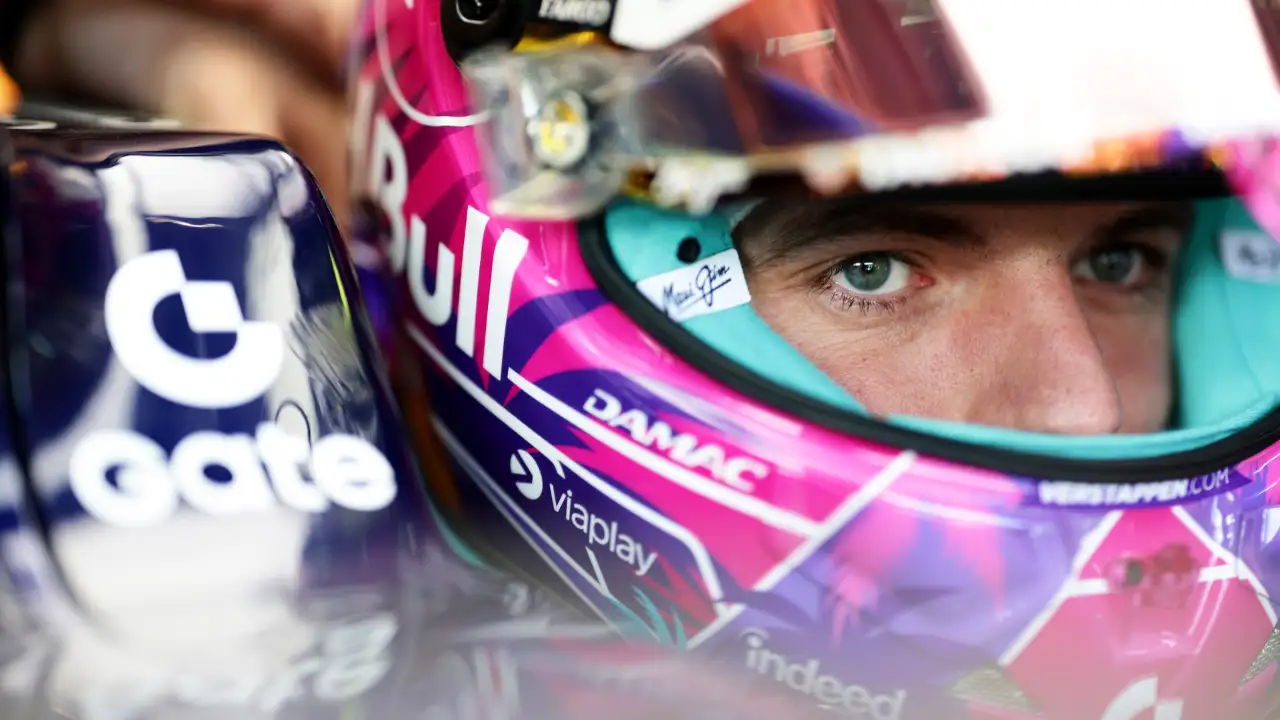

Max Verstappen has once again sent shockwaves through the Formula 1 paddock by signaling a potential exit from the sport at the end of the season. The Red Bull star has been outspoken about his dislike for this year's technical regulations. Despite the iterative tweaks made to the RB22 performance ahead of the Miami Grand Prix, Verstappen emphasized that even a winning car would not alleviate his frustration with the fundamental characteristics of the current machinery.
This possibility has drawn a stark warning from Mark Webber, who believes that losing Verstappen would be catastrophic for the F1 ecosystem. Analytically, Verstappen is more than just a fast driver; he is a primary catalyst for global viewership. Liberty Media, as the sport's owner, understands that characters like Verstappen are essential for maintaining high television ratings and sponsor interest. His departure would create a charismatic void that would be incredibly difficult to fill, potentially diminishing the sport's commercial appeal.
From a competitive standpoint, Webber likened Verstappen's presence to the legendary rivalry between Rafael Nadal and Roger Federer. In technical and mental terms, having a dominator like Verstappen forces his rivals to consistently elevate their own performance standards. The concept of "sleepless nights" refers to the psychological pressure placed on other drivers, who are compelled to push their vehicles to the absolute limit just to keep pace with Verstappen's relentless benchmark.
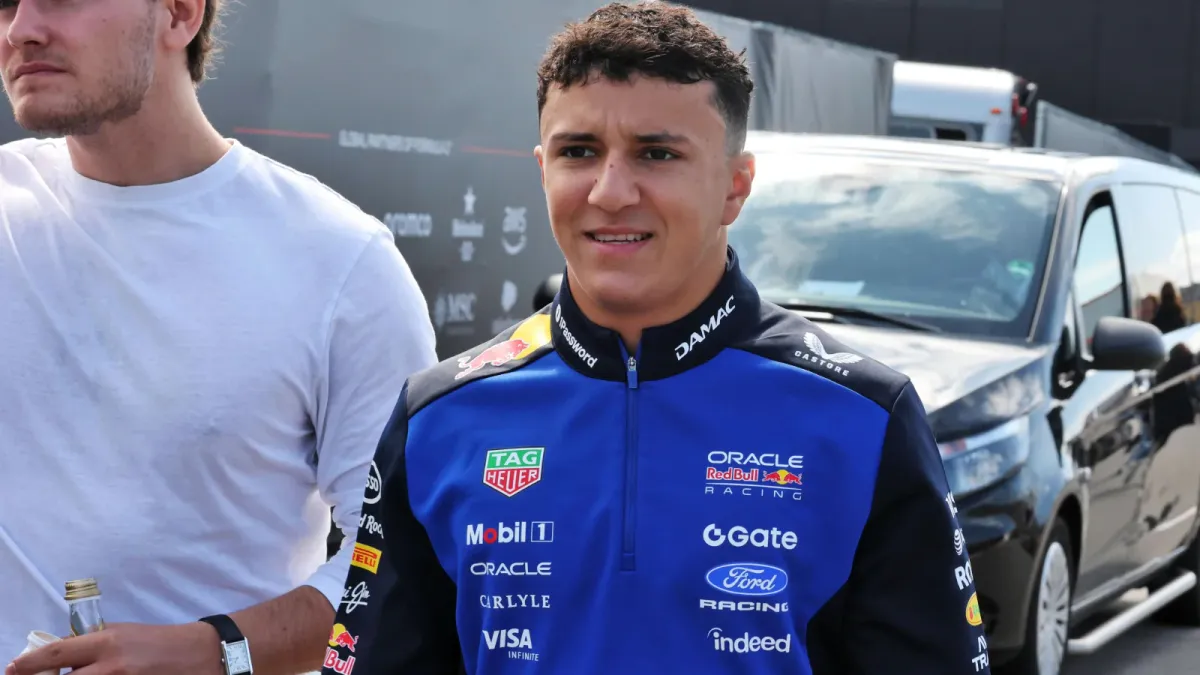
Verstappen's dissatisfaction with the current regulations stems from a perceived decrease in "stimuli" or the visceral challenge of driving. For a driver of his caliber, satisfaction is derived not just from trophies, but from a perfect technical symbiosis with the machine. When regulations result in a car that he feels lacks the proper character or "feel," his pure motivation to compete begins to drift. This highlights that for the four-time champion, the technical integrity of the car outweighs mere statistical success.
While figures such as his father, Jos, and FIA president Mohammed Ben Sulayem believe he will not ultimately walk away, the door remains open. Verstappen's immense success has granted him unparalleled leverage in his career choices. Having already secured a historic trophy cabinet, he is in a position to demand fundamental regulatory shifts or even opt for an early retirement if F1 fails to provide the technical stimulation he craves.
Webber, who also manages Oscar Piastri, reiterated that Verstappen's ability to lift the level of the entire grid is the primary reason he must stay. Without someone capable of setting an extreme pace, there is a genuine risk of performance stagnation among the rest of the field. A healthy competitive environment requires a gold standard of excellence, and currently, Verstappen is that singular point of reference.
Ultimately, the prospect of Verstappen's departure serves as a warning to the FIA and Liberty Media that technical dominance must not come at the expense of driver satisfaction. If F1 cannot rectify the "feel" of the new generation of cars, they risk losing not only a world champion but the very engine that drives his rivals to exceed their own limits on the track.
Baca Juga
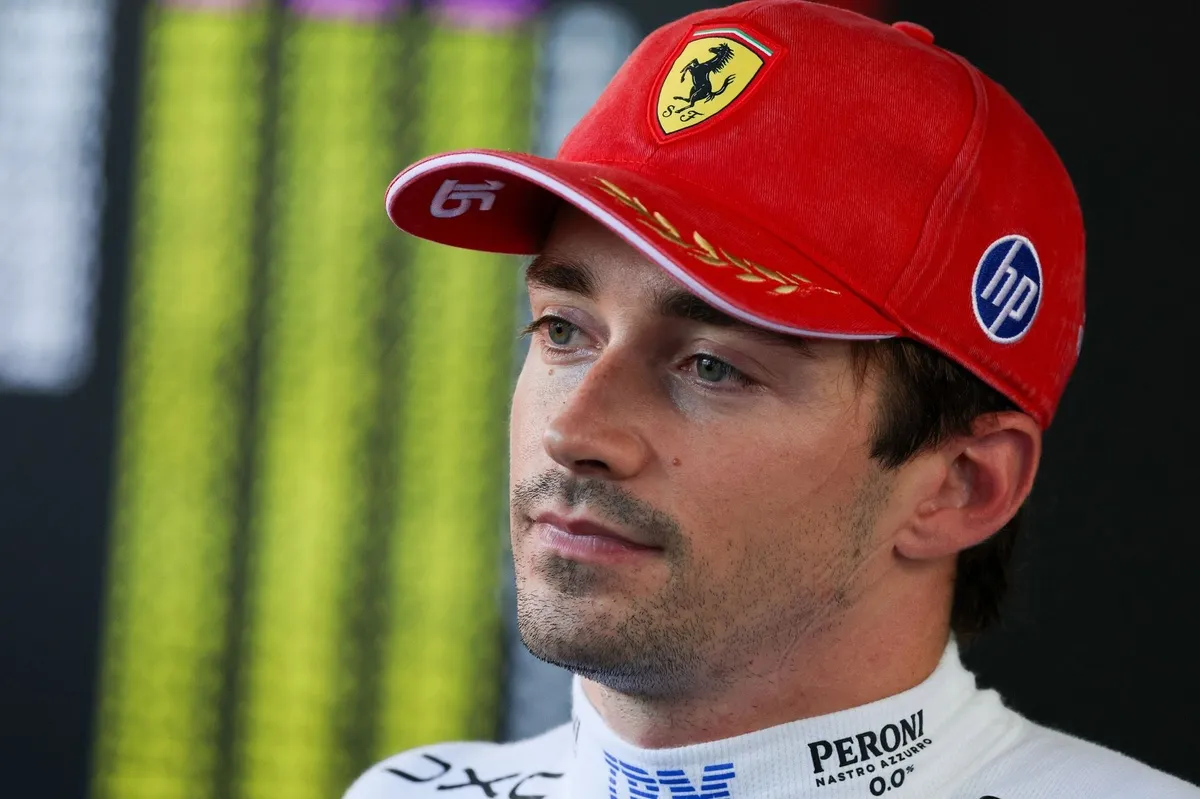
Charles Leclerc mengungkap peluang dari tim rival sebelum perpanjang kontrak Ferrari. Manajer Nicolas Todt berperan kunci dalam negosiasi.
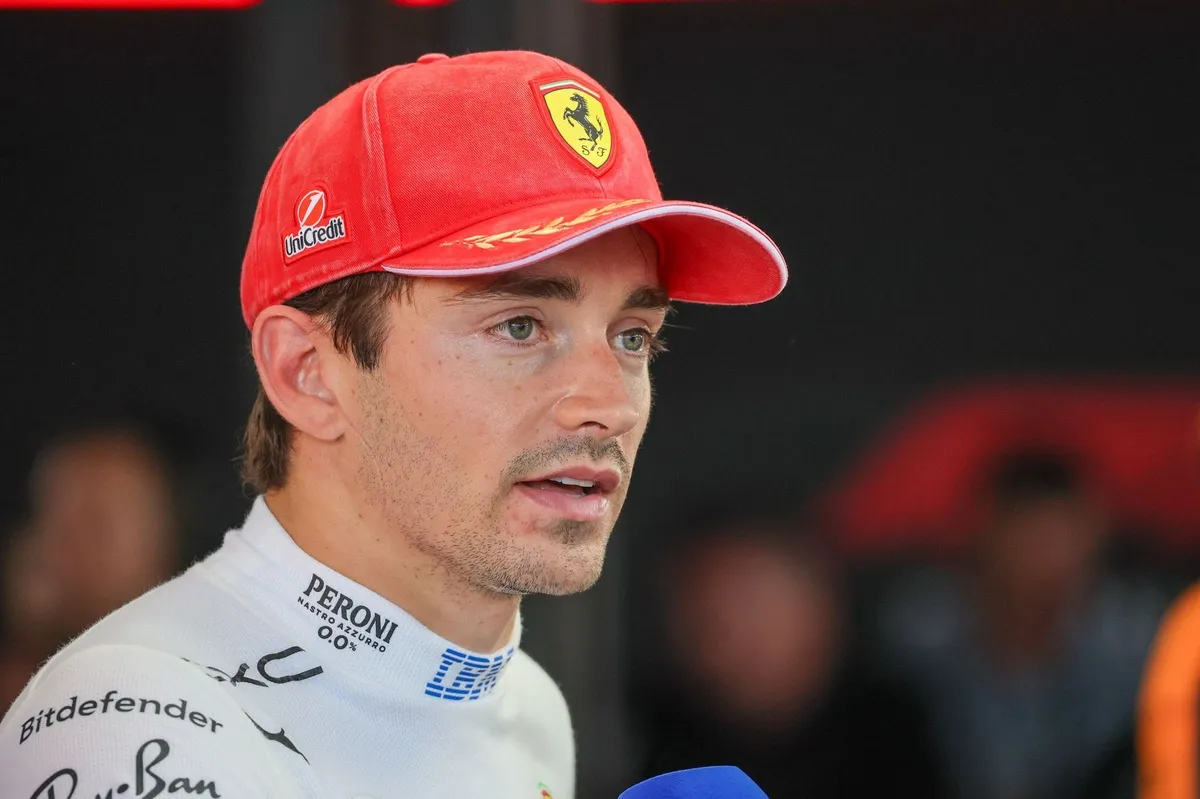
Charles Leclerc mengungkap tawaran dari tim rival sebelum perpanjang kontrak Ferrari. Manajer Nicolas Todt berperan kunci dalam negosiasi.
F1 resmi bekerja sama dengan Hot Wheels untuk menghadirkan 22 mobil grid 2026 di game Infinite Rush. Konten unduhan ini akan dirilis Maret 2027.
 Lanjutkan dengan Google
Diskusi & Komentar (0)
Mari Bergabung dalam Diskusi!
Masuk dengan mudah untuk mulai memberikan komentar, membalas, dan berinteraksi dengan pembaca lainnya.
Komentar Terbaru
Belum ada komentar. Jadilah yang pertama!