








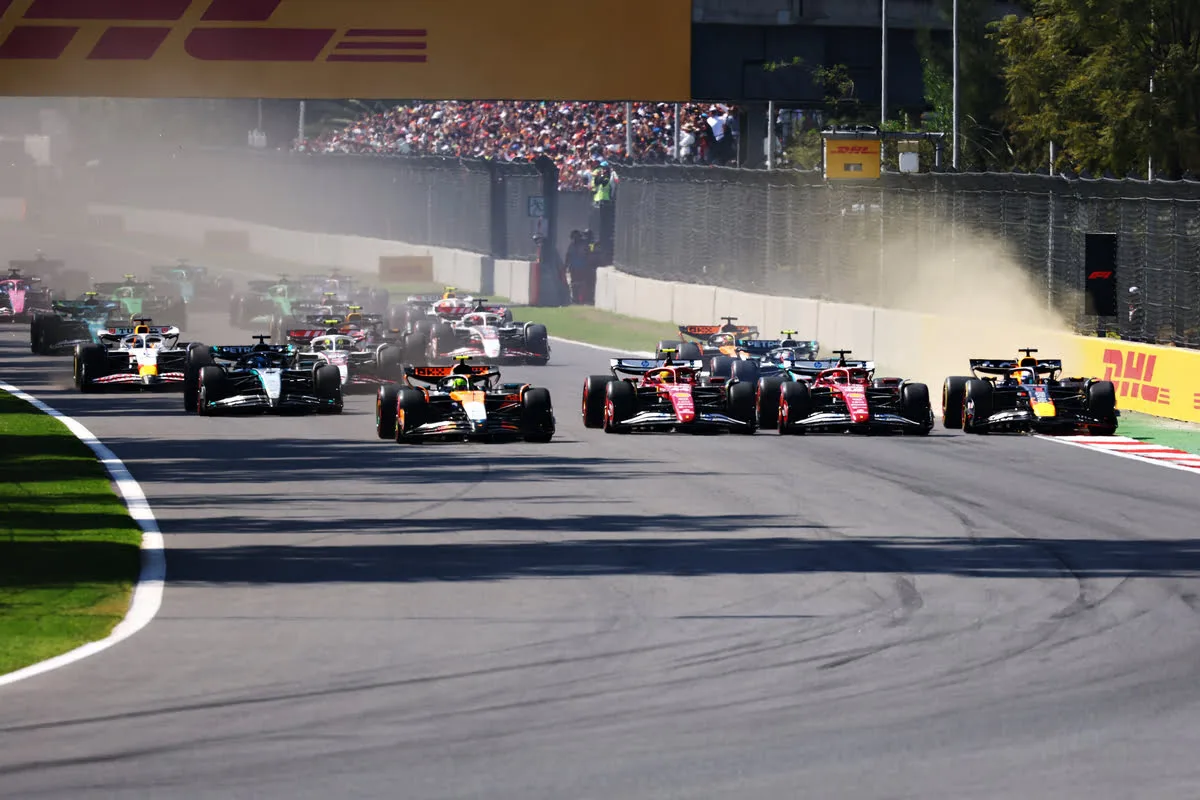
The Formula 1 race weekend at the Autodromo Hermanos Rodriguez brings its usual drama, particularly regarding the starting grid dynamics that often trouble the pole-sitter. An in-depth analysis of the last ten editions of the race in Mexico City reveals that securing the top spot on Saturday is not an absolute guarantee of leading after the opening sequence of corners.
A major talking point emerged when Lewis Hamilton claimed pole position for Scuderia Ferrari in Mexico, ending a lengthy drought and giving the Maranello squad a much-needed Saturday boost. However, history shows that the exceptionally long run down to the first braking zone allows chasing drivers behind to maximize slipstream benefits.
Based on historical data from the modern era starting in 2015, the percentage of pole-sitters failing to hold the lead through the initial chicane reaches fifty percent. The unique geographical altitude of Mexico City, sitting 2,200 meters above sea level, alters aerodynamic efficiency due to thinner air, yet the vast straight remains a primary hunting ground for aggressive moves from the second row.
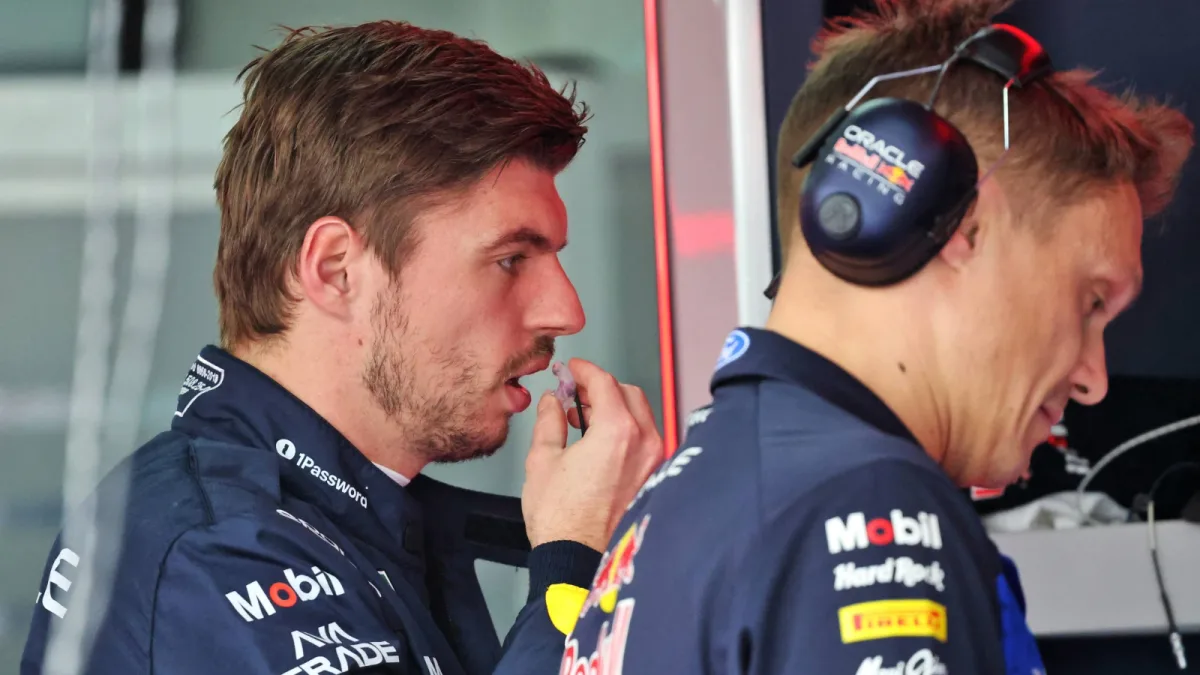
Nevertheless, paddock experts emphasize that writing off pole position as a disadvantage is entirely inaccurate. World champions such as Max Verstappen and Lando Norris have previously demonstrated that a crisp clutch release and immediate defense of the inside line still make pole the best place to start.
Clutch coordination and reaction timing when the lights go out will ultimately decide the opening lap battle this weekend. The fierce competition at the front promises a tactical masterclass that will significantly impact the ongoing championship standings.
Baca Juga
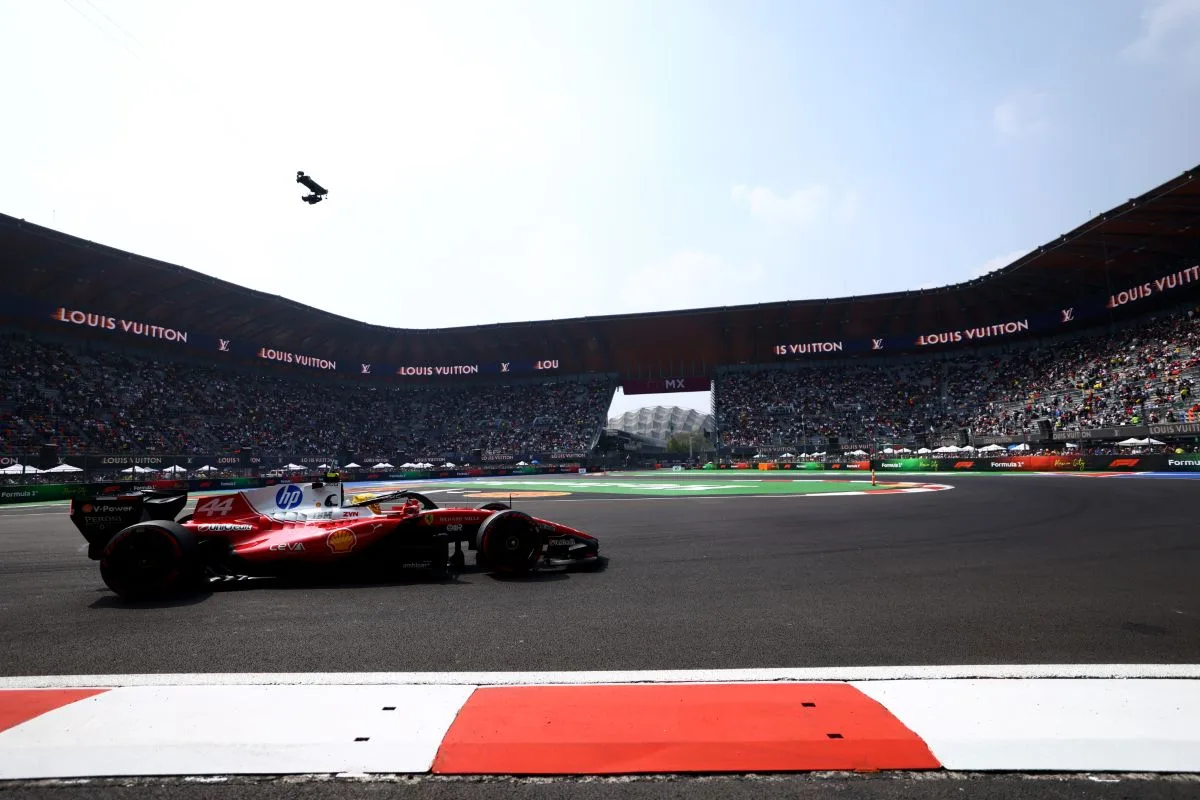
Simak analisis lengkap perebutan juara F1 GP Meksiko 2026 di Autodromo Hermanos Rodriguez, pole Hamilton, dan peluang gelar Antonelli. Baca selengkapnya!
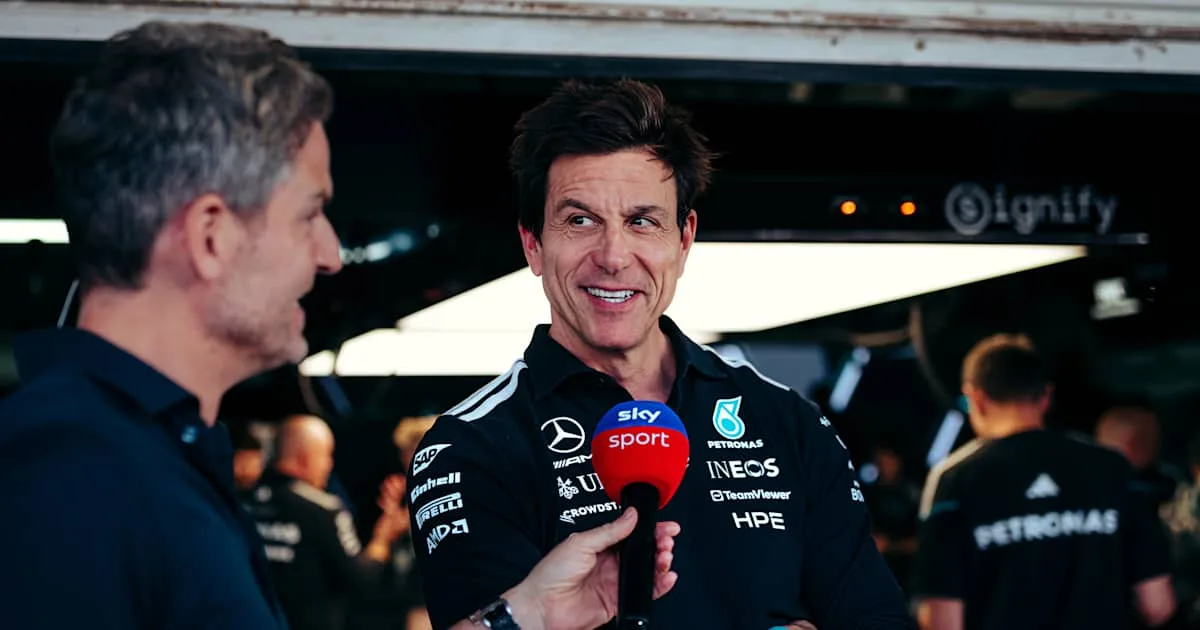
Simak analisis lengkap Toto Wolff mengenai perjuangan George Russell yang nyaris rebut pole di GP Meksiko. Baca ulasan mendalam selengkapnya di sini.
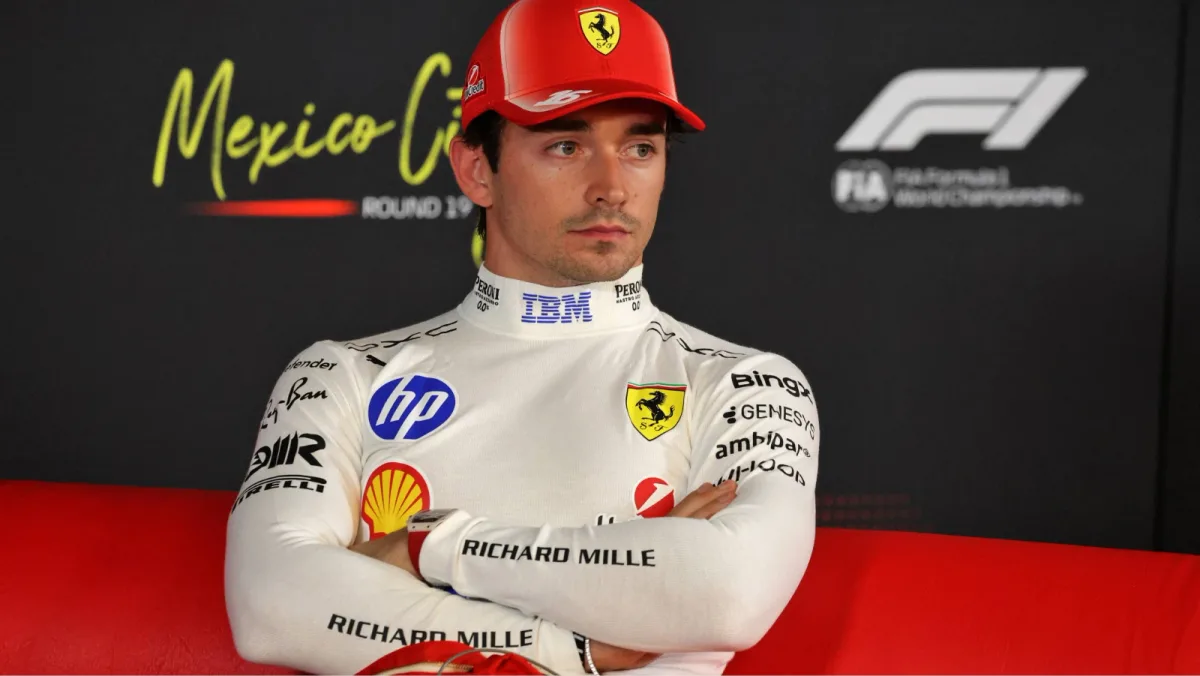
Charles Leclerc murka pada diri sendiri usai gagal rebut pole di GP Meksiko. Simak analisis lengkap dan persiapan balapan di sini.
 Lanjutkan dengan Google
Diskusi & Komentar (0)
Mari Bergabung dalam Diskusi!
Masuk dengan mudah untuk mulai memberikan komentar, membalas, dan berinteraksi dengan pembaca lainnya.
Komentar Terbaru
Belum ada komentar. Jadilah yang pertama!