







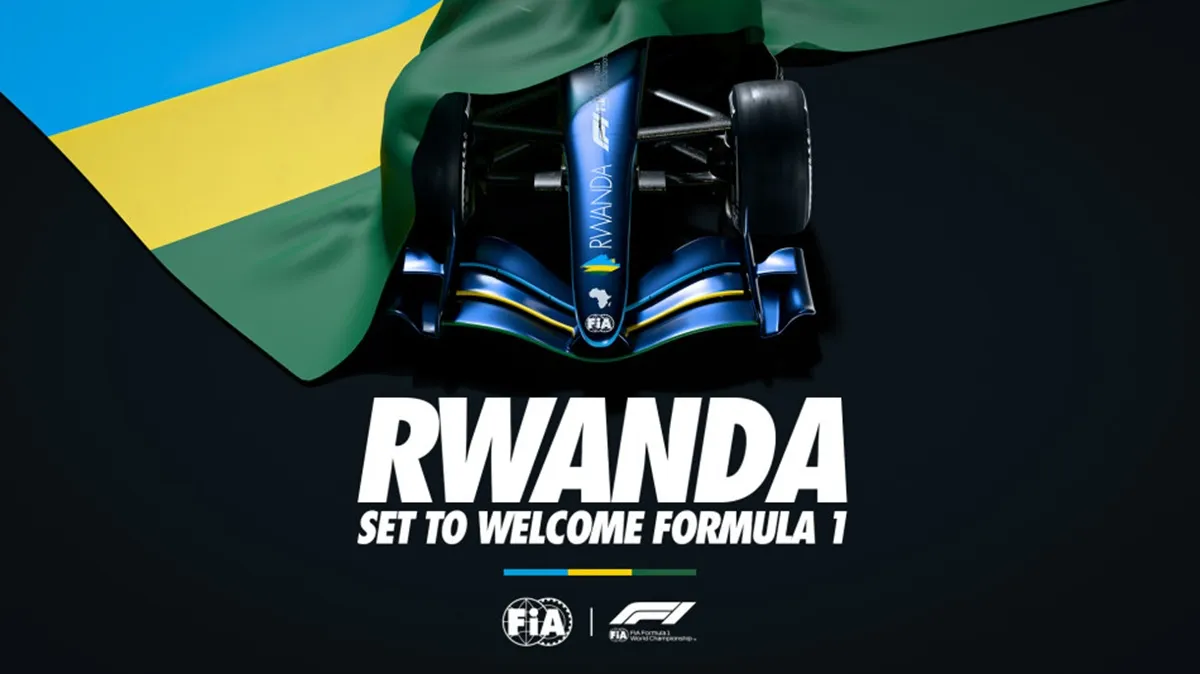
The controversial announcement of a Formula 1 Grand Prix in Rwanda scheduled after 2030 has sparked intense global debate. Promoted as a historic milestone for African motorsport, the decade-long agreement instantly collided with stark socioeconomic realities, raising serious questions about national priorities and financial allocation.
Securing a spot on the premier motorsport calendar for a nation with a modest per capita income has drawn immediate scrutiny. While proponents view it as a bold step toward modernization, critics point out the immense contrast between the multi-million dollar race hosting fees and basic human development needs within the country.
Rwandan leadership, led by Paul Kagame, has continuously defended the monumental project by highlighting prospective job creation, technological skills development, and a substantial boost to the local tourism sector. Proponents argue that such high-profile international events serve as catalysts for long-term economic transformation.
Conversely, human rights organizations such as Amnesty International have heavily criticized the initiative, labeling it as a classic case of sportwashing. The term underscores ongoing concerns that prestigious global sporting events are frequently utilized by governments to polish international images while bypassing domestic socio-political complexities.
Despite previous successful hosting ventures in international cycling and high-profile sports sponsorships, the intersection of elite motorsport and severe regional challenges ensures that the debate surrounding the Rwandan Grand Prix will persist far in advance of the inaugural race.
Baca Juga
Simak analisis mendalam Bernie Collins mengenai krisis kepercayaan antara Lewis Hamilton dan Ferrari F1 2026. Baca selengkapnya di sini!
Simak keseruan di balik layar saat Lewis Hamilton dan Charles Leclerc mengambil alih media sosial Ferrari. Baca analisis lengkap dan update berita F1 di sini!
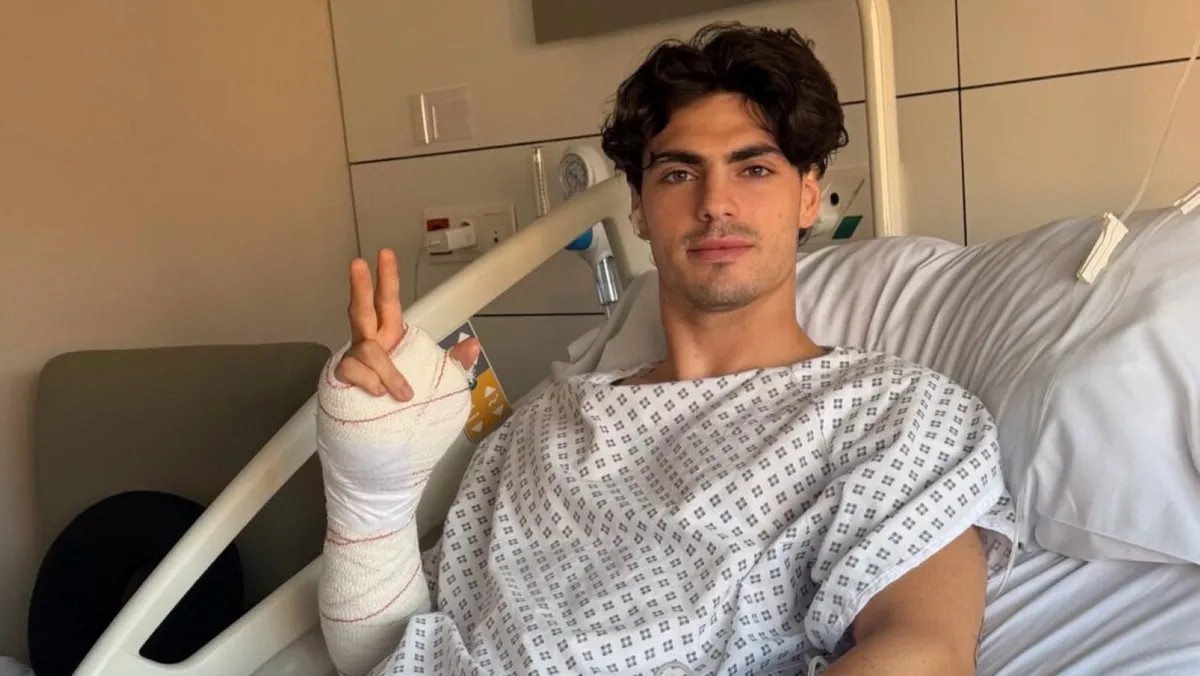
Fermin Aldeguer sukses jalani operasi tangan kanan demi kejar tampil di GP Australia 2026. Baca analisis lengkap cedera dan perjuangannya di sini!
 Lanjutkan dengan Google
Diskusi & Komentar (0)
Mari Bergabung dalam Diskusi!
Masuk dengan mudah untuk mulai memberikan komentar, membalas, dan berinteraksi dengan pembaca lainnya.
Komentar Terbaru
Belum ada komentar. Jadilah yang pertama!