








While Max Verstappen's triumph in Formula 1's opening phase highlighted the progress Red Bull has made with its car, there was another intriguing aspect to its performance in Malaysia. Much of the foundation of Verstappen's pole position and win came directly from exceptional straightline performance, as clearly visible when comparing speed traces against rivals.
So while a lot of the talk centered around Red Bull's leap forward being helped by its Baku aero upgrade, there are clear indications of serious progress on its power unit as well. It is known that Ferrari has been lacking power, plus the higher-drag consequence of the Mercedes upgrade may have played a part in pulling George Russell and Kimi Antonelli's top speeds back.
Even with the caveat that energy deployment patterns can skew pace over a lap, a look at the speed figures certainly showed the Red Bull power units regularly towards the top. Sepang qualifying maximum speeds across multiple checkpoints solidly confirmed this ongoing technical development.

It leads to the conclusion, especially off the back of Red Bull's form on Baku's main straight, that it is not nearly as far behind in this department compared to the start of the season. In spite of the strict restrictions Red Bull and its partner Ford have faced under F1's ADUO rules regarding engine development bans this year, tangible gains have still been achieved.
The engineering group in Milton Keynes refused to be deterred by regulatory roadblocks, choosing instead to put their heads down and work away in areas where extra laptime could realistically be found, proving that relentless dedication continues to drive the team forward.
Baca Juga

Martin Brundle mengkritik kekacauan software F1 di Bahrain yang membuat mobil mogok massal, namun memuji keputusan fair FIA saat restart balapan.
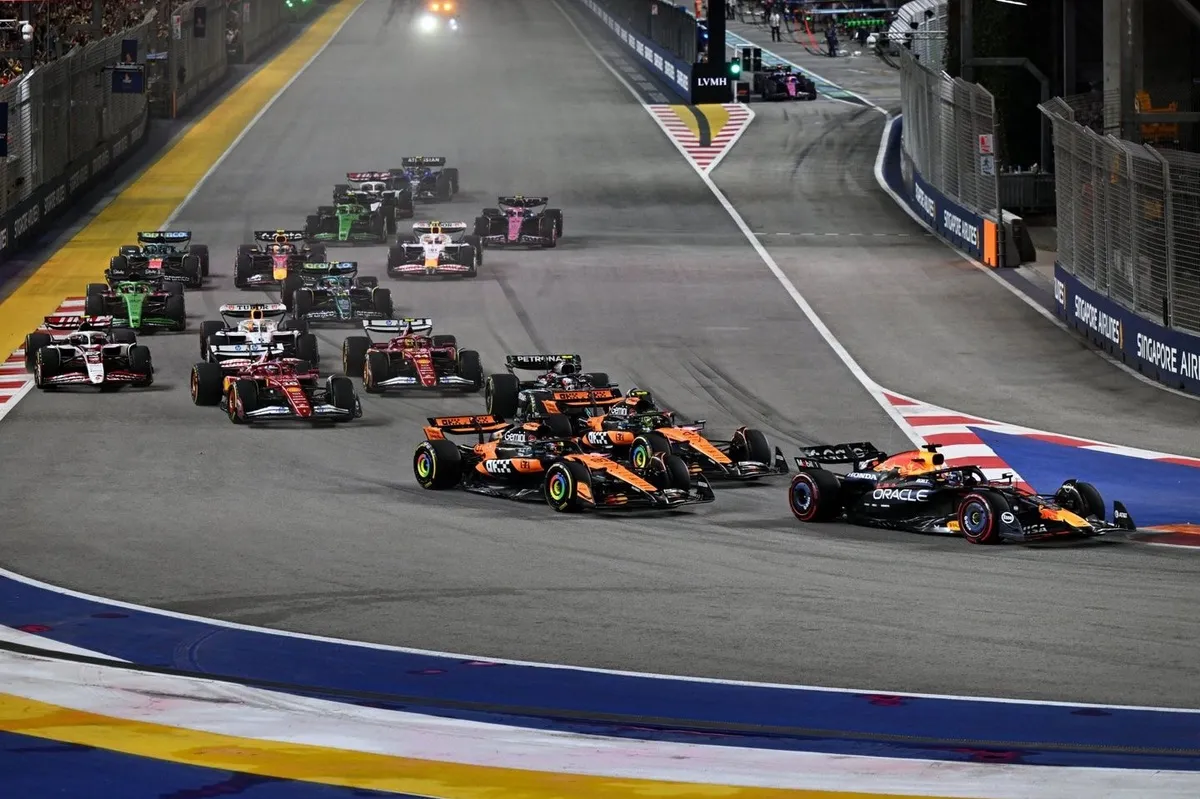
Analisis lengkap F1 GP Singapura 2026: Peluang Max Verstappen pecahkan rekor di Marina Bay dan ancaman penalti grid bagi George Russell di Mercedes.
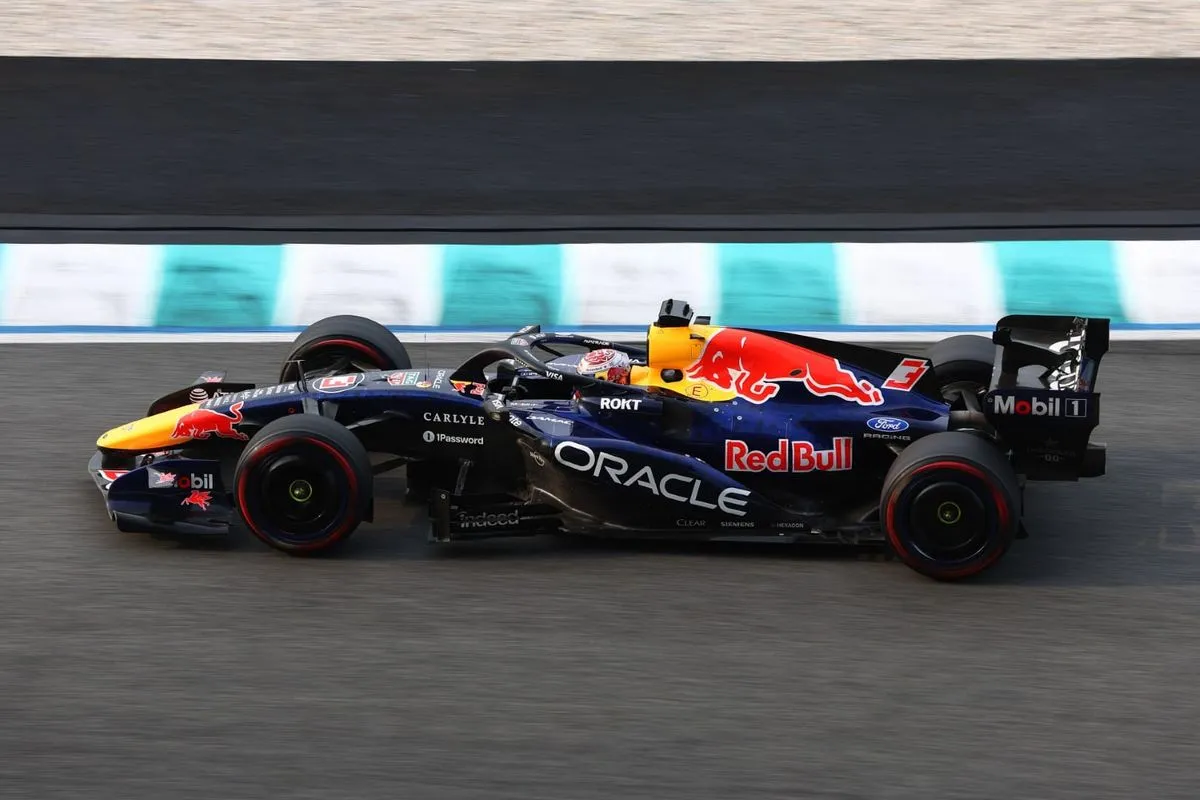
Lonjakan kecepatan Red Bull di trek lurus F1 ungkap kemajuan signifikan pada unit daya meski terkendala aturan pembatasan pengembangan ADUO.
 Lanjutkan dengan Google
Diskusi & Komentar (0)
Mari Bergabung dalam Diskusi!
Masuk dengan mudah untuk mulai memberikan komentar, membalas, dan berinteraksi dengan pembaca lainnya.
Komentar Terbaru
Belum ada komentar. Jadilah yang pertama!